







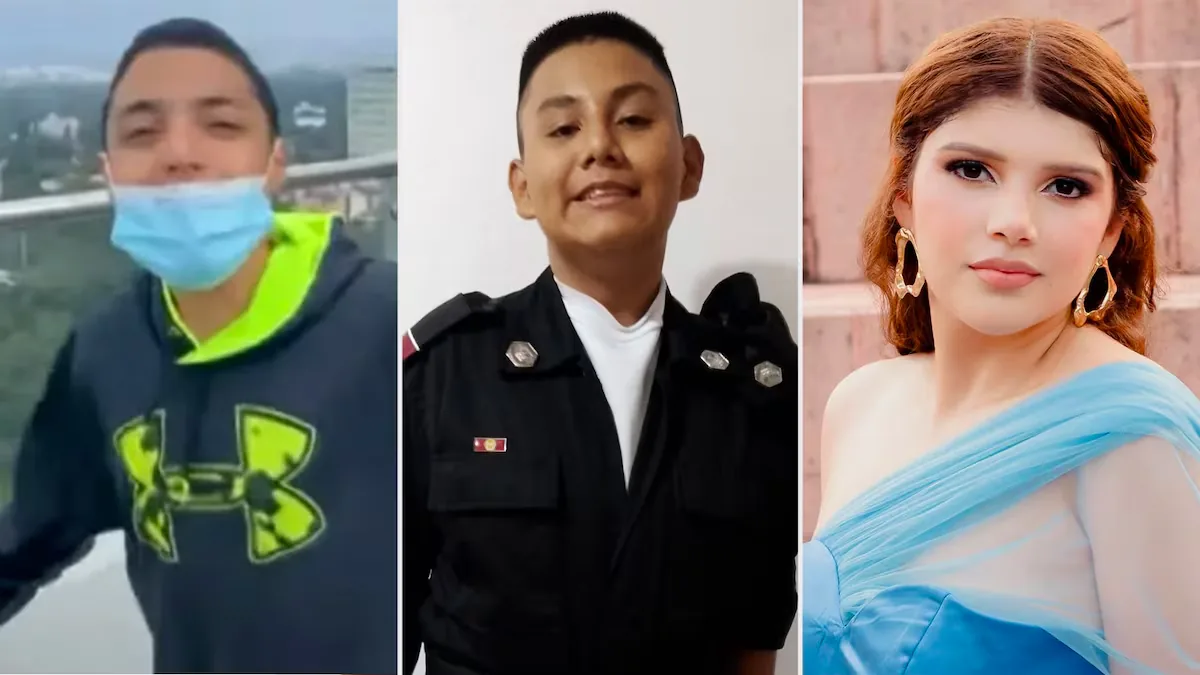
Zamir Pinto (16 years old), Erick Terán (13), and Dafne Zapata (13) went to study, play the trumpet in a marching band, or exercise, and never returned home. The minors did not know each other, nor did their families, and they lived in different states, although their stories share regrettable coincidences. All three lost their lives in militarized academies run by instructors who were supposed to care for them, but who beat and mistreated them to death. In all cases, moreover, the directors acted similarly: they notified the families by phone that “something was not right” and attributed what happened to alleged health problems. The cases occurred over a three-year period during which military training centers continue to operate without a specific category or regulations governing their teaching and disciplinary methods.
Erick Terán wanted to be a youtuber, a soccer player, and try if being a soldier could be his vocation. His mother, Erika Torbellín, didn’t like the idea. “But as a mother, you can’t prevent those kinds of things. I didn’t want to break his dream and I supported him,” she tells EL PAÍS by phone. He studied for almost seven months at the Ollín Cuauhtémoc Militarized Academy in Mexico City without incident until April 18, 2025, when he confessed to his mother that other children had beaten him for defending his friend. She asked him if he wanted to continue studying there and he said yes. He died five days later in Morelos, in a camp that the school organized without having the necessary permits. It wasn’t until the funeral that Torbellín learned from testimonies of her son’s classmates that it was the instructors who committed “the atrocities” against the children. The school director and a tutor were arrested but have not been sentenced. Torbellín assures that there are more people involved who remain at large.
The students told her that Erick was dragged across the floor and repeatedly hit in the abdomen and ribs. They forced him to fight with other children and, if he lost, they punished him more. “They stomped on them, made them lick the floor with their tongues, clean the floor with a toothbrush, wash the bathrooms. They are supposed to be studying, how are they going to make him wash the bathroom when they are in class? It’s too much for a child to endure those beatings and psychological abuse,” she recounts. The school tried to attribute the death to health problems. “They wanted to say that my son was on drugs, or that he had asthma, dehydration, a lot of diseases, that he had a bad heart and that’s why he died,” she shares.
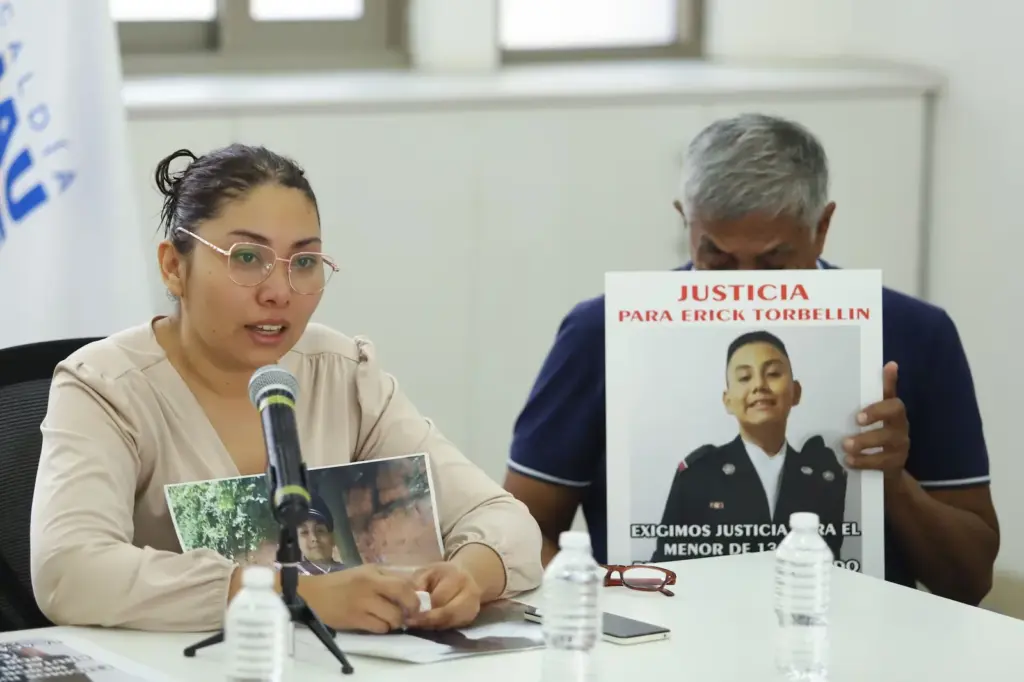
One year and three months after that tragedy, Torbellín learned of the death of a girl the same age as Erick, also in a militarized academy, in Tamaulipas. “It stirred up many things in me, many horrible feelings. How is it possible that this is happening again?” she says. She sees herself in Alejandra Quintos, the mother of the latest victim, and finds similarities in both cases. “They were tortured to death. The mistreatment and beatings are similar, the excessive exercise. It’s as if they already have a pattern, a way of acting. It makes me wonder if there’s some kind of relationship between them,” she explains. “With the girl [Dafne Zapata] they wanted practically the same thing: to say she died of illness. They want to clean everything up that way,” she complains. The woman assures that some of Erick’s school staff now work in other centers with the same educational model. “They protect each other,” she says.
Three years earlier, in the State of Mexico, the Pinto family had to go through a similar story. On November 27, someone from inside the facility sent a message to the young man’s aunt to inform her that he had died from an epileptic seizure. The autopsy states that he died from deep abdominal trauma: Zamir was repeatedly kicked in the stomach. Instructor Jonathan Jesús, 29, was arrested.
Read more Before you start, check this list: 10 essentials to carry in the car (including the V-16 light)
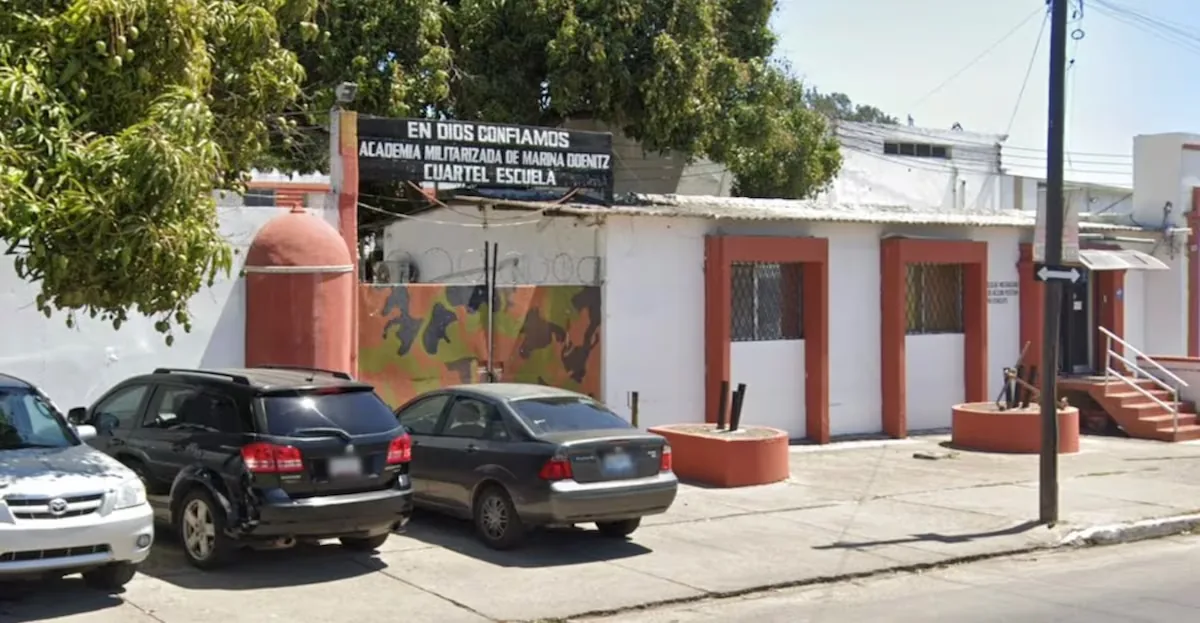
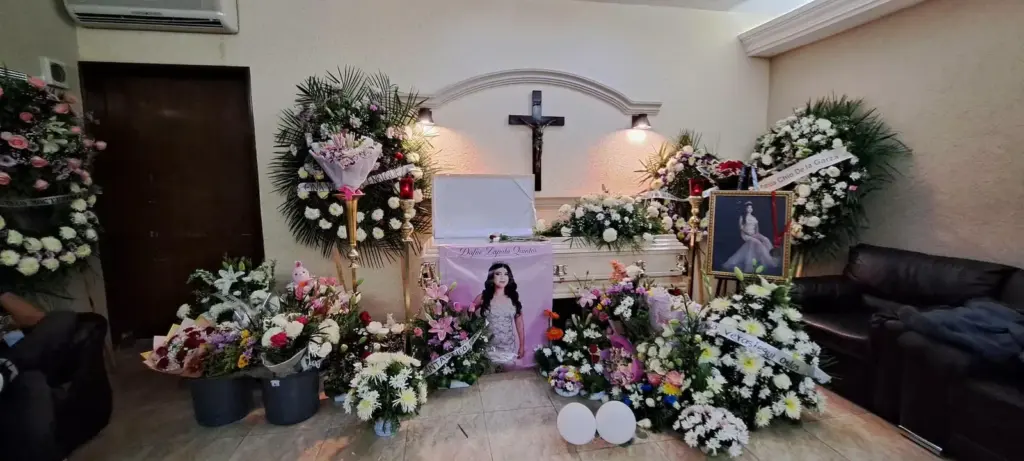
Dafne Zapata, the most recent case, died at the summer camp of the Marina Doenitz Militarized Academy. The family reported that the autopsy indicates the cause of death was asphyxia by submersion. Her mother, Alejandra Quintos, assures that Dafne died “tortured, in a horrific way,” while the school directors maintain that the girl collapsed and died in the showers. For the case, which is being investigated as femicide, an 18-year-old woman who served as an auxiliary instructor caring for the girls was arrested. The mother demands the arrest of four other people involved.
In the academies, there is a “code of silence.” Students fear telling what happens to them because they are threatened. The deaths of all of them were followed by dozens of complaints from their classmates in each of the academies. They describe extreme violence among classmates themselves and from teachers. Beatings as initiation rituals, forced exercise, sexual harassment, extreme punishments, and confinement are repeated in the stories that have come to light. Authorities have found that workers lack the mandatory training to educate minors or the military titles they claim to have when promoting courses.
“I demand justice. There are already three children. Mine was taken as an isolated case and clearly it is not,” says Torbellín. She describes this search for justice as “horrible.” “I had to take time to mentally recover. First you’re in the legal process, but then when you get home and start to notice the silence, it’s very hard,” she shares. “They promised to support us with financial compensation for the damages to cover all the expenses we had incurred because of this school. But so far they haven’t given me anything. I don’t want anything as long as they comply, but it seems they no longer care about the children,” she states.
Erick’s mother asks for these institutions to be monitored: “At least regulate them, visit them, ask questions about how they have been treated. Things like that can greatly help prevent another tragedy from happening.” She no longer wants to see herself reflected in another mother who loses a child in a center where they were supposed to be trained and cared for.
Read more What is an active carbon memory foam pillow for? We tell you all its benefits