Meta’s lawyers rejected on Tuesday the accusations from 29 states that it deliberately sought to create addiction among children and teenagers on Facebook and Instagram, at the start of a historic trial in which the plaintiffs hope to achieve the biggest changes in these applications. The trial, taking place in the federal court in Oakland (California), represents the biggest legal challenge against the tech company for “hooking” underage users, which could foster addictive behaviors among children and teenagers and cause emotional and physical harm, even, in the most severe cases, death.
The tech company also faces accusations of violating federal law by improperly collecting and using minors’ personal data. Meta’s lawyer, Paul Schmidt, said he “strongly disagrees” with the accusations facing the tech company and asked the jury to keep “an open mind.” He also defended the work the company has done to help improve the well-being of the 20% of teenagers who, according to figures from a company survey, say they feel worse when using Instagram.
He also highlighted the company’s efforts to block users under 13 years old. In the last three months, the company removed 600,000 accounts created related to unauthorized users.
Meta’s lawyers have a lot of work ahead to convince the eight-person jury that will make recommendations to Judge Yvonne Gonzalez Rogers, who will ultimately deliver the final verdict. California’s Deputy Attorney General, Megan O’Neill, took over as spokesperson for the plaintiffs’ legal team on Tuesday and asserted that the tech company, founded by Mark Zuckerberg, “hid the truth.”
“When it came time to make a decision — choosing what is safe for children or choosing what is safe for their profits — time and again profits won,” O’Neill pointed out. On Tuesday, Arturo Bejar, a former Meta employee, testified that he warned senior company officials about “the harm people suffered due to the way Instagram was designed” and that it could have been avoided.
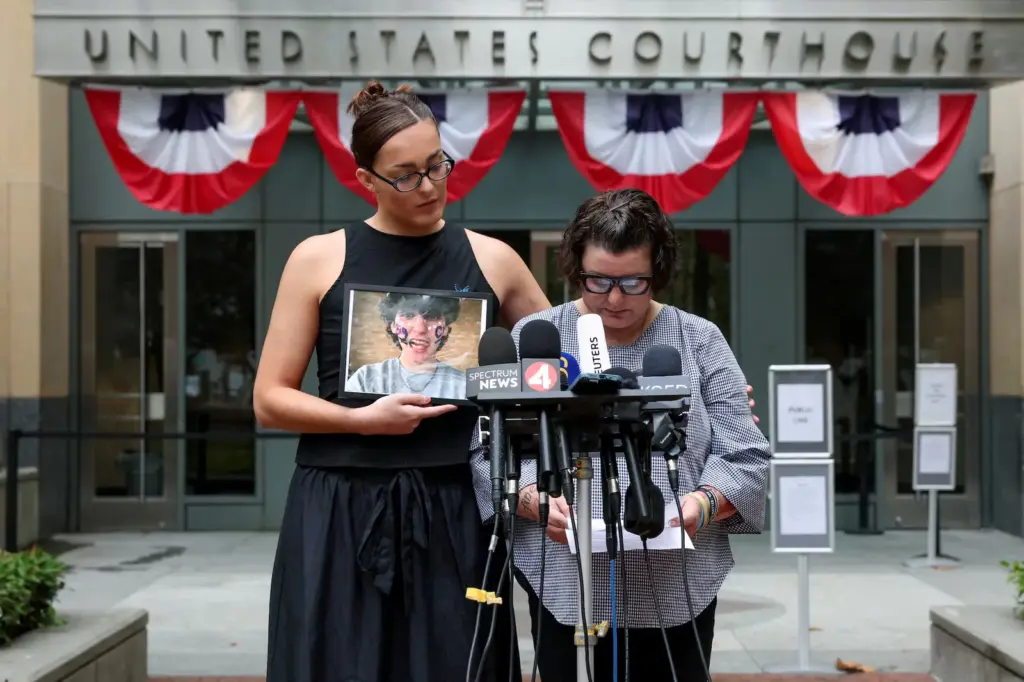
The plaintiffs intensified pressure on Tuesday in the high-profile trial with the presence of several of them in the courtroom, such as California’s Rob Bonta, Colorado’s Phil Weiser, and New Jersey’s Jennifer Davenport. In a press conference after the hearing, Bonta said they seek to “change” business practices going forward; among them, “to stop lying and deceiving the public,” as well as changes to platform features that encourage obsessive, excessive, and compulsive behaviors that Meta “was aware of.”
“We aim to change these practices and, of course, if our case succeeds — and we trust it will — there is the possibility that Meta will have to make payments in civil penalties, disgorgement of illicit profits, and restitution,” Bonta said without giving estimates on the amount. Prosecutors emphasized that the litigation is part of a broader process that includes other tech giants, such as Google, TikTok, and Snap.
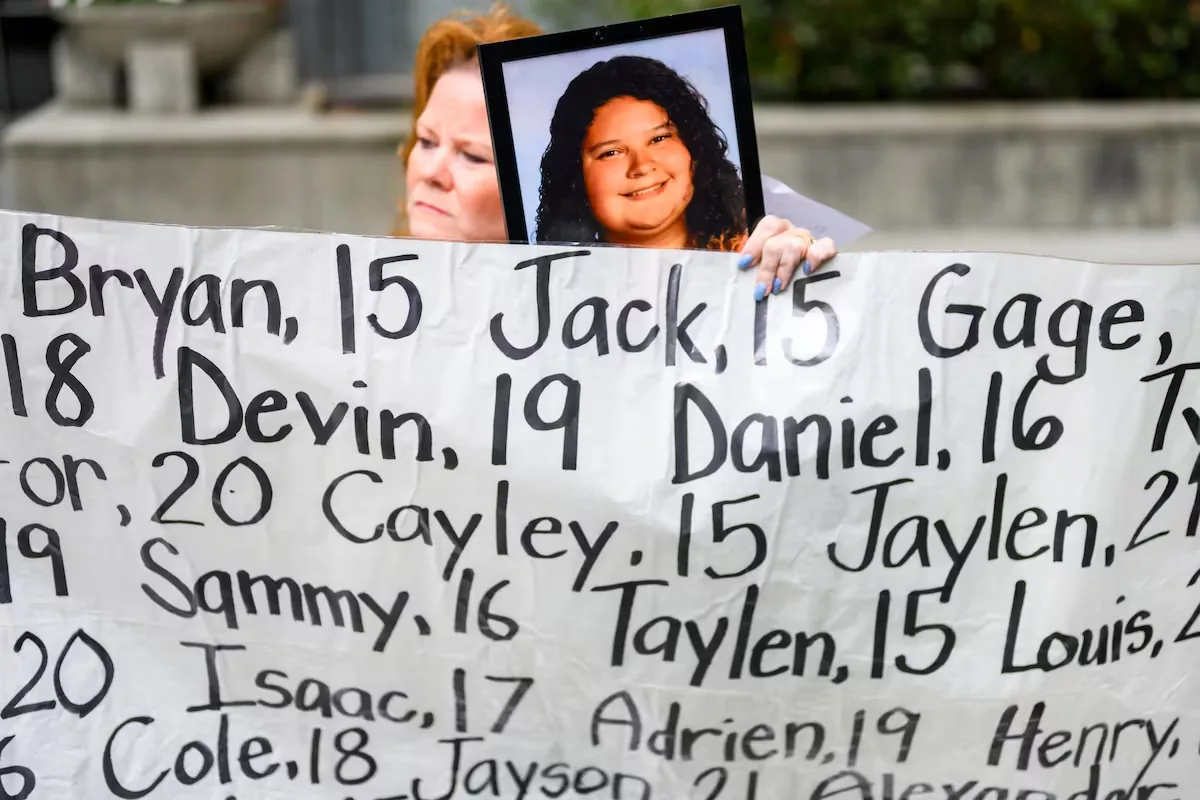
Meta also had to face on Tuesday the presence of parents who have sued the company for harm to their children, outside the court. The company faces a process lasting about four to six weeks, during which Meta CEO Mark Zuckerberg and Instagram head Adam Mosseri are expected to be called to testify.
Read more Six earthquakes mark the night in Granada after Tuesday’s magnitude 4.8 earthquake