




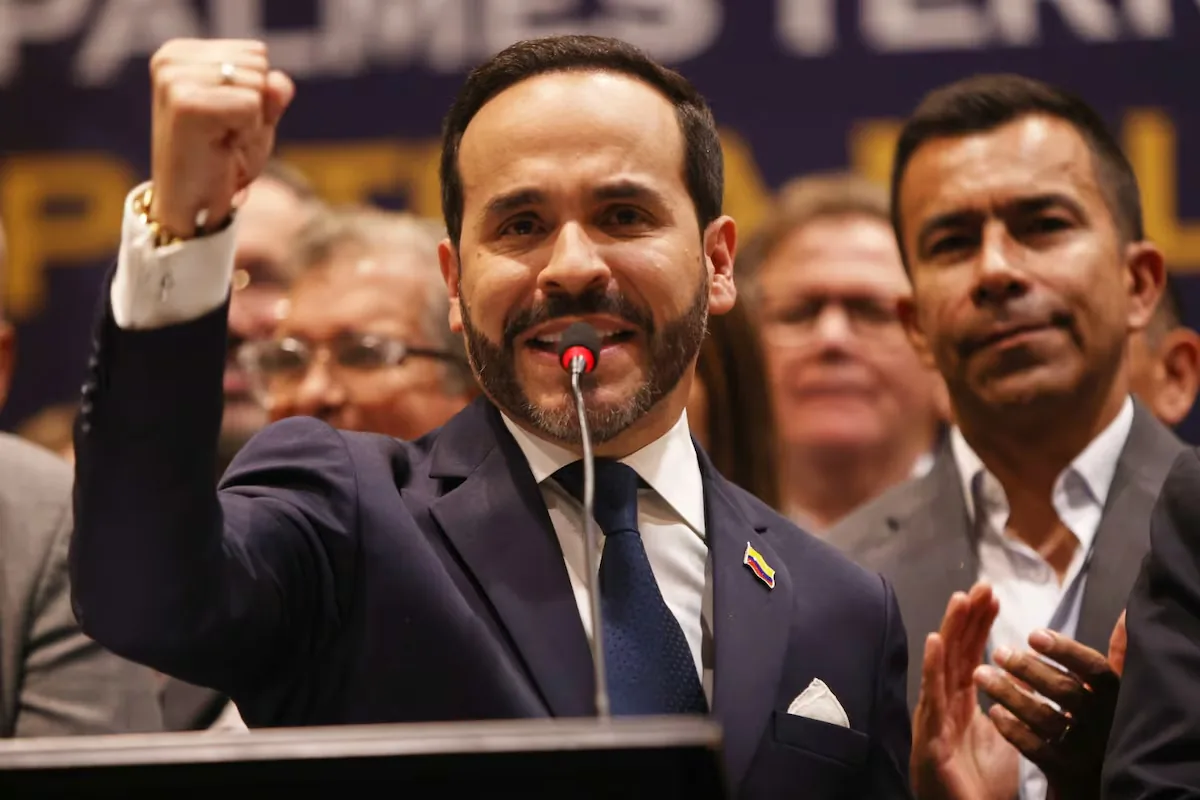
Abelardo de la Espriella’s government will begin in five days, and it will do so with the question of whether it will be an executive typical of a traditional right wing that has governed many times in Colombia, or if it is a new type, in the style of those that have brought Javier Milei to power in Argentina, Nayib Bukele in El Salvador, Jair Bolsonaro in Brazil, or Donald Trump in the United States. His announcements, his public interventions, and above all, the appointments he has made of members of his cabinet show that he will start with a mix of the two types of right wing, in a cohabitation that allows him to broaden his political support, but that could also bring tensions throughout his four-year term.
The appointments of his team are perhaps the strongest clue at the moment. The dichotomy comes from the campaign itself, when the criminal lawyer — who presented himself as an outsider defending “the never” against “the always” — chose a member of the technocracy and the right-wing establishment as his vice-presidential running mate: José Manuel Restrepo, an economist, had been Minister of Commerce and Finance under the right-wing president Iván Duque, rector of several universities, and was known in academic, business, and political sectors. It was, as seen at the time, a way to build bridges between a disruptive candidacy and a right wing with a long and well-established tradition.
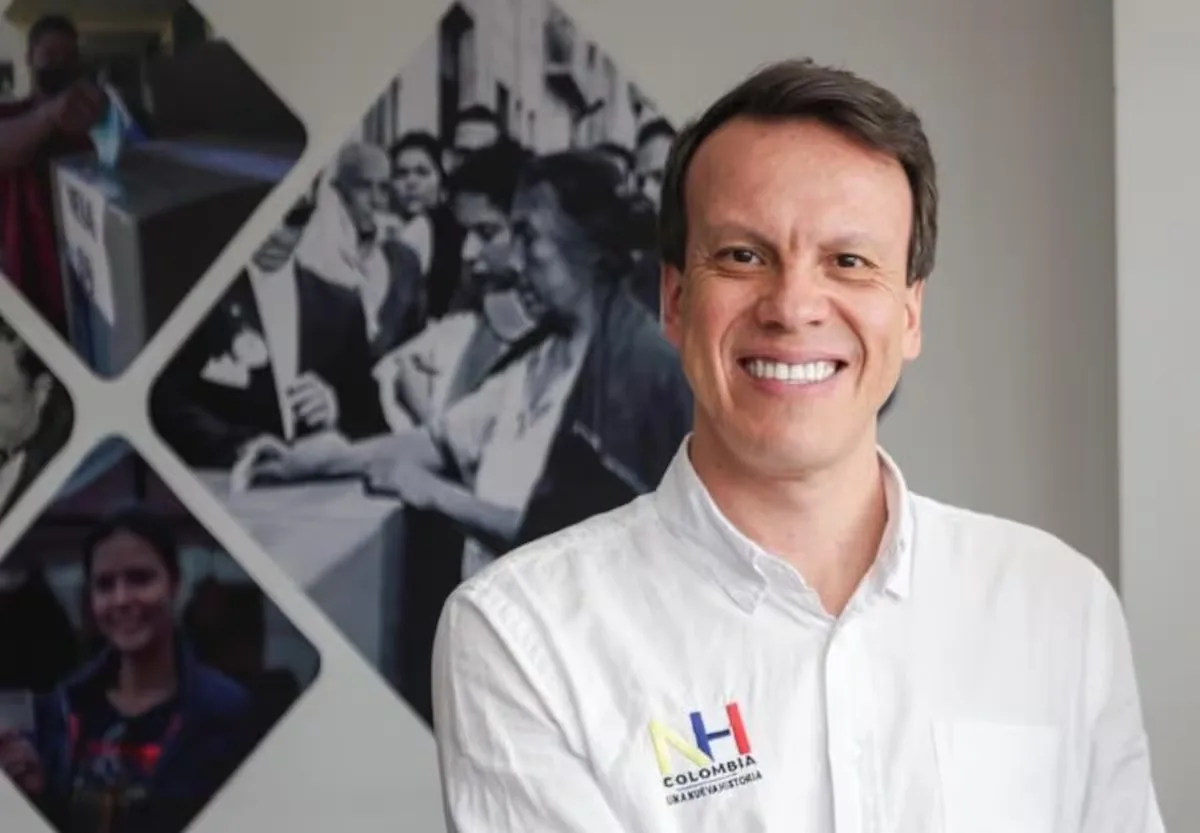
That same right wing has several representatives in the cabinet appointed by De la Espriella. The Health Minister announced this Thursday, Ana María Vesga, is one of them: a lawyer with more than fifteen years working on health issues and a union leader, she is an example of the arrival of technical voices with pro-market views, which have clashed with the outgoing left-wing government of Gustavo Petro. Also arriving with knowledge of his field is the Defense Minister, Jorge Mora, a retired general with very right-wing ideas, something that has been usual in the most conservative governments of recent decades.
A similar cut, although more political, is that of the announced Minister of Transport, Elsa Noguera de la Espriella, former mayor of Barranquilla, former governor of Atlántico, former Minister of Housing, and who has had a career propelled by the right-wing party Cambio Radical.
Even there could be placed Rodrigo Lara, the Minister of the Interior, who was a senator for Cambio Radical, has been close to right-wing former presidents like Álvaro Uribe Vélez and Duque, and to former vice president Germán Vargas Lleras, who led a right wing that rivaled Uribismo for more than a decade.
Read more Who regulates digital content for children? Mexico debates how to moderate platforms
On the other side, there are also notable faces. Perhaps the most visible is that of the designated foreign minister, Omar Bula, an international diplomat and member of a traditional Antioquian and Cordoban family who defends some of the most characteristic ideas of the MAGA movement in the United States: critical of the United Nations, which he calls a “leftist directory,” he often warns about what he calls the “anti-Western globalist agenda” and argues that climate change is a false “woke idea.”
With similar traits, although perhaps more local, is the appointee for the Housing portfolio, former mayor of Bucaramanga and pastor Jaime Andrés Beltrán, who clearly represents the electoral strength of Christian movements. But perhaps the most talked-about figure is a particular one: former senator and former attorney general Viviane Morales. Although she made her way in the Liberal Party, she has maintained a Christian political character that has evolved over time: she went from reflecting a defense of the secular state brought by the 1991 Constitution to questioning the opening of society to situations such as same-sex marriage, same-sex adoption, euthanasia, or abortion. Her appointment to the Ministry of Education — which is not her specialty, and is particularly sensitive due to issues like sexual education — has raised alarms in the LGBTI movement.
This type of coalition between more conservative figures, more typical of a known right wing and that give a sense of continuity compared to previous governments and stability for part of society, combines with the unprecedented expectations of change brought by a campaign like De la Espriella’s. The incoming president’s activities, focused on calculated and very symbolic announcements — such as moving national entities out of Bogotá, designating Barranquilla as an alternate seat of government, or changing the current presidential palace to turn it into a museum — combine with strong but already known announcements in Colombia: ultimatums to leaders of illegal armed groups, announcements of tougher penalties, nods to the private sector, and announcements of tax cuts. It is a mix of symbolism more typical of the new right and old, well-known recipes.
The sum of these two trends reflects the broad alliance that propelled the lawyer to the Presidency of the Republic, and marks a start with broad and diverse support. The intention to begin his administration by issuing dozens of decrees of different types could give play to all sectors. With a president who has not held public office and won more as a disciplined communicator than as an experienced public administrator, the country’s attention will probably focus on unraveling an Executive who was elected with enormous promises of change, like Petro’s four years ago, and who unlike him faces a struggle for leadership in his political spectrum, with the tense relationship between the new president and former president Uribe. This week will give more clues, and August 7 will more clearly mark Colombia’s path.