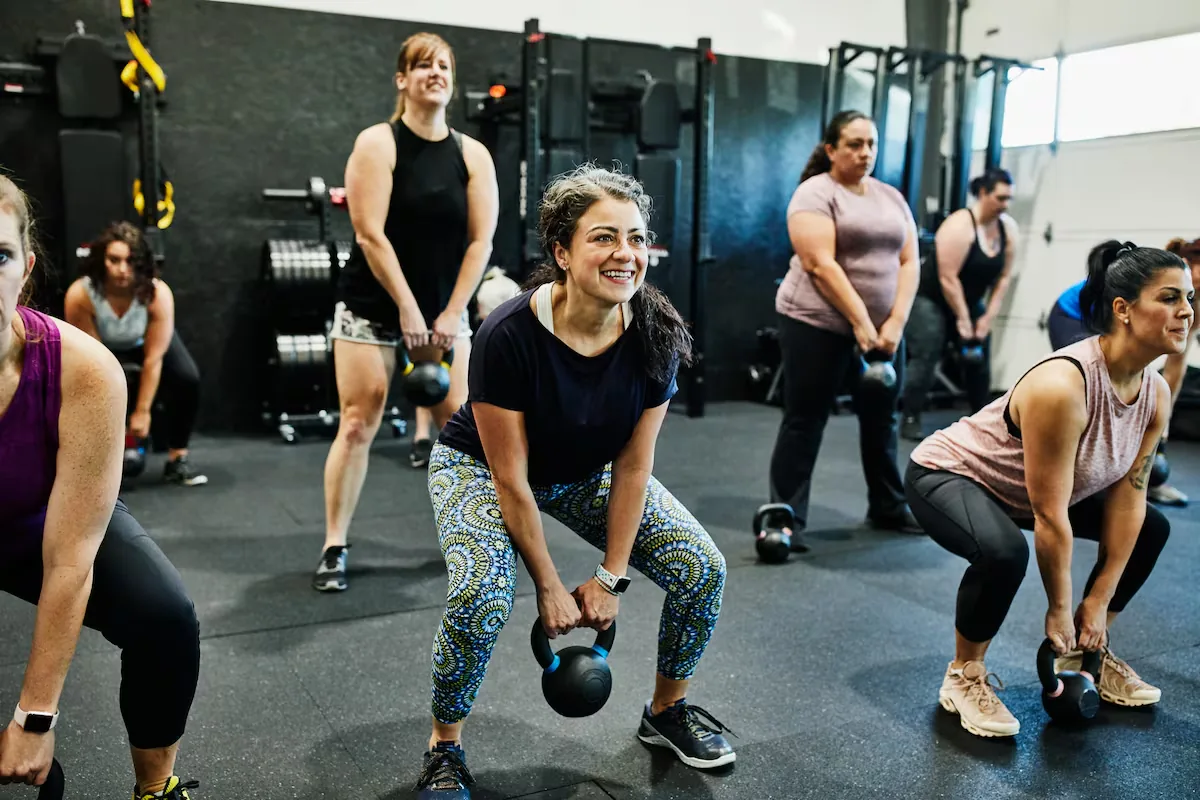
Walk 10,000 steps, include protein in every meal, take creatine on an empty stomach on the days you do strength training; better if you take it every day, do strength training at least twice a week. Don’t forget to do some aerobic exercise; if you can “dress up” in the chosen sport, even better. Don’t neglect the look, aerodynamics need you and sports brands confirm it.
Read more ‘The loved one’: undeniable expressive talent, little emotion
Fast occasionally or, better yet, make it your way of life, have two meals a day and, if you can, fast for days. Remember that the body needs to do a detox. Count the hours without eating so your body functions better. Forget that this is already done autonomously by the liver, lungs, and skin, and don’t hesitate to invest in green smoothies full of spinach and tropical fruit, which will leave you without energy, displace necessary foods from your diet, and will likely make you lose two kilos of muscle mass. It’s hard to believe with such prices these concoctions cost, but the price your metabolism will pay afterward and your relationship with food will be much higher.
Record every activity you do, just in case today you walk 8,000 steps instead of 10,000 and your Apple Watch doesn’t complete the activity rings. Monitor your sleep, use apps that remind you when to stop, meditate to “disconnect and reconnect,” and do journaling, thank the capitalist universe for your day and your high productivity.
Food is no longer like it used to be, the kind our ancestors ate; now it doesn’t nourish the same, so I’m afraid you should supplement. I dare say at least an omega-3, you know fat shouldn’t be neglected, a vitamin C and, if you’re in your thirties, I’d say start with collagen. If you’ve already passed your forties, at least magnesium, because surely you can’t sleep, ashwagandha, because surely you have no energy, protein powder, because otherwise, how will you cover the minimum of thirty grams of protein in each meal? And maybe you could use some melatonin.
Don’t forget to use the discount code of each influencer. For you, it may mean just a few euros saved, but for them, every purchase made with their code translates into a commission. And when they are recommending it to thousands of people, those small commissions, one after another, can end up generating a considerable profit. A small discount, but a big business.
And we call all this health.
There is a new market niche: we are women in our forties. Before, they didn’t even mention us because we were already ladies; our fertile period passed or is about to pass and we are not of interest. Now you can cross Spain jumping from expert to expert on over 40s about physical activity, hormonal health, nutrition… It is very important that we are given visibility and that topics that were previously a source of ridicule and mockery, like menopause, are studied and properly and scientifically addressed. But, as always, opportunists arise, because in the end, try it and if it doesn’t work, it’s your fault…
Read more The virtue of correcting others
Taking care of yourself also costs money. If each supplement costs around thirty euros and we take at least two, that’s already sixty euros a month to add to the personal budget. To that, you have to add the gym fee, the watch that measures your steps and sleep, running shoes, classes, trainer, nutritionist, the usual analysis or that treatment that promises to give your body back what, according to aesthetic standards, it has lost with age. We have managed to mix health care with the privilege of being able to afford it. Because maybe it’s not just about wanting to take care of yourself, you also have to be able to pay for everything that now seems necessary to do so.
But the privilege is not only economic. It is also having time. Where does so much health-related task fit in the life we lead? Who can fulfill all that without neglecting their work, family, and personal life? And not being able to do it all also comes at a price. Because when taking care of health becomes an endless list of obligations, not fulfilling them generates discomfort, guilt, and the feeling of doing something wrong. Many of them, moreover, are unnecessary, counterproductive, or don’t have to apply to all women.
All these rules and mandates in pursuit of health, your best version, have a much more perverse effect. And that is that, at a vulnerable moment, when the body naturally changes, being in this perpetual vigilance and control increases risky eating behaviors in women. Constant body surveillance is not harmless.
Perhaps the problem lies precisely there, that under the appearance of greater concern for our health, we are normalizing constant surveillance over our bodies. At a stage in which our body changes, new symptoms appear and we need information and medical attention, new ways of telling us what we have to do, how we have to eat, how much we have to train, what we have to take, and even how we should age also appear.
And maybe we have to ask ourselves how much of this new interest in our health really responds to a need to take care of ourselves and how much to the need for us to continue feeling that our body needs to be corrected and feeding the beauty and wellness industry. As philosopher Sandra Lee Bartky states, “the woman becomes a disciplined body, a body whose surface is continuously under scrutiny.”
Read more A summer of nostalgia with ‘Dragon Ball’: Goku, long live the homeland!