









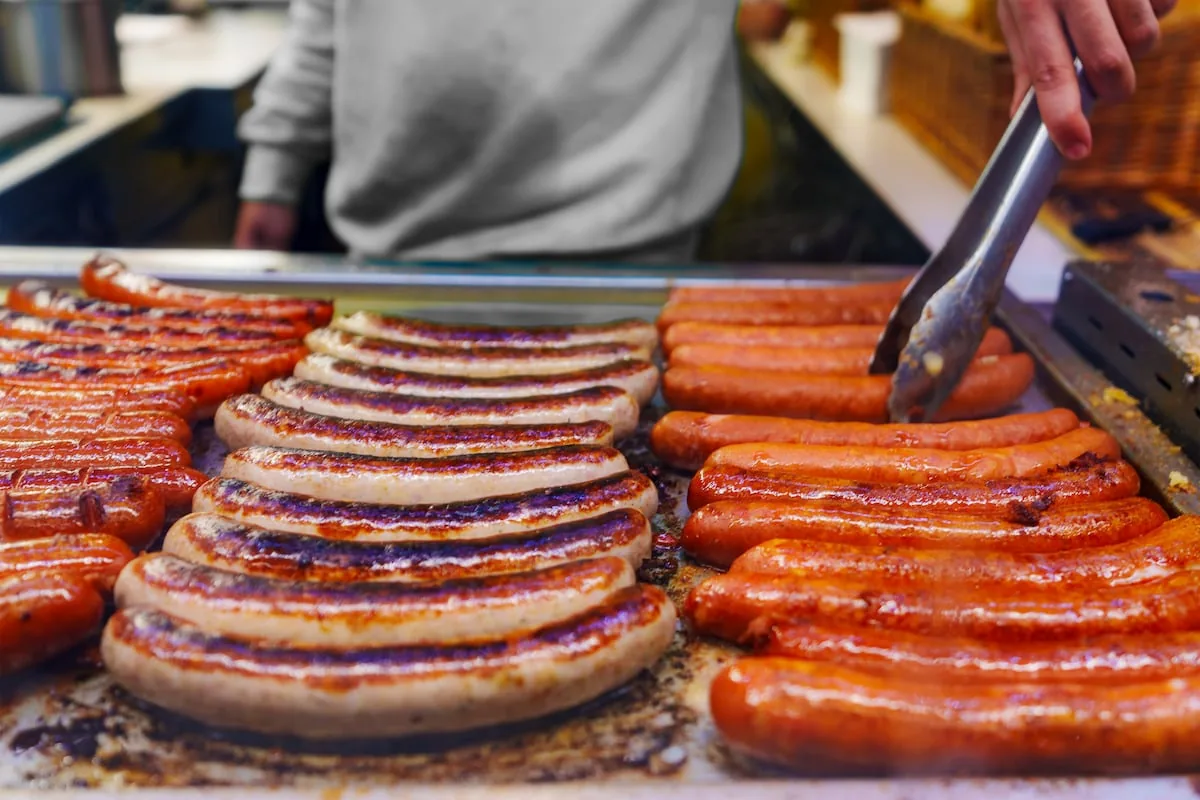
We live in the age of impactful messages; we are surrounded by such a saturation of information that there are competitions to see who can utter the biggest outrage to grab our attention. If we are told that eating a slice of bacon is as carcinogenic as smoking a cigarette, we will surely pay more attention than if the message is “eating processed meat can increase the risk of cancer.” Or maybe not, because we receive so many messages of this kind throughout the day that we are already immune to apocalyptic news.
So we might ignore it and continue eating “York” ham without worry; or it’s even possible that we go to the other extreme and gorge ourselves on sausages and mortadella, just to be contrary. Any of these options is bad. If we stick with the first, we will be unnecessarily scared; if we stick with the latter two, we will downplay its importance and could compromise our health. In a world where everything seems black or white, we pay less and less attention to nuances, but they are important, as we will see below.
Why is processed meat said to be carcinogenic?
More than ten years ago, in 2015, the International Agency for Research on Cancer (IARC), an institution that is part of the World Health Organization (WHO), classified processed meat as carcinogenic and red meat as probably carcinogenic. The news dropped like a bomb: it caused an earthquake in the meat sector and concern and surprise among the public.
The truth is that it was nothing new: in the world of nutrition, it had been known for a long time, because there were dozens of previous studies showing this relationship between processed meat and cancer. What the IARC did was gather a group of experts to analyze all these studies and reach a conclusion.
The verdict was as follows: processed meat was classified as carcinogenic to humans, given that there was sufficient scientific evidence showing its relationship with colorectal cancer. In addition, the consumption of red meat was classified as probably carcinogenic to humans, based on limited evidence.
What is processed meat?
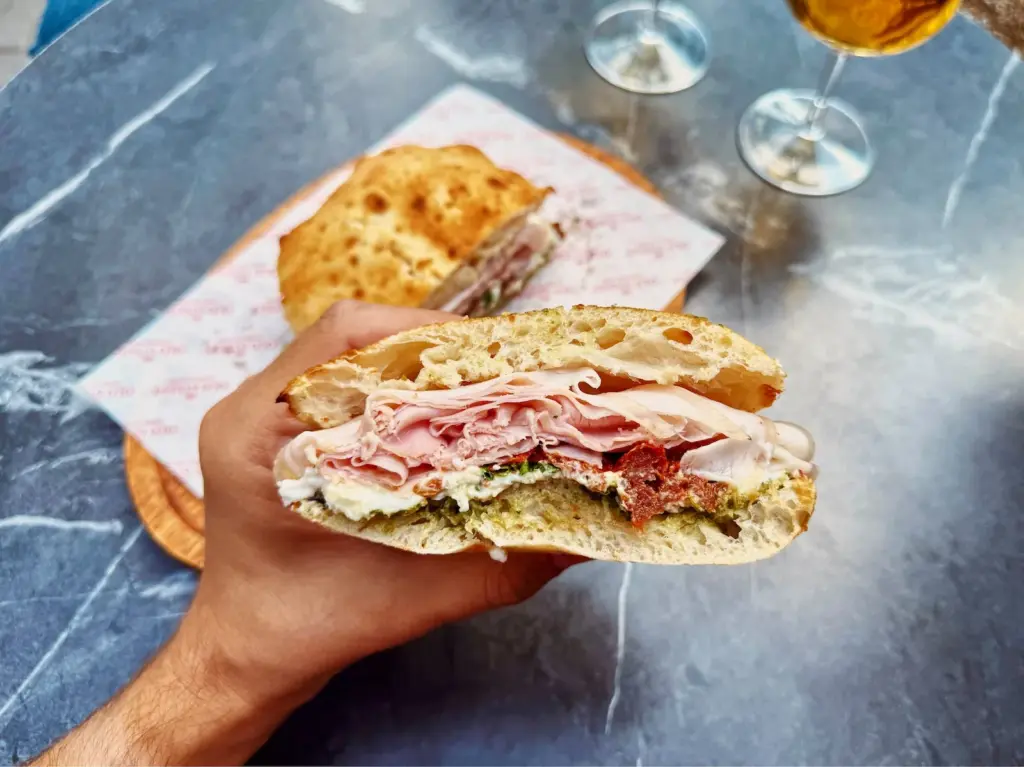
Before continuing, it is worth clarifying what the WHO means by “processed meat” because this generates many doubts. Precisely. It literally states that it is “meat that has been transformed through salting, curing, fermentation, smoking, or other processes to enhance flavor or improve preservation.”
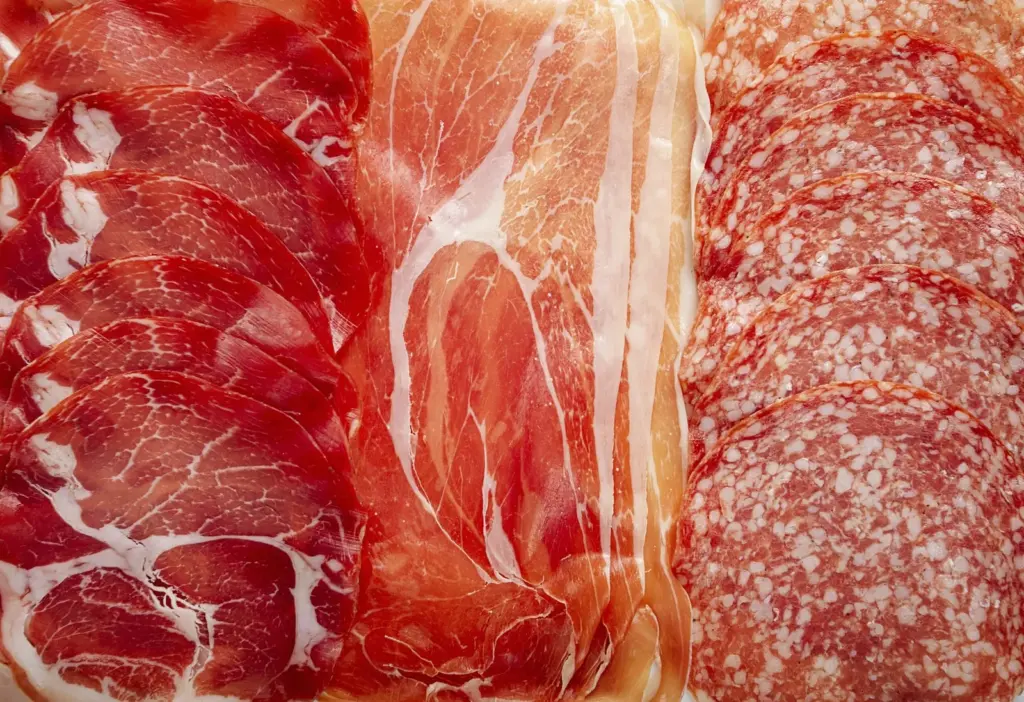
It also indicates that most are made with beef or pork, but may also contain other red or poultry meats, offal, or meat by-products such as blood; and gives some examples, such as sausages, ham, or jerky. We could add many others to the list, such as blood sausage, salami, cured loin, chorizo, cooked ham, fuet, turkey breast, and so on.
Is processed meat as carcinogenic as tobacco?
The IARC studies agents and substances in our environment to determine if they are capable of causing any type of cancer. Thus, it classifies them into five groups (1, 2A, 2B, 3, and 4), ranging from one, “carcinogenic to humans,” to four, “probably not carcinogenic to humans.” Group 1 includes, for example, solar radiation, asbestos, alcoholic beverages, and, as we already know, processed meats and tobacco.
Since these last two share a group, some media began to say that eating processed meat was as carcinogenic as smoking. But this is nothing more than a misinterpretation of the IARC’s classification. There is a very important nuance that is omitted when making these types of comparisons: the IARC does not classify these substances according to their dangerousness, but according to the degree of certainty with which their relationship with cancer is known.
That is, it does not mean that sausages are as dangerous as tobacco, but that we know with a high degree of certainty that both can increase the risk of cancer. But the risk is much greater in one case than in the other. We can understand this better with a simple example: we know with certainty that swimming in the sea can cause death by drowning. But, obviously, the risk is much lower on a calm beach than on one full of currents and three-meter waves, so they are not equally dangerous.
What level of risk does eating processed meat pose?
To truly understand the level of risk posed by processed meat, it is worth putting numbers to it. According to the IARC, eating 50 grams of processed meat daily – the equivalent of one sausage – increases the risk of colorectal cancer by approximately 18%. However, that does not mean that if we eat in this way, we have an 18% chance of developing cancer: that figure refers to relative risk.
The baseline risk or absolute risk of suffering colorectal cancer in a country like Spain is around 4-5%. That is, it is estimated that four or five out of every 100 people may suffer from this type of cancer during their lifetime. If we eat 50 grams of processed meat daily, that risk increases by 18%, so it would be around 5-6%.
In short, if a person with low consumption has a risk of around 4–5%, consuming 50 grams daily would increase it to approximately 5–6%. However, with tobacco, it is very different: it is estimated that the risk of lung cancer for someone who does not smoke is 1%, while if they smoke, that risk can increase up to 20%.
Let’s not underestimate the risk of processed meat
After what we have just said, it might seem that the issue of processed meat and cancer “is not that big of a deal,” but if we translate it to a population level, we can realize its importance. Obviously, it does not reach the level of tobacco: it is estimated that smoking causes one million cancer deaths worldwide each year. But it is not negligible either, as processed meat consumption is attributed to worldwide.
Read more ‘Ahead of the show’: Marc Giró, the pre-fascists and a bit of the usual
It is also worth bearing in mind that colorectal cancer is the most common in Spain, considering the entire population. To give an idea, about 40,000 new cases were diagnosed and about 15,000 people died from this cause.
How do we know that processed meat increases the risk of cancer?
As we have already seen, the relationship between processed meat consumption and the risk of colorectal cancer is known with certainty, but there is no single, completely established mechanism that explains the entire association. This is because the evidence comes mainly from observational studies. That is, the dietary habits of large population groups are analyzed and related to the incidence of diseases, adjusting for different factors (age, physical activity, etc.) to reduce possible biases.
This alone does not allow for establishing a cause-and-effect relationship. But in this case, several circumstances allow for reaching that conclusion: the relationship between processed meat and cancer has been found in many such studies, showing a dose-response relationship. That is, the greater the consumption, the greater the risk; furthermore, there are mechanisms that could explain this association.
Can processed meat increase the risk of cancer due to nitrites?
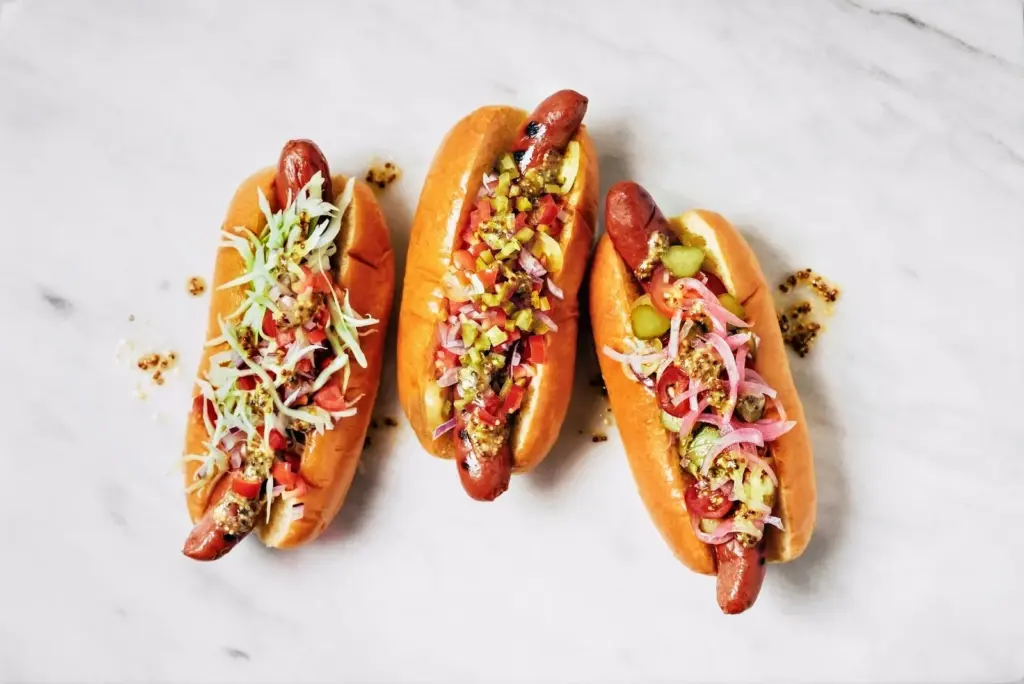
Many people think that the relationship between processed meat and cancer is due to the nitrites used as preservatives in products like bacon, cooked ham, or salami, but it’s not that simple. It is true that, under certain conditions, nitrites can lead to the formation of nitrosamines, which are potentially carcinogenic compounds. But that also doesn’t mean that nitrites automatically cause cancer.
In these cases, a balance is struck between risks and benefits: nitrites inhibit the development of pathogenic bacteria, such as Clostridium botulinum, which can cause potentially serious diseases. Furthermore, to reduce the risks that nitrosamines can pose, antioxidants are used, and the use of nitrates and nitrites as food additives is limited. In fact, the European Commission recently reduced the permitted doses so that these additives would remain at safe levels for health.
In any case, if the use of nitrites were prohibited, our exposure to nitrosamines would not be eliminated because these are also formed from nitrates and nitrites that come from other sources; for example, those found naturally in foods – as occurs with spinach or chard – or are generated by our own body.
Other scenarios
Another possible cause that would explain the relationship between processed meat and colorectal cancer is the iron naturally present in red meat. Specifically, heme iron, which promotes the formation of compounds capable of damaging genetic material and intestinal cells, thus increasing the probability of developing a cancerous process. Although this is only a hypothesis.
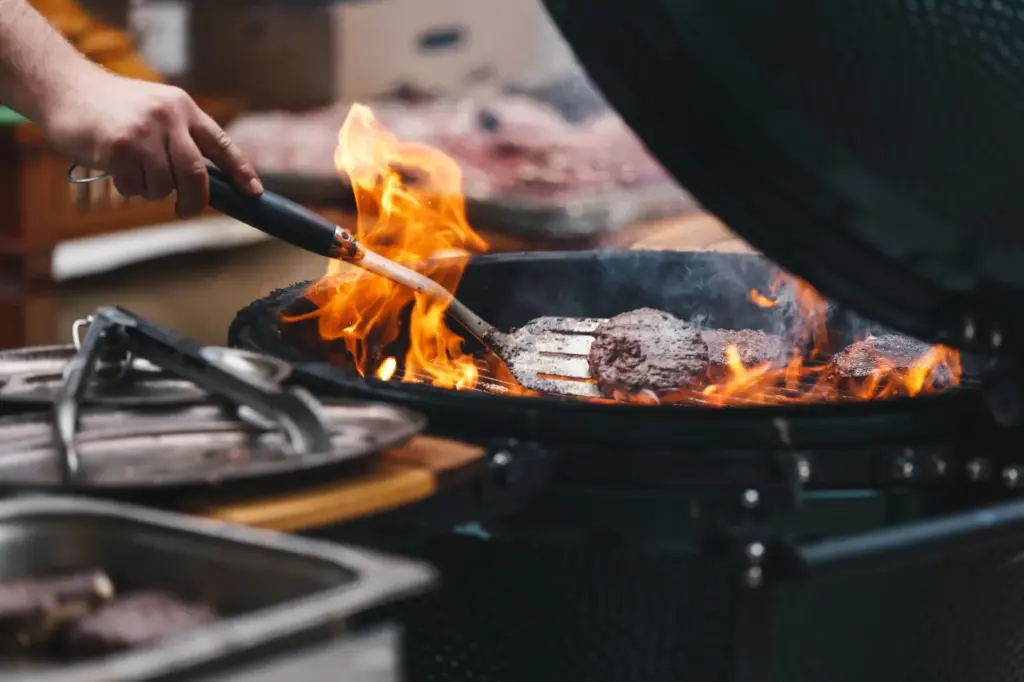
Thirdly, certain chemical compounds that form when cooking meat at high temperatures are also suspected, as occurs when we put it in a pan, on a griddle, or on a grill and cook it for a prolonged period. These are specifically heterocyclic amines and polycyclic aromatic hydrocarbons.
But that’s not all, because other hypotheses are also being considered, such as the role of genetic factors in metabolizing meat or the influence of the intestinal microbiota. Or perhaps it may simply be due to the fact that high meat consumption can displace the consumption of other foods that could contribute to cancer prevention, such as fruits, vegetables, or legumes. Nor can we rule out that several of these mechanisms act simultaneously: in short, we know that processed meat increases the risk of colorectal cancer, but we do not know for sure why it happens.
What do we do then?
In the development of colorectal cancer, as in other types of cancer, many factors influence. Some, like age or genetic predisposition, we cannot modify, but others, like diet or physical activity, we can.
The proposal is to follow healthy lifestyle habits that give us the fewest possible tickets. We already know the theory: no smoking, no alcohol, regular physical activity, and following a diet based on fresh or minimally processed foods, mainly of plant origin, such as fruits, vegetables, or legumes, to which we can add other interesting animal products, such as eggs or fish.
In short, it is about reducing red meat consumption and avoiding processed meat consumption as much as possible. Eating a plate of sausages, a cooked ham sandwich, or a chorizo sandwich one day will not inexorably cause colorectal cancer; but eating these types of products daily does increase the chances of it happening.
Read more Rich forever and stagnant poor: income mobility in Spain gets stuck at the extremes
Follow El Comidista on Youtube.