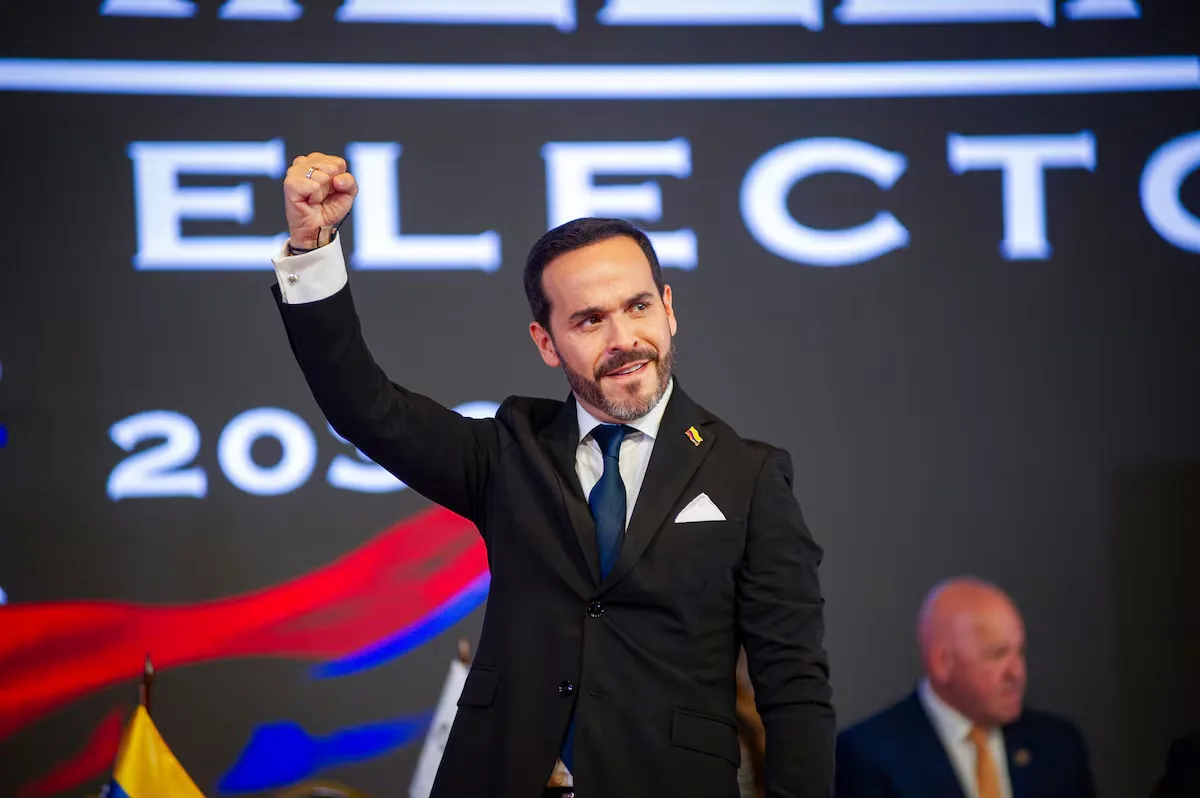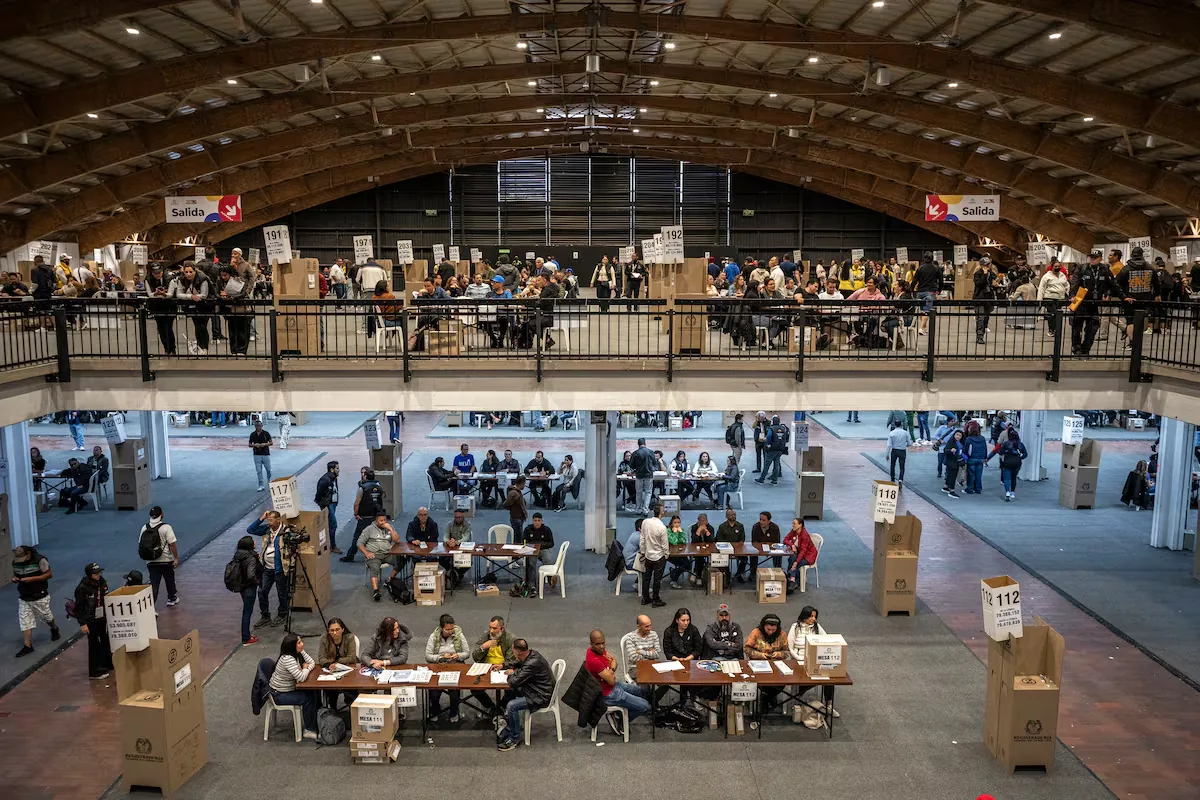








Iván Cepeda on the left, Abelardo de la Espriella on the far right, Paloma Valencia on the established right. Three candidates concentrate attention for the first round of Colombia’s presidential elections this Sunday, an almost identical reflection of the vote four years ago, when Gustavo Petro, Rodolfo Hernández, and Federico Gutiérrez represented very similar sectors and were the protagonists of the campaign. The actors have changed, but the geometry is the same: a consolidated left faces a right split in two.
Read more Sunday’s photo: progressivism, Uribism, and the extreme
What is not written is that the 2022 script will be repeated. On that occasion, Gutiérrez was in second place in the polls one week before the elections and the blackout period began. Hernández was growing while the current mayor of Medellín seemed stalled. That trend continued: Hernández achieved the sorpasso and advanced to the second round.
This time the traditional right-wing candidate never held second place above the outsider. The polls from the previous weekend, the last before the legal blackout, showed a more or less uniform picture. Cepeda, a left-wing senator and candidate of continuity, hovers around 40% voting intention and is the frontrunner, as he has been since winning his party’s endorsement in a primary held last October. The ultra De la Espriella, who has held second place since the beginning of the year, exceeds 30%, while Valencia, who emerged strongly after her victory in the right-wing primary in March, shows a decline and hovers around 18%.
Four years ago, Gutiérrez was ahead of Hernández in those last measurements, but the growth trend in favor of the Bucaramanga native was clear. As on that occasion, this time the outsider position from the right seems to yield the most benefits. Hernández, former mayor of Bucaramanga, the country’s fifth-largest city, had a discourse of permanent criticism of the political class. De la Espriella replicates that scheme with his division between “the usual ones” and “the never ones.” Gutiérrez, former mayor of Medellín close to former president Álvaro Uribe but always independent, had gathered support from much of the traditional center-right and right-wing parties. Now it is Valencia who does so, who is also a loyal and proud member of Uribe’s party, so far the main leader of the Colombian right.
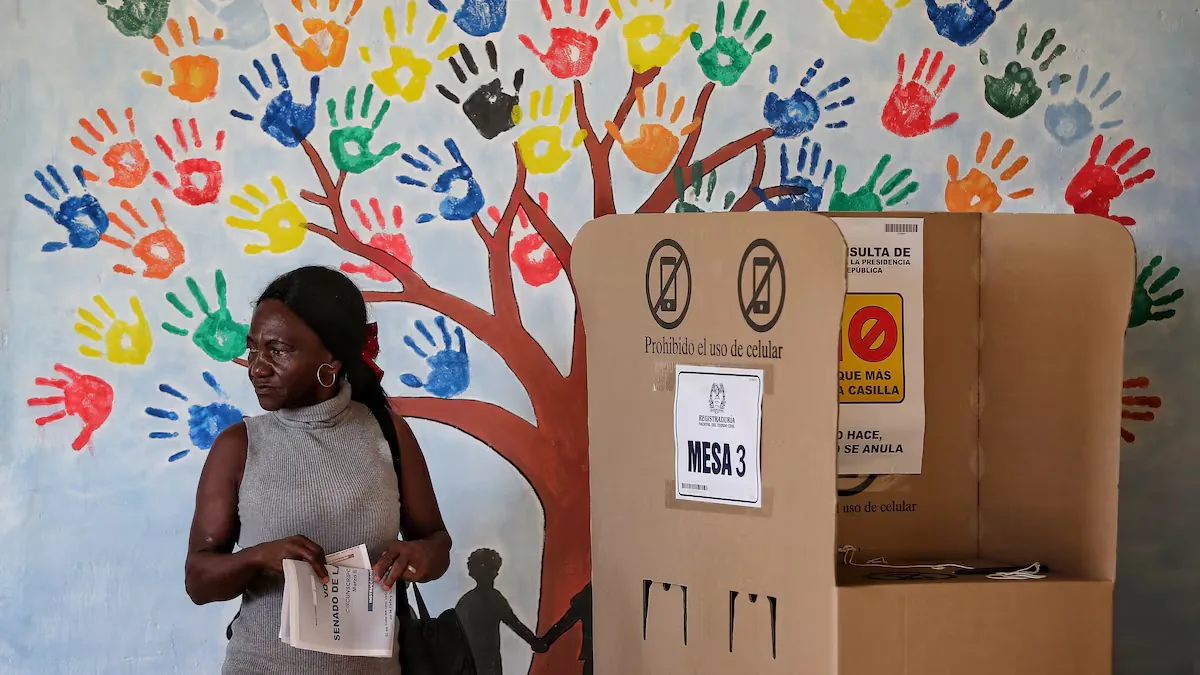
The definition of what happens this Sunday largely depends on the electorate’s emotions and on what each sector understands as the country’s main problem. Cepeda bets on the hope of those who want to continue a left-wing government, and on the fear — of them and perhaps others — of Uribe’s return, the most powerful politician of the first two decades of the century in Colombia and head of the right until now. De la Espriella bets on fear of the deepening of the left project that would bring Colombia closer to what happened with Chavismo in neighboring Venezuela, and also on the emotion of those who have an anti-political and anti-state vision in general. Valencia, meanwhile, has proposed as a message the ability to unite different groups, to reconcile positions and reach agreements, while pointing out that the main problem of the country in these elections is the possibility of deepening a leap toward either extreme, with the uncertainties that entails.
Read more Video | The most controversial moments of the presidential campaign in Colombia
In this last week, the candidates have held private meetings, attended interviews, and essentially hammered those same ideas, with only one relevant strategic change: Valencia has gone on the offensive against the ultra, whom she has accused of “embracing bandits” and said represents a leap into the void to the same extent as Cepeda. But everything has progressed without polls, without presidential debates at any point in the campaign, and without thorough reviews of what each of them implies in power.
Therefore, it is not yet clear if the rest of the 2022 script will be repeated: the right adds more votes than the left in the first round, but its outsider candidate seems to stall his campaign, disappears for much of the three weeks until the runoff, and finally receives fewer votes than the sum of his own and the traditional right in the first round. Meanwhile, the left grows, increases its support by 30%, and wins the Presidency.
But even if this time Cepeda and De la Espriella advance to the second round with the left in first place, as the polls indicate, the script would change protagonists: on one side there would not be a septuagenarian candidate and on the other not a politician with incendiary rhetoric. What follows the scenario painted by the polls for this Sunday remains a mystery, especially when their data reflect a technical tie between those who reach the runoff.
Read more Cepeda, the unchangeable candidate who promises continuity