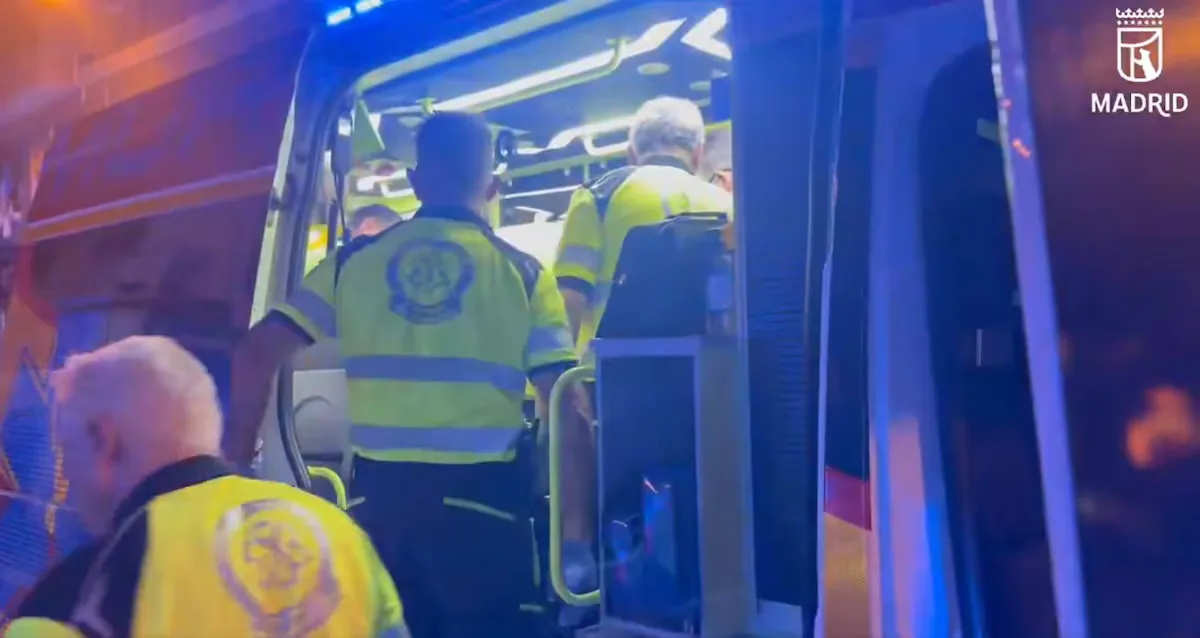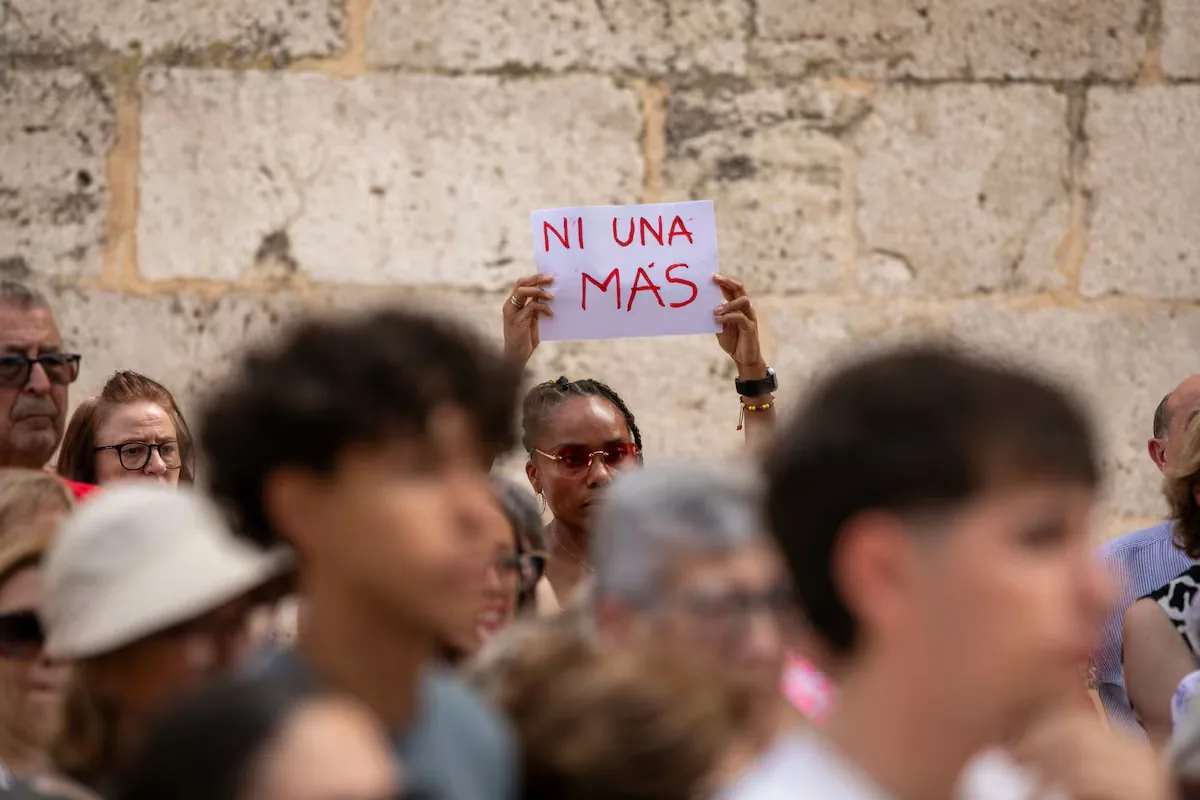






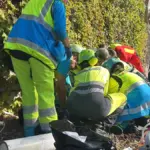


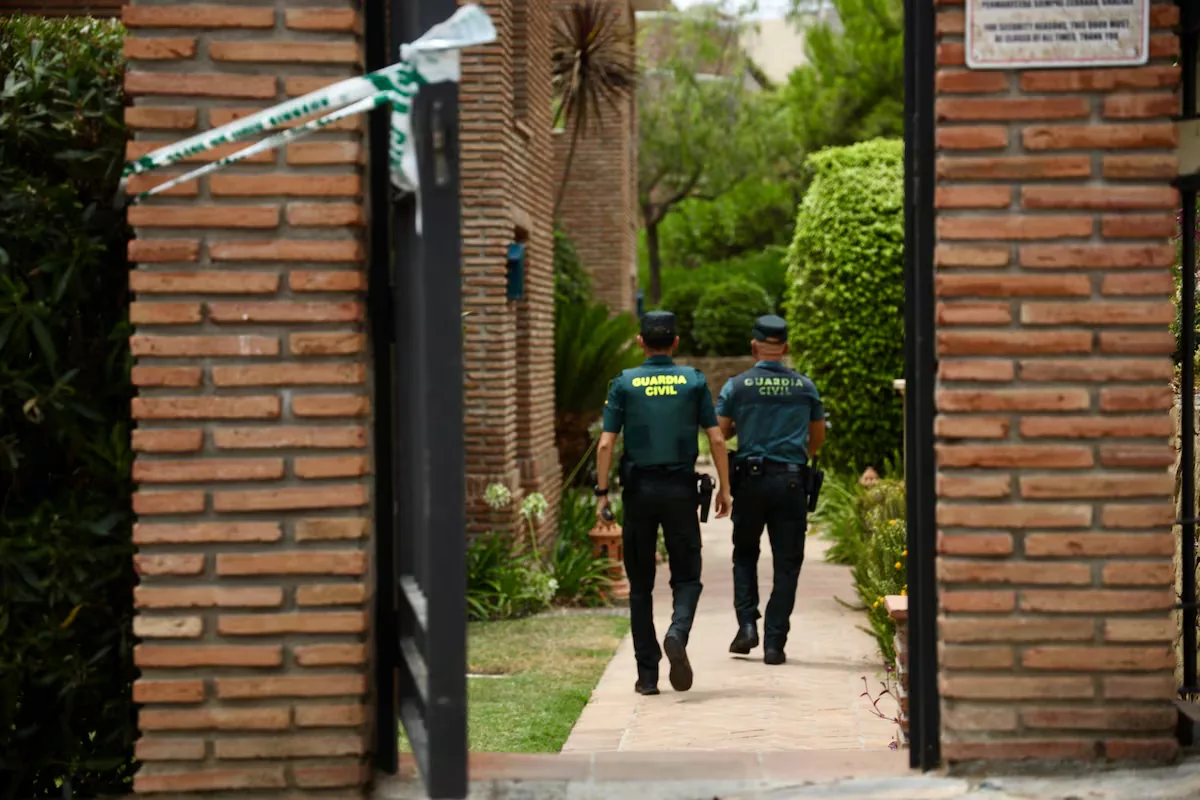
Three murders in less than 24 hours, from Monday morning to this Tuesday morning. First, it was in Antequera (Málaga): the National Police quickly connected a man’s suicide with the discovery of a woman’s body with stab wounds. At 05:16 AM this Tuesday, the 112 Emergency Service of Castilla-La Mancha received a call from Alameda de la Sagra (Toledo): another woman was found, impossible to revive, also with stab wounds. And the same happened shortly after in Benahavís (Málaga): a neighbor’s alert led to the discovery of a third woman’s body in her home, with a stab wound to the neck. The first two cases have already been confirmed by the Ministry of Equality as sexist crimes; and the third, in Benahavís, is being investigated as gender violence, although the aggressor is still being sought.
Read more The Guadalajara fire shoots up the burned area in Spain after a disastrous start to July
It is the first cluster of this summer, the first group of femicides to be given this technical name when three or more occur within a two to five-day window. And they are usually more common in summer and, in general, holiday periods. July is, in fact, the month in which most occur. In the historical series, since 2003, 144 of the 1,372 officially confirmed cases are registered; followed by June, with 128, and then August (120) and January (119).
Given this latest cluster of crimes, the Ministry of Equality has convened a crisis committee for next Tuesday. There, they will analyze the cases together with the Ministries of Justice and Interior and the competent institutions on violence in the autonomous communities, especially those in which there were previous complaints, something that has occurred in two cases in this cluster.

The 29-year-old woman murdered by her partner in Antequera, and his subsequent suicide —which occurs in one out of five gender violence murders—, happened at a very specific moment: one week after the judicial measures in place had expired. She reported him in November 2023, and both, Spanish nationals, entered the VioGén System, which monitors victims of sexist violence, and a restraining order was imposed. She remained under the protection of the local police. Just seven days ago, “by mutual consent,” those measures ceased, according to sources close to the case. They had two children, aged four and seven.
Miguel Lorente, former Government Delegate against Gender Violence, points to this “perversion of the system” that accepts such a request from a woman with a restraining order. He explains, “it is a woman who, on the one hand, already represents 10% of the victims of sexist violence [it is estimated that one in ten report it] and, on the other hand, of that 10%, represents 20%, who are those subjected to violence so severe that a judge decides to activate measures.”
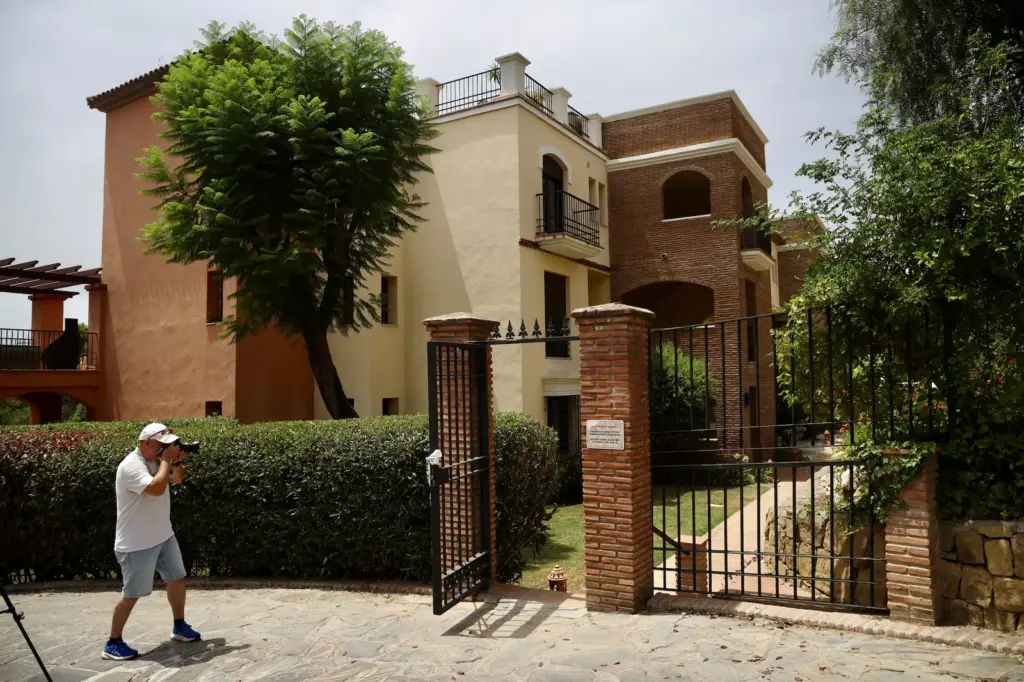
The other case that institutions already had on record was that of Benahavís. The woman, 45 years old and Hungarian, was in VioGén, although her case “was no longer active,” according to sources close to the investigation, who do not specify at the moment the dates of entry and exit from the system, the reasons, or whether her current partner is the same one she reported at that time and who is now being sought.
It is only known that someone called emergencies this Tuesday to report that there might be a dead woman in a house because they had heard a very loud scream, there was a lot of blood, and they had seen a man leave in a car precipitously.
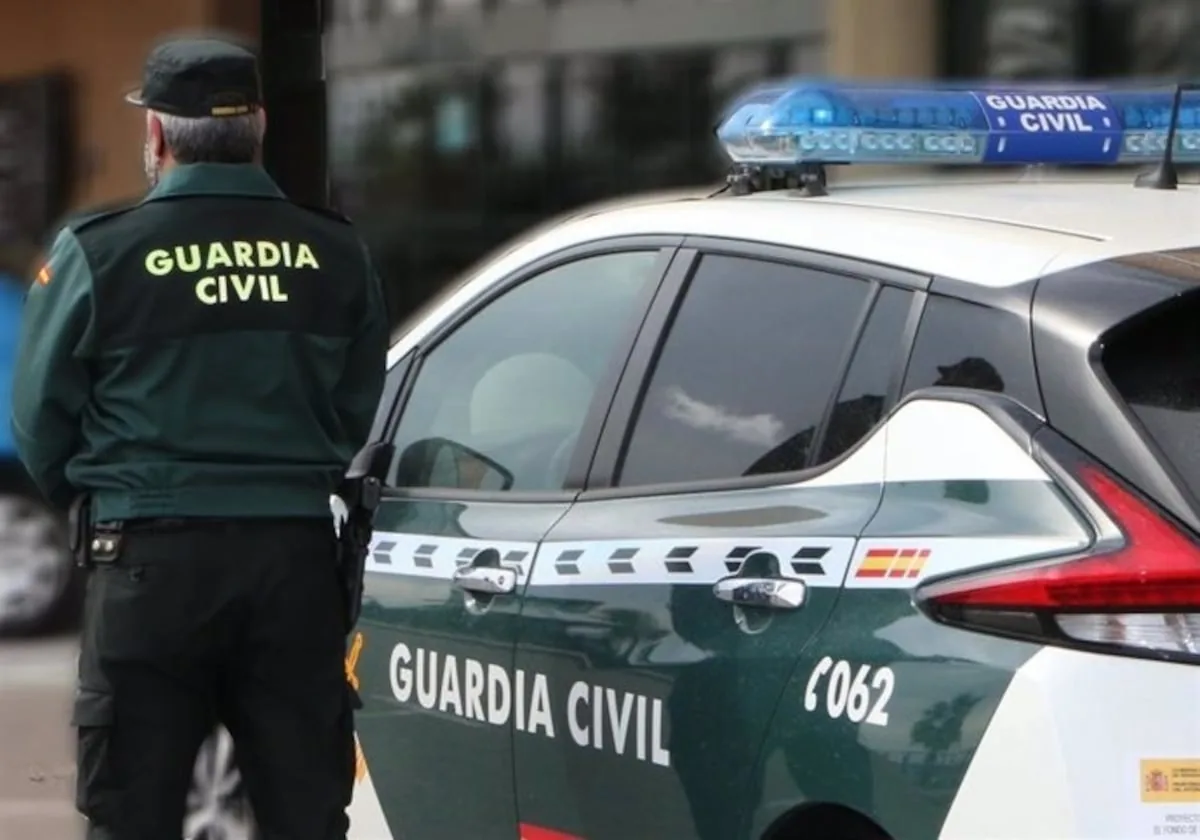
The crime in Alameda de la Sagra is the only one where there were no previous complaints, which is the most common. Women fear the aggressor, for themselves or for their children, or fear not being believed by institutions. Of the 1,372 femicides by partners or ex-partners recorded in statistics since 2003, only 306 had a previous complaint, 22.3%. In that Toledo town, the Civil Guard has arrested the victim’s 48-year-old partner, who is hospitalized because, according to sources close to the case, he also had stab wounds, in what is believed to have been an attempted suicide.
She, Ecuadorian, like the alleged aggressor, was 45 years old, had three sons and one daughter, who was the only one no longer living in the house. The other three, aged 26, 23, and three, were present. There is no information yet on whether all four were children of both. This minor, along with the two orphans from the Antequera crime, have already entered the official statistics: there are 20 minors this year, and 530 since 2013, when the official count began. “Orphans of terrorism, which is what we must assume sexist violence is,” says Sara Simón, the Minister of Equality of Castilla-La Mancha, who will attend the minute of silence convened this Wednesday in that town of 4,350 inhabitants where the family moved in May.
The context of the murders
Regarding “what happened” for this accumulation in less than 24 hours, Lorente, a forensic doctor and member of the Observatory of Gender Violence of the General Council of the Judiciary, reminds that the only reason a femicide occurs is the sexism of the men who commit them. It is possible, however, to analyze the external and internal factors of the crimes and see if there were triggers, elements that at a given moment can sharpen the violent reaction of sexist aggressors.
Among the most studied? Alcohol and drugs. And indirectly, heat, and also sporting events. All issues that have been present in the last 48 hours, especially in Spain, winner of the World Cup, but which in no case argue, explain or justify violence. They are, Lorente repeats, elements to review, but which cannot be directly related to the information available at this moment, with the murders of the last few hours.
Having made the “important” nuance, the former government delegate elaborates on them. On the one hand, alcohol and other “social stressors” that “disinhibit and can make violence more explosive.” On the other hand, heat, which the forensic expert limits. For the moment, studies on how it affects violence have not yielded absolute certainties: “It is more related to the consequences it has on people, such as greater fatigue or irritability,” he explains.
Summer also coincides, the forensic expert points out, with a time when “coexistence dynamics change”: many people go on vacation and “greater conflict can arise from care decisions or travel.” Also, “other people, whether family or friends, can interfere, and this can lead to aggressors feeling that they are losing absolute control over women or children, which is what they want to maintain at all costs,” he adds.
Finally, there is the factor of sporting events and how they impact gender violence. There has been scientific literature for decades. And, every time, for example, a World Cup is approaching, some countries carry out prevention tasks. For this last one, UN Women and UNICEF launched a campaign in May: Violence against women is not part of the game. They had calculated that during these matches, calls to emergency lines shot up by up to 30%. This percentage coincides with studies in the United Kingdom, which, along with the United States, is where this issue has been most analyzed.
As early as 2014, a study by Lancaster University, which analyzed data from Lancashire Police corresponding to three tournaments held between 2002 and 2010, found that violence increased in that county by 38% when the English team played and lost, and by 26% when they won or drew. And they observed “a residual effect, with an 11% increase in domestic violence incidents the day after an England match.” And one of the most recent, from 2022, a systematic review of 1,445 investigations on this issue, pointed out that there are factors that can interfere, such as the specific sport, or the country, or “the possible significant rivalry between teams and the importance, or emotional relevance, of the game.”
In any case, Lorente reiterates: “The sole perpetrator of a gender violence murder is the man who commits it, and the sole motive is sexism.”
The 016 helpline assists victims of sexist violence, their families, and their environment 24 hours a day, every day of the year, in 53 different languages. The number is not recorded on the phone bill, but the call must be deleted from the device. You can also contact via email 016-online@igualdad.gob.es and by WhatsApp at 600 000 016. Minors can contact the ANAR Foundation helpline 900 20 20 10. If it is an emergency, you can call 112 or the National Police (091) and Civil Guard (062) phone numbers. And if you cannot call, you can use the ALERTCOPS application, from which an alert signal with geolocation is sent to the Police.
Read more France becomes the first European country to ban social media access for children under 15