
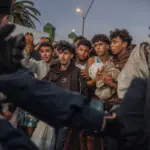

Last Sunday night, at nine o’clock, the World Cup final was played. Spain beat Argentina. And while hundreds of thousands of people celebrated the victory in bars, streets, and homes, calls to 016, the helpline for gender-based violence, began to rise. Data accessed by this newspaper reflects that the time slot with the highest increase was from eleven at night on that Sunday to seven in the morning on Monday: they grew by 120.8% compared to the same time the previous week.
Read more Earthquakes in Venezuela caused damage valued at 19.6 billion dollars, according to the World Bank
While on Sunday, during the day, there were fewer calls to that helpline than on previous Sundays of the month, the trend began to change as soon as the match ended and throughout Monday, which saw that peak during the early morning hours; overall, counting the entire day, the increase compared to the previous Monday was 21.9%.
The percentages —absolute numbers have not been provided— grow even more in two other channels of this support service that the Ministry of Equality makes available to victims, their families, and their communities. The one that rose the most was email [016-online@igualdad.gob.es], which, according to information provided by that institution, increased by 1,000% compared to the previous Monday; followed by the online chat, which increased by 60%. And the channel with the smallest increase in inquiries was WhatsApp [600 000 016], which increased by 8.75%.
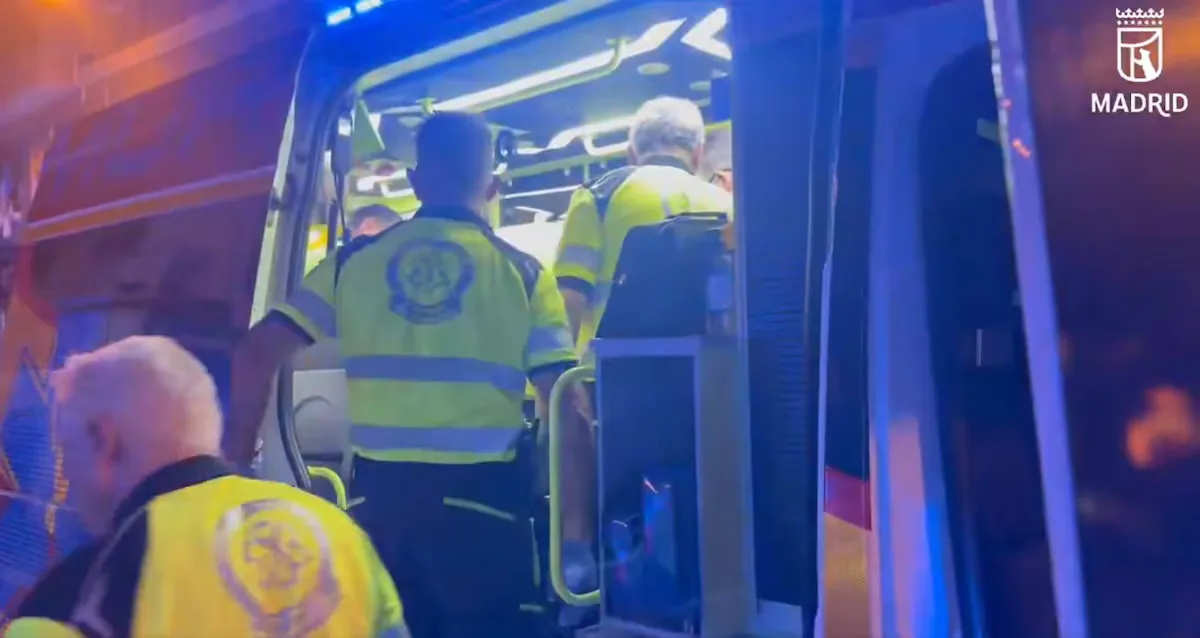
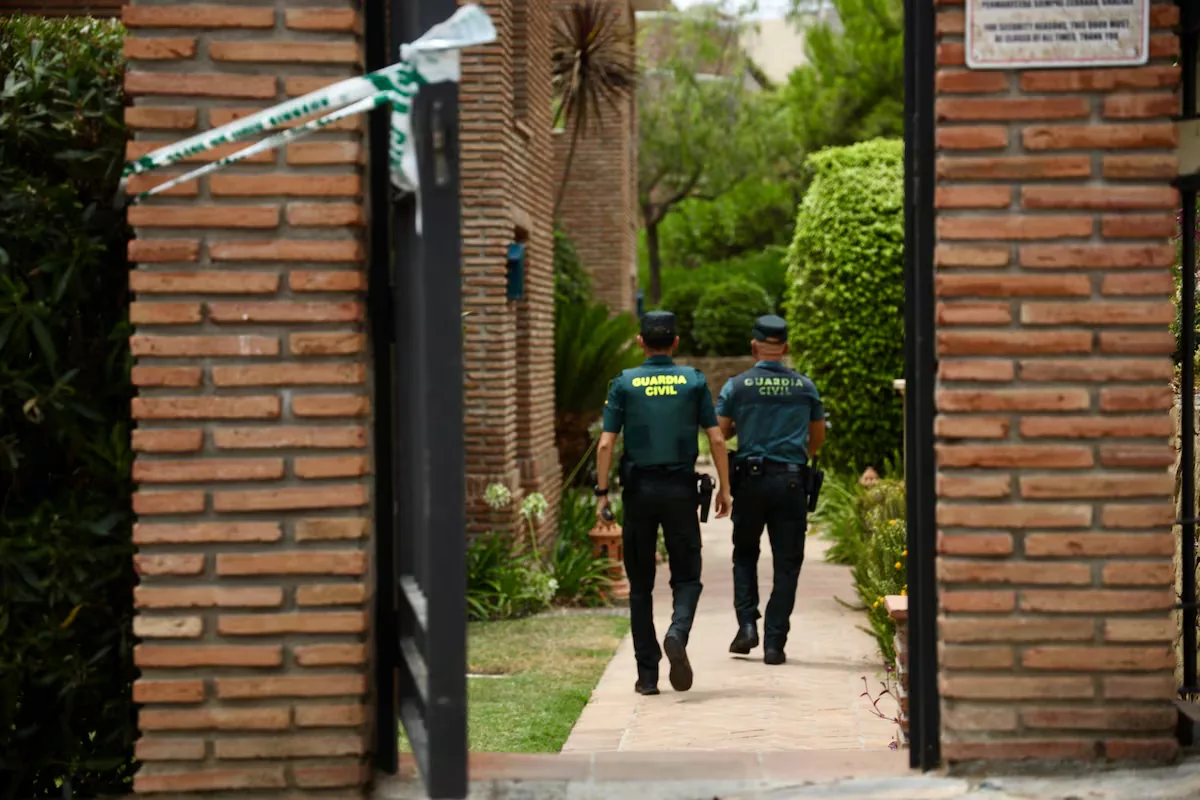
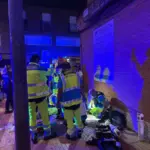
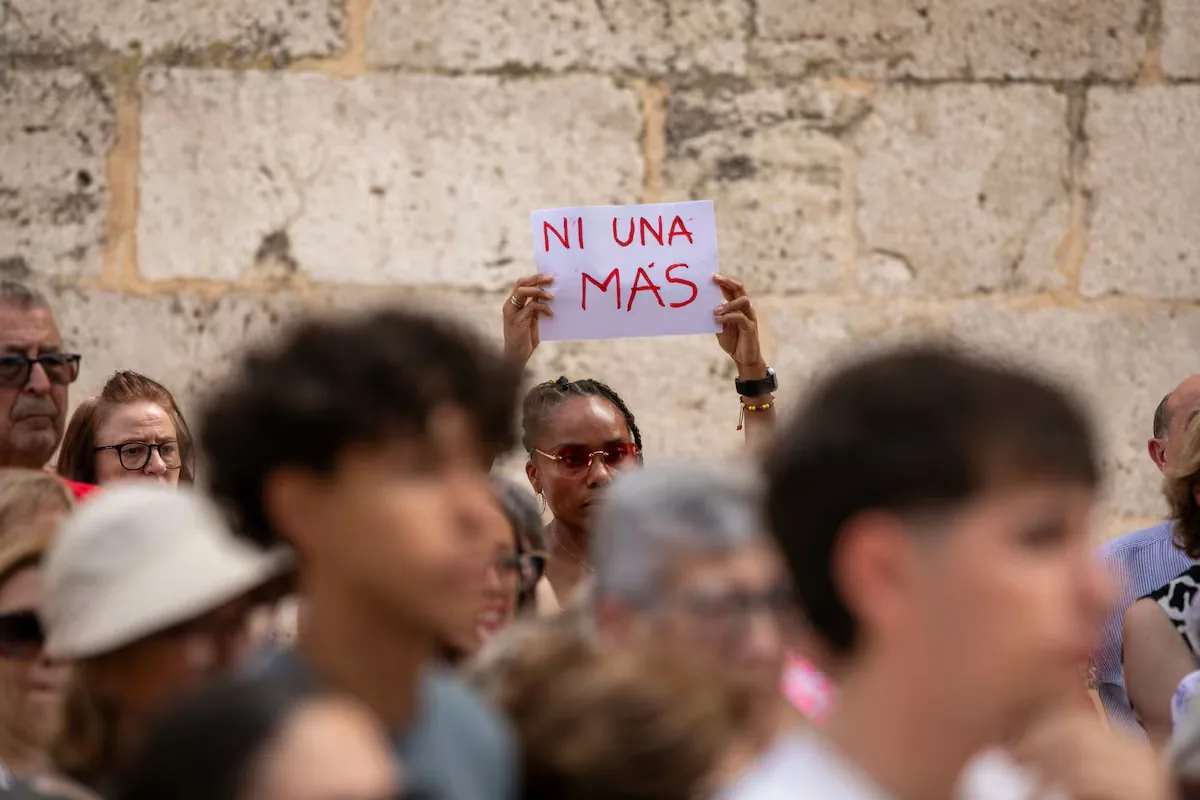
The increase across all services offered by 016 reflects the relationship between gender-based violence and World Cup celebrations that experts have highlighted in recent days. This link emerged in the debate in Spain this Tuesday, when in less than 24 hours, two gender-based crimes had occurred, in Antequera (Málaga) and Alameda de la Sagra (Toledo); another still being investigated as femicide outside the scope of a partner or ex-partner, in Benahavís, also in Málaga; and a fourth in Almoradí (Alicante) which, despite initial indications, was eventually ruled out as gender violence.
What led to this connection, which is not new? Although it has not yet been studied in Spain, other countries, especially the United States and the United Kingdom, have been doing so for years with consistently similar results. This year, in fact, UN Women and UNICEF launched a campaign in May: Violence against women is not part of the game. They had calculated that during matches like those about to be played for the World Cup, calls to emergency lines would skyrocket by up to 30%.
In the United Kingdom, these campaigns have been running for years. In 2014, Tender, an English organization against gender-based violence, created an advertisement showing a woman fearfully awaiting the result of England’s match in that year’s World Cup in Brazil. At the end of the ad, this text appeared: “No one wants England to win more than women. Gender-based violence increased by 38% when the English team was eliminated from the World Cup.”
That year’s campaign stemmed from a study by Lancaster University, which analyzed data from Lancashire Police corresponding to three tournaments held in 2002, 2006, and 2010. “After controlling for the day of the week variable, domestic violence incidents increased by 38% in Lancashire when the English team played and lost, and by 26% when they won or drew, compared to days when there was no England match. A residual effect was also observed, with an 11% increase in domestic violence incidents the day after an England match.”
Read more Trump now says that the nuclear deal with Saudi Arabia requires normalizing relations with Israel
And in 2022, a systematic review of research conducted up to 2020 on the relationship between major sporting events and gender-based violence was published. In that analysis, the researchers noted that “the relationship between sports culture and violence against women is widely recognized,” and that “sport is perceived as a gender-biased activity, exemplifying hegemonic masculinity and associated violence.”
In the conclusions, they pointed out the “scarcity of studies” outside the United Kingdom and the United States and the “heterogeneity” of the 1,445 they had analyzed; and that further research was necessary because the results suggested “that it is not just a major sporting event that is associated with an increase in gender-based violence,” but that there are specific issues for each particular sport or country, which can lead to this increase. Also, that it could be related to “the possible significant rivalry between teams,” for example, and “the importance, or emotional relevance, of the game.”
To that emotional importance that the game can have for many men, a few days ago, Miguel Lorente, forensic doctor and former Government delegate against gender-based violence, added another factor, also widely studied and analyzed. Alcohol, something also linked to these celebrations, which the expert explained as a “social stressor” that “disinhibits and can make violence more explosive.” In any case, he concluded, regardless of how sporting events are celebrated or not, alcohol or other toxic substances are only factors that can interrelate with violence, but “the sole perpetrator of a gender-based violence murder is the man who commits it, and the sole motive, machismo.”
So far this year, 31 women have been murdered by their partners or ex-partners. Since official statistics began in 2003, there have been 1,372 women. And this year, 20 minors have been orphaned by this violence, and 530 since 2013, when official counting began.
The 016 helpline assists victims of gender-based violence, their families, and their communities 24 hours a day, every day of the year, in 53 different languages. The number is not recorded on the phone bill, but the call must be deleted from the device. Contact can also be made via email 016-online@igualdad.gob.es and via WhatsApp at 600 000 016. Minors can contact the ANAR Foundation helpline at 900 20 20 10. In an emergency, you can call 112 or the National Police (091) and Civil Guard (062) phone numbers. And if you cannot call, you can use the ALERTCOPS application, which sends an alert signal to the Police with geolocation.
Read more The CNMC imposes a fine of 4,000 euros on ‘influencers’ Ibai Llanos, Jordi Wild and Nachter