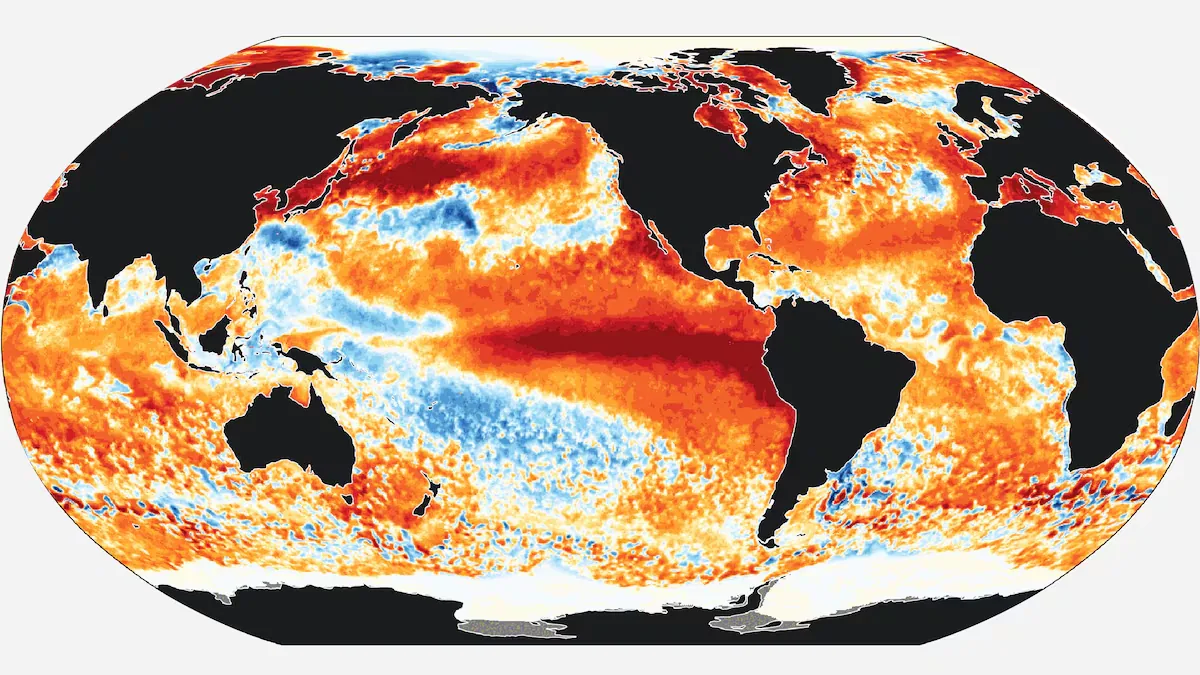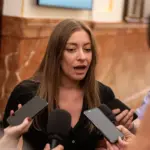
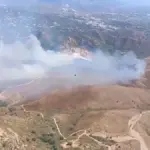
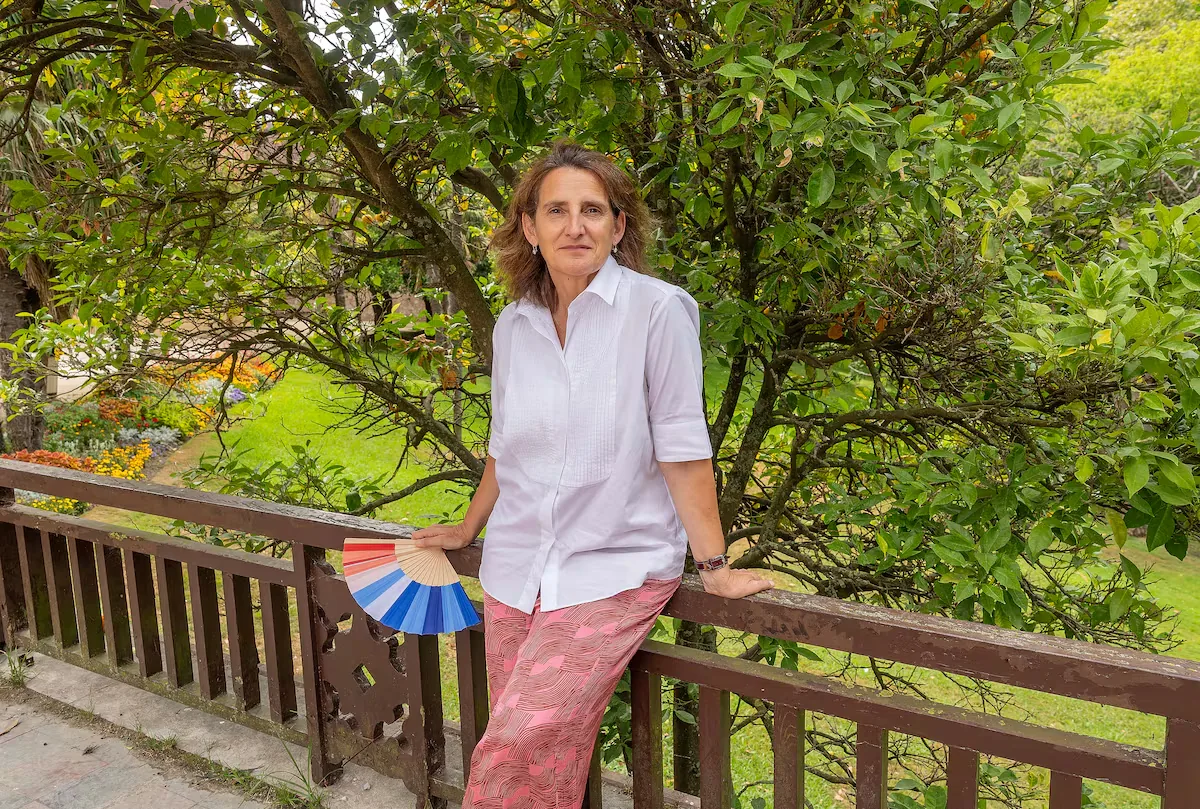
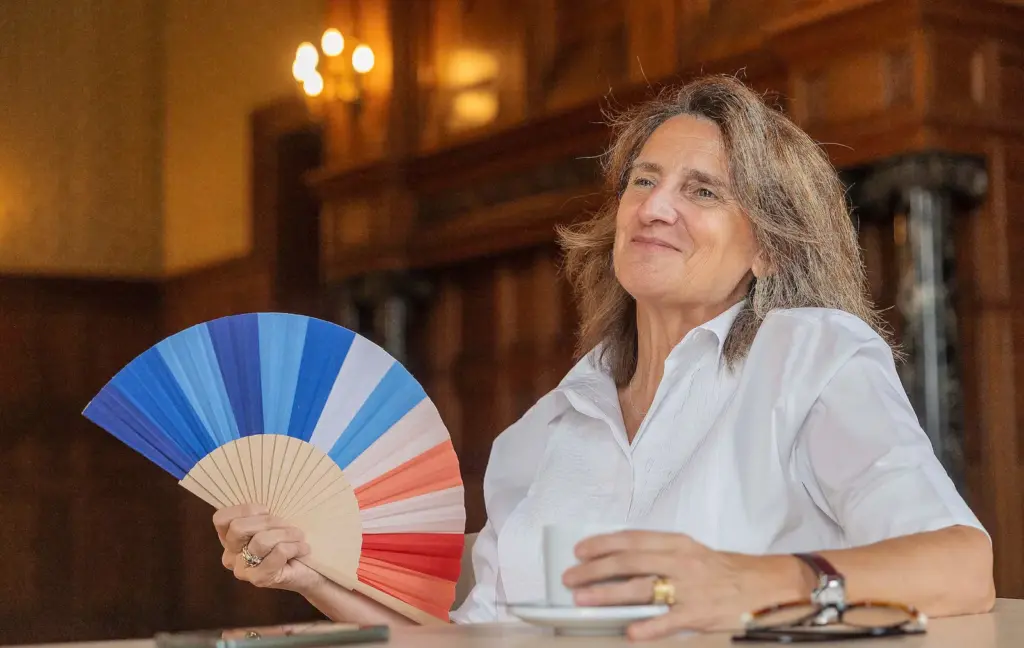
Teresa Ribera (Madrid, 57 years old) spends a good part of the interview fanning herself during another summer day in which Europe becomes aware of the climate crisis through heatwaves and flames. The fan wielded by the European Vice-President for a Clean, Just and Competitive Transition is no ordinary fan. It comes from her time as a minister under Pedro Sánchez. And it has printed on it the famous barcode devised by Ed Hawkins to show the annual evolution of warming. We, humanity, are now in the red tones, that is, at record temperatures. This means fuel for heatwaves, premature deaths, uncontrollable fires… The interview was conducted early last week in San Sebastián, where Ribera participated in a summer course at the University of the Basque Country, and was updated by phone this Sunday given the magnitude of the fires in Spain and France.
Answer. Is Europe prepared to face this climate emergency?
Answer. Europe is not prepared for the consequences of climate change that we are already seeing. And we have felt that in recent weeks, with collapsed railway and electrical systems, with overwhelmed hospital emergency rooms, with a lack of conditioning for extreme temperatures in buildings in most northern cities… In February, the Commission adopted an important package on fires, a problem that not many years ago was exclusive to Southern Europe. The pooling of response services has developed since the Guadalajara fire in 2005 and the creation of the UME in Spain. But also the capacity to activate civil protection mechanisms and greater coordination at European level. And since then we have made a lot of progress, but we are still clearly unprepared for a reality that is not only terrible, but also profoundly unjust from a social point of view.
Q. And what does the Commission propose in the face of this lack of preparation?
A. The Commission has to approve a strategy and a communication on climate change adaptation in October. It is a much deeper and more transversal update than the policies implemented so far. It is a complex exercise and the first issue to avoid is criminal denialism by certain political forces at European level who think that by hiding or denying the problem it will be resolved or dissolved. The report presented by the Scientific Advisory Council on Climate Change in February will be important in the strategy, reminding us that given that Europe is warming more than the average of the continents, we need to activate a transversal adaptation policy. The report pointed out a fact that surprises me has gone unnoticed in the public debate: Europe must prepare for scenarios of between 3 and 4 degrees above the pre-industrial average temperature by the end of the century.
Q. What does an increase of between 3 or 4 degrees mean?
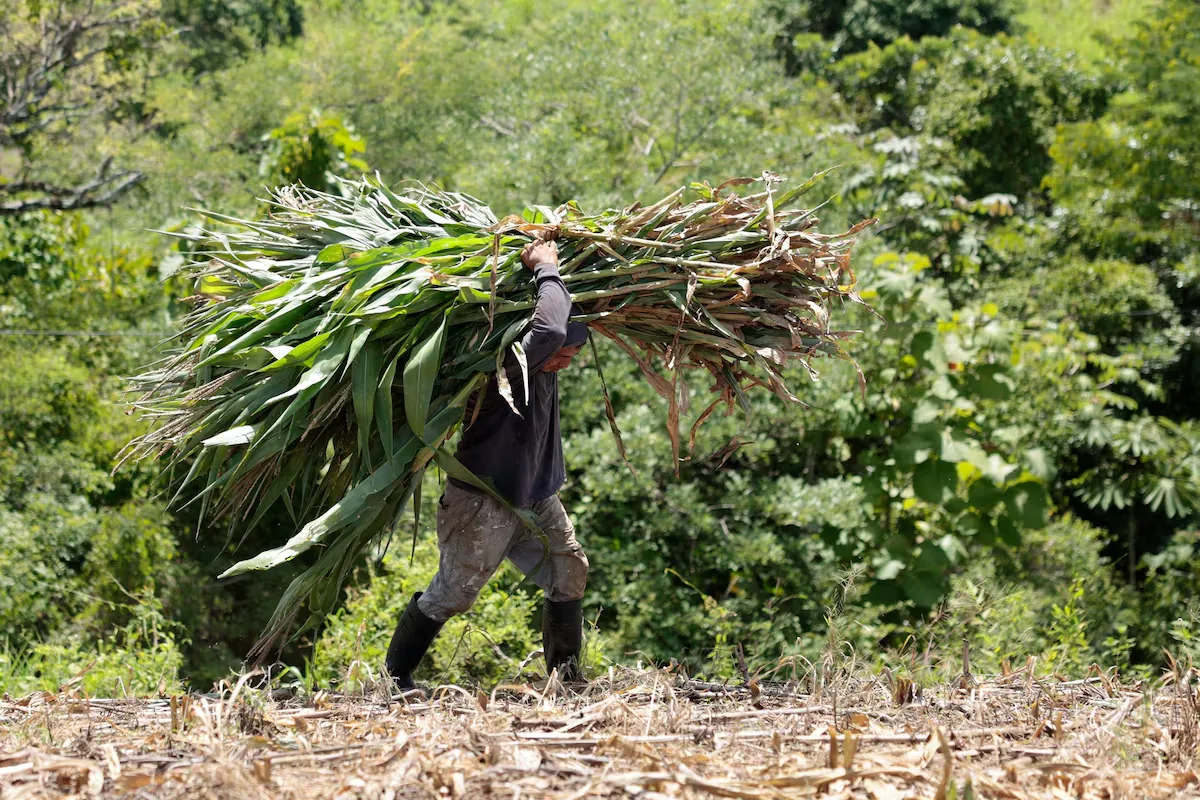
A. It means a very significant reduction in agricultural yields, much greater pressure on living conditions in urban areas, a very significant increase in the risks of large fires and the probabilities of extreme weather events like the one we experienced in Valencia on October 29, 2024. In this context, dismantling all public alert, prediction, knowledge, preparation, and reaction systems is an outrage that threatens the safety of citizens. We must be aware that they are neither “chiringuitos” (beach bars/informal setups), as some say, nor is the problem solved with an air conditioning unit. Extreme episodes are occurring with increasing frequency. We see this in the virulence of enormously aggressive fires that are much more difficult to control. The data offered by insurers and reinsurers indicate that only 25% of the damages that materialize in Europe have some kind of insurance coverage system. What does someone do who does not have the capacity to cover that insurance? Will the State cover it or will we experience social injustice?
Q. Is the Commission going to force insurers to truly assume the risks of climate change?
A. We still have some open questions that are subject to internal debate. For example, to what extent the strategy will have mandatory criteria that must be incorporated in all Member States. One of the major recommendations that we consider essential is that all public policies, especially those related to energy, water, health, infrastructure, and urban planning, incorporate climate scenarios from the outset. For example, the positive deployment of renewable energies must be prepared for the risk of extreme temperatures or floods. The next big question is how to finance this resilience capacity. This investment in resilience is much cheaper than waiting to face the costs of climate change impacts. But it requires a very significant initial investment, and that, in part, can be covered by public budgets, but it must also be covered by private actors. That is, how are the financial systems built that allow us to do this? It is still an open debate.
Q. Is the Commission’s objective to shield climate change adaptation from this “criminal denialism”?
A. To a large extent, it is one of the objectives pursued. It is very dramatic that the richest continent in the world is not only unprepared to face the great challenge that climate change represents, but that in its territory there are still denialist activists who boast about hiding reality, dismantling science, dismantling public services, or undoing resilience policies. So it is crucial to have this common European umbrella to guarantee stability.
Q. Tens of thousands of citizens have been evacuated due to uncontrolled fires in Ávila, Madrid, and Castellón, as well as in France. What lesson should Europeans learn?
A. That we are not prepared, as I said before. This truly is the national priority; we must work on security scenarios where our economic system, our protection for people and society, incorporates different climate scenarios. It is true that the issue of fires has a lot to do with land use, forest management, biodiversity, and the sufficient provision of prepared professional and human resources. Everyone must work within their own competencies, which, by the way, also include responding to the hoaxes circulating, such as that it is forbidden to clear forests. It is true that the forest mass has increased, and we know that if it is not well managed during episodes of extreme temperatures and drought, vegetation can become flammable material. That is why we need to think about what happens with the depopulation of our rural areas, what happens with agricultural practices, what happens with the prudence of neighbors, what is done 365 days a year in the territory.
Q. Every time there is a large fire, the far-right claims that the forest is not cleared because green or climate policies prevent it.
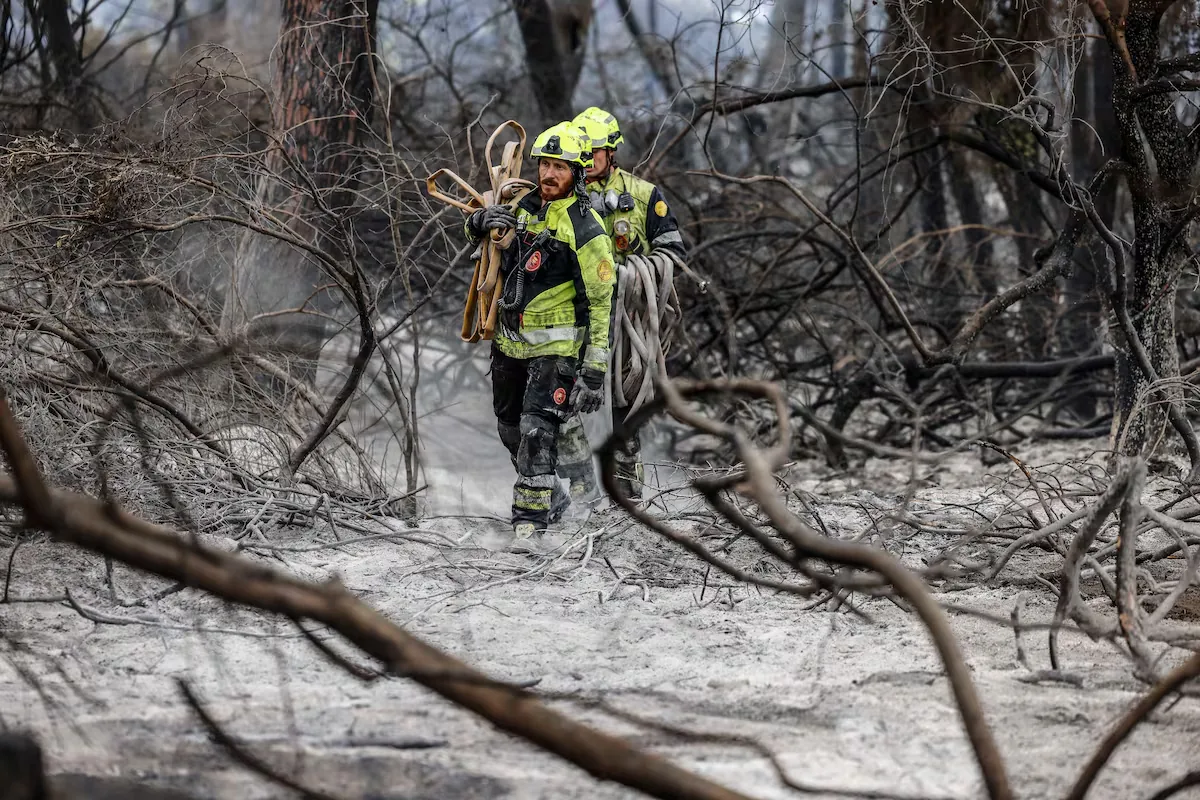
A. I am surprised by the painful capacity of the far-right to invent, criticize, undo, generate dangerous situations, and then blame others. The Forest Law expressly determines the obligation of forest owners to keep their land clear. The statutes of autonomy expressly determine the competencies of forest policy in the autonomous communities. There are communal forests that are owned by the municipalities. Therefore, this obligation to maintain the forest, which traditionally was also done with uses benefiting the neighbors, is fundamental and in fact forms part of any analysis that has been carried out since the beginning of this century on climate matters, also in the ministry and the Spanish Climate Change Office. Denying reality, data, insulting, and lying is an extraordinarily negative starting point that has disastrous consequences, even consequences of death and destruction as we are seeing. It is very frustrating because the type of fires we are experiencing now has nothing to do with those of the past, which sometimes responded to more or less uncivil behavior or even border disputes. This has nothing to do with that. These are fires that take on a life of their own and are much more difficult to manage, much more dangerous, as we have seen in this urban-rural interface. We see it in France, with the fire at the gates of Bordeaux, or the concern for much more densely populated areas, near Madrid. We have seen how in a well-managed area, such as the immense surface that has burned in the Sierra Norte de Guadalajara, the fire has had an enormous speed of expansion and growth. We are facing phenomena that are tremendously worrying. Climate change kills, destroys, and this is one of the most impactful faces it can present.
Read more A shooting in Seattle leaves two dead and five injured during a food festival
Q. Spain and France have requested the activation of the civil protection mechanism for other States to provide assistance, as is happening. Does this mechanism need to be strengthened?
A. It is a security and civil protection system that has been strengthened since its creation in 2001. We see that fire scenarios, which until relatively recently were mainly a reality in Southern Europe, are increasingly present further north. We also see how flood and disaster scenarios are also becoming more geographically distributed. We understand that beyond the essential resources that each territory must have, it is crucial to have a solidarity reinforcement provision among us. For example, we saw this with the first joint purchase of Canadair firefighting planes two years ago. This strengthening of the joint response is fundamental. It is also about building Europe. Spain is accustomed to contributing to these efforts when called upon by the European mechanism. And, evidently, it is infinitely grateful when other countries, such as Italy, Greece, Turkey, or Germany, offer their resources to help.
Q. What do you think of the agreements between the PP and Vox in some communities that include attacks on the green agenda and the climate fight?
A. It causes me great sadness and great surprise. I believe that Miguel Arias Cañete [from the PP] was a good Climate Commissioner and understood that it is one of the great challenges of our time. Angela Merkel [former German Chancellor] is the benchmark for European conservative policies and was a strong believer in climate matters. Trying now to discredit climate action is very worrying. It does a disservice, first and foremost, to farmers, who are on the front line of suffering the effects of climate change.
Q. You haven’t mentioned Ursula von der Leyen, who promoted the Green Deal in the last legislature. Has the President of the Commission perhaps lost a bit of climate momentum?
A. I have mentioned two references who are not in active political life. I could have included Connie Hedegaard, from the Danish conservative party, who said: I am a conservative because I want to preserve this world for my descendants. Ursula von der Leyen has been and continues to be a woman enormously committed to the green agenda. I believe she is experiencing a complex situation from the perspective of her political family, which has very different views, and that is not easy. But she is firmly committed to climate action at the institutional level and to finding the best solutions in a European Parliament that has shifted enormously to the right and is much more fragmented than it used to be.
Q. What do you think of the debate in some European countries about air conditioning and climate change?
A. In the current context, having or not having air conditioning becomes a public health problem, just like heating in low-temperature scenarios. What we must find are systems, technologies, that do not imply an increase in greenhouse gas emissions. This affects energy consumption and the management of fluorinated gases and their alternatives. But it is very difficult to think that school performance or people’s health can depend on whether one has the ability to pay or not.
Q. You knew the former deputy director of the ministry, Eugenio Domínguez, who is at the center of the Forestalia case. What do you think of this case that affects the safeguarding of the environment during the renewable boom?
A. I believe we have to wait to see how the entire judicial process unfolds. I am aware of the ministry’s full willingness and cooperation in providing information. But I found it extraordinarily surprising and sad, because I did indeed know this gentleman. He had been deputy director since the time of Isabel García Tejerina, but before that he had been a technician in that sub-directorate almost since the time of Isabel Tocino [both from the PP]. That is to say, he is a gentleman who has always been in the ministry, and I could never have imagined that something like this could happen. But I would add another thing: I have the highest regard for all the technicians who work in environmental impact assessment. This is an extraordinarily unfortunate and unfair example, because it calls into question the work of top professionals. It is no excuse. That is, if someone abuses their power, commits illegalities, and allows themselves to be bought, it is obvious that they have to end up in jail. But I believe that from there to extrapolating or generalizing, there is a world of difference, and we must be very careful.