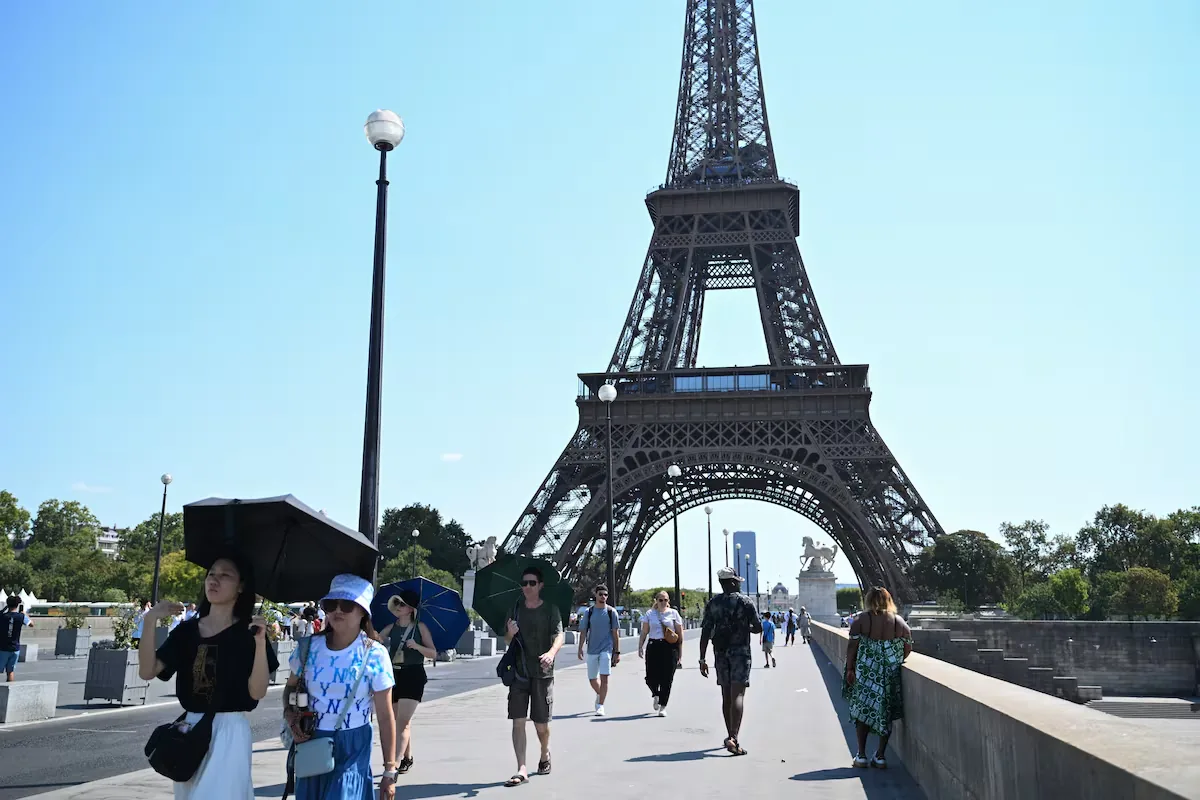









Despite the respite in temperatures in recent days and the fact that August is not yet over, the State Meteorological Agency (Aemet) has reported that it is “practically certain” that this summer 2026 will be the warmest in the historical series in peninsular Spain.
Preliminary data show that the average temperature this summer exceeds the average of the 1991-2020 reference period by 2.5 degrees. The numbers confirm what is already evident to most Spaniards, as warming continues to increase relentlessly. In fact, after this 2026, the second warmest summer is now 2025 (with a deviation of +2.2 °C above the average) and the third is 2022 (with +2.1 °C).
“Since mid-May, temperatures have been clearly above normal, except for brief periods in early June and late July and another somewhat longer period in late August,” the state agency said on social media, also forecasting that “the full summer heat will probably return at the beginning of September.”
Looking at statistics from the beginning of the year, from January to August, 2026 is also the warmest on record for all of Spain. Additionally, according to Aemet, with a wide margin over the second warmest year to date, 2024. Again, the data make it difficult to ignore global warming, as since records began in 1961, the five warmest years between January and August are 2026, 2024, 2025, 2022, and 2023.
Read more Let the people not decide
“The key is that this is not an isolated summer, but a climate change that is causing summers to start earlier and be more intense, with heat waves covering practically the entire summer season,” explained Rubén del Campo, Aemet spokesperson, a few days ago.
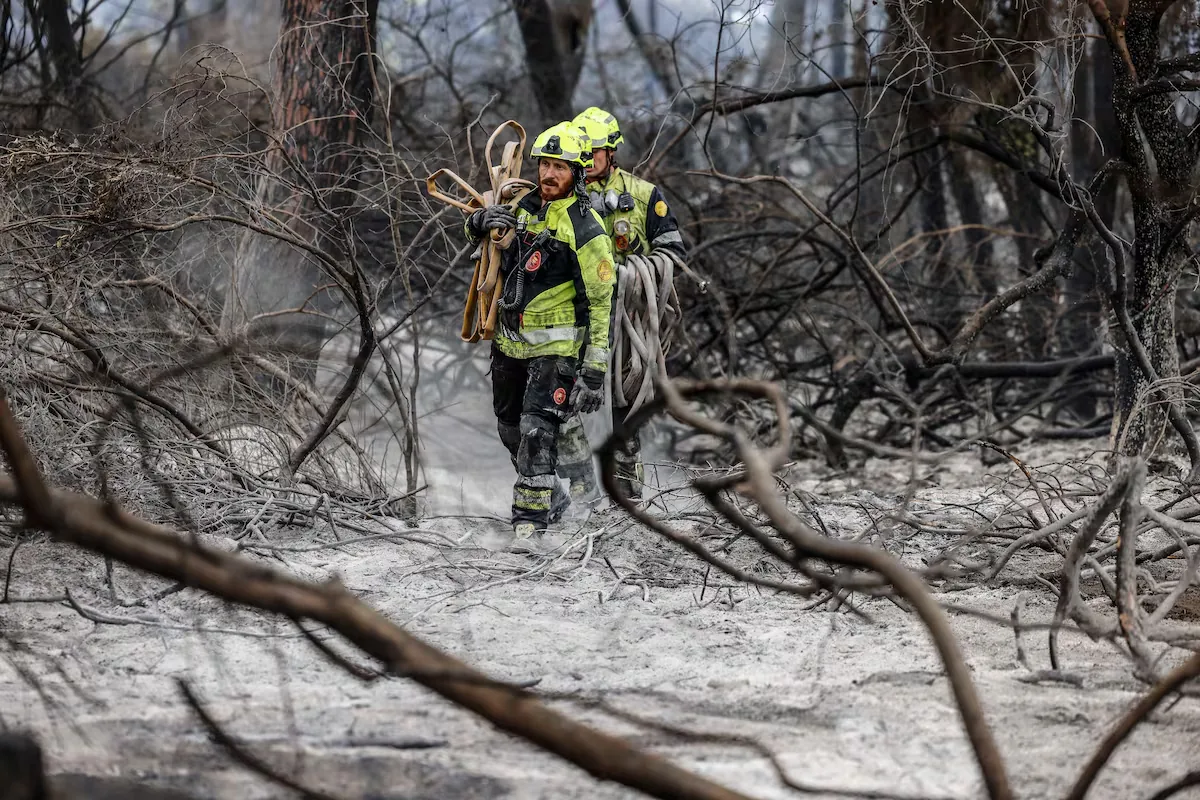
As seen in recent summers, this not only translates into having to endure more extreme temperatures for longer periods due to the extension of the hot months. This means increased risks to people’s health and ecosystems. In fact, 2026 is also proving to be a disastrous year for forest fires. Although heat does not ignite the forests and other factors such as the amount of vegetation are involved, it is clear that extreme temperatures have much to do with the increase in monstrous fires that are very difficult to stop. By August 18, more than 255,413 hectares of forest had already burned in the country, with the most affected communities being Castilla y León, with 62,867 hectares scorched; Andalusia, with 55,741; Castilla-La Mancha, with 39,083; and Aragón, with 33,400.
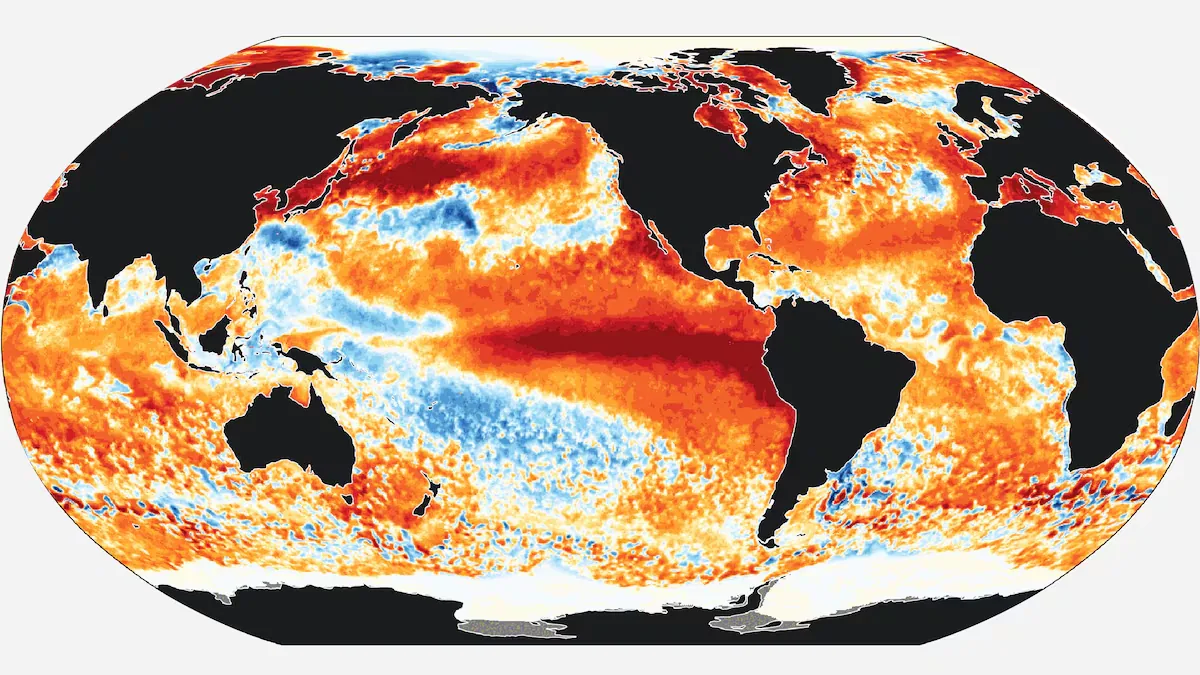
This summer, four heat waves have been recorded in the country, with the most extreme moments concentrated in July. These data recorded in Spain have also occurred while all of Europe is being significantly hit by extreme temperatures and a drought that has put much of the continent in emergency. Additionally, at the beginning of the week, the Copernicus Climate Change Service reported that on August 22, the planet’s oceans recorded the highest daily temperature since records began. And a buoy at Sa Dragonera, west of Mallorca, measured this summer the absolute record for sea surface temperature in the Mediterranean, 33.2°. All these records, which in 2026 are driven by the effect of an extreme Niño, represent an increased risk for the coming months.
Read more The unbearable hypocrisy surrounding AI