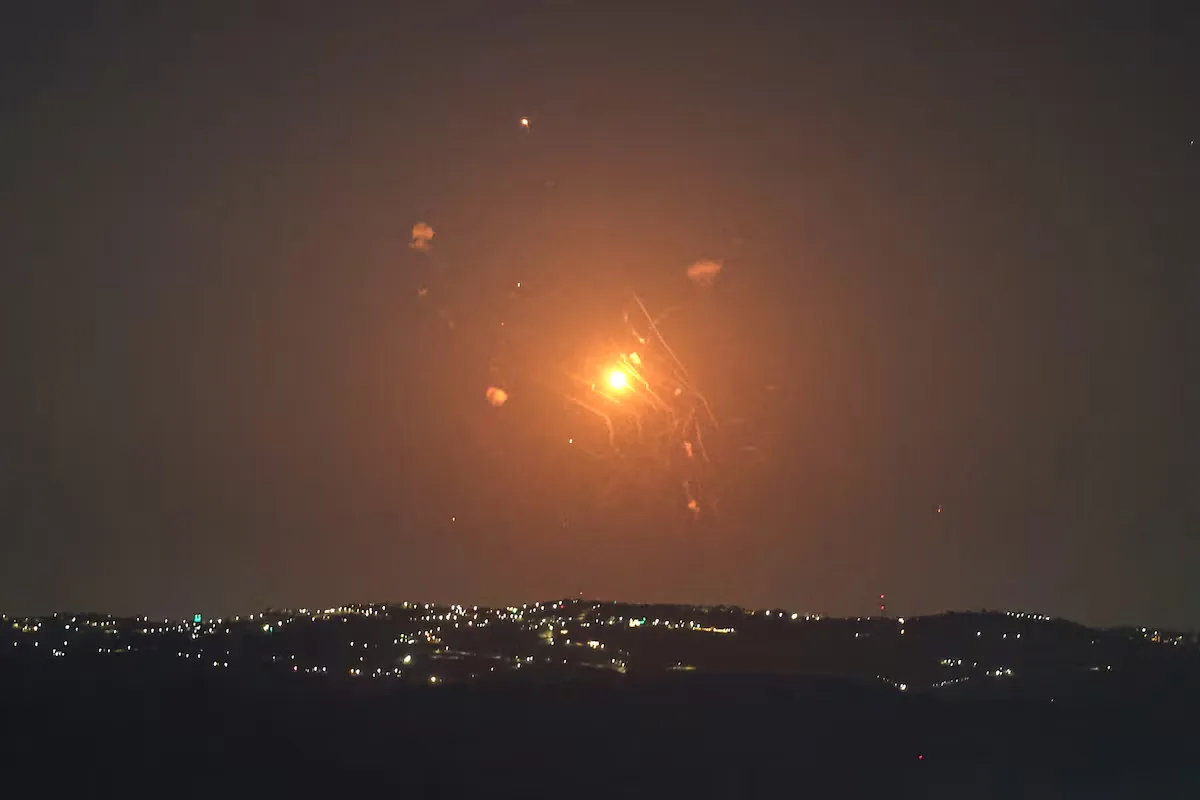








After 13 consecutive days of attacks on Iran, the United States has decided to take a breather to see if there is any opening to resume negotiations. The end of the truce in early July returned the conflict to its hottest phase, with uninterrupted attacks from Washington and reprisals from the Islamic Republic against the United States’ allies in the region. With the situation about to overflow and a barrel of oil that last week exceeded $100, President Donald Trump has hit the brakes. His ambassador to the UN, Mike Waltz, said late Sunday that the purpose was to give “some space” to the negotiations.
Read more Petro expels Angie Rodríguez from the Government after new corruption allegations
Friday night was the first without bombings, a situation of tense calm that has repeated itself the following two days. Despite everything, the Islamic regime denies that there are talks. And, much less, any kind of ceasefire.
The visit to Trump by Israeli Prime Minister Benjamin Netanyahu, which begins on Tuesday, will serve to gauge the level of understanding between the two leaders who started this war together and in which it is increasingly clear that they have divergent interests. In addition, Netanyahu is scheduled to attend the funeral of Senator Lindsey Graham, who died on July 11, and who was for decades a great Israeli ally in the corridors of American power.
Concern in Washington last week was evident. In a meeting on Friday at the White House, Trump discussed with his advisers the possibility of escalating the punishment and striking the enemy much harder. In recent days, four American soldiers had died, Houthi rebels allied with Iran in Yemen had joined the conflict, and the price of oil was signaling new inflationary tensions just over three months before the midterm elections. The Republican told Axios on Thursday that he was considering ordering a “huge attack, bigger than any before.” “I’m close to making a decision,” he added. But, in something that has already become a norm, the president has backed down again in a war in which there does not seem to be a defined strategy. The conclusion, in the end, was the opposite: instead of escalating the conflict, it has been decided to de-escalate it. At least for now.
The relative calm is already having effects on the markets. Last week was one of maximum concern, with a barrel of Brent that reached over $100 and several analysts warning it could approach $120. Now, things are calming down: Brent, the benchmark in Europe, is around $90, and West Texas, which sets prices in the United States, is about $83.
But no one guarantees that this calm will last. If there is one thing the two enemies agree on, it is that the current pause in attacks does not mean the end of the conflict. Ambassador Waltz insisted that Trump is still considering all options. “What the president is doing is giving some space to the negotiations,” he added on NBC’s Meet the Press program.
Read more A court of appeals keeps blocked the Trump order that sought to restrict mail-in voting in 23 States
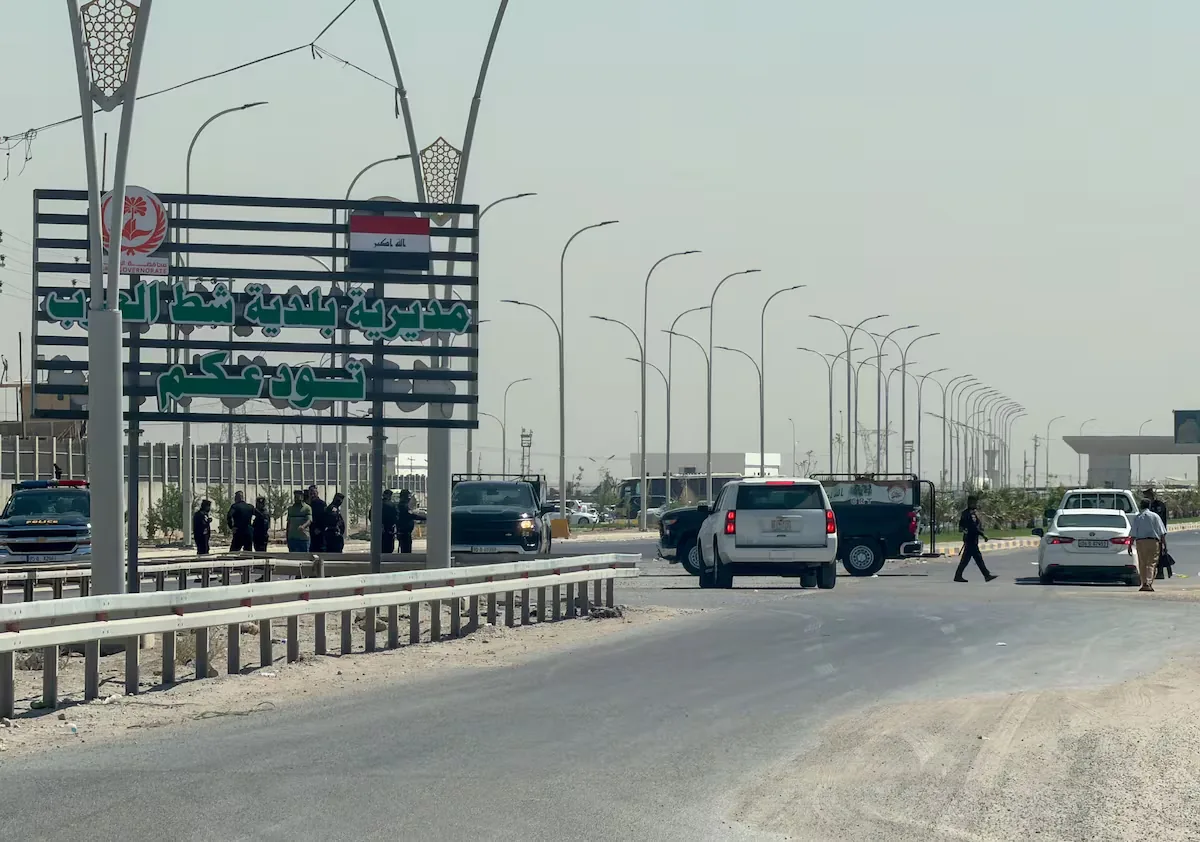
Trump has confirmed to Axios that he has stopped the attacks. Iran has also corroborated this, but does not go further. “What currently exists cannot be called a ceasefire,” said the Foreign Ministry spokesman, Ismail Bagaei, who added that Tehran would respond “reciprocally and forcefully” to any action from Washington. “We currently have no negotiations with the United States. The talks we hold are those in Oman, focused on establishing the necessary measures with the Strait of Hormuz,” he said, in statements reported by Efe.
18 dead and 600 injured
The Pentagon, which has faced criticism for trying to downplay these figures, announced a new counting system on Sunday. In an exercise of accounting creativity, the Department led by Pete Hegseth has removed from this list the casualties that occurred since July 7, the moment when the fragile ceasefire between the two parties broke and attacks resumed on both sides. Those casualties are now on a different website. But if the two lists are combined, the conclusion is that the U.S. military since the start of the war on February 28 has recorded 18 dead and about 600 injured of varying severity.
In Washington, they fear not only that the price of oil will skyrocket. Pentagon sources show growing concern over increasingly depleted arsenals, mainly due to the war with Iran, but also support for Israel and, in the past, Ukraine. According to NBC News on Friday, military officials are selecting which Iranian missiles and explosive-laden drones to intercept in an effort to preserve increasingly diminished weapons reserves. Military analysts estimate that to replenish the weapons inventory, the United States would need at least four years. Waltz responded to these concerns partly blaming the previous president, Democrat Joe Biden: “We need to take a step back and analyze the situation, as many reserves have been depleted. Not only because of what we delivered to Ukraine over the last four or five years.”
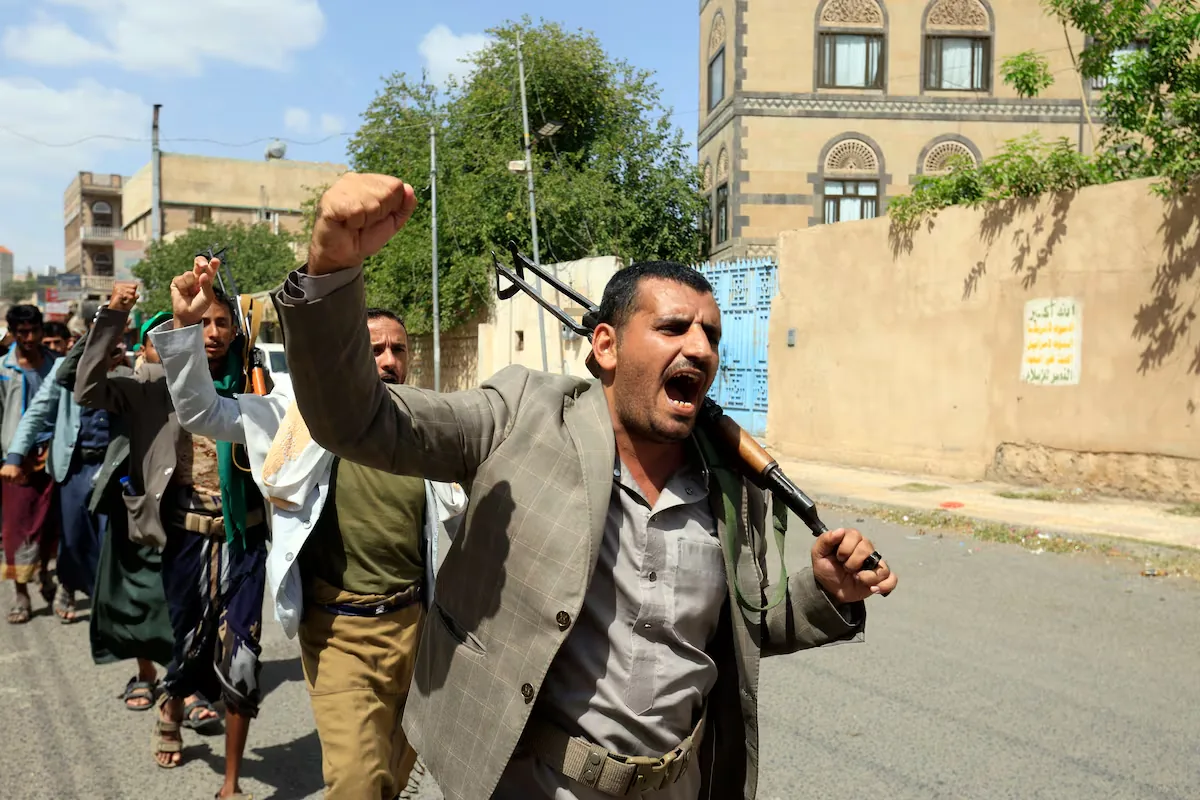
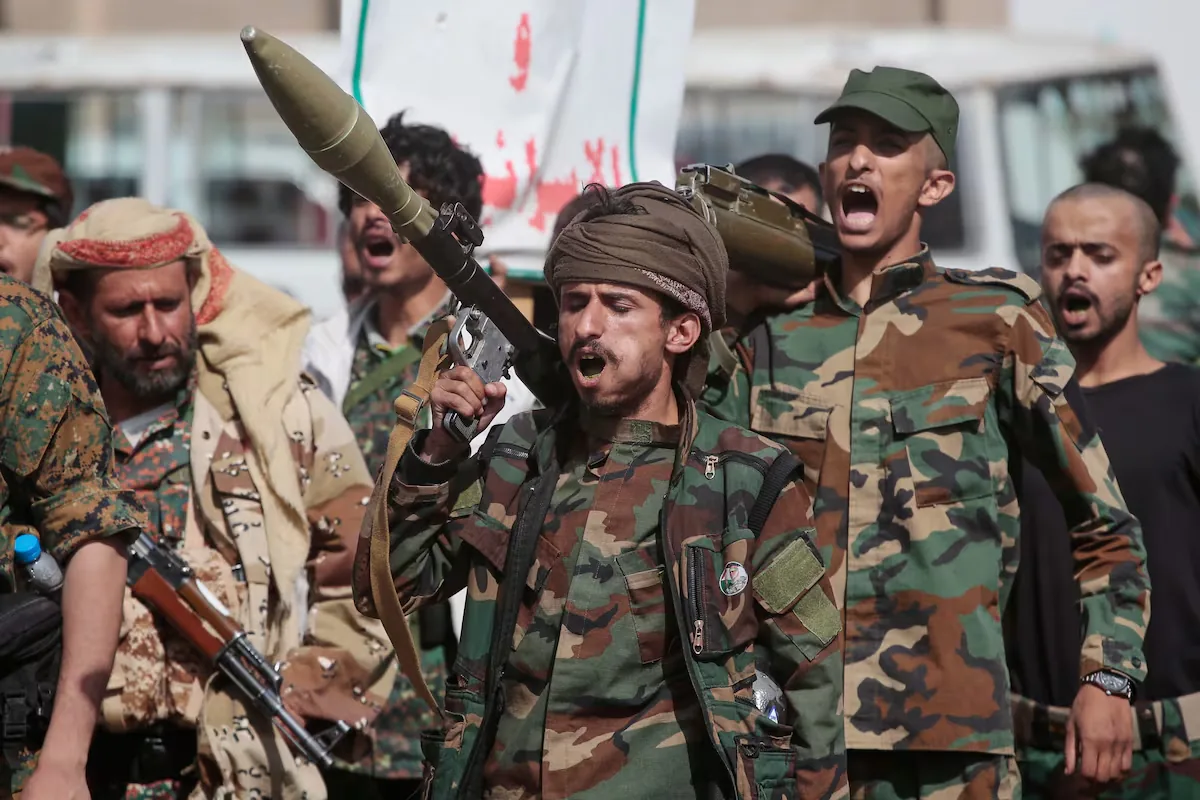
While Iran and the United States cease hostilities, the Houthi rebels do not do the same in the Red Sea, the other major focus of international market attention after the Strait of Hormuz. The Yemeni militia backed by Iran claimed responsibility for several attacks on Saturday against oil facilities of the Saudi state company Aramco. The Houthis had already bombed two Saudi tankers in the Red Sea last week, showing they are serious about their threat to block transit through the Bab el-Mandeb Strait, through which 10% of the world’s crude oil passes. If fulfilled, it would be an added problem on top of the existing one in the Strait of Hormuz, through which before the war circulated 20% of the oil consumed worldwide.
Read more Storm in Chile: red alert for river overflows in the south, rain in Santiago, and class suspensions