



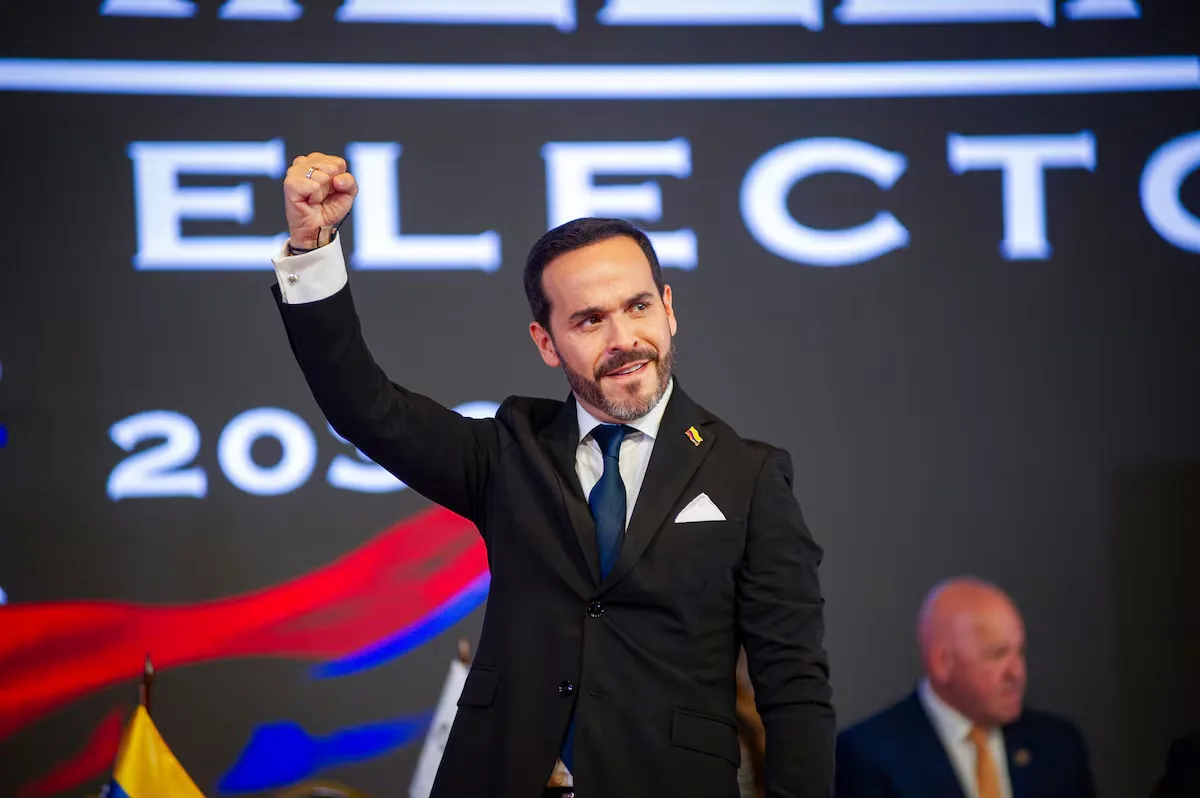
Abelardo de la Espriella has shown an explicit affinity with presidents like Donald Trump or Javier Milei, and this week he made several announcements that provide more clarity about the type of foreign policy he wants to build with them, or like them. The president-elect asked to close 14 embassies that he considers an unnecessary expense; while breaking with Cuba and Nicaragua, he announced strengthening diplomatic relations with Nayib Bukele’s El Salvador and Keiko Fujimori’s Peru; and stated that he will move the presidential offices to the San Carlos palace, where the Ministry of Foreign Affairs is currently located, which would then have a headquarters with less historical burden.
Read more Video analysis | Corruption: the pending debt
“He has always understood that diplomacy is to get money, to do business, and since the campaign he promised to merge the Ministry of Foreign Affairs with the Ministry of Commerce,” explains Sandra Borda, professor of international relations at the University of the Andes. “In that sense, keeping it in San Carlos would be unnecessary, as it will favor the technicians from the Ministry of Commerce. The upcoming one does not seem to be a foreign policy of principles: if with Petro it was very ideological, this will be more pragmatic to obtain resources.”
Precisely, De la Espriella announced the closure of 16 embassies (14 of them to States) and 15 consulates due to their “costly structure,” several of them created under the current government of Gustavo Petro, when diplomatic representations only represent 0.35% of the current budget. He explained the closure of those in Cuba and Nicaragua because he rejects having diplomatic relations with “tyrannies.” But, as often happens, the silences spoke louder in this announcement. He kept the one Petro inaugurated in Saudi Arabia, criticized last year in the opposition for its enormous luxuries but will be key for business in the Middle East. In fact, this week his vice president-elect, José Manuel Restrepo, announced that he met with the Minister of International Cooperation of the United Arab Emirates to strengthen trade relations.
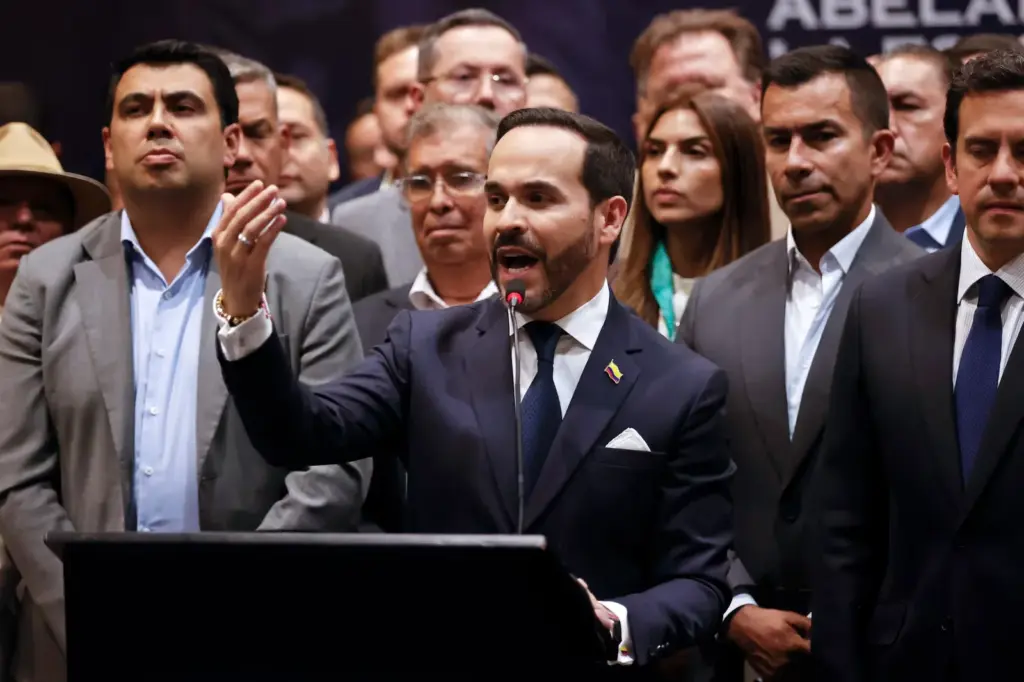
Another sign that embassies will have a more trade-focused role comes from two of the few ambassadors announced by the incoming president. Both are businessmen leading relations with countries with which Colombia maintains close ties: Jorge Jaller Jaramillo, who comes from the commercial conglomerate Grupo Éxito, in Caracas; and Mauricio Tobón, an entrepreneur in the technology and energy sector, for Mexico.
In that commercial direction, Restrepo has taken a leading role, having been Minister of Commerce in Iván Duque’s government and, as vice president-elect, has made two key international visits. In mid-July, he went to Washington to meet not only with Republican Party politicians, such as Secretary of State Marco Rubio, but also with multilateral banks to seek resources: he sat with the presidents of the World Bank and the Inter-American Development Bank, and executives from the International Monetary Fund. “Colombia will move from ideological fighting to economic diplomacy,” Restrepo promised during the campaign.
That same week, an ICE immigration agency officer shot and killed a Colombian citizen in the United States. Neither Restrepo nor De la Espriella spoke out, which was understood as the silent way to emphasize the relationship they seek to build. This week, Restrepo met with a U.S. delegation that traveled to Barranquilla to discuss “specific projects that generate employment and opportunities for Colombia’s development.”
Even more visible than that second meeting, this same week Restrepo traveled to Lima to attend the inauguration of the new president, Keiko Fujimori. There he took the opportunity to meet with several regional right-wing leaders. “Each conversation had a clear purpose: to open new doors for Colombia, attract investment, expand markets, strengthen trade, and generate more opportunities for Colombians,” he said. He met, for example, with the Minister of Economy of El Salvador, María Lucía Hayem, “with the goal of opening more opportunities for Colombian companies, strengthening investment, and generating employment.”
Another key element in this effort to align with the right and far-right is his bet on security. Restrepo’s meetings with Ecuadorian President Daniel Noboa, who also attended the Peruvian president’s inauguration, were in that sense. De la Espriella, aligned with Israeli Prime Minister Benjamin Netanyahu, also announced the opening of a Colombian diplomatic office in Jerusalem, something former president Iván Duque wanted but did not achieve. Behind the recognition of the disputed city as possession of the Jewish state is the goal of rebuilding the commercial and military relationship between the States, which Petro halted after denouncing the Israeli offensive in Gaza as genocide.
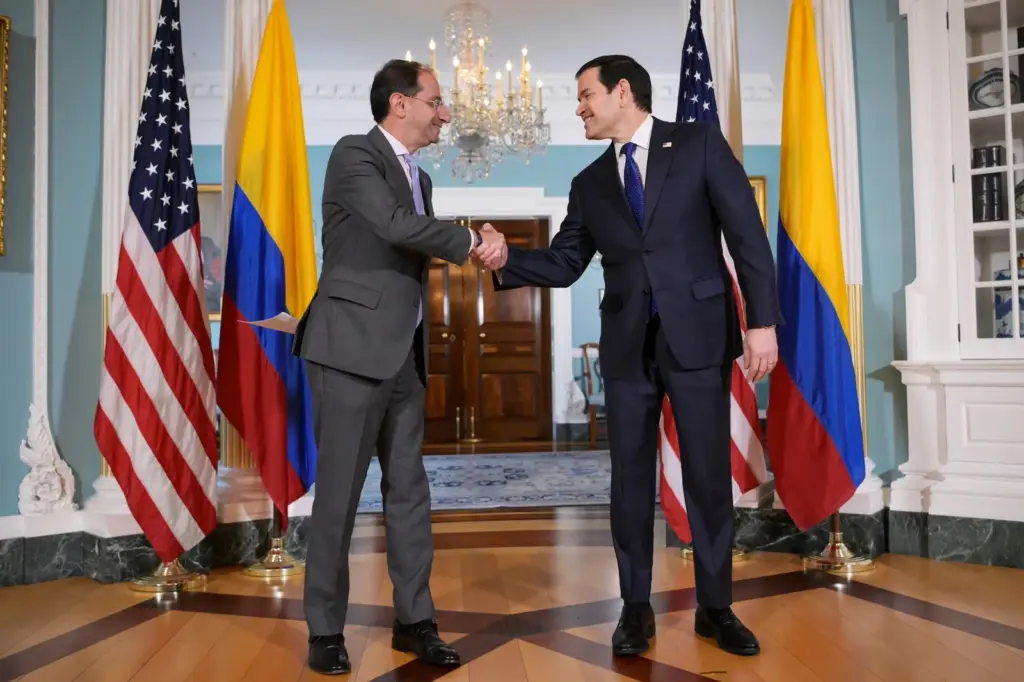
De la Espriella’s main alliance, however, is with American Donald Trump, both commercially and in the defense sector. But in it, he assumes especially high risks by tying political alignment to commercial goals. The president’s popularity has dropped since the war in Iran began, and several analysts believe the Democratic Party could regain legislative power in the November elections. De la Espriella, who is a U.S. citizen in addition to Colombian and Italian, is a donor to the Republican Party, and his designated foreign minister, Omar Bula, is aligned with the far-right MAGA conspiracy theories from Florida.
“If Abelardo is unlucky and power changes hands in the United States, and the Democrats take control of the appropriations committee in Congress, everything will fall apart,” says Borda, the academic. She refers to the committee that controls federal government spending and has the power to stop, for example, the huge investment the incoming president expects to receive from Washington, militarily and in other areas. “Bula is not someone who can do bipartisan foreign policy because he comes from the heart of Trumpism; he is not welcomed in the Democratic Party after insulting them on social media,” adds the expert. The president-elect’s bet is clear, but the November results may force a turn for him and his far-right allies in the region.
Read more Authoritarian