









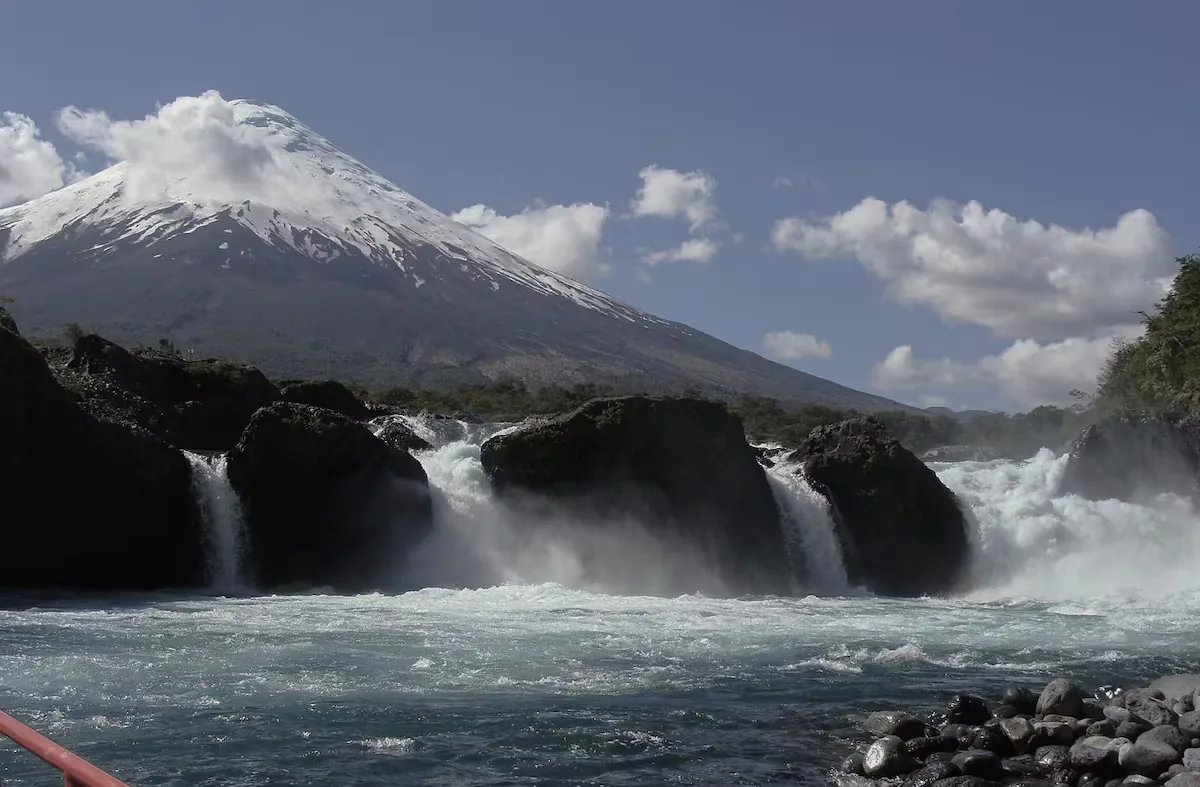
This August we commemorate a fundamental milestone in the heritage and environmental history of our country: the centenary of the creation of Vicente Pérez Rosales National Park. In 1926, Chile took this important step by inaugurating a national perspective and a presidential tradition of creating protected areas that has been consistent: every President, without exception, has created at least one national park during their term.
Read more Politics and Security
Today, one hundred years later, there are 46 national parks that protect the valuable ecosystems of our country, positioning us as world leaders in the protection of our territory with 22% protected. However, we also face significant challenges: the State invests less than two dollars per hectare protected per year, placing Chile among the ten most underfunded countries in the world in terms of protected areas.
Despite this reality, the figures show that national parks are an investment opportunity that generates significant benefits. A recent study we conducted together with the consulting firm McKinsey measured the impact of public investment in the national parks of Chilean Patagonia (Route of the Parks), revealing that in 2024, for every dollar the State invested in them, six dollars returned to local communities. Projections indicate that by 2030, for every dollar invested, 8.6 dollars in income would be generated for the territories of Los Lagos, Aysén, and Magallanes. Data that demonstrate the enormous value of nature tourism, in a context where, according to Sernatur, about 60% of those who visit Chile indicate that nature is one of the main reasons for their trip.
The study also highlights a clear challenge: Torres del Paine concentrates about 90% of the income generated in the national parks of Patagonia, which shows the need to promote the development of enabling infrastructure that encourages visitation to other regions and their protected areas, and that allows connectivity. Having facilities and proper management is essential to energize economic linkages, transforming the parks into true engines of local economies.
One hundred years after the creation of our first national park, there is compelling evidence that protecting our biodiversity is one of the most effective responses to climate change and species extinction, while, with the right investment, tourism, employment, and community well-being are stimulated. In this new centenary we begin, the challenge is to continue strengthening the national perspective we have built, moving towards new financing mechanisms for our protected areas, encouraging civil society participation through environmental philanthropy, and consolidating a vision where national parks are considered an investment and not an expense.