
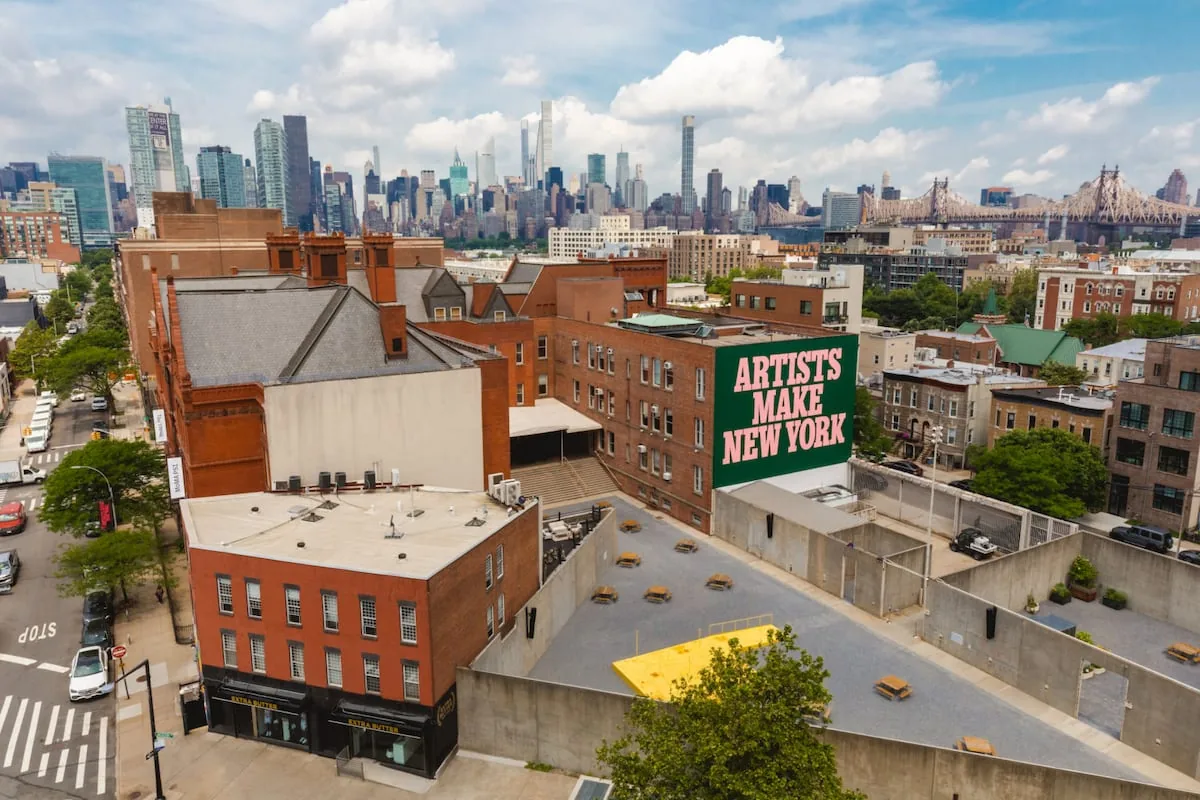
In the early seventies, curator Alanna Heiss (Kentucky, 82 years old) was looking for a way to create an experimental platform where artists felt free to create without restrictions. She used to describe the idea as an anti-museum because she wanted it to operate in the opposite way to how cultural institutions of the time did, which exhibited artists’ work without ever following their advice. Heiss had no money to carry out her cultural project, but she managed to acquire an abandoned public school in Long Island City, the PS1, which belonged to the city of New York: a concession, part of a policy of reusing public spaces. This is how in April 1976 she founded PS1, an institution focused on innovation, on disruptive bets and above all on the artists, so they could dream and use their creativity freely, without restrictions, taking advantage of an architecturally privileged space.
Read more Cazzu makes the leap to cinema days before starting her ‘Latinaje Tour’ in the United States
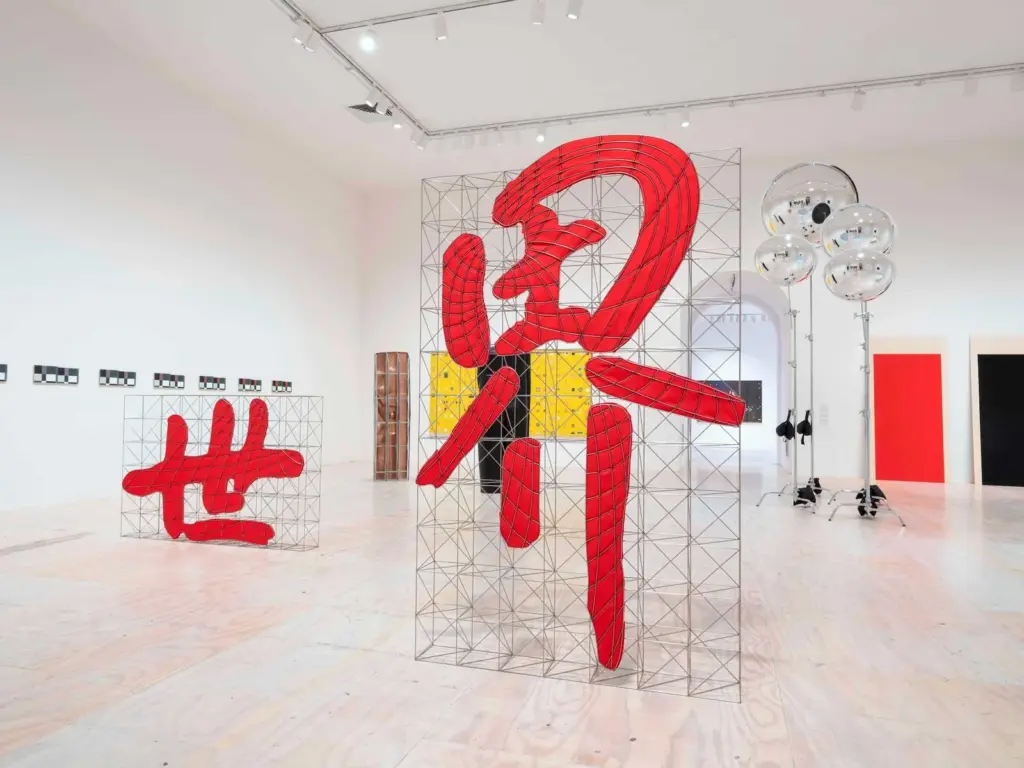
Today, half a century later, transformed into MoMA PS1 (since its affiliation with MoMA in 2000 to ensure its economic stability), it opens its doors to celebrate its 50 years with a block party from 10 a.m. to 6 p.m. featuring performances, workshops, food stalls, a community mural led by Lady Pink, and DJ sets. And it will have its epicenter with the inauguration of the sixth edition of Greater New York, the quintessential MoMA PS1 exhibition held every five years since 2000 that fills the three floors of the building. A unique and distinctive show, as no institution before had dedicated its space to the most recent work of local artists.
The current edition of Greater New York features 53 multidisciplinary artists representing the best of the current New York scene. The selection combines artisanal artists like the octogenarian Ecuadorian brothers Carlos and Miguel Cevallos (Cevallos bros), who have been painting posters by hand as long as MoMA PS1 has stood; community practices like the Metoac Indigenous Collective or Red Canary Song; and established artists like Julia Wachtel or Tiffany Sia.
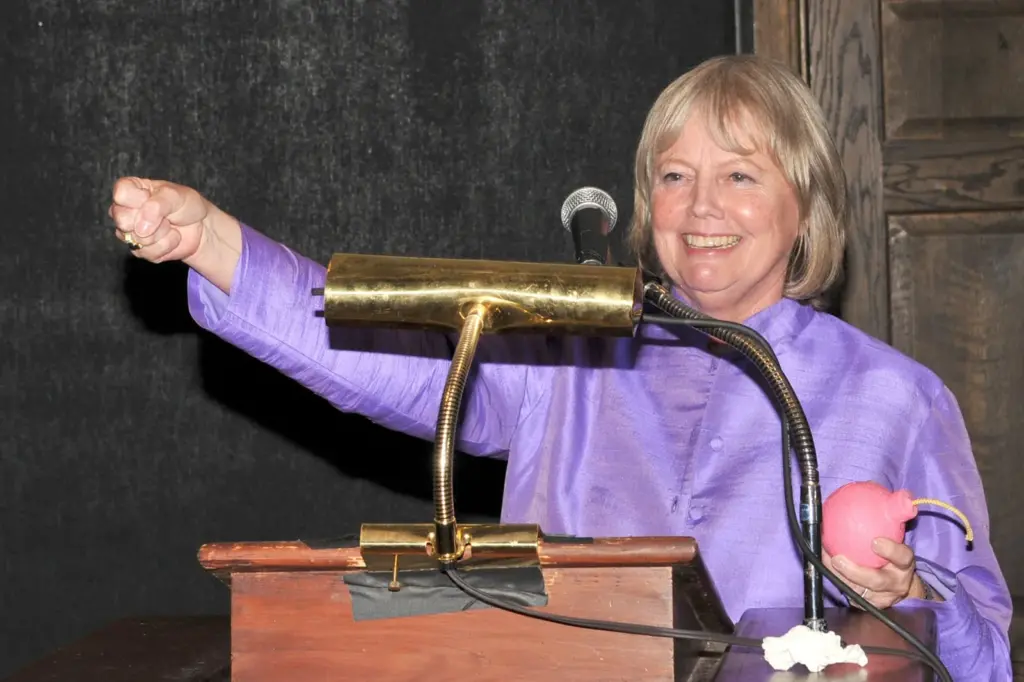
“We are one of the few institutions in the United States that has maintained a truly authentic close relationship with artists. It is something that is part of our identity,” explains Connie Butler, director of MoMA PS1 since 2023, via videoconference. “Greater New York is a great example of what that means and also reflects how artists respond to our space, whose architecture is deeply inspiring. That is why we actively invite creation, we commission, we support the production of work.”
If anything defines MoMA PS1, it has been its pioneering and avant-garde character, which made it count from its foundation with the support of key artists like Laurie Anderson, Cindy Sherman, Barbara Kruger, or James Turrell, creator of the only permanent installation in the institution, Meetings, located in an old empty school classroom and consisting of an opening in the ceiling so attendees can look at the sky and appreciate the transformation of light in the room throughout the day.
The exhibition with which PS1 opened back in 1976, Rooms, was expansive in nature and showed installations across several rooms, at a time when installations were not considered an art form that could be exhibited and collected. In the exhibitions that followed, Heiss assigned spaces to curators granting them unusual freedom: to do what was unthinkable in a museum. The institution, characterized by hybridity and experimentation from its beginnings (not only painting and photography, but also poetry, film, or architecture), also became a space to host works by international artists. And it is an achievement to see that, 50 years later, its essence remains intact, despite the art world also being affected by an increasingly conservative and restrictive global culture.
“Censorship is very dangerous at this moment, but we have managed to stay off the radar regarding the content of our program, thanks to having a very solid and trustworthy board of directors that never questions what we do,” Butler clarifies. “We try to be very transparent: we are a platform for freedom of expression. We work with artists whose positions do not always align with those of our funders, but we still seek to sustain that space of freedom.”
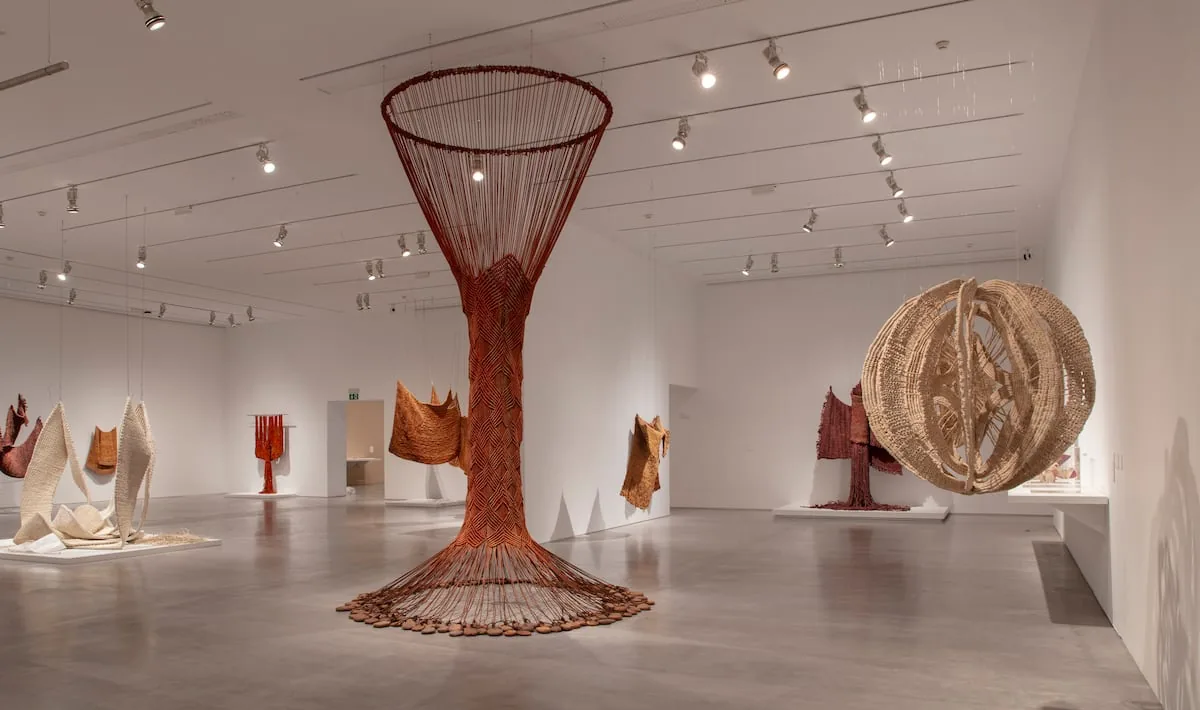
MoMA PS1 is a platform that has consistently supported Latinx and diaspora artists, from Teresa Margolles (who will present her first retrospective in the US there), Regina José Galindo, Cecilia Vicuña, or Guadalupe Maravilla, among many others. Unlike other institutions, PS1 has prioritized not only artistic production but also the community dimension, articulated through concerts, performances, and open events. Evidence that its priority is the artists but also the audience is also reflected in structural decisions: since the beginning of the year, access is free thanks to a $900,000 donation made by Sonya Yu, a Californian businesswoman and art collector. Something that can be sustained for the next three years. For more than a decade, the center has also been the venue for the New York Art Book Fair by Printed Matter, one of the most influential gatherings in the world around self-publishing and artist books, consolidating its role as a key node for independent editorial practices.
According to Butler, this year they aim to get the number of visitors (currently estimated at 150,000 per year) closer to 200,000. For this, they count on their already popular summer music series Warm Up and intend to increase their family-oriented program, which led them to change their opening hours to 10 a.m. and organize two festivals for children that gathered more than 7,000 in just one weekend. “Long Island City has changed a lot in these fifty years, now there are many more families and we want to expand to cover the needs of the local community,” Butler clarifies.