









The Government of Colombia distanced itself this Monday from the international consensus by recognizing Israel’s sovereignty over the Golan Heights, the Syrian territory it has occupied since the Six-Day War of 1967 and annexed in the 1980s, in two decisions rejected by the international community. In just his third day as president, Abelardo de la Espriella has made Colombia the second country in the world, along with the United States during Donald Trump’s first term, to make this recognition. Surprisingly, the Foreign Ministry issued the announcement statement hours after the earthquake in the country that has left at least 111 dead.
Read more Cali digs through the rubble of the earthquake: «I couldn’t leave and abandon my patients»
Colombian diplomacy justifies the decision on “the strategic importance of the Golan Heights for Israel’s security” and the “persistent instability” in the Middle East. It considers that the “maintenance of control and sovereignty” constitutes “an essential component of its national defense and its capacity to protect and safeguard its citizens.” Since 2024, Israel has occupied an even larger strip of Syrian territory, outside the Golan, which it intends to maintain sine die, as stated by its Defense Minister, Israel Katz. Despite the rapprochement with the US by the current Syrian leader, Ahmed Al Sharaa, Damascus continues to insist that it will only recognize Israel within the framework of a peace agreement that includes the return of all these territories, including the Golan.
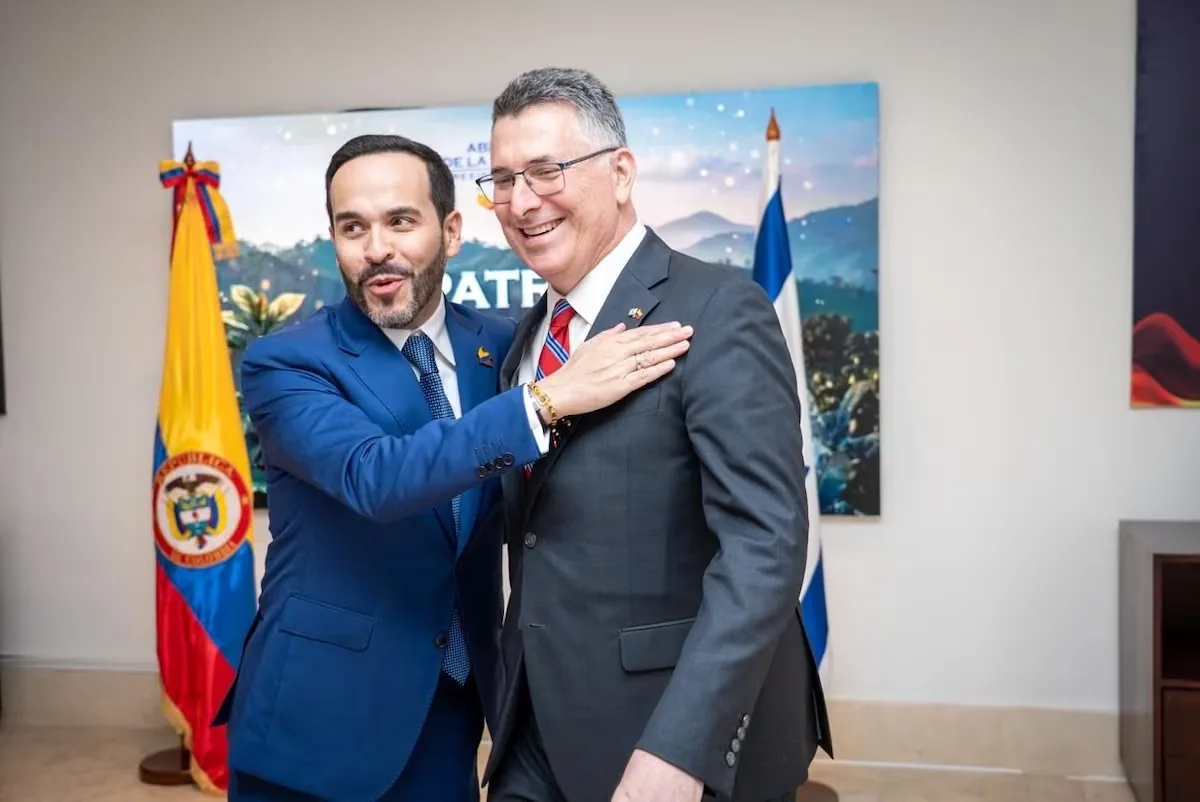
Israeli Foreign Minister Gideon Saar, who attended De la Espriella’s inauguration in Cali and met with him the day before in Barranquilla, hailed the announcement as a “historic decision” and an “extraordinary diplomatic achievement” for Israel. “He has demonstrated, in one of his first decisions in office, his leadership, his values, and his commitment to Israel and Israel’s security.”
The decision is part of De la Espriella’s rapid rapprochement with Israel, which not only includes the resumption of full diplomatic relations (which his predecessor, Gustavo Petro, broke in 2024 due to the Gaza massacre), but also the intention to move the national Embassy from Tel Aviv to Jerusalem.
Although Israel has chosen Jerusalem as its capital, the vast majority of states have their embassies in Tel Aviv (which is not the capital) or its surroundings, and advocate that the status of the city be decided in peace negotiations between Israelis and Palestinians. Locating it in Jerusalem, they consider, would imply implicit recognition of the Israeli position that it is their “eternal and indivisible” capital. The Palestinians aspire to have their own state with the eastern part of the city as its capital, occupied since 1967 and annexed in the 1980s, just like the Golan.
Measures
It is one of the measures agreed three weeks ago between Saar and the then incoming Colombian Foreign Minister, Omar Bula Escobar, at their meeting in Washington, according to the first in a statement. Also included is Bogotá’s withdrawal from the genocide complaint in Gaza (which Petro had added the country to) that South Africa filed against Israel at the Hague Tribunal, the elimination of visa requirements between the two countries, and the resumption of Colombian coal exports to Israel, suspended by the previous president.
Saar also took advantage of his Latin American tour to meet with another “true friend of Israel: the extraordinary president of Argentina.” Javier Milei announced in 2024 the move of the Embassy to Jerusalem but has not materialized it, partly due to the discomfort caused by the participation of an Israeli company in an oil project in the Falklands. Last year, the Argentine president said in the Israeli Parliament that he would make the move effective in 2026. “The decision is made” and it will become a reality when “circumstances allow,” he added four months ago.
Read more Colombia relives the trauma of the earthquake that devastated the Coffee Axis 27 years ago