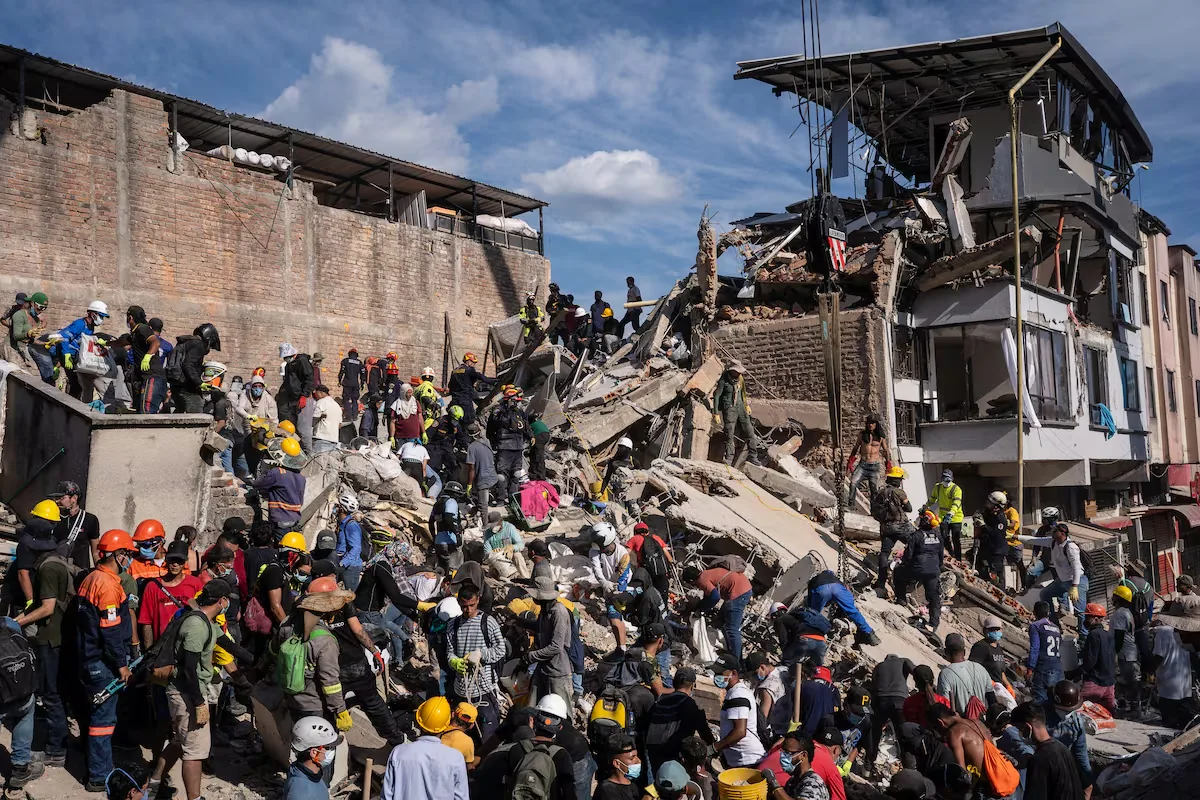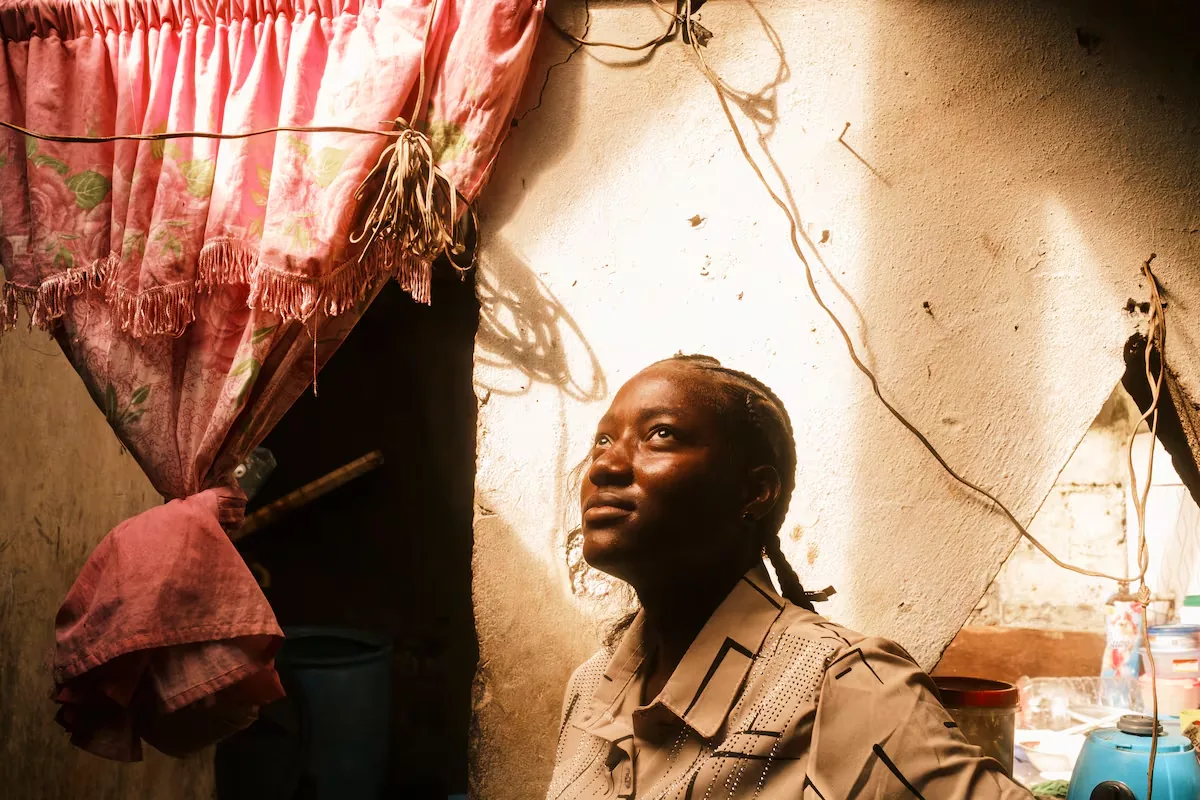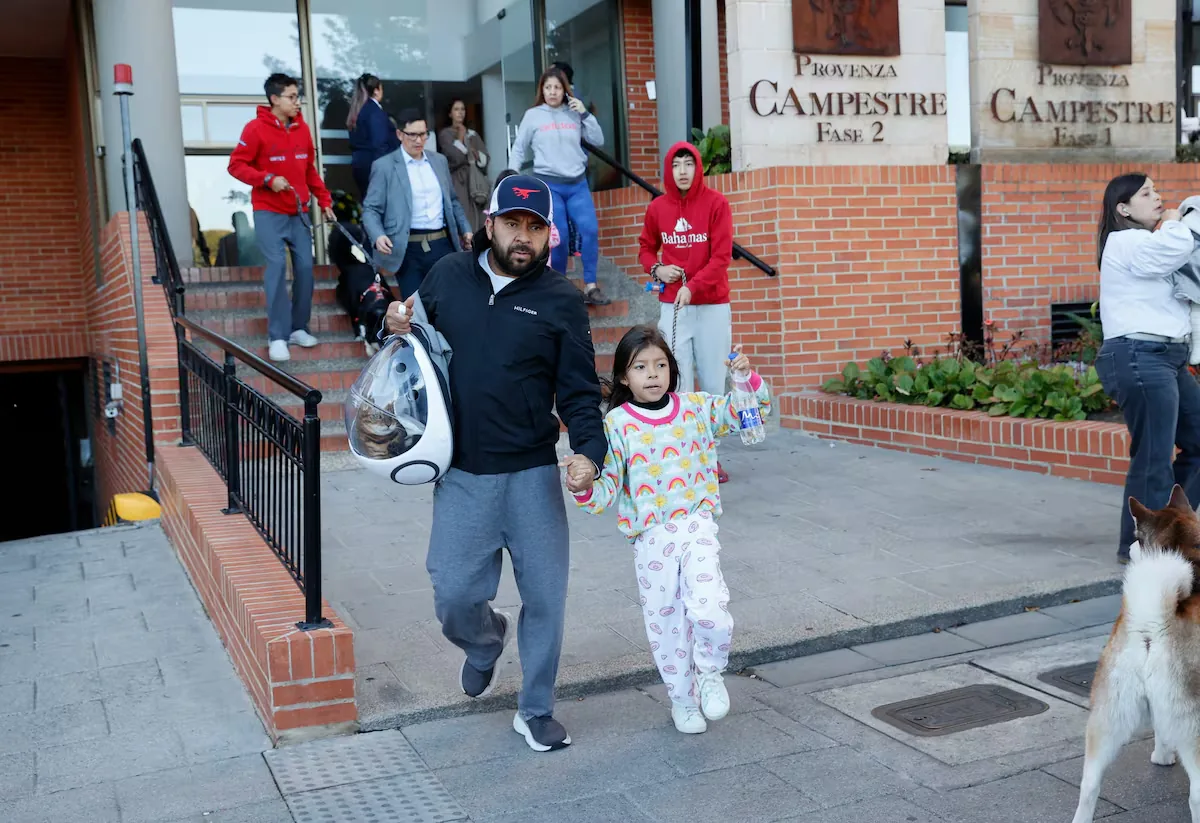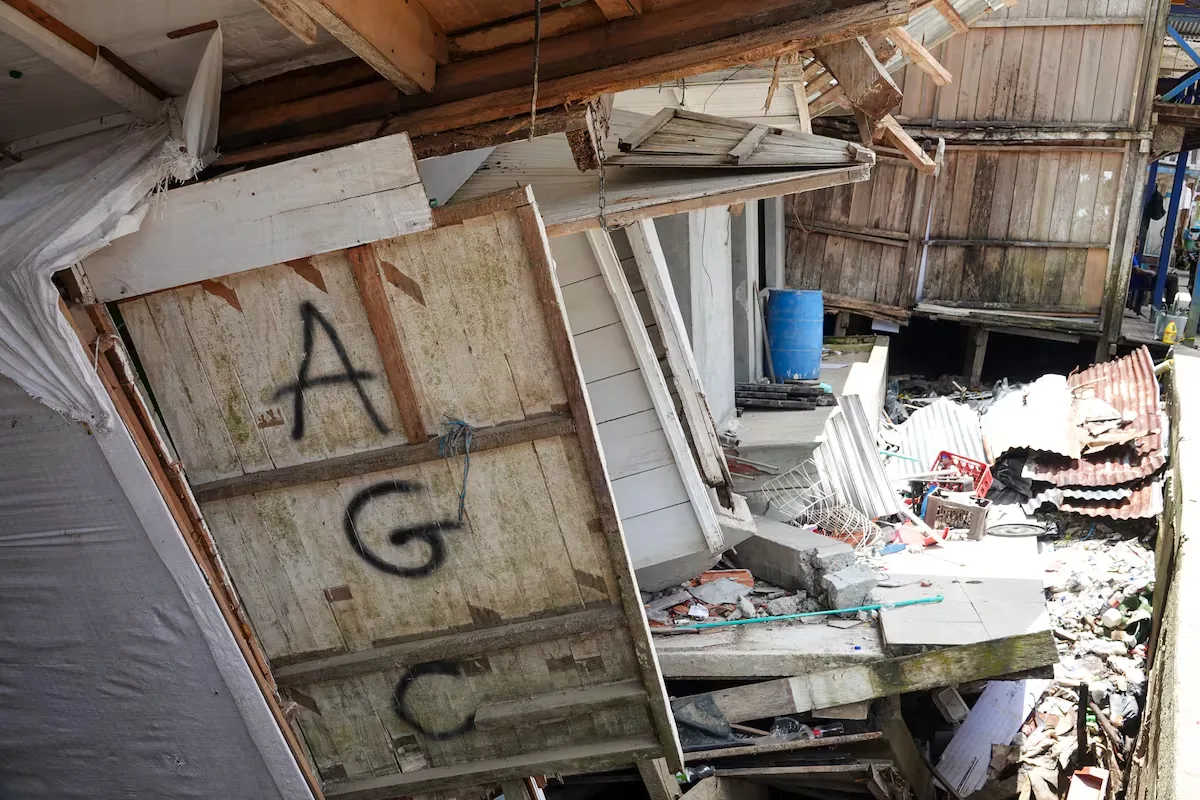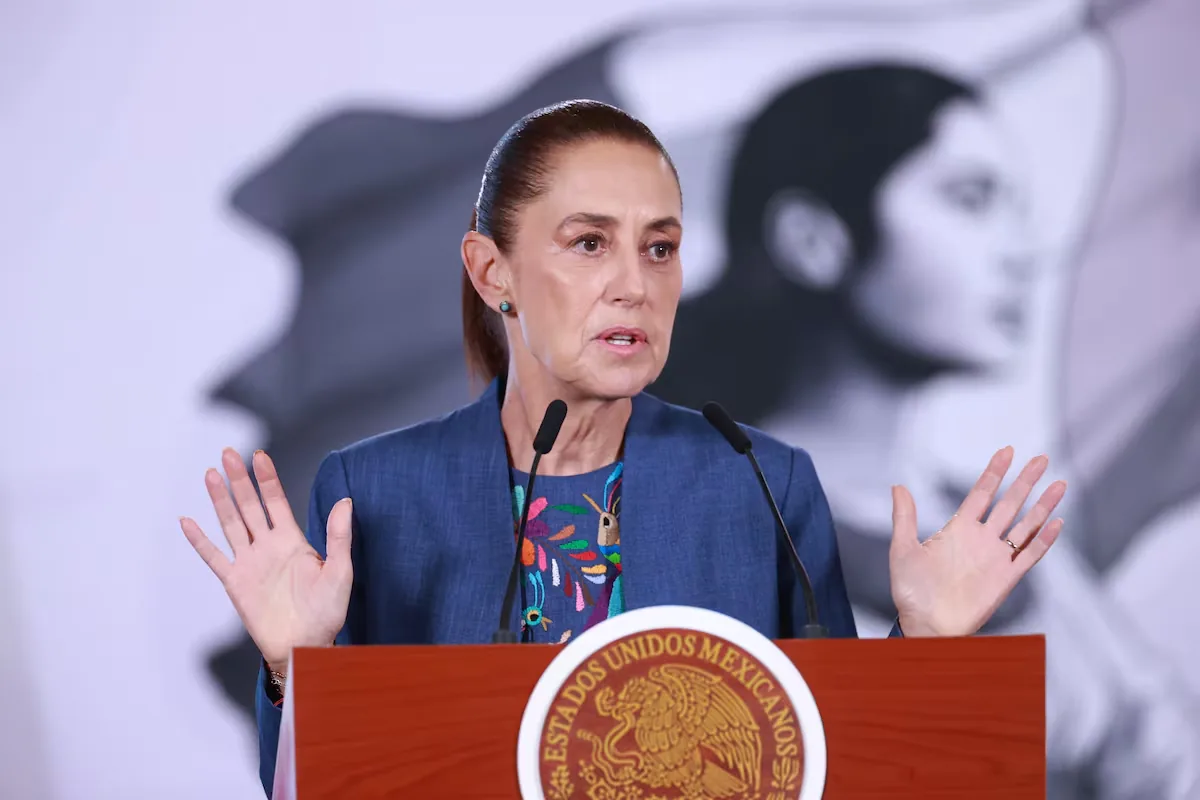
President Claudia Sheinbaum has reported that a rescue brigade from the Mexican Armed Forces has not been able to travel to Colombia to join the aid efforts following the magnitude 7.4 earthquake that struck the western part of the country hard. On Wednesday, the president said that humanitarian aid had already taken off, along with Army personnel to support the required efforts; however, on Thursday morning, Sheinbaum specified that the Colombian Government has requested “another certification” from the rescuers in order to operate: “It is not a conflict, there is no problem, I am just informing about the solidarity that Mexico offered and that Colombia said: ‘We want food supplies, medicines, but [for the entry of] the rescuers we need a certification,” she said.
The Mexican president said that as of Wednesday afternoon she had been confirmed the refusal of the government of President Abelardo de la Espriella, due to the lack of a certification that would open the door to elements of the Mexican Army, prepared to face natural disasters and also specialized in rescuing people after earthquakes. “In the case of the Secretariat of National Defense and the Navy, there is a lot of experience with the Marina Plan and DN-III; there is a lot of training, formation, many years of work and, above all, a supportive and professional attitude. Wherever support is needed, we will be there, but it has to come from the countries a ‘yes’ so that we can support in those places,” the president declared.
The official information so far indicates that at least 265 people have died following Monday’s earthquake in Colombia and that about 3,500 have been injured by the seismic event. The issue of foreign aid brigades became a focus of controversy when the Colombian government declared that it would not accept rescuers from some of the countries that began to express their availability to provide it, only to later declare that it would accept those from some considered political allies: Ecuador, El Salvador, the United States, and Israel.
Javier Pava, former director of the National Unit for Risk and Disaster Management of Colombia (UNGRD), a left-wing man who was in charge during the first two days of the emergency, told EL PAÍS that the Colombian Foreign Minister, Omar Bula, initially did not want to receive support from Mexico, while he did promote that of the conservative governments aligned with De la Espriella. When criticized, Bula denied the accusations at a press conference. “We have not excluded any country, we work with countries without any ideological or political consideration,” he said. Pava left the UNGRD, and now geologist Diego Tamayo is there. The Colombian Foreign Ministry did not provide more details to EL PAÍS about why they accepted rescuers from four other countries but not yet from Mexico.
The Mexican brigadiers, skilled and prepared in a country with a long and tragic history of natural disasters such as earthquakes, have been the focus of this controversy after their help was rejected, especially after their feats outside Mexico. Three days after the double earthquake that struck Venezuela, for example, a team of Mexican military from the Emergency Attention Battalion (BAE) carried out the rescue of a nine-year-old boy after about five hours of work under the rubble of a collapsed building that fell layer by layer in La Guaira, the epicenter of the disaster.
The Emergency Attention Battalion (BAE) of the Mexican Army has been present in recent earthquakes in Chile, Japan, or Turkey. In the days they spent in Venezuela, they stated that it was “one of the greatest tragedies” they had attended. The Mexican detachment in Venezuelan territory reached about 280 deployed soldiers, in addition to another contingent of almost 300 members of the Red Cross, fire brigades, and civil protection, mostly deployed in La Guaira.
The other brigades
In Mexico, rescue brigades began to proliferate after September 19, 1985, when a magnitude 8.1 earthquake devastated the capital in just a few minutes. One of the groups that emerged amid that tragedy was the Topos Tlaltelolco Rescue Brigade A.C., legally established in February 1986, and which has also not obtained authorization from the De la Espriella government to join the rescue efforts.
In a statement published this Wednesday, the brigade said it respected “Colombia’s self-determination and its stance to strictly follow INSARAG guidelines” (the UN’s international advisory group for search and rescue operations). “The Colombian authorities will not allow the entry of external rescue groups, as the emergency is covered by national rescuers. They only consider accepting support from the United States, Ecuador, and Chile,” they said.
Topos Tlatelolco A.C. has been recognized by national and international institutions and by the Mexican government and is often confused with the Topos Aztecas rescue brigade which, unlike the first, is made up of independent volunteers who are not linked to any public institution or agency. This organization has been able to enter Colombian territory, through direct arrangements with local authorities, in Cali, according to its representative, Héctor Méndez, known as El Topo Mayor, who has spoken to Colombian media.
The group led by Méndez had worked for more than 40 days in La Guaira, Venezuela, after the earthquakes of July 24, a disaster zone where the Topos Tlatelolco brigade was also present. The controversy over the participation and rejection of one and the other Mexican rescue organization has gone beyond and has caused questioning of their members, who only hope to deploy their help where they are needed.
Read more UIMP hosts in September the course ‘How is a newspaper made? 50 years of EL PAÍS’