



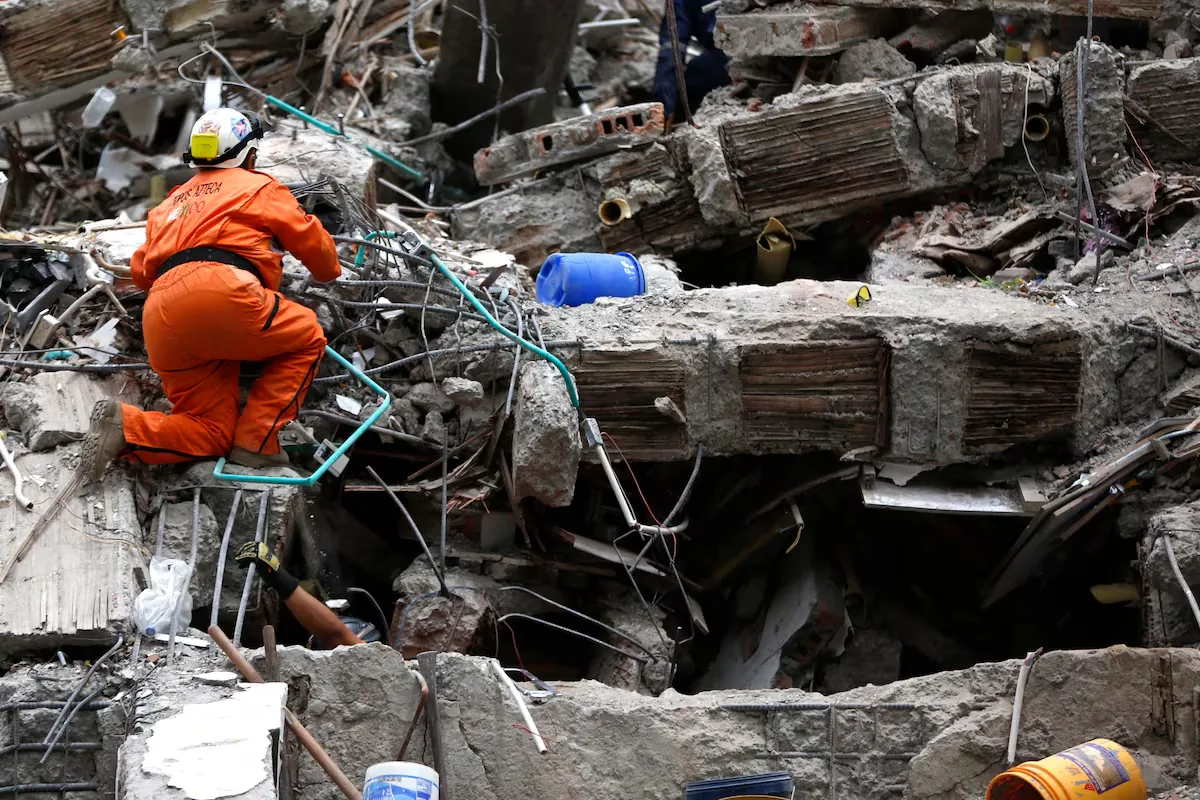
Three days after a magnitude 7.4 earthquake devastated much of western Colombia, the anguish of the families began to turn into protest. In Cali, outside the Valle University Hospital, a group of people demanded that the medical center had ended the search as soon as the 72 hours of the so-called “window of life” had passed. In Pereira, 200 kilometers to the north, several volunteers denounced that heavy machinery was about to demolish points where, they claimed, there were signs of life. Authorities in both cities have assured that the search only stopped in places where there was no possibility of finding survivors. But the families, clinging to a miracle, have not stopped raising their voices over what they consider a serious negligence.
Read more The broken world of a three-year-old child after the immigration detention of his dad
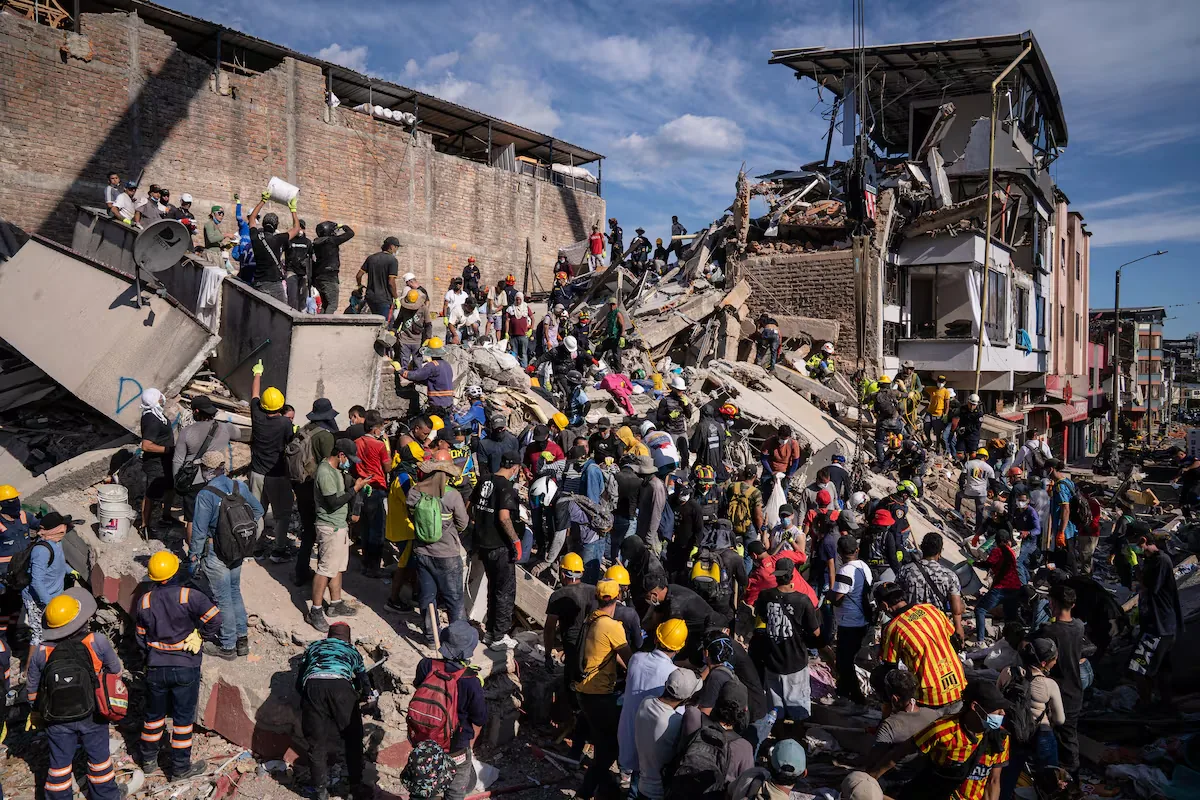
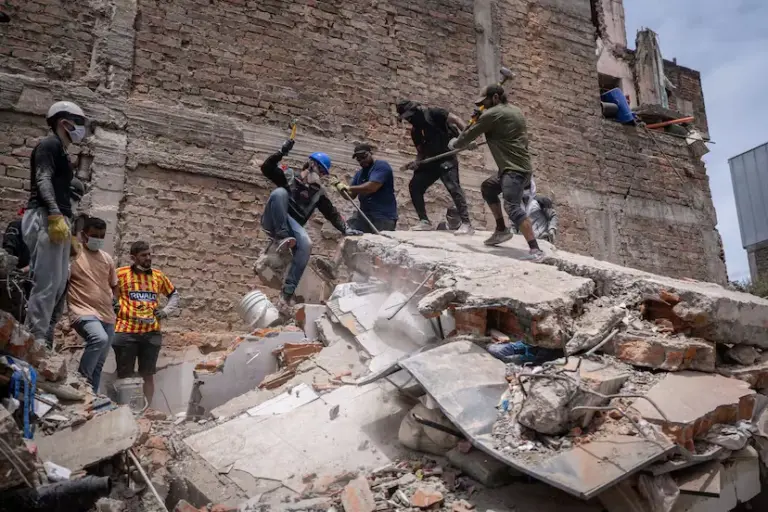
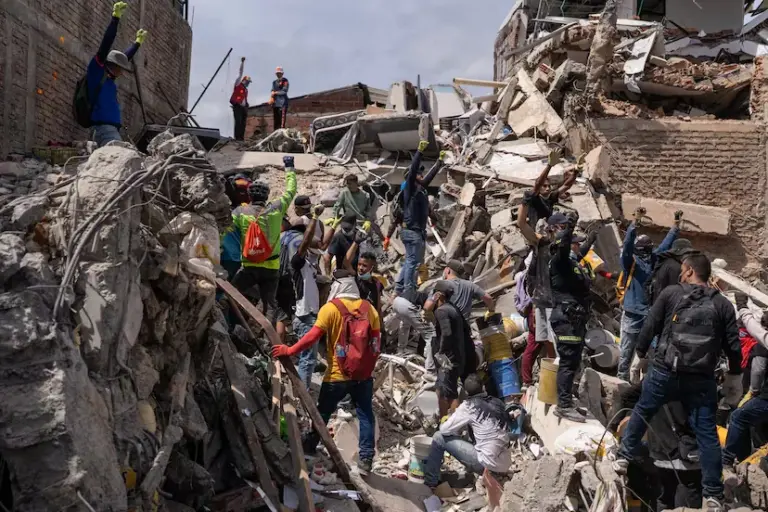
In Cali, in the Cantabria building in the Nueva Tequendama neighborhood, there were signs of life until Thursday, August 13. That day marked the 72 hours and the authorities began to remove volunteer rescuers so that official bodies could enter the area. Although the Cali firefighters defended prioritizing technical work, for Elizabeth Bernal, a volunteer who accompanied the families throughout the week, there was a contradiction: she denounces that on that day heavy machinery, cutting-edge technology, and prepared teams entered that, far from speeding up the process, obstructed it. “They brought in drones, sound technicians, heat cameras, and a USAR team, firefighters, and Civil Defense. They conducted evaluations, analyses, and at three in the afternoon, when they were supposedly going to start the operation, they all started fighting upstairs because they wanted to have command,” she recounts.
Trapped there were María Isabel Suárez Narváez, 68, and Victoria Eugenia Perea Pérez, 54. Their bodies were extracted on Saturday, six days after the disaster, after pleas and complaints from their loved ones about a delay that, they say, prevented them from being rescued alive. “The time lost was very valuable because that day [Thursday] they were still alive. It was time to move everything to get them out, but nothing progressed because the experts never managed to agree,” Bernal says resignedly. On Monday, in a wake room in the city, their coffins bore a yellow helmet. “Volunteers, with love,” was written on each of them. It was given by the rescuers, almost as if it were a funeral bouquet, as a sign of solidarity with the families whom, they say, “were let down.”
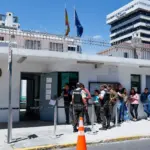
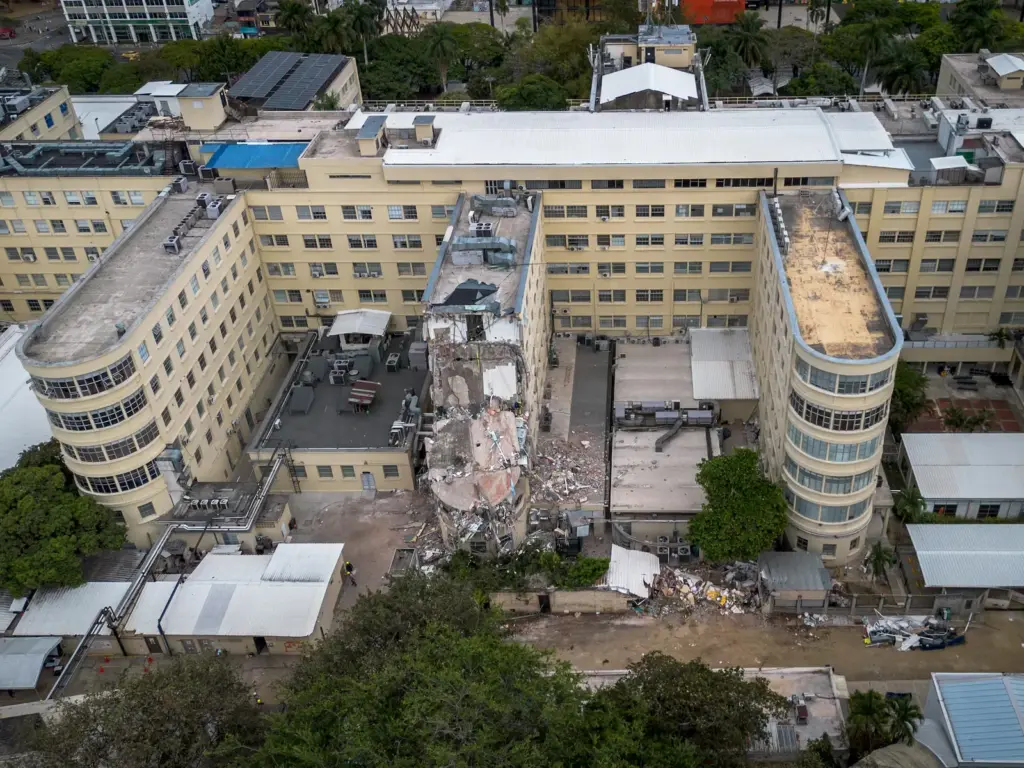
At the Valle University Hospital, also in Cali, the complaint took another form. On the day of the emergency, the phone of Héctor Asdrúbal Jaramillo, a hospitalized patient, rang twice after the earthquake. The first time, on Monday at 4:36 p.m. Someone answered but heard nothing because Jaramillo, due to a medical procedure, could not speak. There were seven seconds of silence. Forty-eight minutes later, it rang again and was answered again. Silence again, this time six seconds. His daughters keep screenshots of those two calls as if guarding evidence. For them, those seconds of silence on the other end of the line meant only one thing: their father was still alive, somewhere under the hospital rubble.
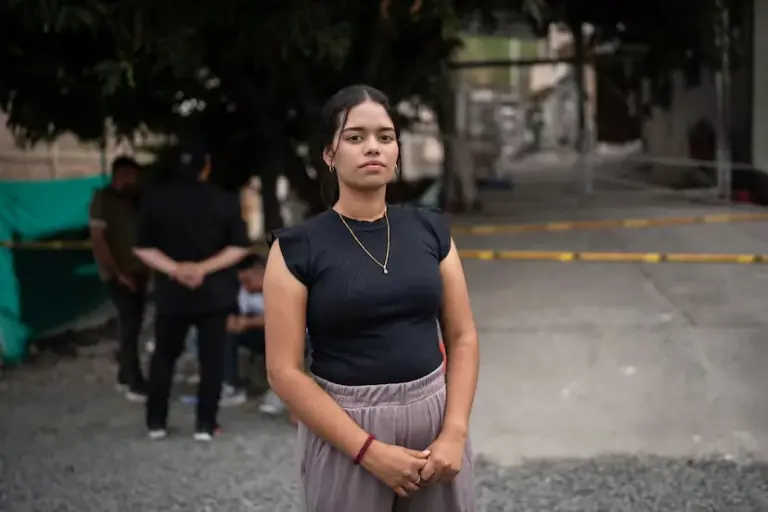
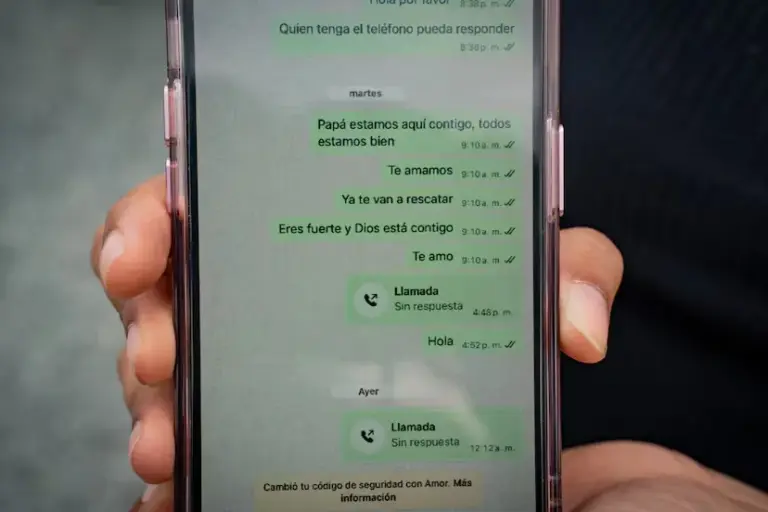
Two days later, on Wednesday, his WhatsApp indicated that the last connection had been at 8:32 a.m. That day they failed to get him out; on the contrary, the hospital issued a public statement announcing that the search for survivors was being stopped. Since then, families began a peaceful protest outside the medical center to demand that rescues continue. The mayor Alejandro Éder and governor Dilian Francisca Toro passed by the hospital, and on Friday even President Abelardo de la Espriella arrived. None approached the relatives who were protesting a block away.
The risk in the area was known. In 2002, a study by the University of Valle scrutinized the main building of the HUV, which had already been identified as vulnerable in evaluations conducted in 1992 and 1994. The study’s diagnosis was clear: “The current structure does not meet the resistance, stiffness, and ductility requirements” established by seismic resistance standards. The deadline to carry out interventions was 2006.
Read more The ranch in California of the new CJNG boss, which the Trump Government seeks to seize
Around the same days, similar complaints were experienced in Pereira. Although rescue organizations had closed rescues in several parts of the city, on Saturday, August 15, almost at midnight, a backhoe tried to reach the collapsed Dibeni hotel. That Saturday, rescuers and volunteers claimed to have heard sounds from inside the rubble that, according to them, could correspond to a woman alive. The Pereira fire department, however, assured that there was no longer any possibility of survival. Missing in that building were Mario Alberto Zapata Verdier, 57, and Brenda Eloísa Flores Reyes, 42, a Mexican couple staying in room 105.
The Pereira lawyer Freddy Humberto Cruz, who participated in the search, denounced that state agents removed volunteers to make way for the machine: “We are trying to save a life, but by government orders access has not been allowed to rescue the person who remains trapped.”
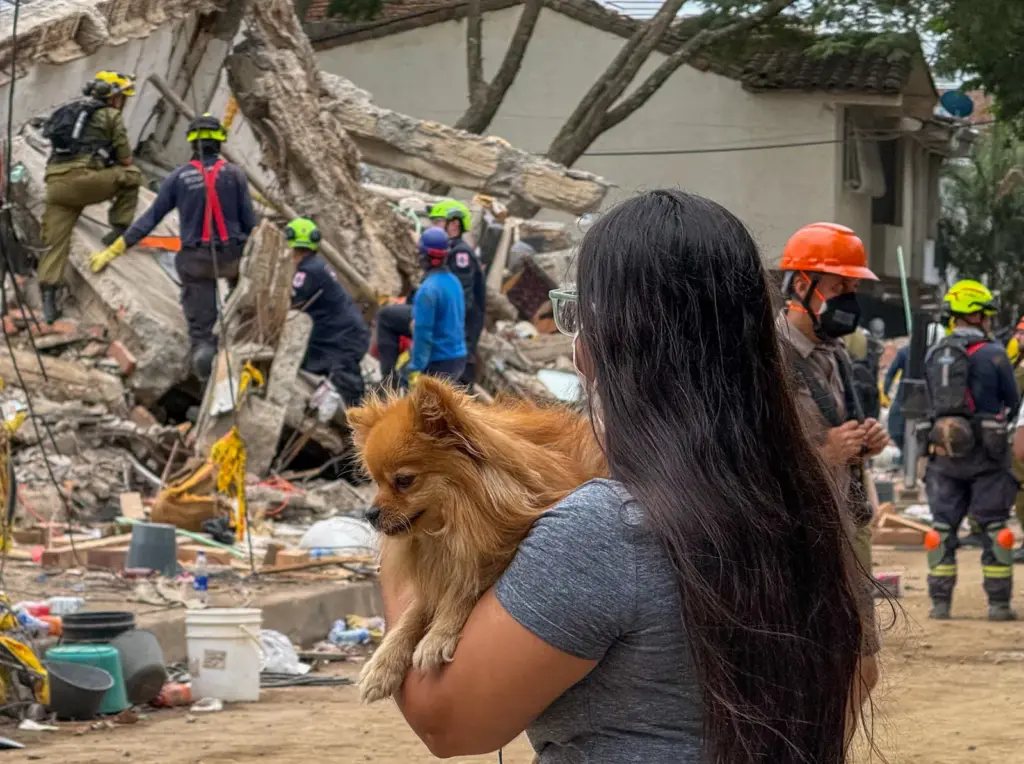
The complaint moved to social media and the dispute became more evident. The fire department gave volunteer rescuers, who spoke of obstruction to their work, several minutes to enter and prove that there was still life. There were no signs, recordings, or sufficient technical evidence. The heavy machinery teams that entered some collapsed structures were not official and, from there, have defended that their protocols were correct.
Technically, it is explained that the massive presence of people in rescue zones can be harmful, both for the people trapped and for the rescuers. The fire department opposed, on August 13, the entry of yellow machinery that two city businessmen offered as an alternative for debris removal: “Access was closed to those machines because we had signs of life and the entry of the vehicles could cause a greater collapse,” says a member of the fire department.
Amid the emergency, hundreds of people began arriving on their own to the most affected areas, without any coordination or control. Some volunteers dug through the rubble with bare hands, shouting names, while a few meters away others took advantage of the confusion to loot the belongings of families who had not yet managed to return. Contradictory orders were heard from those claiming to represent rescue organizations. No one seemed clear about who was in charge, and in that vacuum of authority both the most genuine solidarity and the cruelest opportunism slipped in, all happening at the same time, with no one able to fully distinguish who was helping and who was taking advantage.
Read more Mara Salvatrucha gang members claim they buried 200 people in Bukele’s political cradle