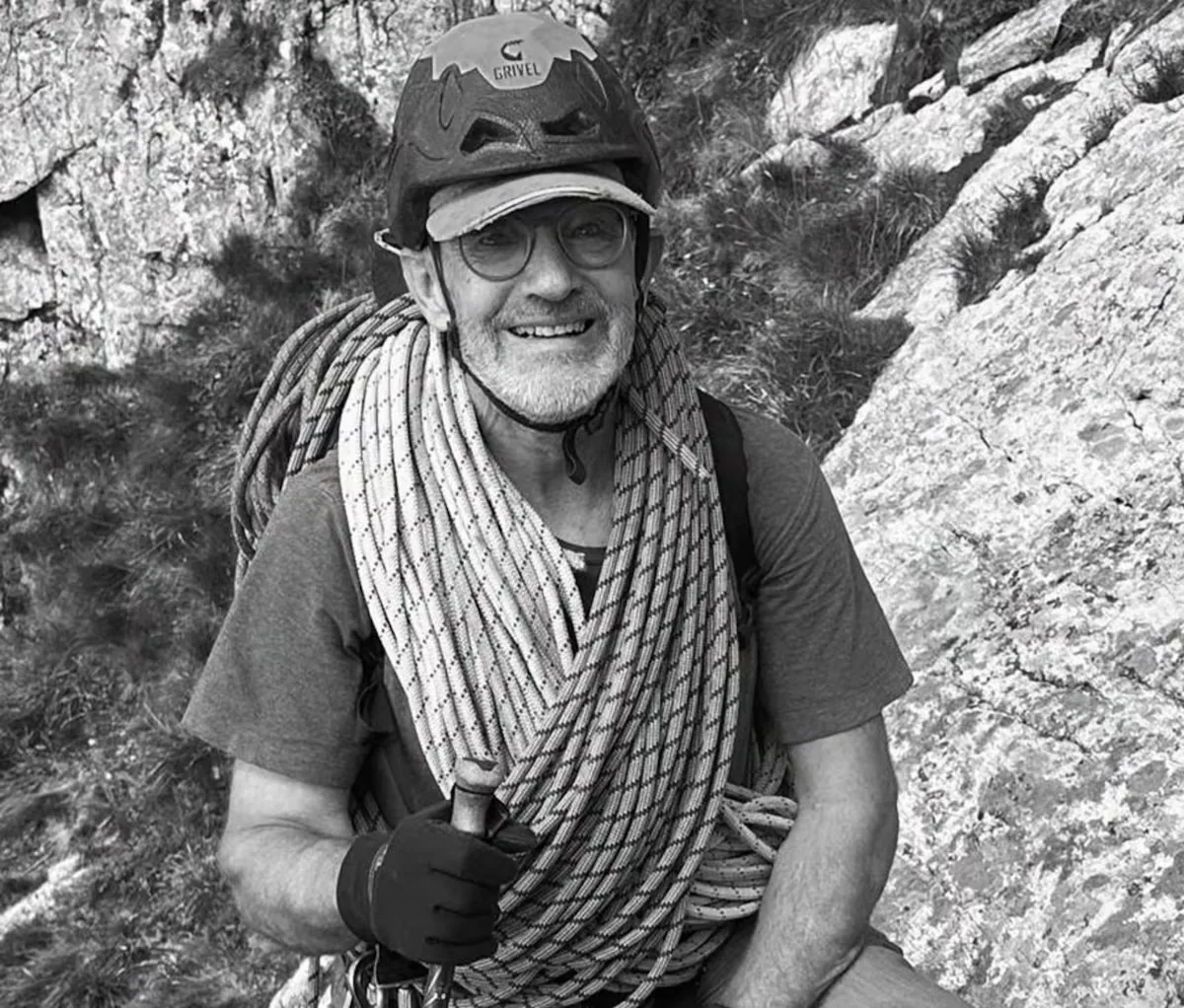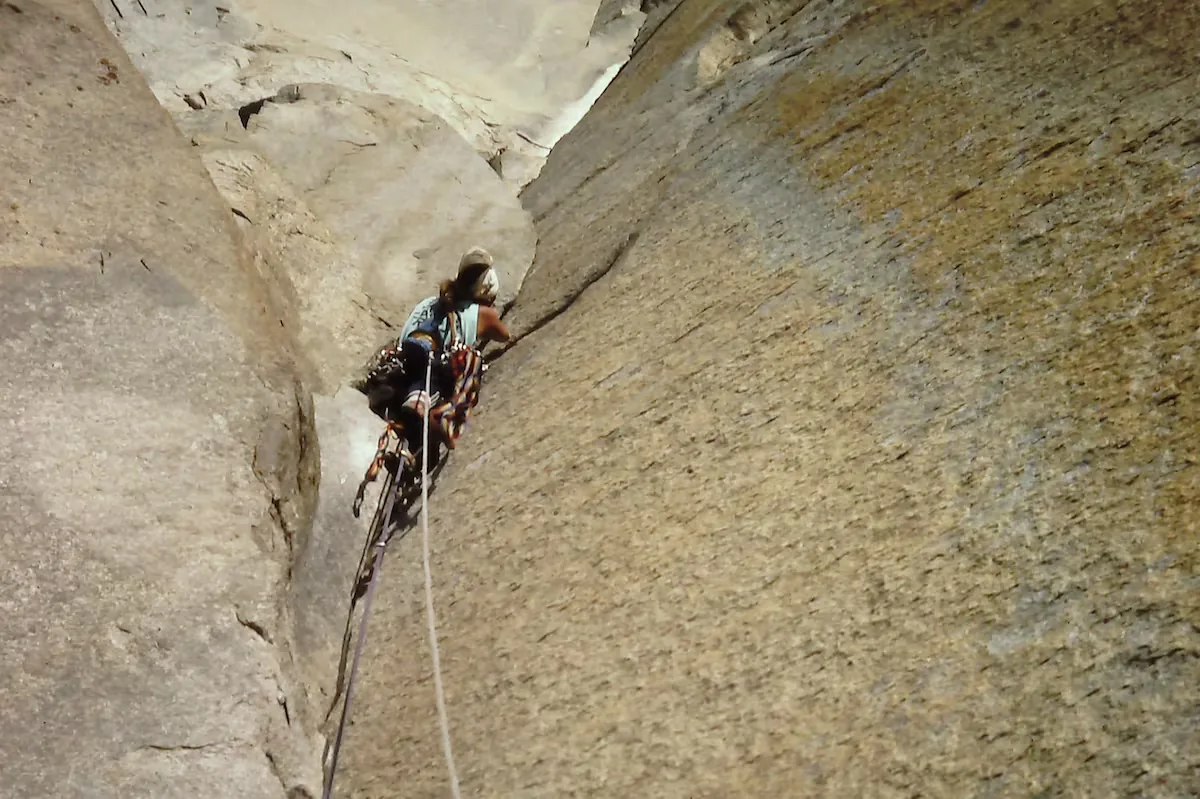
Miriam García Pascual still had one last thing to do before going on the expedition. It wasn’t her biggest urgency but she wanted to get it done so things could continue on their course. The last days before traveling to Meru, in the Indian Himalayas, passed quickly, flying by in a whirlwind of preparations, but Miriam managed to find a moment to deliver to the headquarters of the Madrid-based magazine Desnivel a text she wanted to turn into a book. In fact, it ended up being a book, the first of the fledgling publishing house, a work titled Bring Me Down a Star that Miriam never saw published. She died trying to climb Meru (6,450 m) on May 25, 1990. That day, Miriam and her climbing partners, the Guipuzcoan Jesús Buezo Risi and the Aragonese Miguel Ángel Lausín, were buried by an avalanche and their bodies were never recovered.
Read more The ‘influencers’ facing their first major crisis: “Simple posturing will die out”
Miriam was barely 26 years old and had already shared a rope with the male elite of Spanish mountaineering, as one of them. In those years there were hardly any women like her, extremely brave, strong, one who learned quickly thanks to her voracious appetite to discover all possible variants of the vertical world. But, curiously, she coincided in time with two of the most important women in the history of climbing and mountaineering: Lynn Hill, American, and the French Catherine Destivelle, whose profile was almost identical to Miriam’s. Many believe she could have been our Destivelle.
The news of her disappearance and that of her two companions briefly broke the spell of those years when living day to day, on the run, linking ascents and surviving almost with what you had on was not uncommon. As if the mountaineer’s suit allowed one to aspire to a certain form of immortality.
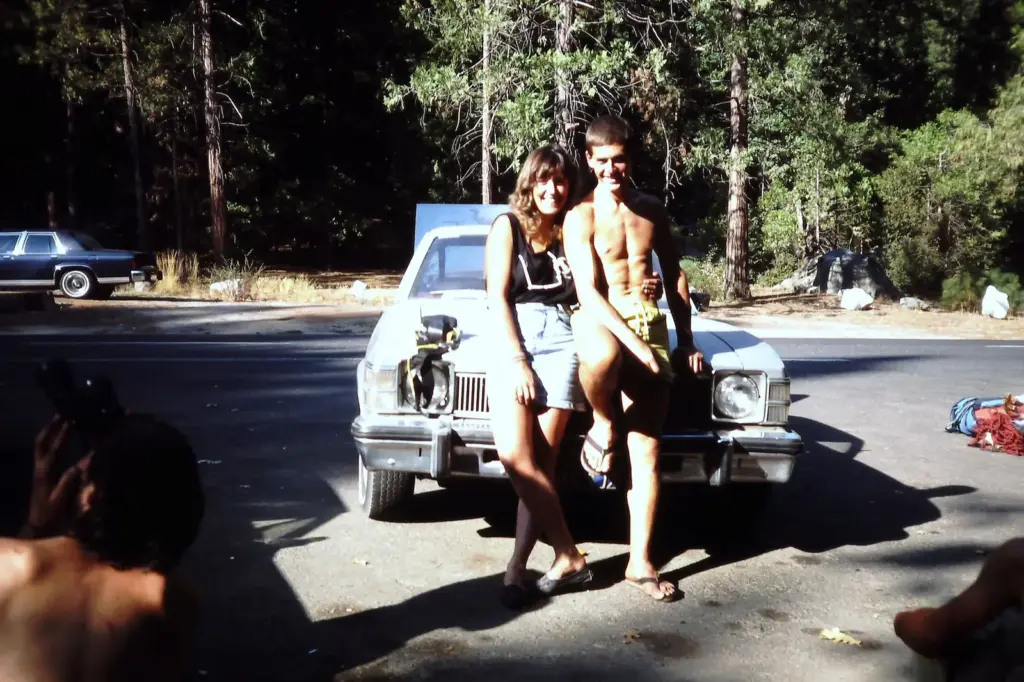
José Bedia climbed with Miriam in Yosemite, in 1987. They had met a few years earlier on the intimidating walls of the Ordesa valley, had tried the conglomerate of Riglos, also the limestone of Etxauri, and coincided in the Californian valley, the mecca of great granite walls. They ended up climbing together the Mescalito route on El Capitan: “I made it a condition that she lead the aid climbing pitches, because using hooks scared me quite a bit. I committed to doing the rest, whatever I had to do,” Bedia recalls. At the end of the route, happy, they took a photo at Camp IV leaning on a vintage car. A few days before flying to the Himalayas, Miriam visited Bedia at his newly bought house in Bilbao and, there, sharing a coffee, invited him to join the expedition. “I had to say no with great regret,” he explains, “because I had just bought a house and this forced me to become permanent at the company where I worked occasionally so I could face the mortgage. That financial burden saved my life, because I would probably have died with them. Their death was a huge blow, very shocking.”
Read more Ten quick recipes to finish August effortlessly
Today, thanks to her book, Miriam is a reference that over time has gained a certain mystical aura, while also representing an example for all young people who aspire to somehow avoid social conventionalism. Bring Me Down a Star is simply the best-selling mountain book by Desnivel, rivaling works of the caliber of The Conquerors of the Useless by Lionel Terray. In the publishing house’s communication department, they recall it was published in 1991: “It was our first book, so we have a lot of affection for it, both for Miriam and for what it meant to us. Even today, 35 years later, it remains our flagship, our benchmark. Officially we have indicated 10 editions, but there are more since from the year of its publication, when everything was still done almost manually, it was often reprinted. We estimate about 30,000 to 35,000 copies sold; perhaps more since print runs then were from 3,000 to 5,000 copies.”
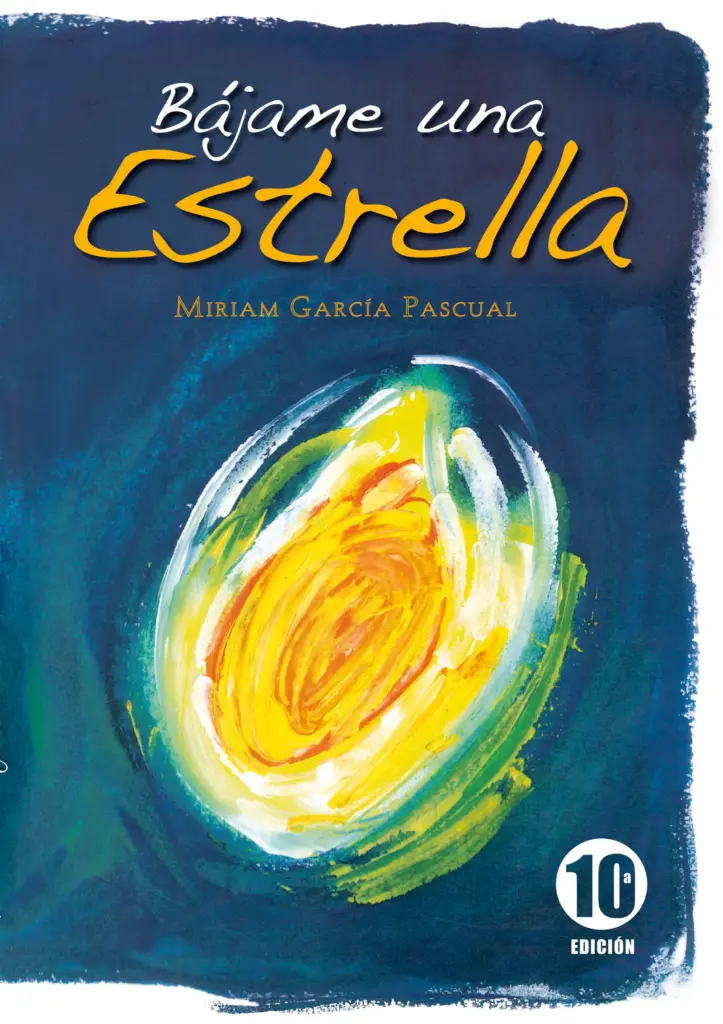
The posthumous work of Navarrese Miriam García Pascual is much more than a mountain storybook. “It’s a book of life,” sums up Bedia. It is her written testament in the form of a diary during an eight-month trip through America carried out between 1987 and 1988 that took place between the walls of Yosemite and those of Patagonia, passing through the Peruvian Andes and Mexico… and spending a total of about 350,000 pesetas (approximately 2,100 euros). The text, perfectly illustrated by her friend Mónica Serentill, proposes a work of introspection framed in the world of mountaineering. Miriam asks questions and seeks answers while undertaking cutting-edge ascents. “Above all, Miriam was a free woman. She knew no barriers, neither in mountaineering nor in relationships with men. But she possessed more virtues than most men. She wanted to squeeze life to the fullest, without complications, without ties, always with freedom as a condition,” explains Bedia. The passage of time has not served to contradict the image the book proposes: she was exactly what the book reflects, and for that reason the people who knew and dealt with her can recognize her through its reading. What almost no one knew was that she was capable of writing like that.
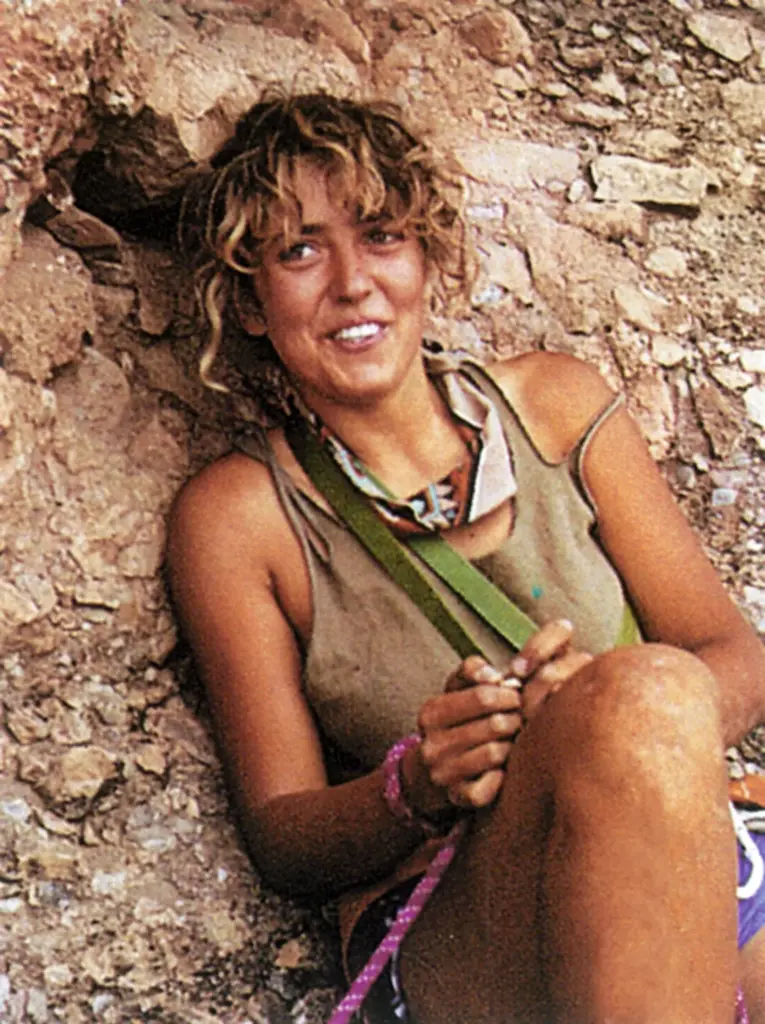
At the end of the 1980s, not everything was easy for Miriam, not even knowing herself to be free. Bring Me Down a Star delves into universal themes addressed by literature such as fear, loneliness, love, friendship, or the search for one’s own identity far from conventional life. There is pleasure and there is pain. Free escape has its tolls. There are certainties but also sharp doubts. Questions she could never answer. To commemorate the 25th anniversary of her death, Desnivel wanted to highlight some of the phrases from the book, barely 65 pages, and chose this one: “I chose freedom as my travel companion and it knows nothing of tenderness and loneliness.”
Read more From Cicero to Marina d’Or, rise and fall of the second home culture