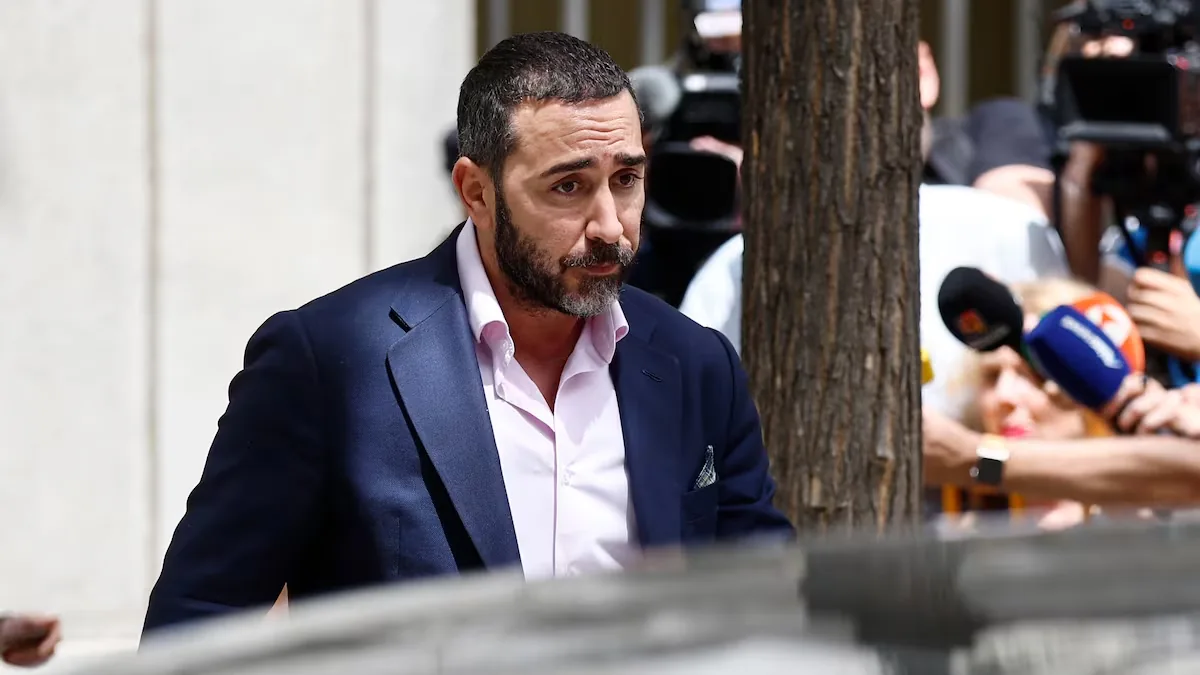
At 19 years old, Francisco Nicolás Gómez Iglesias lost his passport and his name. More than a decade later, he has just recovered the first, the document that allows him to leave Europe and see the world that his friends have told him about for years. He, who blew out 32 candles in April, now aspires to also recover the second, the name that appears on that passport, and to shed forever the alias that catapulted him to fame and buried him in it: El Pequeño Nicolás.
Read more Ukraine targets the heart of Russian trade by bombing four warehouses of the giant Ozon
His case is one of those that divides society’s opinions in two, a society that, at one point, almost turned Gómez Iglesias into a pop icon. On one side, those who learned about his case through the media — his network of contacts, his connection with prominent figures of Mariano Rajoy’s PP, or his maneuvers to impersonate a member of a royal delegation or the National Intelligence Center (CNI) — view with disbelief that, after being sentenced to a total of 12 years and 5 months in prison (initially by the Provincial Court), El Pequeño Nicolás will ultimately not go to jail. On the other side, those who know him as Fran — his friends, family, his circle, and part of the Madrid society in which he moves — argue that what is truly incredible is that the escapades of a teenage “kid” were investigated as if he were a criminal.
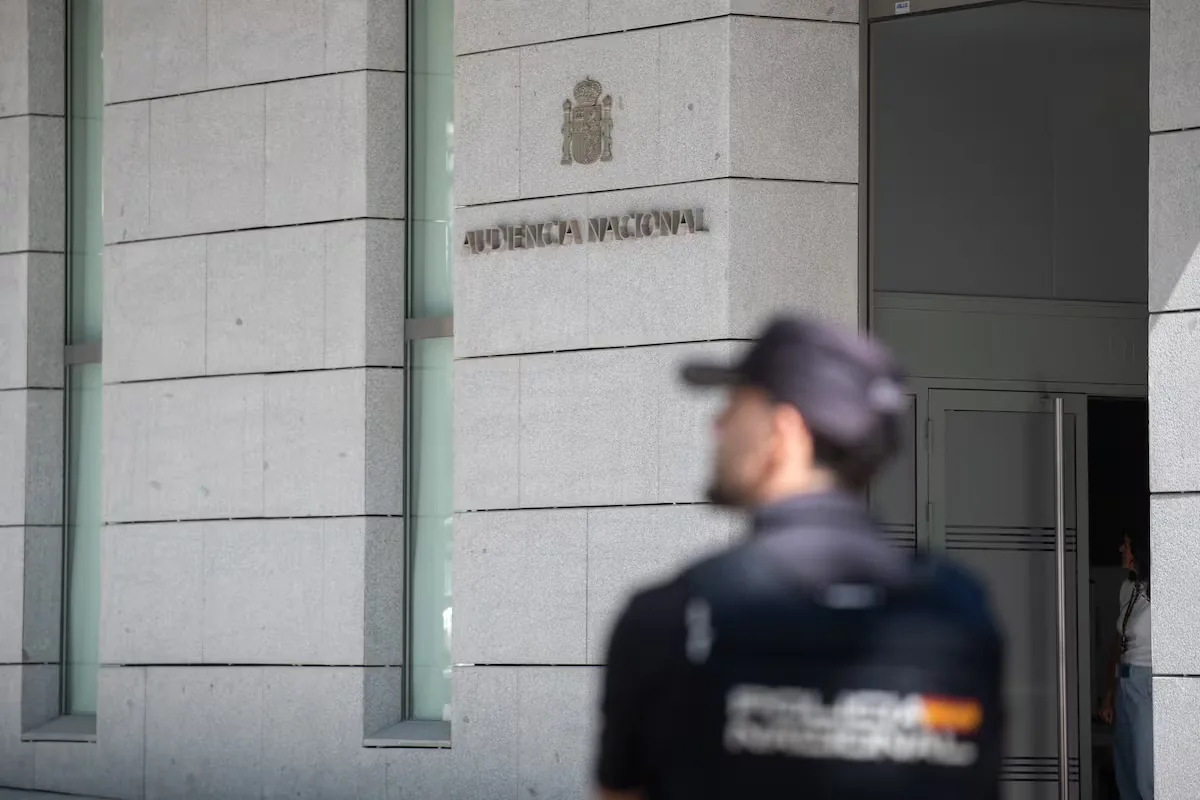
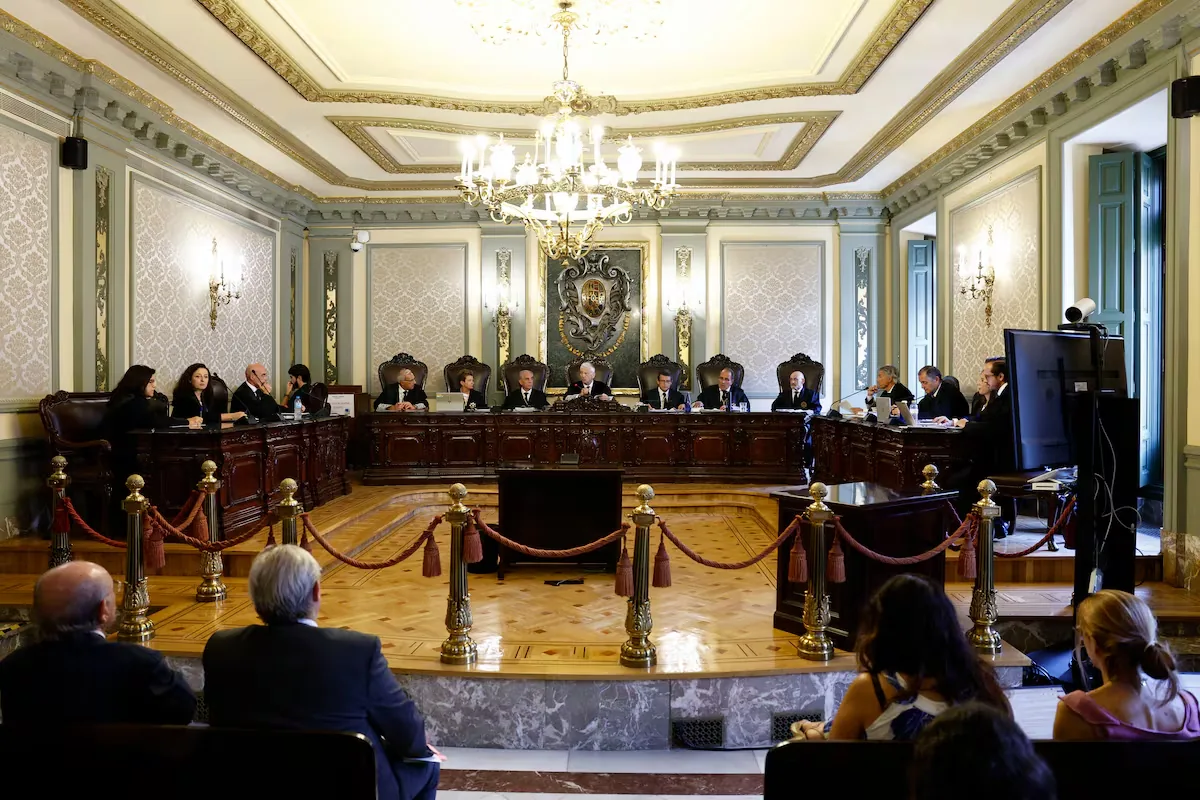
The young man has had to sit on the bench four times since 2021. First, for forging an ID so that a friend could take the university entrance exam for him in 2012 (he was sentenced to one year and nine months in prison for this); second, for organizing an alleged royal delegation to go to Ribadeo (Lugo) to meet with the mayor (he was sentenced to three years in prison by the Madrid Provincial Court, but the Supreme Court acquitted him); third, for impersonating a member of the CNI and the Government in front of businessman Javier Martínez de la Hidalga to do business with a property in Toledo (he initially received a three-and-a-half-year sentence, but the high court removed the charge of usurpation of public functions and reduced it to two years); and fourth, for orchestrating an illegal scheme to obtain confidential information from police databases.
This last sentence was the one that worried Gómez Iglesias the most because it meant four years and three months in prison, which implied going to jail, since the sentence was more than two years — the legal limit to qualify for suspension of imprisonment. But the Supreme Court reduced it to two and a half years because it considered there were undue delays, meaning that from the start of the procedure in 2014 until the last sentence, so much time had passed that the sentence should be mitigated.
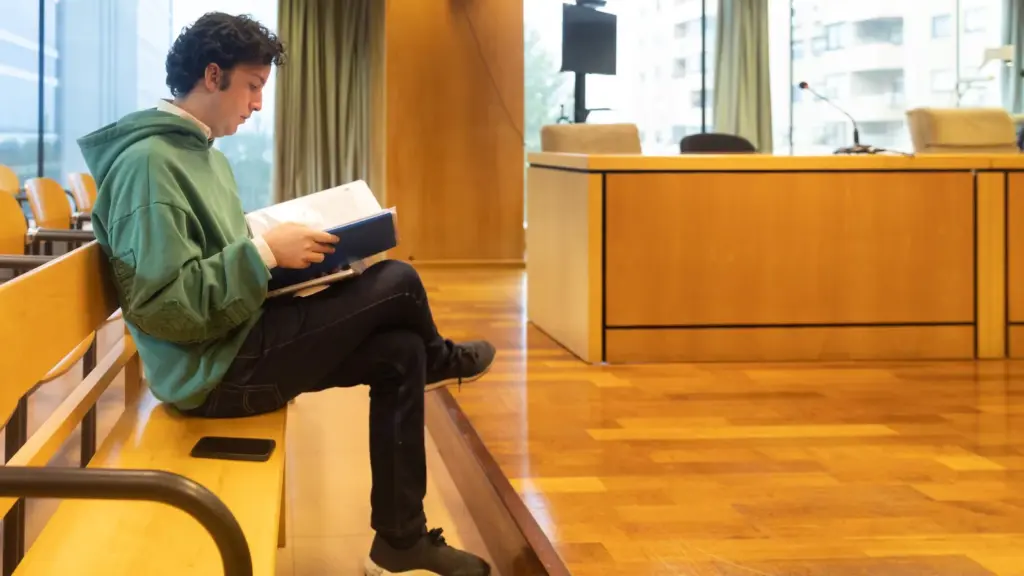
The fact that the sentence for each of the crimes did not exceed two years in prison, combined with the fact that it “is not recorded” that El Pequeño Nicolás “has committed crimes afterward” nor can he be considered a “habitual offender,” is what led the magistrates of the Provincial Court to agree that, with the payment of 1,800 euros and no further offenses, the sentence is considered served. Sources close to him say he received this news “ecstatic” upon seeing that the large case reached the best possible outcome. They indicate that the trials have deflated and the charges have dropped along the way. For example, he was never convicted of fraud, despite often being labeled a fraudster. These sources also defend that attempts have been made to disparage his achievements in court, for example, by using the fact that his lawyer was Manuel Marchena (son of the Supreme Court Criminal Chamber magistrate). The reality is that Marchena only defended him in one of the four proceedings, and in that appeal, his father, the high court judge, recused himself.
“The law allows suspension with these characteristics for everyone equally,” explains lawyer Juan Carlos Navarro, who has accompanied him in most of the trials over the years. “He faced the possibility of going to prison with uncertainty, insecurity, and anguish. Like anyone else. Anyone who tells you they are going to face a trial and have it won is arrogant,” the lawyer replies.
Weaving networks
Last May, while Gómez Iglesias was waiting to find out if he had to exchange his room at home for a cell, he attended the live show of the program Línea de la Cal at the Capitol Theater on Gran Vía (Madrid). He was recognized among the audience, as so often, and hundreds of voices shouted in unison: “President, president.”
—Are you going to run? — one of the hosts asked him.
—No, I’m not into politics — he answered into the microphone.
—If you ran, for which party would it be?
—Of course, for none of the left-wing ones — he replied laughing.
In October 2024, Gómez Iglesias launched a sort of campaign called “Mr. President” through which, by subscription, he sent daily emails to tell “things that no one has told until now.” In his presentation video, published exactly on the 10th anniversary of his arrest, he said: “Although some have tried to finish me off, here I am. I believe the time has come to tell everything,” he explained. Much of what he revealed had already been published by various press investigations or detailed in a documentary that Netflix had aired a few months earlier titled (P)ícaro: El Pequeño Nicolás, and this initiative faded without materializing into a leap into politics.
In recent years, Gómez Iglesias has approached figures such as MEP Luis Pérez, Alvise, with whom he has been seen vacationing in Marbella, or with whom he went to Valencia in the days following the natural disaster of the 2024 DANA. At the same time, he has occasionally made public appearances, especially on online programs and podcasts aimed at young people. “You have to understand that I have been in the spotlight for seven years. I am still in the spotlight… someone who lives my life obviously must have some disorder,” he said in March 2022 on Podcast Club 113. In May of that year, when Carlos Alcaraz won the Mutua Madrid Open, the young man was in the same VIP area as the tennis player at the Tiffanys nightclub during the celebration. And a few months later, his relationship with José Luis Huertas, a hacker nicknamed Alcasec who ended up in pretrial detention for creating a giant illegal database with details of hundreds of thousands of people, became public.
Those who know him say that El Pequeño Nicolás is still involved in everything and has not lost his ability to weave networks and have friends everywhere. But sources close to him assure that now, after the end of the judicial ordeal, he is in a calm process to recover his life, focused on his family and friends, and without, for the moment, any plans related to politics on the horizon.