







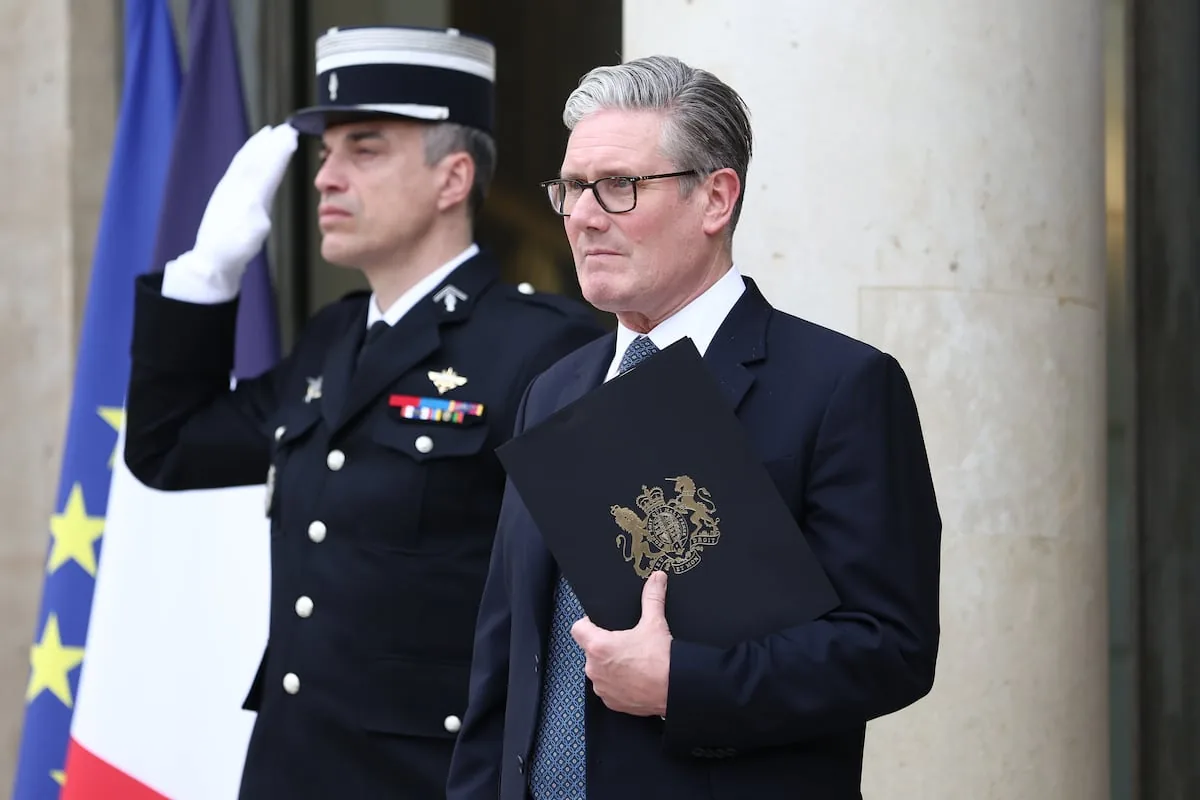
A week to try and survive as Prime Minister. Keir Starmer will voluntarily appear before the House of Commons this Monday to try and explain to MPs — especially those from his own Labour group — the latest scandal surrounding Peter Mandelson, which has resulted in the swift dismissal of the Permanent Secretary of the Foreign Office (the highest-ranking civil servant in that department), Oliver “Olly” Robbins.
Read more Bulgaria heads to the polls with pro-Russian former president Rumen Radev as favorite
The Prime Minister, a former successful lawyer and prosecutor, faces the most devilish case of his life. Starmer must prove that he was not a liar and that he was not inept. That at no point was he informed that the UK Security Vetting Department (UKSV), the independent body that thoroughly examines the personal history of candidates for public office, had vetoed Mandelson’s appointment as ambassador to the United States, which nevertheless went ahead.
That, therefore, neither he nor his ministers pressured Robbins, the only one with the authority to ignore that veto, to proceed with the appointment. That at no point was he informed of the UKSV’s veto, and therefore did not lie to Parliament by assuring that the vetting process in the appointment of the controversial former Labour minister as ambassador had been rigorously followed. That if anyone has reason to be furious about all this, it is he himself, whom his team of senior officials kept in the dark. And finally, that he does not intend to resign.
“It is totally unacceptable that when the Prime Minister has to push through an appointment, he is not informed that the candidate has been vetoed,” Starmer exploded on Thursday in Paris, where he attended to co-chair a meeting with French President Emmanuel Macron to seek the reopening of the Strait of Hormuz. “It is unforgivable and I am very angry about it,” he added.
He is not the only one furious about this matter. Olly Robbins, according to his friends and colleagues who have spoken to the British media, is about to explode. He has been summoned next Tuesday to the Parliament’s Foreign Affairs Committee, and his statements are expected to unleash a storm. He considers himself a scapegoat in a political skirmish. He had been in the position of Permanent Secretary of the Foreign Office for barely two weeks when Mandelson’s appointment landed on his desk, whose turbulent relations with the billionaire pedophile, Jeffrey Epstein, cast serious doubts on the wisdom of that decision.
Robbins is a prestigious senior civil servant, who led Brexit negotiations with the EU for two years, and who was earning a lot of money in the private sector before returning to government.
It remains a complete mystery why he so recklessly risked his reputation and professional prestige by ignoring the UKSV’s veto to push through an appointment in whose decision he had not participated. Unless, and this is the main suspicion plaguing Starmer, the political pressure from above had been very strong.
A complex process
But everything could be more complex than the opposition parties, who this time clearly smell blood and constantly demand Starmer’s resignation, want to portray it.
Many experts point out that the legal obligation of senior officials aware of any decision in a candidate’s vetting process is not to disclose that information to ministers or government members, to preserve the nature of the process.
Read more The footprint of destruction in southern Beirut: “I fear Israel will return to war”
“There has been no abuse of procedure, not even a procedural failure. There is a formal duty not to disclose the details of a vetting. You can never say anything to members of the government, because then the whole system would collapse,” Ciaran Martin, himself a former senior civil servant and personal friend of Robbins, explained to the BBC.
In fact, Downing Street has revealed in recent hours that two other senior officials, Cabinet Secretary Antonia Romeo, and Permanent Secretary of the Cabinet Office Catherine Little, also knew about the veto just two weeks ago, and avoided informing Starmer for fear of breaching their legal obligation of secrecy.
Robbins’ scheduled appearance on Tuesday could, in just a few hours, collapse Starmer’s umpteenth attempt to emerge alive from a monumental political crisis. The Prime Minister has announced total transparency on the matter and has ordered an independent investigation to find out what happened.
But beyond drastic gestures, the political opposition views with skepticism, and even cynicism, the Prime Minister’s new attempt to shake off any blame and present himself as the victim, in a government that keeps lurching.
Many find it incredible that Robbins did not at least verbally warn Starmer and his ministers about the problems that Mandelson’s appointment could entail, after the UKSV had already issued such a strong rejection of that decision. It is true that the former minister’s selection as ambassador to Donald Trump’s Washington had already been announced, even before the vetting process concluded, and a reversal would have been a complete political fiasco. The pressure for the appointment to go ahead was very high, but that does not justify that, according to Starmer’s own version, there was a conspiracy to hide the veto from both him and his close team.
Although many Labour MPs are once again doubting Starmer’s ability to lead the country and the party, for now they will wait. On May 7, municipal elections will be held in England and regional elections in Scotland and Wales. Polls predict a new collapse for the Labour Party and a rise for the far-right Reform UK and Scottish independence.
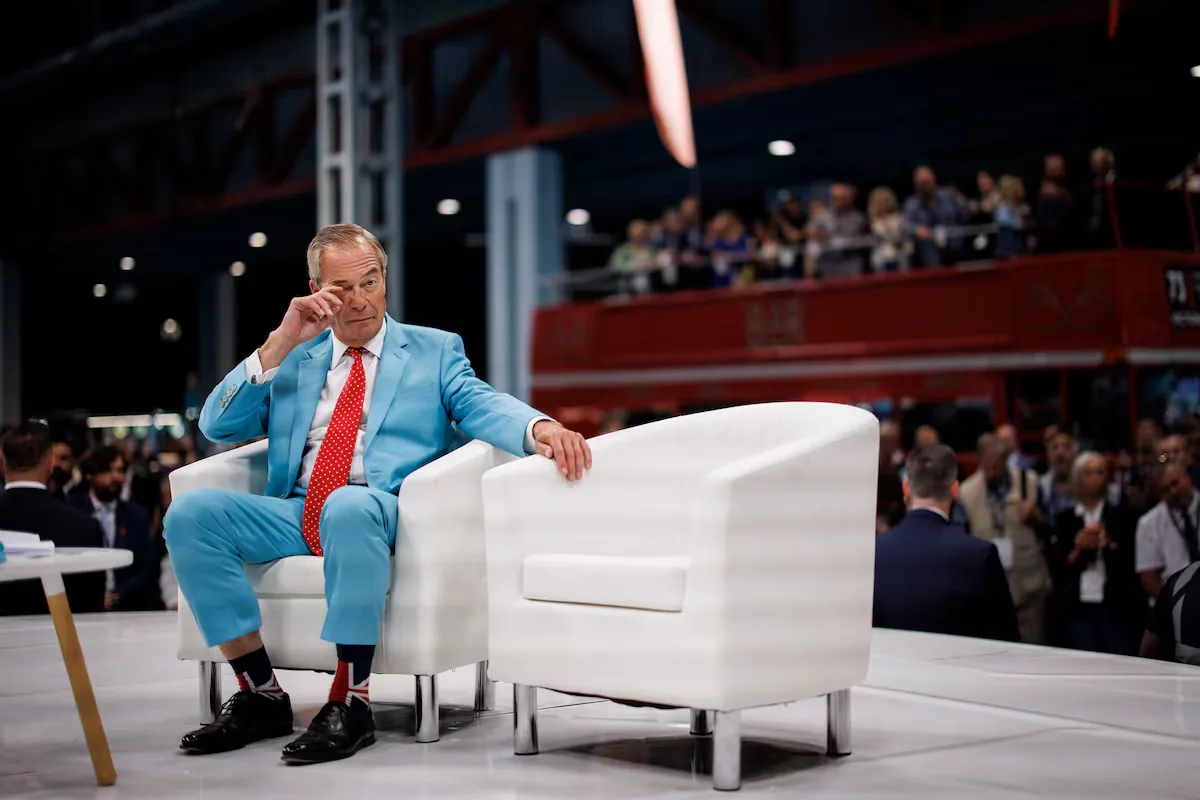
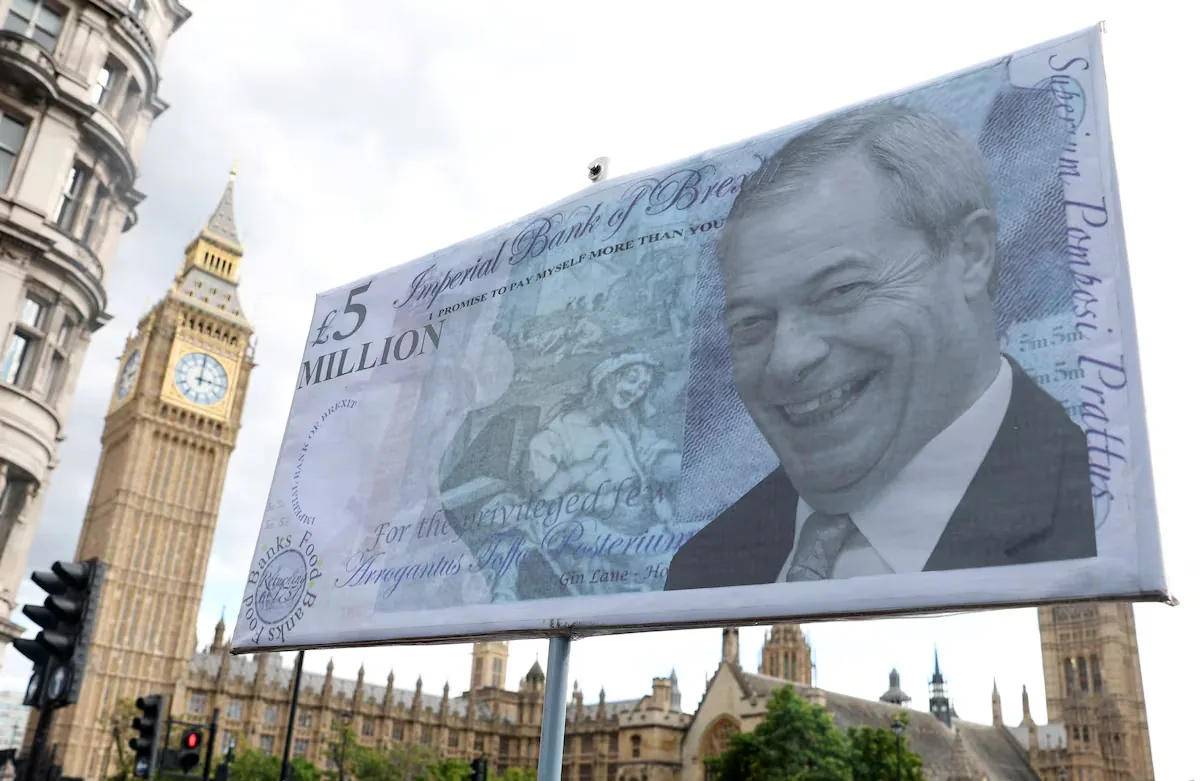
The opposition of the Conservative Party, the Liberal Democrats, and Nigel Farage’s party clamors for Starmer’s immediate downfall, accusing him of blatantly lying to Parliament. The Labour parliamentary group remains silent but is aware that it is entering a decisive week for the future of its Prime Minister.