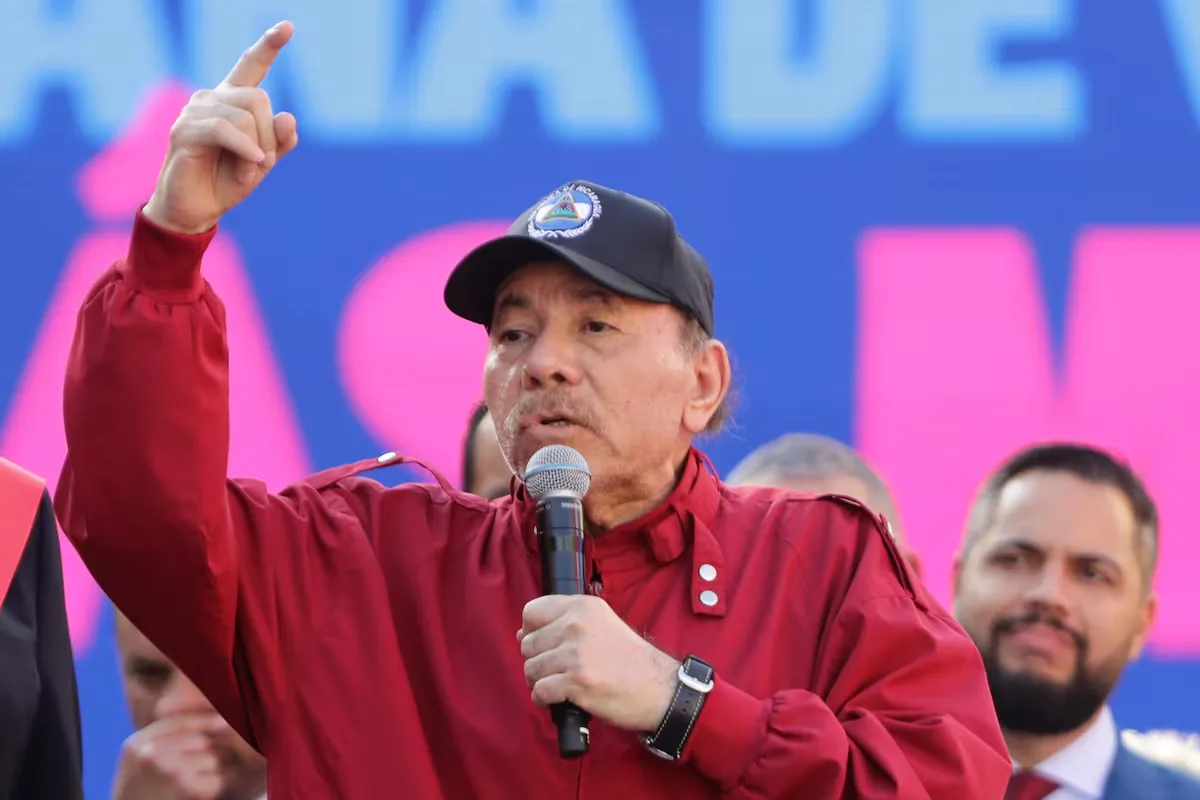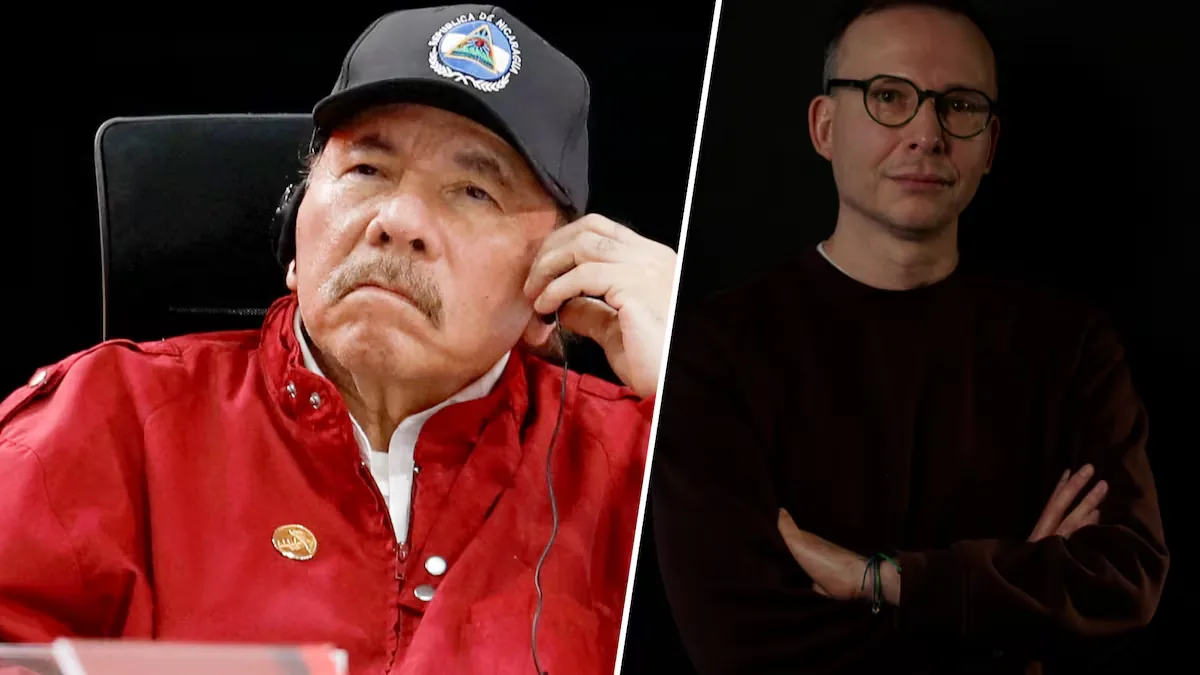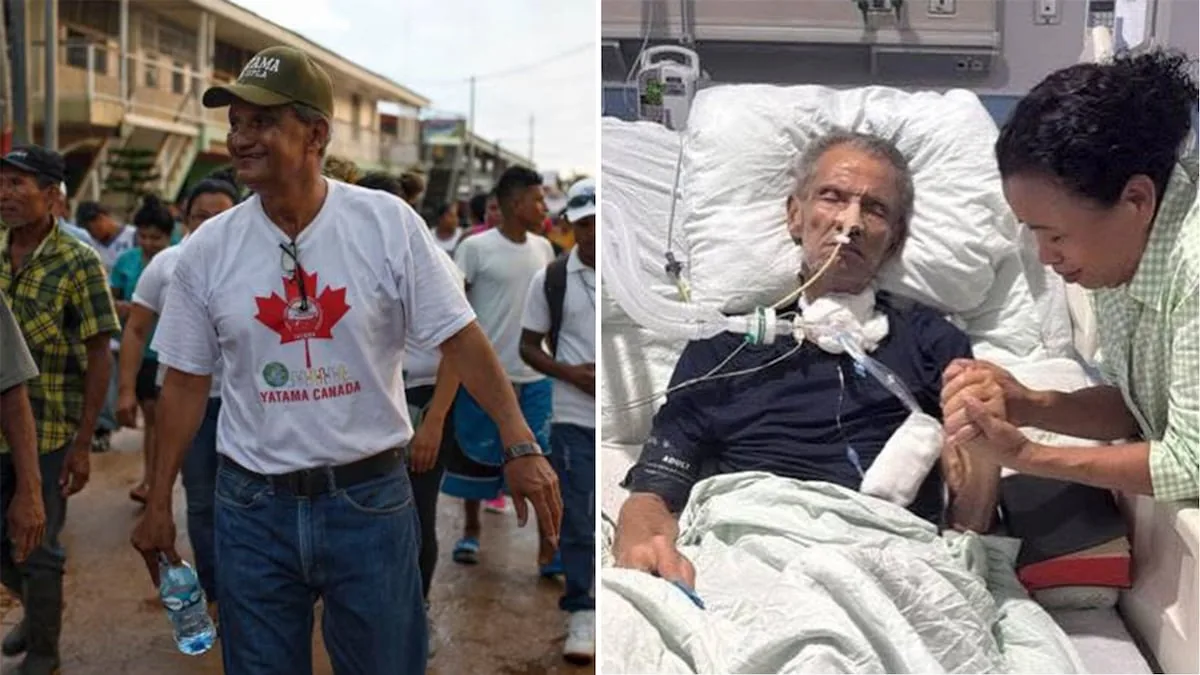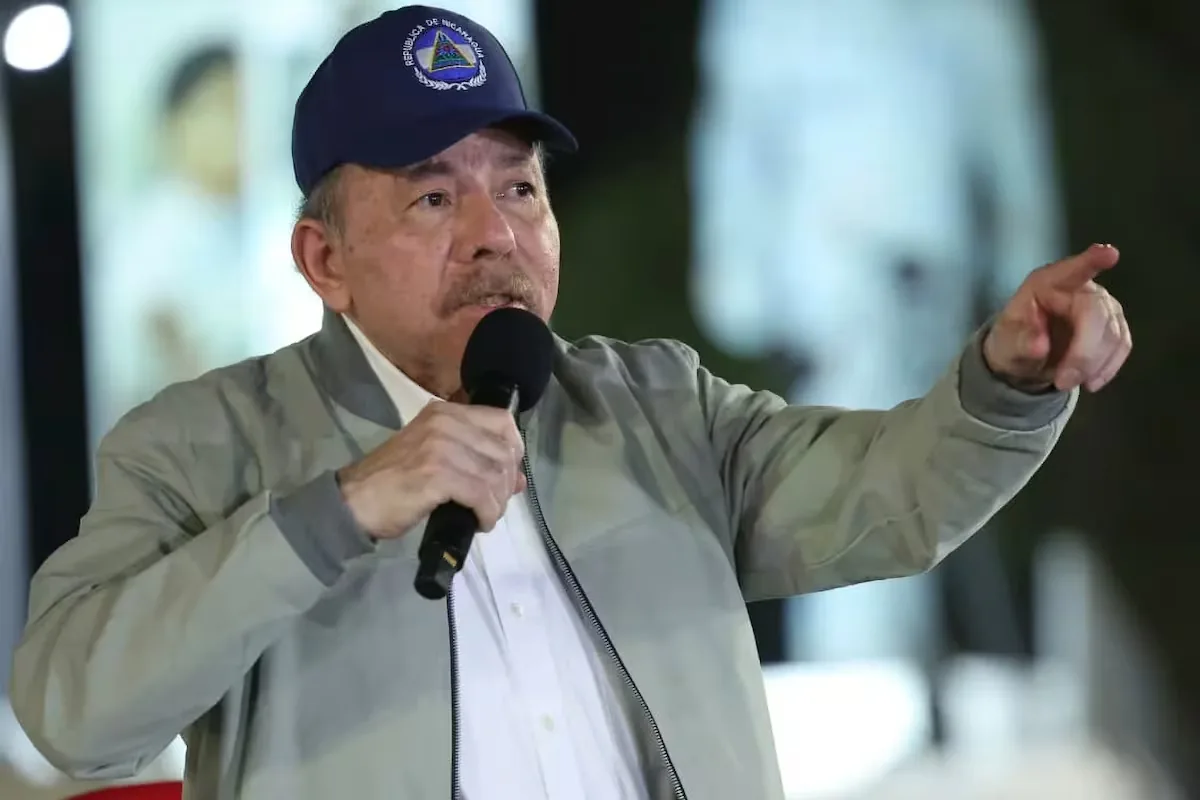
On September 17, the foreign ministers of the American hemisphere will debate at the OAS the worsening political crisis in Nicaragua, after the dictator Daniel Ortega decreed the annulment of democratic elections, to incorporate this prohibition into his Constitution. The expectation around this emergency meeting supported by 29 countries, with the objection of Mexico and the opposition of Brazil, still under the rhetoric of the Donald Trump government to exert maximum pressure against the dictatorships of Latin America, is quite bleak because the background is not promising.
Read more The 40 best-selling Amazon products in August: some cost less than 20 euros
Since July 18, 2018, the OAS has held 16 meetings of the Permanent Council and the General Assembly approving, by majority and unanimously, “forceful” resolutions condemning the Nicaraguan regime for human rights violations and political repression, demanding the restoration of democracy, and advocating for political dialogue. However, all these exhortations have been completely ignored by the co-dictatorship of Managua, which has rather radicalized political repression against the Catholic Church and civil society, imposing a totalitarian regime, and extending transnational repression to other countries with its international allies Russia, China, and Iran.
The OAS foreign ministers, therefore, should not forget that our “tropical Stalin” and the “co-president,” imitator of Jiang Qing, are not statesmen, nor are they leftist intellectuals, nationalists, or citizens with any patriotic common sense, but rather professional dictators, experienced jailers, who master the workings of authoritarian power. Ortega and Murillo have never dialogued, except when they have been up against the wall on the brink of the abyss, as happened during the 100 days of civic insurrection in April 2018, with the people protesting in the streets and barricades, demanding early elections and their exit from power.
Then, they asked the Episcopal Conference of the Catholic Church to convene a National Dialogue, and the day student leader Lesther Alemán confronted the dictator and said on national television: “we have come here to negotiate your surrender,” a decade of official monologue ended. A few weeks later, the self-convened opposition presented to Ortega, through the bishops, a scheduled proposal of political, electoral, and judicial reforms to pave the way for a democratic transition. The official response was the massacre of June and July 2018 carried out by an army of police and paramilitaries and the fateful “clean-up operation,” which left more than 350 murders in impunity, thousands detained, and tens of thousands exiled. Upon regaining control of public spaces, Ortega shamelessly accused the bishops of being “coup plotters” for having been the bearers of the transition roadmap, and imposed a strict police state that prevails to this day.
In February 2019, a second National Dialogue was convened, sponsored by the United States government and the major private sector businessmen of Nicaragua, who had been Ortega’s allies until 2018. On March 29, 2019, a “Agreement to strengthen citizens’ rights and guarantees” was surprisingly announced between the government delegation and the opposition represented in the Civic Alliance for Justice and Democracy. In the Orwellian language of Ortega and Murillo, “strengthening citizens’ guarantees” was a euphemism for committing to restore all violated rights and suspend the police state.
The Agreement comprehensively covers the restoration of due judicial process, the prohibition of arbitrary detentions, the validity of rights to assembly, mobilization, and civic protest, university autonomy, the return of confiscated media, and full freedoms of the press and expression. But Ortega never complied with the Agreement signed by his foreign minister Denis Moncada (now demoted to “co-foreign minister”) before international witnesses, Waldemar Sommertag (Apostolic Nuncio expelled from the country in March 2022) and Luis Angel Rosadilla (OAS expert on electoral reforms, which never came to be discussed at the negotiation table). Meanwhile, four of the opposition signatories — Juan Sebastián Chamorro, presidential pre-candidate, Max Jerez, student leader, José Adán Aguerri, president of the private sector chambers, and jurist Jose Pallais — ended up imprisoned in the Chipote jail on the eve of the 2021 elections.
The failure to comply with that Agreement is the root of the Nicaraguan crisis that has lasted for 8 years, despite the OAS condemnation resolutions. If the presidents of Brazil and Mexico, Lula da Silva and Claudia Sheinbaum, truly defend Nicaragua’s self-determination and demand dialogue to avoid U.S. interference, they should first demand that dictator Daniel Ortega comply with the Agreement signed by his foreign minister in 2019 and lift the police state. The suspension of the police state is the only thing that will return sovereignty and self-determination to the Nicaraguan people, to establish the basis for political dialogue with the opposition civic-democratic movement. Furthermore, Lula and Sheinbaum would have the opportunity to vindicate Brazil and Mexico after their inaction during the monumental electoral fraud perpetrated by Nicolás Maduro in the 2024 Venezuelan elections, and present an alternative for Latin American democracies against the unilateral action policy of the Trump administration.
Read more Amazon celebrates 15 years in Spain with thousands of deals: these are the ones most worth it
The suspension of the police state in Nicaragua, which includes the release of all political prisoners, is a demand that all OAS foreign ministers can adopt by consensus, decreeing the illegitimacy of the co-dictatorship. The OAS can also create a “permanent commission” to monitor and coordinate pressure actions against the Ortega Murillo regime, but ultimately the effectiveness of political or economic pressure depends on unilateral actions taken individually by governments.
Which countries will withdraw their ambassadors or break diplomatic relations with Nicaragua to isolate the regime, as happened in 1979 against the Anastasio Somoza dictatorship?
Which countries are determined to initiate proceedings before the International Court of Justice against Nicaragua for violating United Nations conventions to prevent statelessness and torture?
Will the Central American countries and the Dominican Republic dare to take actions to isolate the co-dictatorship in the Central American Integration System (SICA) and the Central American Bank for Economic Integration (CABEI)?
In an environment of polarization, political fragmentation, and lack of democratic leadership in Latin America and the United States, it is unlikely that most governments in the hemisphere will take decisive actions with short-term impacts in Nicaragua. But the greatest doubts even fall on the country that has the power to execute a partial or total exclusion of the commercial benefits that Nicaraguan exports have to the United States through the CAFTA free trade agreement. In the mirror of eight months of neocolonial tutelage in Venezuela, it is pertinent to ask: what is the immediate priority of the Trump administration in Nicaragua: to support the suspension of the police state to restore democracy, or to maintain the economic stability provided by the co-dictatorship, and its collaboration with its anti-migration and drug policy?
In the coming weeks, the OAS foreign ministers will answer some of these questions, while the internal crisis of the regime in Nicaragua will continue, fueled by the purge of the dynastic succession, and the resistance of public servants, civilians and military, who must be part of a national solution.
Read more The Government promotes a regulation to end the exclusion of people with comprehension difficulties