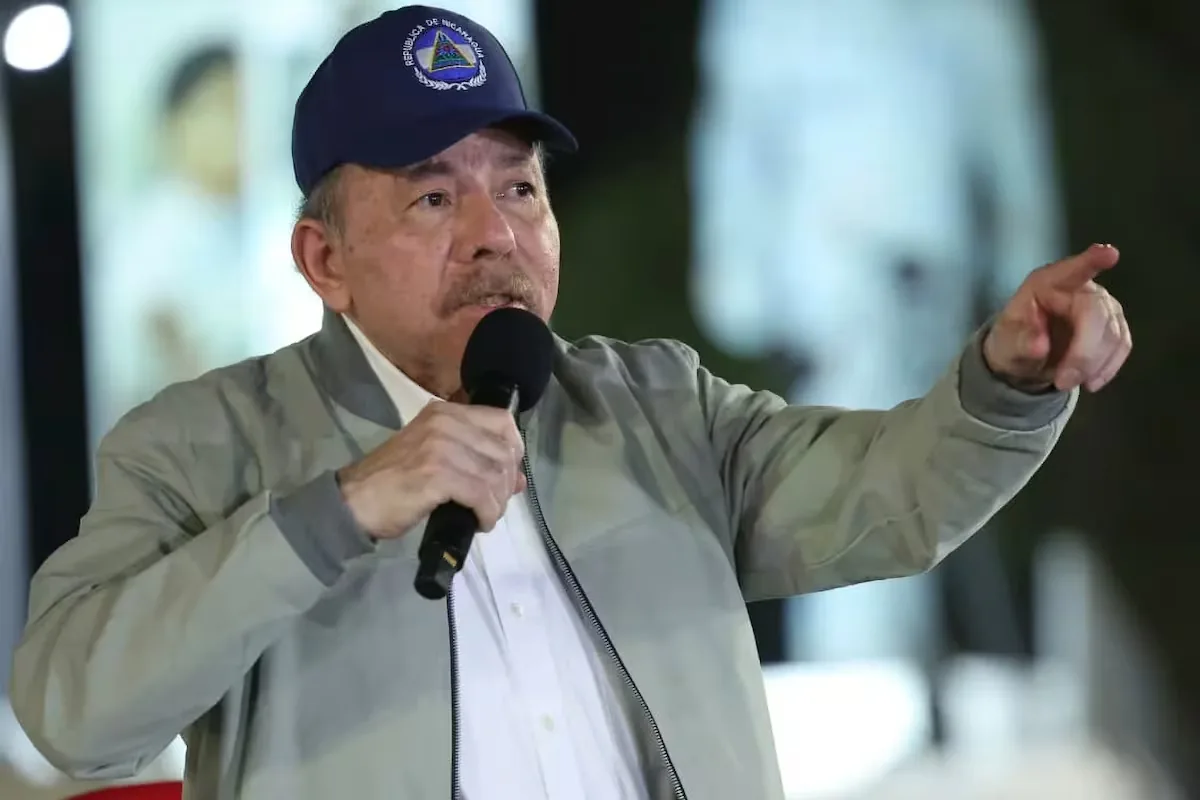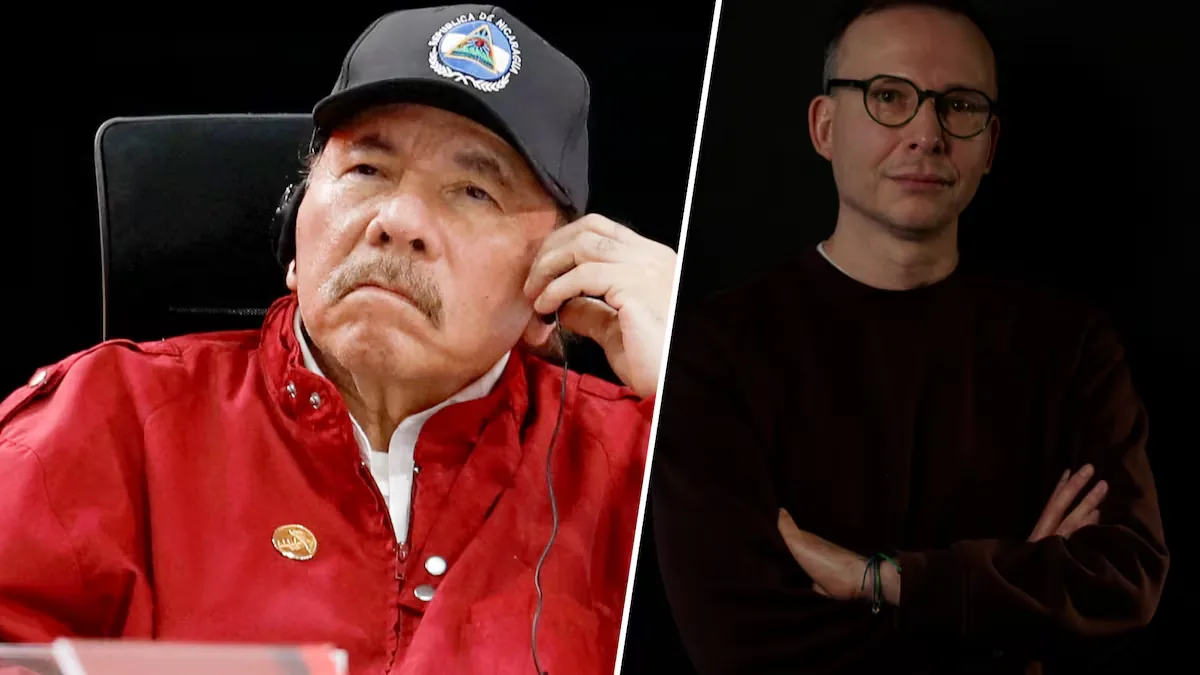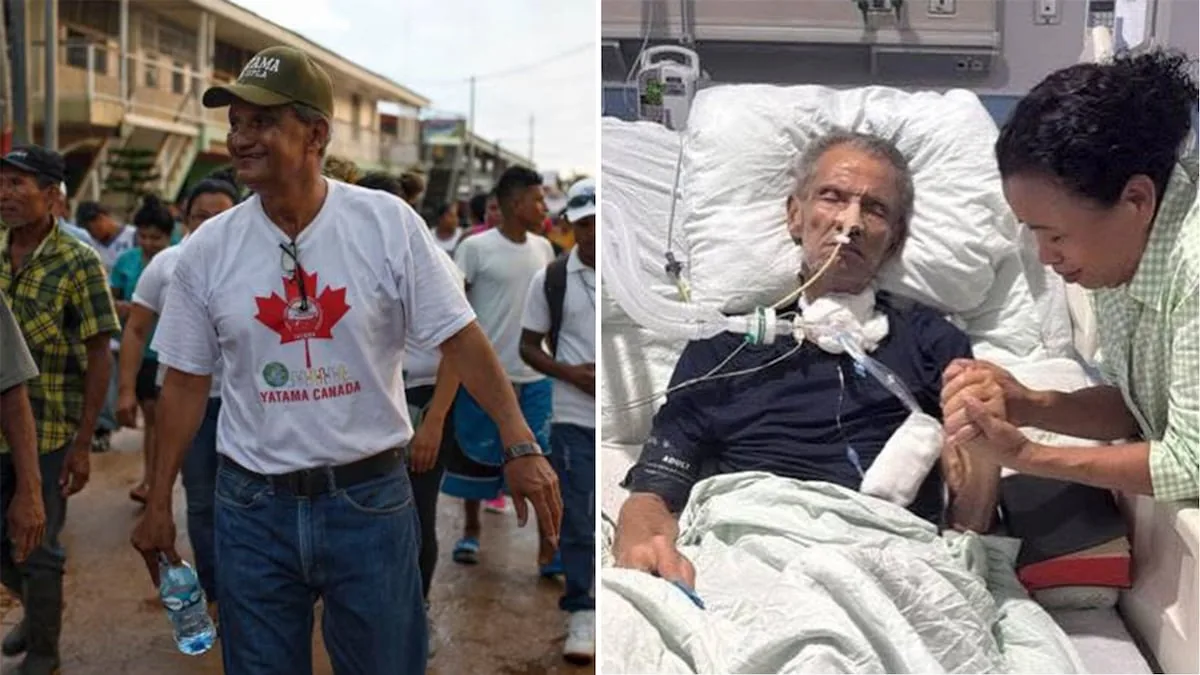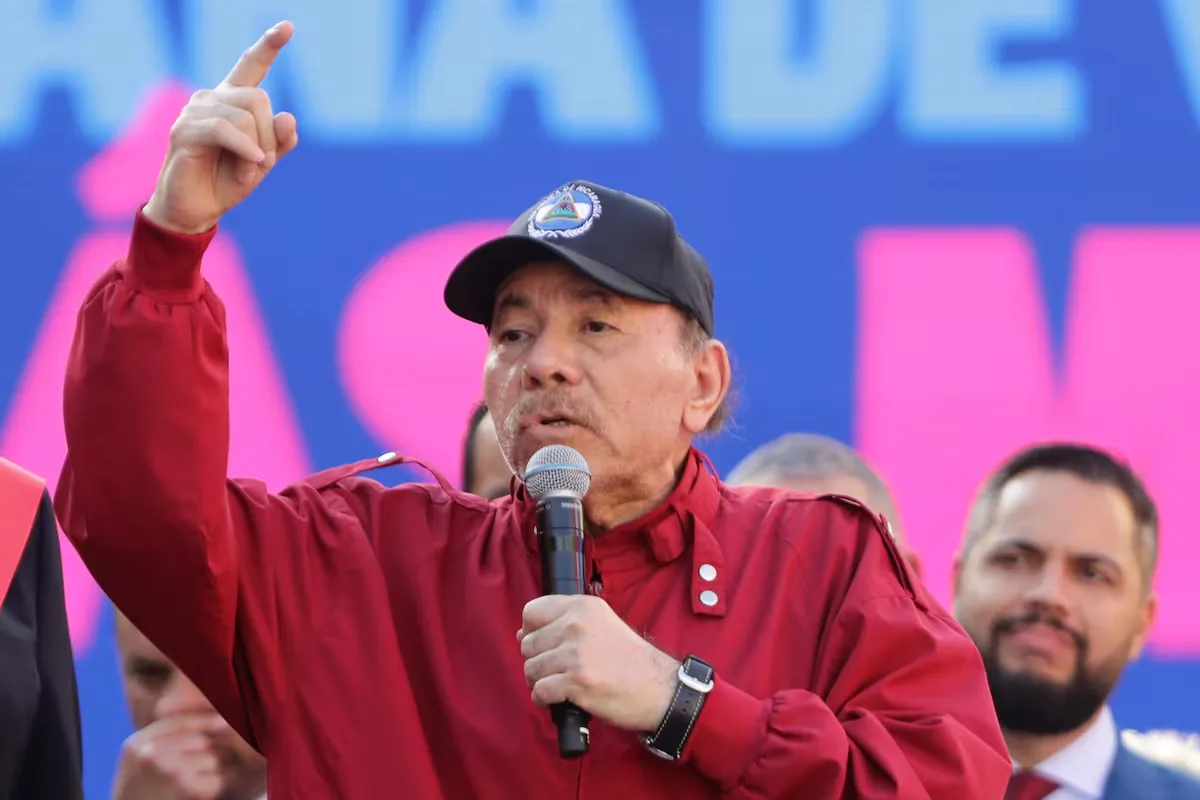
After his challenging “there will be no more elections here,” which provoked widespread condemnation, the Nicaraguan Parliament, loyal to Daniel Ortega and his wife, co-president Rosario Murillo, approved on the night of September 1 a constitutional reform that extends their time in power by one more year, increasing it from six to seven years. This eliminates the election scheduled for November 2026 and postpones the next elections until 2028.
Read more The order of loyalties
This is a move similar to the one executed in 2025 to perpetuate themselves in power, when deputies approved a prior amendment to establish the “co-presidency” and extend the presidential term from five to six years. Now they extend it from six to seven after 45 days of uncertainty, triggered by Ortega’s expressed intention on July 19 to definitively abolish the elections.
“The terms of the authorities elected by popular vote in the latest valid General, Municipal, and Regional Elections are extended to seven years,” reads the article approved by the ruling party in a session held in León, a city in western Nicaragua, at the foot of the imposing colonial cathedral where the remains of the poet Rubén Darío rest — the poet idolized in this Central American country and whose figure was invoked repeatedly by the president of the National Assembly, Gustavo Porras, to justify the reforms. Since it is a constitutional reform, it requires ratification in two legislatures: the second is scheduled for January 18, 2027, according to Murillo.
Veto to the opposition
The reform shields in the Magna Carta the exclusion — which was already operating de facto — of the opposition, by vetoing public office, candidacies, or party leadership to those whom the co-presidential regime considers “linked to coup attempts, foreign financing, international sanctions, or acts against sovereignty,” as well as those labeled “traitors to the homeland.”
Opposition lawyer in exile Juan Diego Barberena considers that the reform does not explicitly establish “in a taxative, that is, express manner” the end of elections, although in practice it produces an identical effect. “It prevents the possibility that the people of Nicaragua can freely choose, because they will only be able to choose among the options of the dictatorship, the options that the group in power considers can participate in an election,” he argues.
The amendment also extends to seven years the terms of popularly elected positions and the leadership of the Army and Police, while granting the Supreme Electoral Council greater powers to cancel parties and sanction candidates or leaders for alleged violations of sovereignty. It also moves the inauguration date from January 10 — a date linked to the assassination of journalist Pedro Joaquín Chamorro, a symbol of freedoms now curtailed in Nicaragua — to January 18, in tribute to Rubén Darío.
More time in power
However, the reform represents a retreat in the face of the threat launched by Ortega on July 19 to definitively dismantle the electoral system. After criticism from the United States, the Organization of American States (OAS), and other international actors, the regime chose to slow down: it does not formally eliminate the elections but prolongs its stay in power and further narrows the margins for real competition.
Read more The second years of the 4T
Barberena also warns that the text may undergo modifications in the second legislature. “I believe that in the second legislature they may add some issues related to the automatic renewal of this seven-year mandate, because experience shows that they add other things at that stage,” he notes. He also sees a political calculation in the maneuver: “Extending to seven years and, consequently, remaining in power until 2028 — which is a usurpation of power, politically and legally speaking — is also done calculating to get through the Trump administration’s crisis.”
Along the same lines, former opposition deputy Eliseo Núñez interprets the extension of the mandate as a strategic move to coincide Ortega and Murillo’s stay with the end of the Republican president’s term. In his view, the co-presidential regime seeks to gain leverage for a possible negotiation with the international community on electoral conditions, but postponing any commitment until 2028. “Thus, if they don’t comply, Trump will no longer be there to force them,” he says, referring to the threat posed by the magnate’s administration after Nicolás Maduro’s capture.
The reform was ratified while the OAS keeps a meeting of foreign ministers in suspense to address the situation in Nicaragua, convened after Ortega’s threats against the elections. The initiative was supported on August 19 by 29 countries of the Permanent Council. The United States had pressured to hold the meeting before September 1, but delegations have yet to agree on a date amid disagreements over measures to be taken against Managua.
Brazil was the only country to vote against the call and Mexico abstained. After that vote, eleven opposition and civil society organizations from Nicaragua sent letters to both governments requesting a more active stance. Brazil was asked to support “coordinated diplomatic and peaceful actions” to restore freedoms and create conditions for free, transparent, and observed elections; while Mexican President Claudia Sheinbaum was urged to exercise Mexico’s “prestige and leadership” to contribute to a democratic, peaceful, and orderly transition.
If definitively approved in the second legislature, the reform will elevate to constitutional rank an electoral system that already operated without effective competition. In 2021, the main opposition candidates were imprisoned before the vote; now, the new text will regulate the regime’s power to decide who competes, who organizes politically, and who is excluded beforehand.
Read more Colombia seeks who will finance the highest debt in its history