EL PAÍS offers the América Futura section openly for its daily and global informative contribution on sustainable development. If you want to support our journalism, subscribe here.
Read more The $1.2 million house seized from Mencho’s son-in-law in California, disputed by the Lebarón family
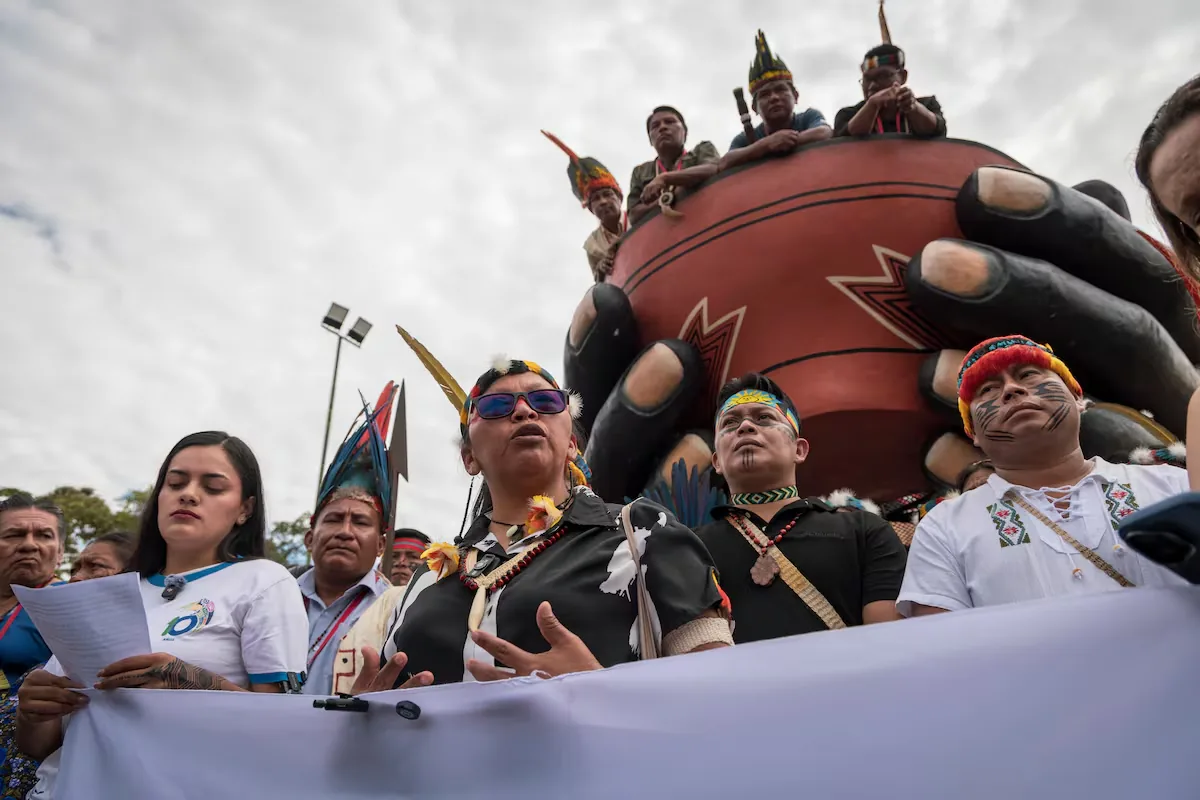
“The jungle is not for sale, the jungle is defended,” shouted Juan Bay through a megaphone. Beside him, men and women of the Waorani indigenous nationality from Ecuador held up dozens of signs revealing the reason for the gathering in this public space in the Amazonian city of Puyo. “Yasuní is at risk and the State does not listen” and “Mandatory popular consultation” were read on several red rectangles, while on others in green, white letters highlighted the phrase: “Enough exploitation of the Amazon.” In front of everyone, as if the message was still not clear, a red flag stood out: “Yasuní free of oil: an opportunity to stop the climate crisis.”
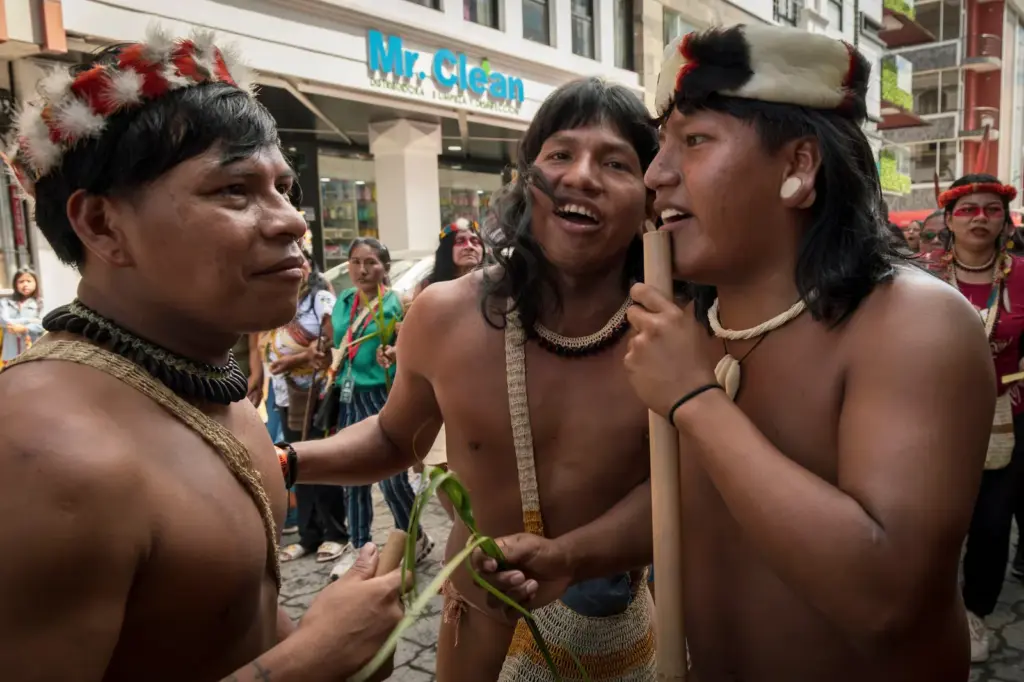
It is August 20. It has been three years since a day when Ecuadorians went out to vote whether they were for or against the oil project. Eleven days later, the results of the popular consultation were known: 60% voted to leave the oil underground in block 43, located in Yasuní National Park. About a hundred Waoranis marched through the streets of the city of Puyo not only to commemorate the date but to demand the closure of these wells.
It has been three years since it was established that within one working year all activities related to oil extraction should be progressively and orderly withdrawn. At the moment, the block is still operating and, according to information from the state company Petroecuador, 59 of the 247 wells have been abandoned. Only 23% of the wells.
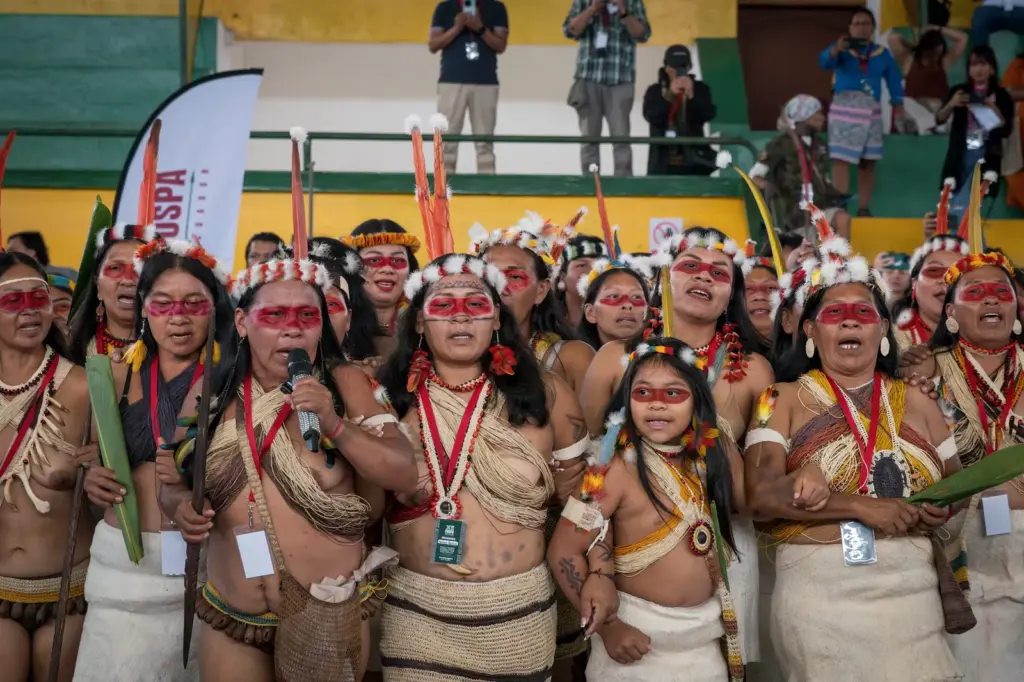
Accompanied by representatives of organizations focused on conservation, civil society, and representatives of the other 10 indigenous nationalities of the Ecuadorian Amazon, the protesters headed to the governor’s office to file a formal complaint with the local government representative and a proposal with concrete actions for the closure.
A long wait
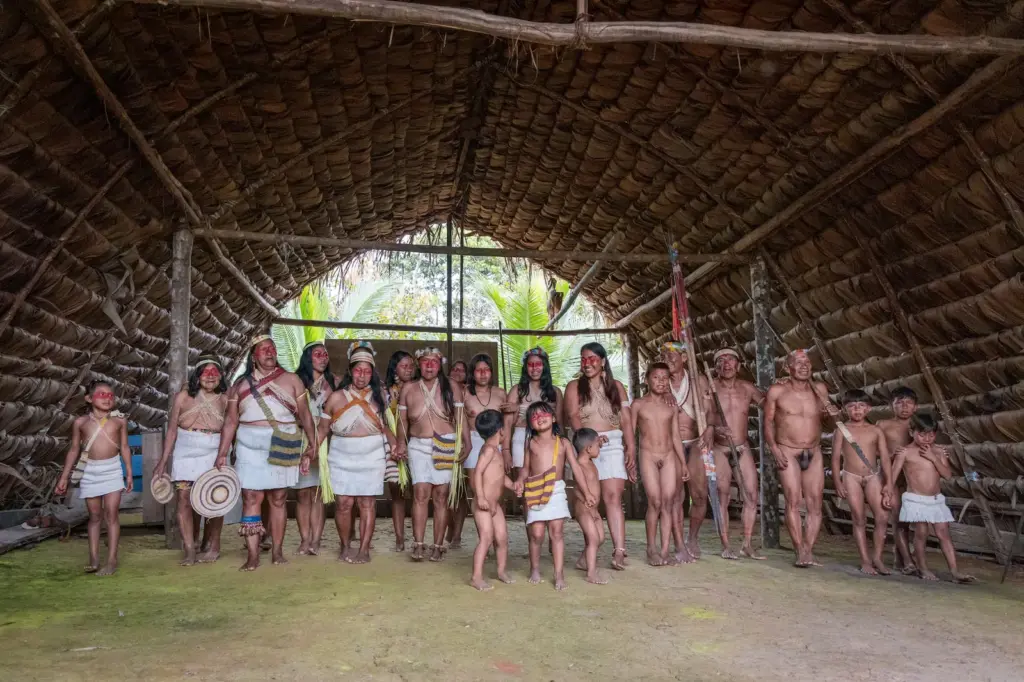
“Yasuní is our home, our temple, and the house of our ancestors,” says Nemo Guiquita, Waorani leader and Bioeconomy director of the Confederation of Indigenous Nationalities of Ecuador (Conaie). Besides being considered one of the most biodiverse sites on the planet, for this indigenous nationality, this National Park has a special connotation, as it is considered part of their ancestral territory and is home to Indigenous Peoples in Voluntary Isolation such as the Tagaeri and Taromenane, whom they consider their brothers.
The struggle to stop oil exploitation in the ITT block (Ishpingo, Tiputini, Tambococha) dates back to 2013 when the Yasunidos collective, along with indigenous peoples and other civil society organizations, began collecting signatures to reverse the decision of former president Rafael Correa to authorize extraction in this area.
Although they collected the required number of signatures, these were dismissed and exploitation began in the block. After a 10-year battle in different instances, the Constitutional Court recognized these violations and allowed the Popular Consultation of August 20, 2023.
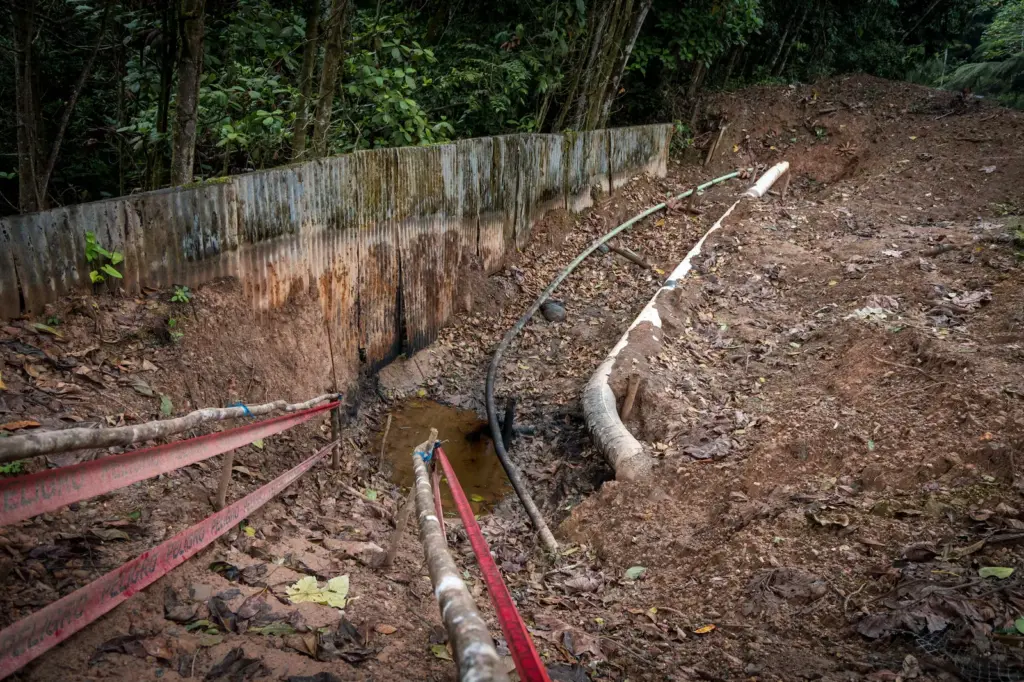
Pedro Bermeo, legal coordinator of the Yasunidos collective, defines the actions taken during these three years as “limited progress.” Although extractive activity should have stopped, today the well produces around 40,000 barrels of oil daily. Although it is less than what this block was generating in 2023, which reached 55,000 barrels daily, it is still in operation.
In May 2024, President Daniel Noboa ordered the creation of a committee to dismantle block 43. However, so far, the actions being promoted by this body composed of representatives from the Ministries of Energy, Environment, Economy, and Petroecuador have not been disclosed. Up to the publication of this report, Petroecuador did not respond to questions sent about the current status of the committee.
Read more Ortega suspends this year’s elections and extends his term until 2028
During these years, Bermeo has submitted at least six documents to the Constitutional Court and, on August 20, the Yasunidos collective delivered a new document for the non-compliance with the popular will with evidence showing more pollution in block 43, supported by a scientific study from Pennsylvania State University.
A joint action plan
From the oil sector, the decision of Ecuadorians to stop exploitation in this block will have consequences. “It has been three years of this unnameable and ineffable closure of such an important block that was just beginning to be born,” says Nelson Baldeón, consultant in energy geopolitics and strategic resources at the Institute of the Americas in Houston. For the oil specialist, the decision was not based on technical criteria and represents harm not only to the country but also to the communities that depended on these jobs.
However, Waorani representatives maintain that they did not perceive the benefits of this exploitation. “We have been on the front line for many years experiencing the impacts firsthand,” says Bay, president of the Waorani Nationality of Ecuador (NAWE). To support their demands, during the Pan-Amazonian Social Forum (FOSPA), held in Puyo in mid-August, the Waorani presented the first census of their population.
The main results reveal that 72% of the Waorani take more than four hours to reach a health center, 6 out of 10 homes do not have electricity, and 72% of households do not have an adequate sanitation system. “Governments say oil is development, a transformation, but 60 years have passed and it has only left us social and environmental impact and a problem with diseases,” adds the leader, originally from the Bataboro community.
Therefore, in the document they delivered to the Pastaza Governor’s Office, 12 concrete actions are included to ensure a progressive closure and protection of their territory. Among these, they demand creating, together with the Waorani nationality, a closure and dismantling plan, developing a baseline of areas affected by oil activity, designing a restoration plan, and establishing a plan for the protection of the Tagaeri and Taromenane.
In 2024, the Inter-American Court of Justice issued another ruling condemning the state for violations against isolated peoples. Among the measures established is compliance with the popular mandate to stop extraction and the progressive withdrawal from this block.
Among the actions proposed by the Waorani is also the development of a labor transition and adaptation plan for people linked to oil activities in block 43 and designing an economic diversification strategy for communities that maintain dependence on income derived from the oil industry.
If there is no response to this document, Bay explains they will resort to other legal instances but will not stop. “Our struggle has been to teach the world and society that a right cannot be negotiated or sold. A right is executed and applied,” he concludes.
Read more The order of loyalties