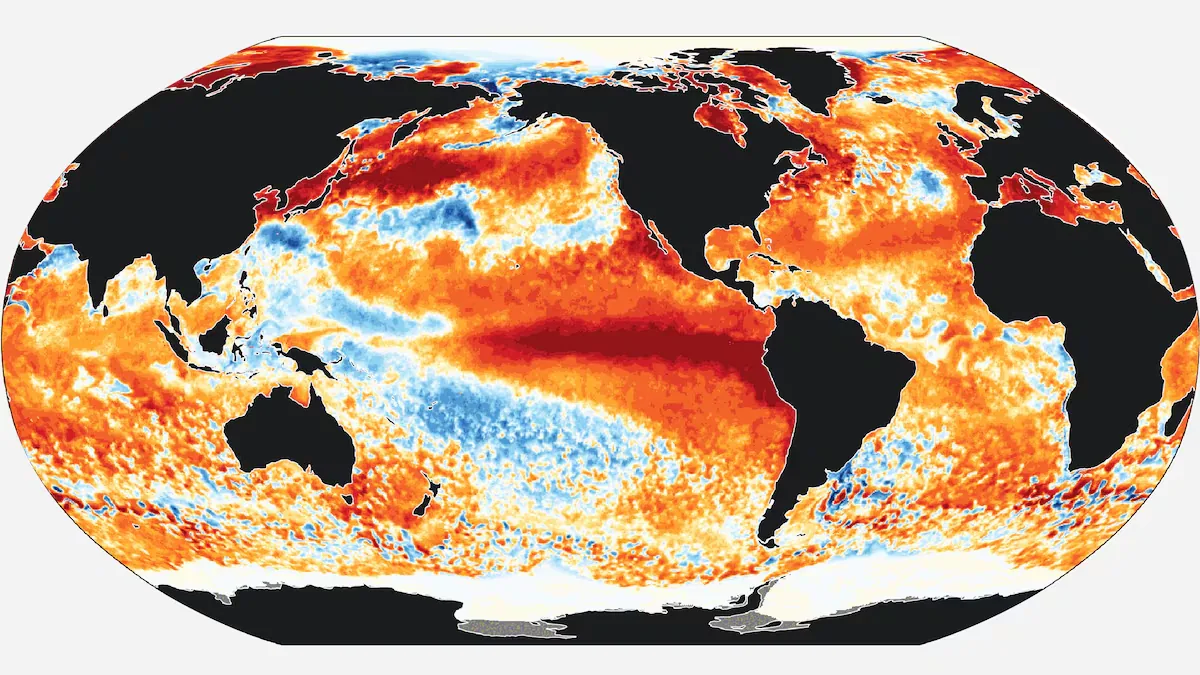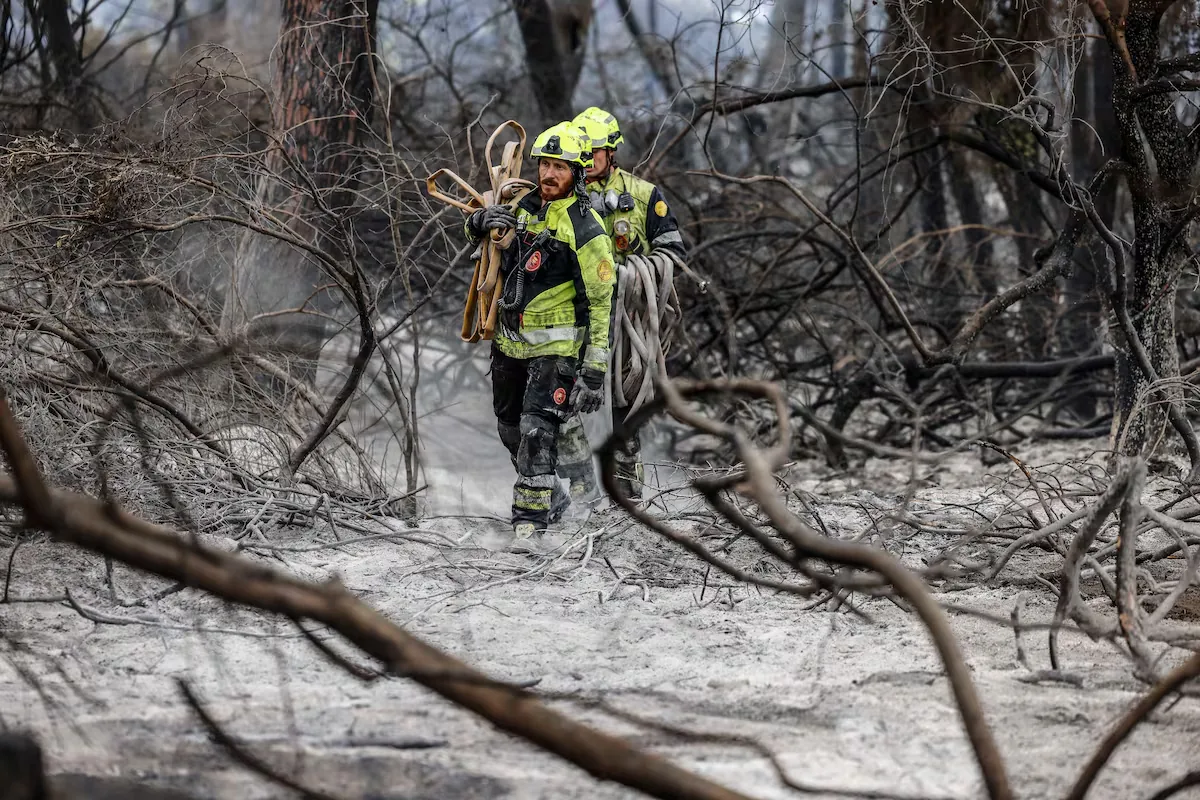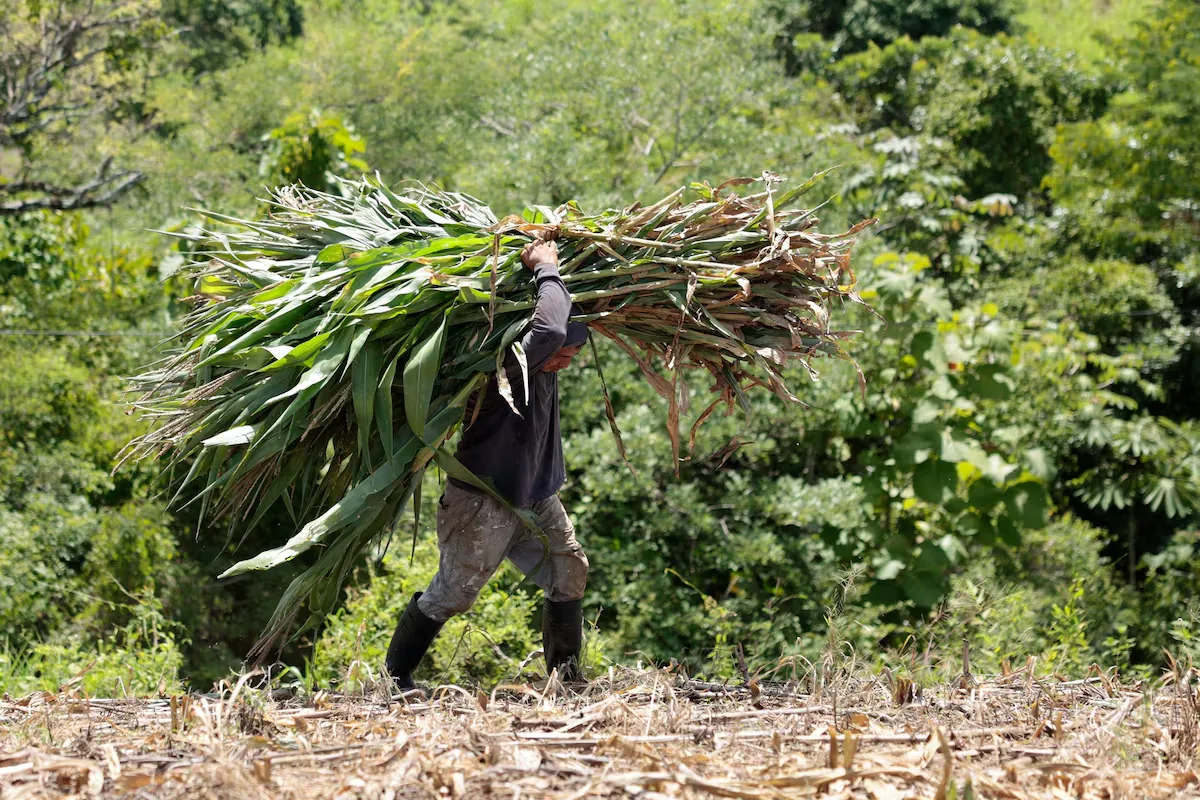
The global warming that the planet is experiencing mainly due to the burning of fossil fuels is the great disruptive element of the global climate. But now a cyclical natural phenomenon, El Niño, which contributes to raising the average global temperature even more and modifies rainfall patterns in many regions, is superimposed on this human-caused problem. El Niño, a climate pattern characterized by increased heat on the water surface in the tropical Pacific areas that ends up having effects worldwide, has been active since June and is already causing havoc in Latin America, ranging from droughts to floods. And the World Meteorological Organization (WMO) is closely monitoring its evolution to warn of the effects of an event that this time will be very intense.
Read more The far right tries to inflame Manresa with false data about the perpetrators of a crime
“The episode is expected to reach a very strong intensity before peaking towards the end of the year,” explains the WMO in its monthly bulletin on El Niño. In fact, since June the sea surface temperature in that key Pacific area has been increasing week by week. The novelty of the bulletin published this Thursday by this UN-linked organization is that there is a 100% probability that this El Niño episode will last at least until February 2027.
El Niño usually occurs with a periodicity of between two and seven years, and its duration ranges from nine to twelve months. Normally, it begins to form between March and June, and reaches its peak between November and February.
“A very strong intensity El Niño episode [like the one that is beginning to develop now] increases the likelihood of substantive changes in temperature and precipitation patterns in many parts of the world,” notes the WMO. “However, the intensity of a given event does not have a direct correspondence with the magnitude of its effects in any specific region,” it adds. Basically, what this organization suggests is that there is uncertainty about how the impacts linked to El Niño will evolve. Because no two are the same.
Read more Elie Saab launches a collection with H&M: “I am proud that anyone can now buy a design of mine”
In fact, the severity of its consequences can vary greatly. El Niño has previously brought — the last time it occurred was between 2023 and 2024 and record global temperatures were registered — changes in temperature and precipitation patterns worldwide, as well as increasing the risk of extreme weather events.
“The El Niño phenomenon is taking on enormous proportions before our eyes. Science leaves no doubt: the planet is entering unknown waters, waters that are warming,” said the United Nations Secretary-General António Guterres through a recorded video message. “The sea surface temperature is increasingly high, temperatures keep rising, and the world is already in the danger zone of extreme weather events,” he added.