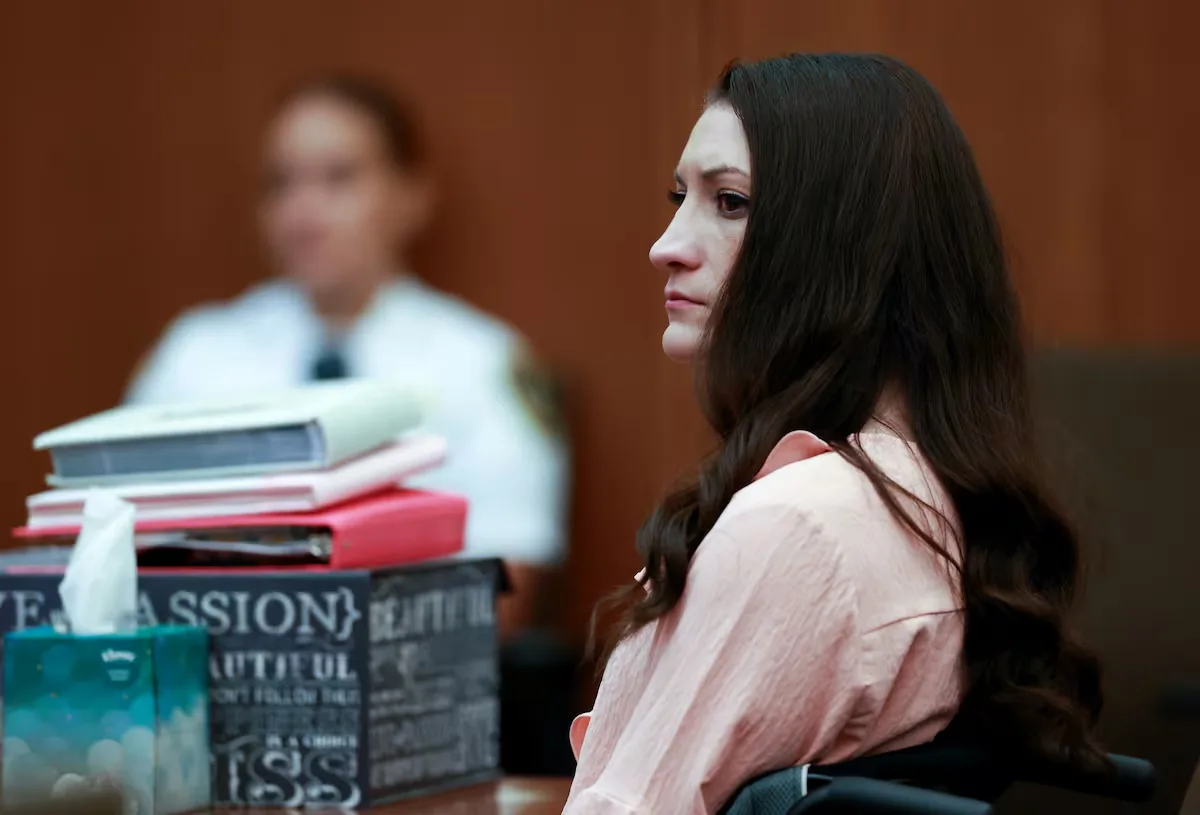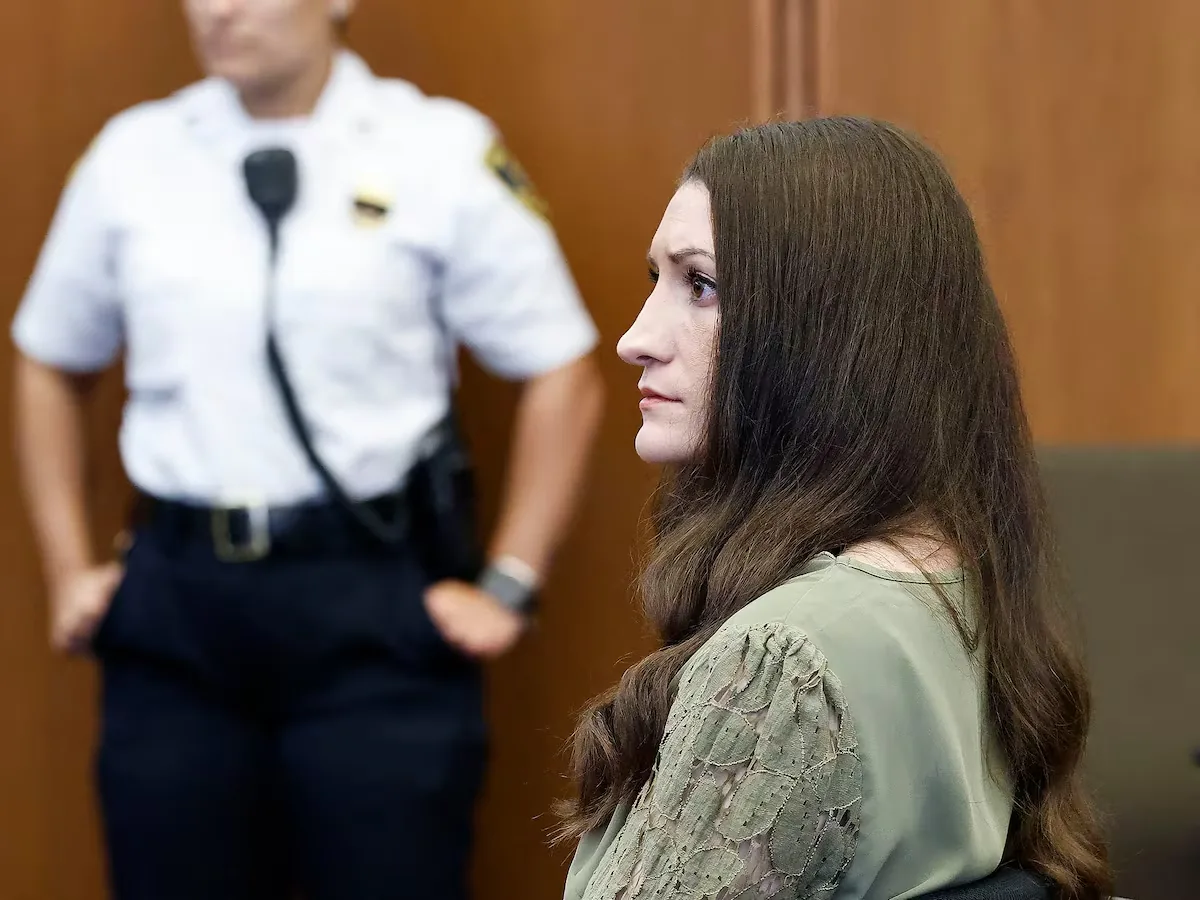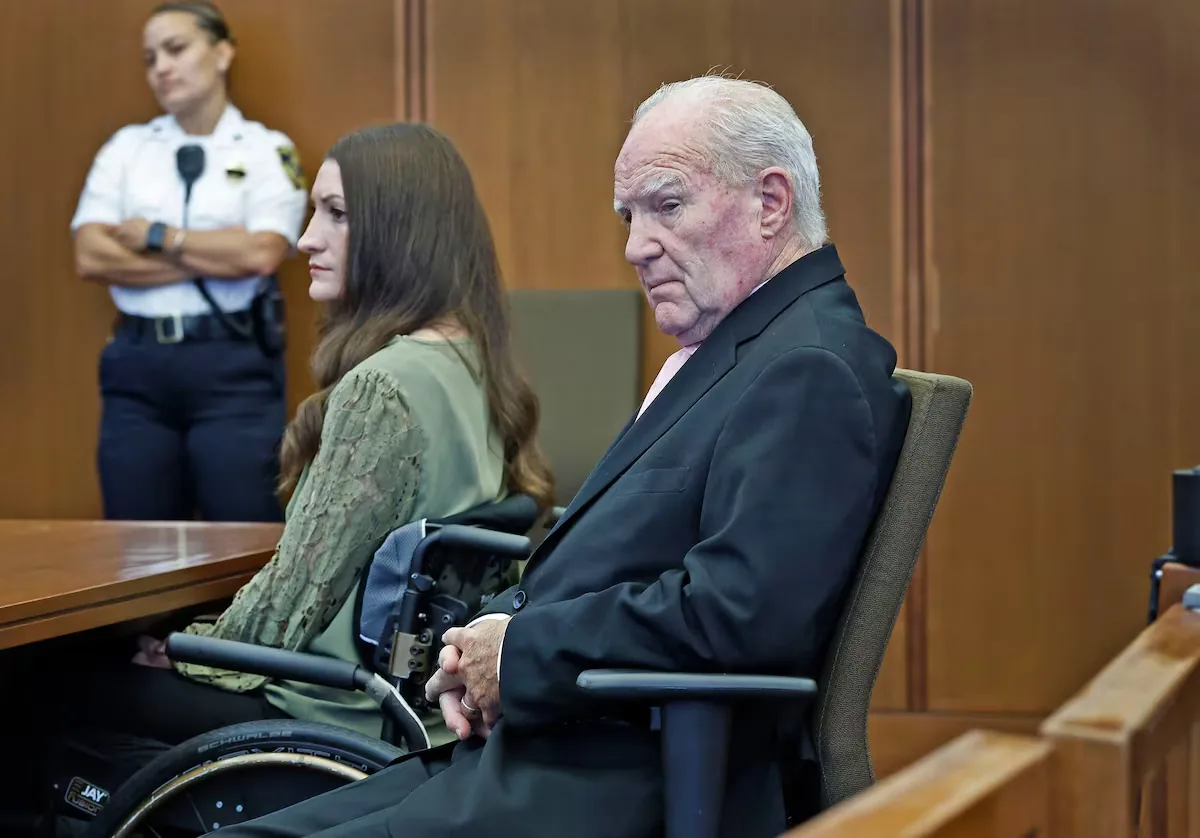
The legal drama surrounding Lindsay Clancy, broadcast live over the past six weeks and passionately followed by people around the world, is about to end in a deadlock that threatens to force the entire process to be repeated. The 12 jurors have failed to reach a verdict, so the trial of the nurse who strangled her three children at her home on the outskirts of Boston on January 24, 2023, is heading towards a mistrial declaration.
In a day of maximum tension, Judge William F. Sullivan announced that he was going to declare the trial null, but the defendant’s lawyer, Kevin Reddington, managed to get an in extremis one-hour extension when the magistrate was already about to annul the process. Reddington requested an emergency appeal to a higher court as the jury—composed of nine women and three men—was on its way to the courtroom to formalize the mistrial.
According to clues given by the lawyer, the deadlock came from one juror who disagreed with the favorable verdict for Clancy that the other 11 wanted to sign. The lawyer referred to “him” when talking about the person resisting unanimity and to “her” as the jury spokesperson. “With great regret, we inform you that we have not been able to reach a unanimous decision,” the jury wrote in a note sent to Judge Sullivan.
The jury’s failure after seven days (spread over 37 hours) of heated deliberations and unprecedented situations opens an uncertain scenario. The prosecution can decide whether to retry the case or prefer to negotiate with Clancy’s defense. The only certainty is that this new episode will further fuel the debate about this case which, having become a parallel trial, has moved over the past month and a half to social media and the press.
It is not disputed whether Clancy, 36, committed the horrible crime: she has admitted it at all times. What the 12 jurors had to decide was whether she was responsible for her actions—in which case she should go to prison, probably for life—or if the mental illness she suffered exonerated her from that responsibility. If so, instead of going to prison, she would be admitted to a psychiatric hospital.
The Plymouth Superior Court, in the state of Massachusetts, has witnessed an enormously emotional trial this summer that has generated very divided opinions for and against the defendant. On one side are those who believe that Clancy, who tried to seek medical help when she realized her mental health was deteriorating very quickly, is a victim of a system that failed to give her the care she needed. This group has been symbolized by the women dressed in pink who have occasionally protested outside the Plymouth courthouse. Opposite them are those who believe that, regardless of her health condition, she committed a horrific crime for which she must pay with the rest of her life in prison.
Read more Van Aert’s persistence is rewarded in the Vuelta a España
The final chapter of this legal drama comes after something totally exceptional happened on Thursday. In the midst of the jury deadlock, Clancy’s lawyer, Kevin Reddington, intervened with a surprising proposal. He passed a note to the judge requesting the removal of a juror who, Reddington claimed, was preventing the necessary consensus. This is how it became known that a very strong fight was taking place, with 11 jurors in agreement against one dissenting.
Judge William F. Sullivan rejected the request, considering that it would mean taking sides between the two camps: those who ask for Clancy to be admitted to a psychiatric hospital and those who consider her responsible for her actions and therefore deserving of prison.
Apart from Clancy’s personal responsibility, the trial has served to discuss the mental health difficulties of some mothers after childbirth, with very serious disorders such as postpartum depression or, in an extreme situation, postpartum psychosis. Clancy’s defense has argued that this last condition explains the tragedy. They claim that a male voice demanded that she first kill her children and then commit suicide.
“She sought help, but no one gave it to her,” Reddington said last Thursday in his closing argument before the jury. Against this version, prosecutor Jennifer Sprague argued that, despite suffering from depression, Clancy was able to meticulously plan the three murders and was aware that she was committing an atrocity. “She had other options. She could have killed herself and left the children alive. She knew what she was doing was wrong,” she added. As evidence, she pointed out that Lindsay sent her husband, Patrick, out of the house to carry out her macabre plan.
[Breaking news. Update forthcoming]