From the Salem witch trials to the Rosenberg case and from O. J. Simpson to the most recent Murdaugh family murders, it is possible to tell the story of the United States also through the trials that captured the attention of a country obsessed with fame and failure, punishment and second chances.
This Friday, Plymouth (Massachusetts), a distinguished town whose shores the pilgrims arrived at in 1620 aboard the Mayflower, a jury made up of nine women and three men declared itself unable to provide a definitive outcome to one of those trials: that of Lindsay Clancy, the 36-year-old nurse who was prosecuted for strangling her three children, during, according to the defense, an episode of postpartum psychosis. In view of this deadlock, the judge was forced to declare the trial null and void, whose future is uncertain: it is not yet clear whether it will be repeated or under what circumstances.
Broadcast live by cable television networks, dissected on social media with the scalpel of strong opinions and conspiracy theories, and followed worldwide, the trial has divided a society faced with a horror almost impossible to imagine against the backdrop of a debate about motherhood, women’s mental health, and a healthcare system that can be terribly merciless.
On Friday, like in the last episode of a season of a series that resists ending, the story reached a climax that can only be reconstructed from some certainties and too many questions. One of the jurors whose identity has not been revealed, a man, that is known, refused to vote with the other 11 to grant any degree of acquittal to Clancy, although it is also unclear what kind. It was a full stop, but also the end after 40 hours of deliberation spread over seven days.
The accused faced five possible verdicts: three of guilt (first-degree murder, second-degree murder, or manslaughter) and two of innocence (generally or due to lack of criminal responsibility). The list can actually be summarized in a dilemma: either she was responsible for her actions and then must spend the rest of her days in prison or the alleged mental illness exonerates her, in which case she must be admitted to a psychiatric hospital similar to the one where she is now. The only clear thing at this point is that, whatever the outcome, Clancy will not be free for many months, perhaps years.
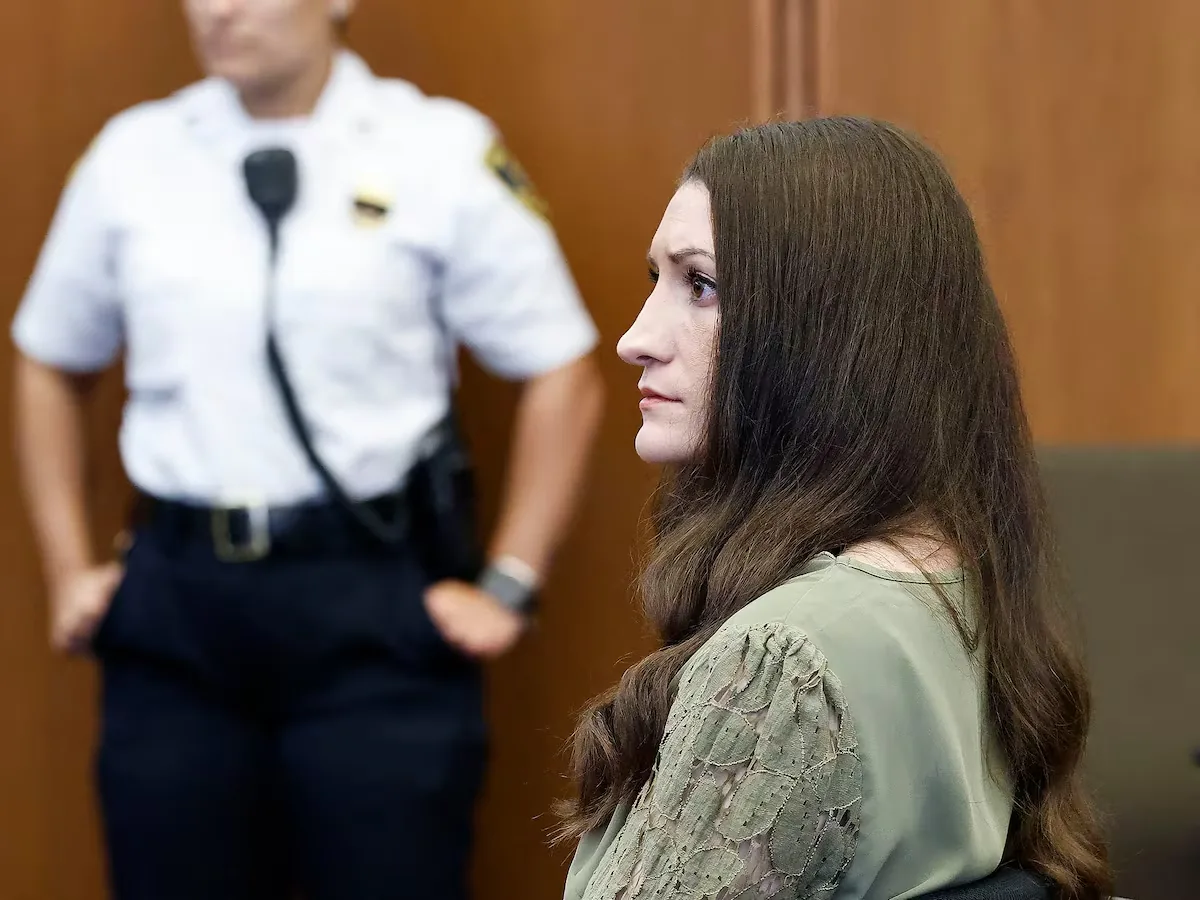
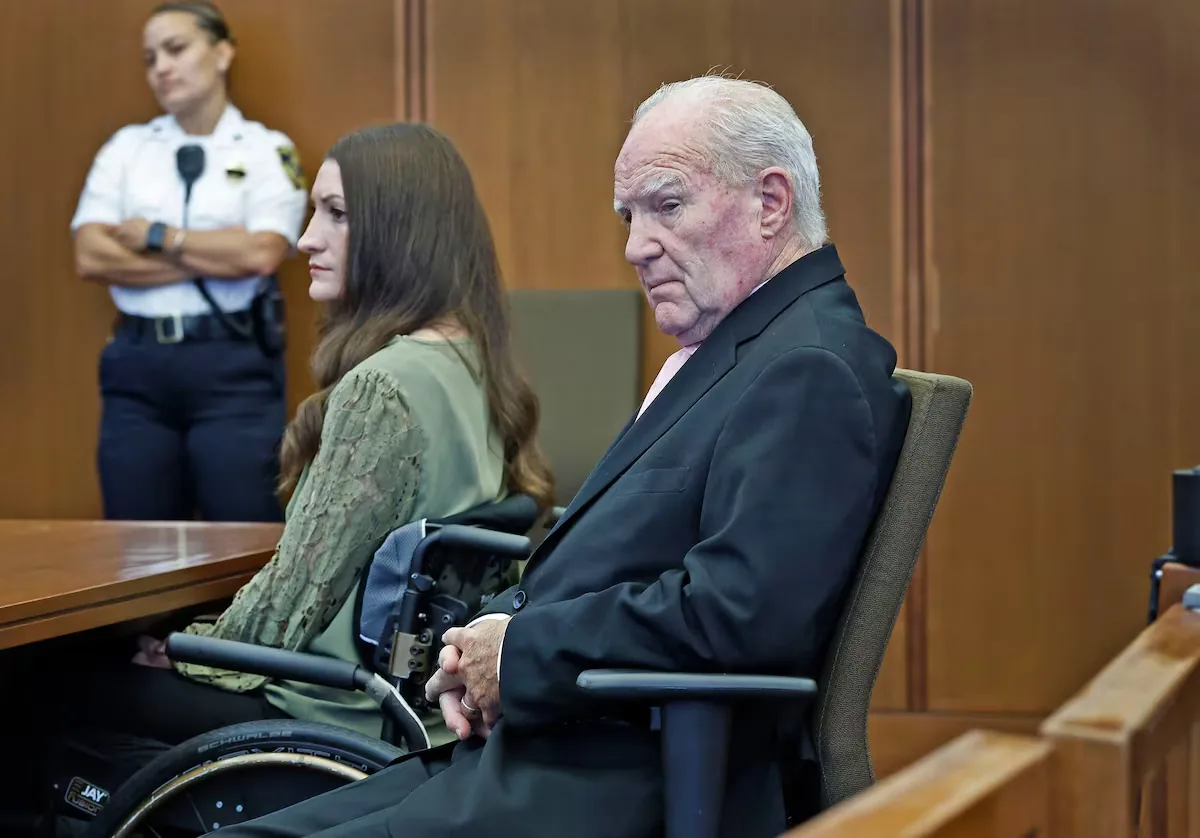
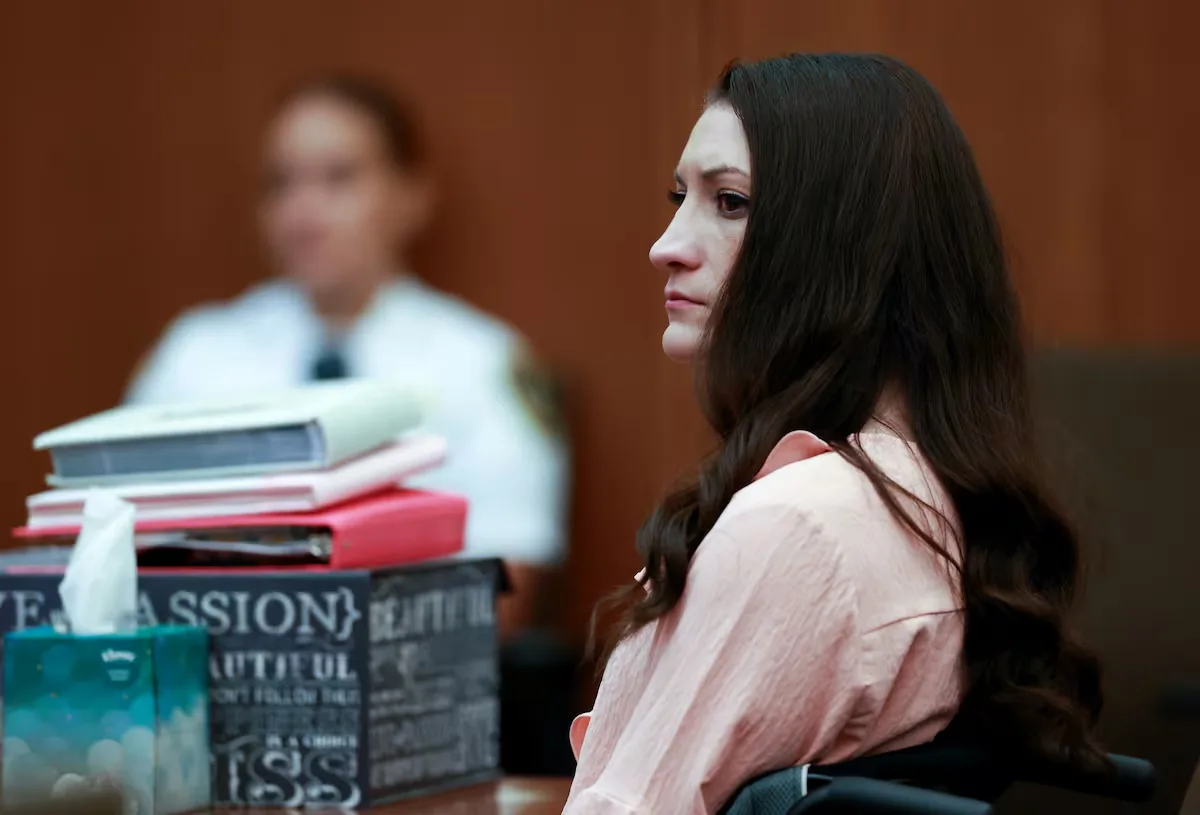
She has admitted at all times that on January 24, 2023, she killed Cora, five years old, Dawson, three, and Callan, eight months. She had sent her husband, Patrick Clancy, who testified at the trial, on an errand. Lindsay did so after hearing, she declared, the voice of a man who urged her to strangle her children and then commit suicide. She took sleeping pills, cut her veins, and jumped from a second floor. She did not die but was left confined to a wheelchair. In the previous months, she had been examined by several psychiatrists, called the suicide prevention hotline, and went to the emergency room.
This Saturday, Patrick Clancy issued a statement in which, defining the prospect of a retrial as “extraordinarily painful,” he seemed to take sides against those, like President Donald Trump, who hours earlier had spoken about the issue at the White House, hoping the accused would return to the dock. On Friday, at the courthouse door, Plymouth District Attorney Timothy Cruz refused to answer the cloud of journalists whether he had decided to refile charges or if, as the law allows, he would reach an agreement with the defense. Cruz also insisted that the jurors were not called to deliberate on the healthcare system or “the treatment it provides to women,” but on “the cruel and calculated murder of three innocents.”
Read more At least four dead in Israeli bombings in southern Lebanon
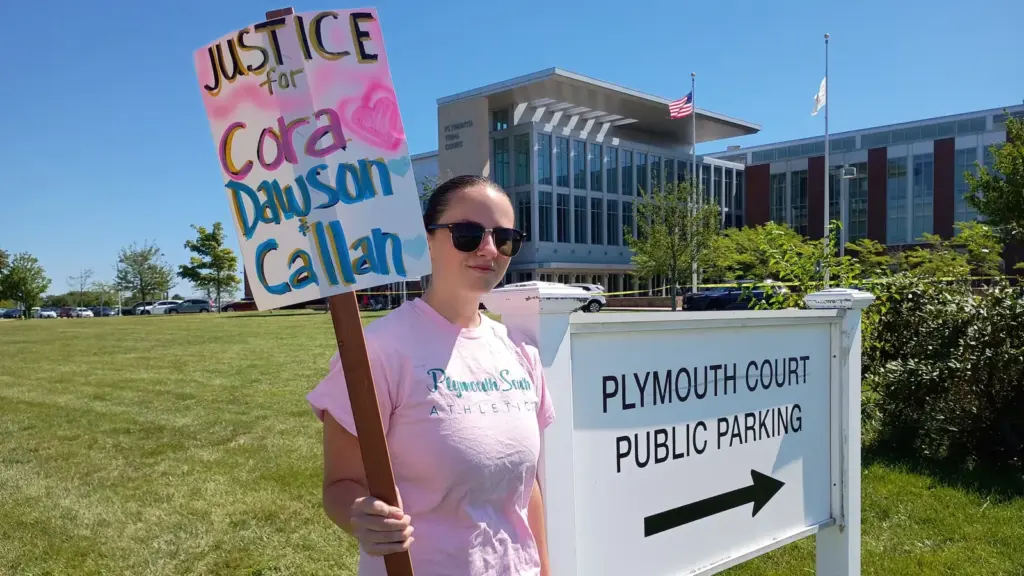
The idea of a new trial also faces the difficulty of imagining the constitution of another jury of 12 men and women from Massachusetts, free of their own opinions about a case in which everything seems to boil down to irreconcilable sides and that resists being divided into traditional ideological trenches.
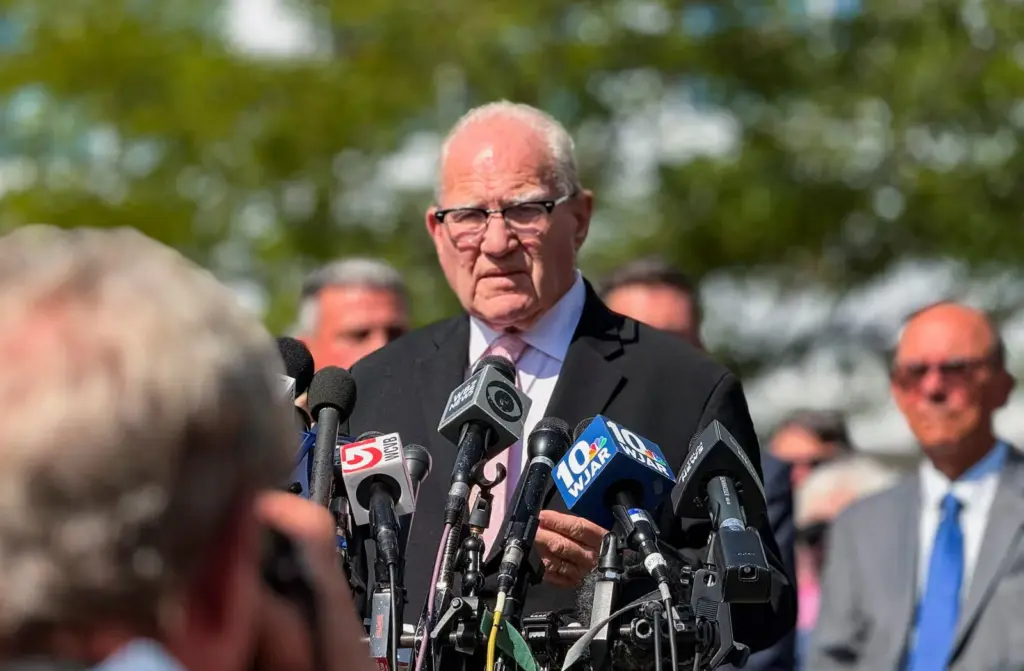
There are the women who, dressed in pink, have demonstrated on behalf of many others who demand greater attention to the anxiety disorders of new mothers and accuse the system of having failed Clancy and her children. Those who see a monstrous being when they look at the accused. Those who consider the jury member who refused to align with the rest on three occasions a hero, those who have issued death threats to the prosecutors who litigated the case, and those (mostly women) who have turned defense lawyer Kevin Reddington, with a long history of victorious strategies centered on women’s mental health, into a viral icon for his dedication to the cause. And there are also those who have raised $1.1 million in an online fundraiser for the nurse initiated after the nullification declaration.
Reddington has been the main protagonist in the final stretch of the live drama of the trial. On Thursday, in a rare confrontation with the judge, he unsuccessfully tried to convince him to dismiss the dissident juror, considering that he was “refusing to understand” the concept of “reasonable doubt” that the judge repeated twice they should consider in their verdict, which had to be unanimous.
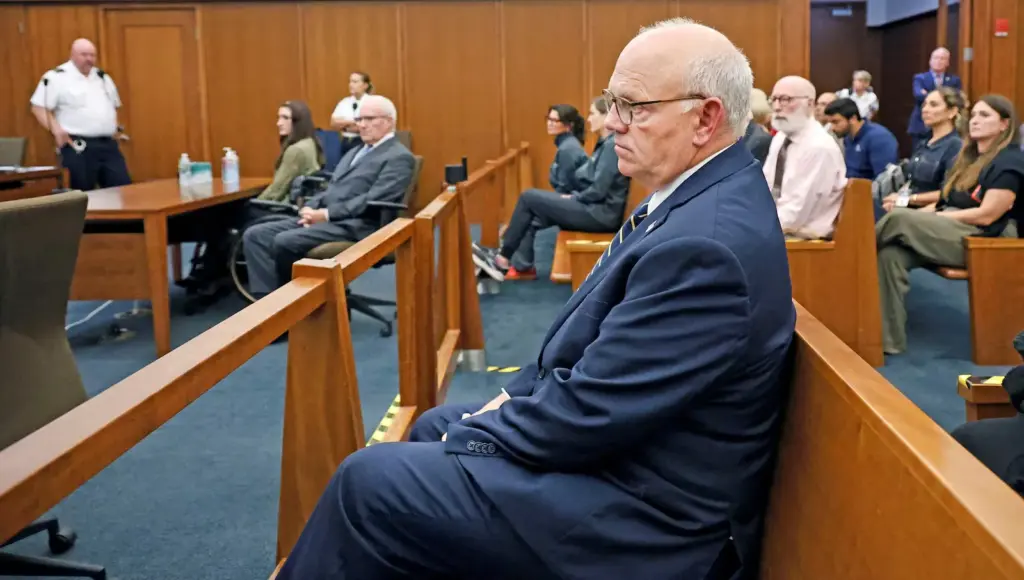
According to Massachusetts law, if a juror harbors one of those reasonable doubts, they are obliged to acquit the accused. Judge William Sullivan, visibly uncomfortable having to do his job before an audience of millions, did not side with the defense.
On Friday, Reddington made a final attempt to challenge the dissident, but it was again in vain. Outside the courthouse, he was asked if his client was ready to return to the dock. He said she was not “very well,” but that she would when the time came. Would he present the defense differently? “Why would I? Did I win the case?” he replied.
It was a strange comment. In the flood of analysis that inundated the United States’ opinion columns and hours of television on Friday night, something seemed to unite those who thought differently: the uncomfortable argument, the sour grimace. The impression that this is not just any case; that in this tragic story of trials that the country will take a long time to forget, no one can come out a winner.
Read more “And never returned”: the mothers who blindly search for the disappeared of El Salvador