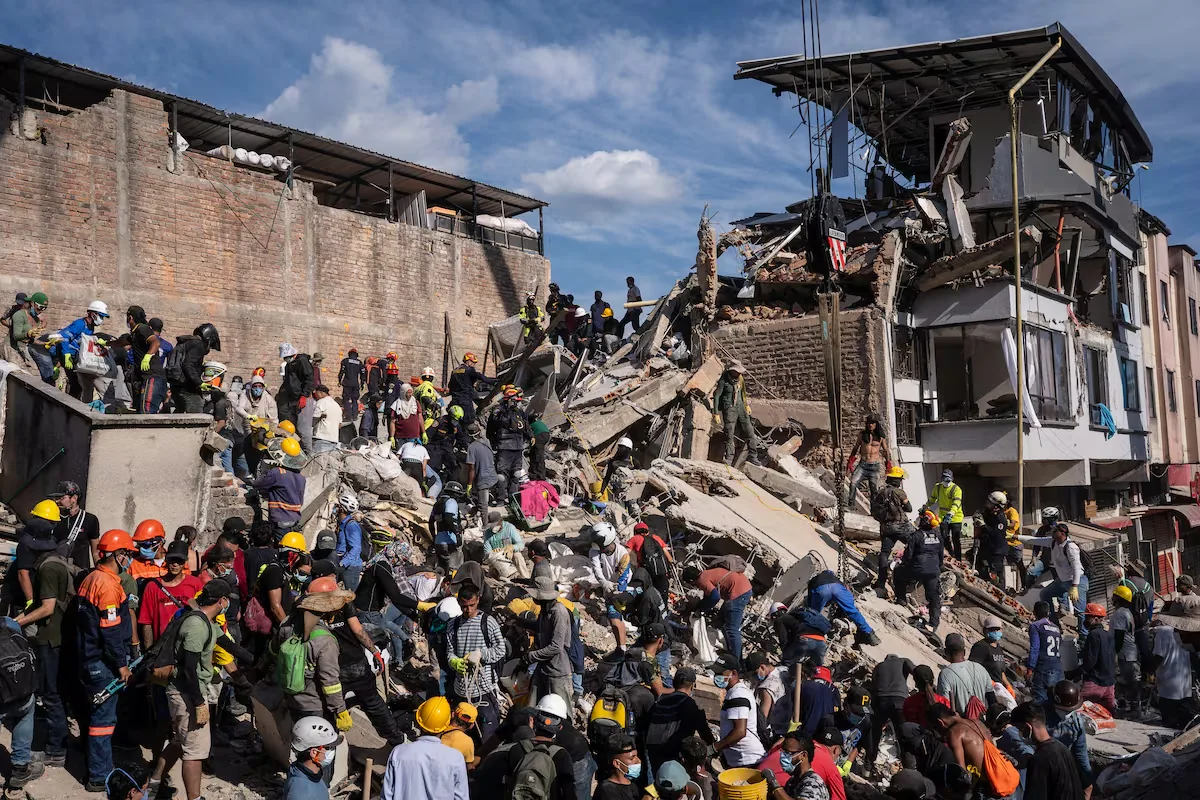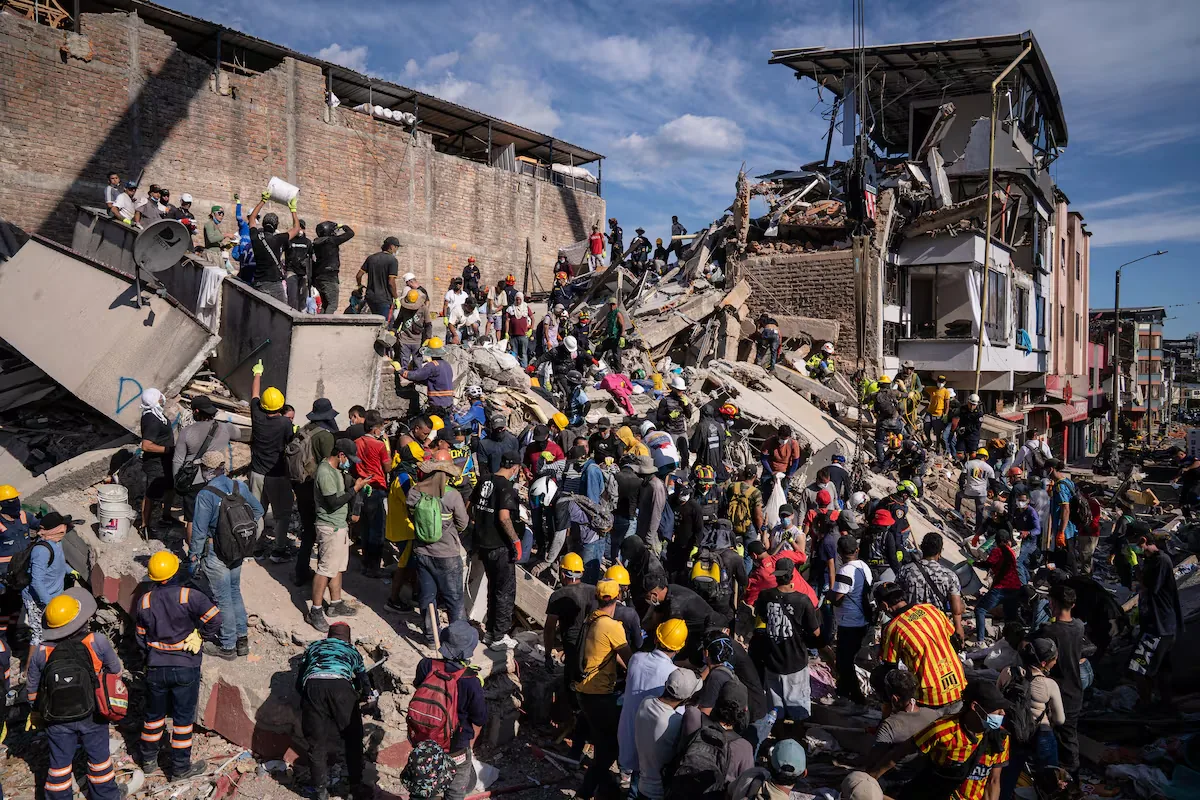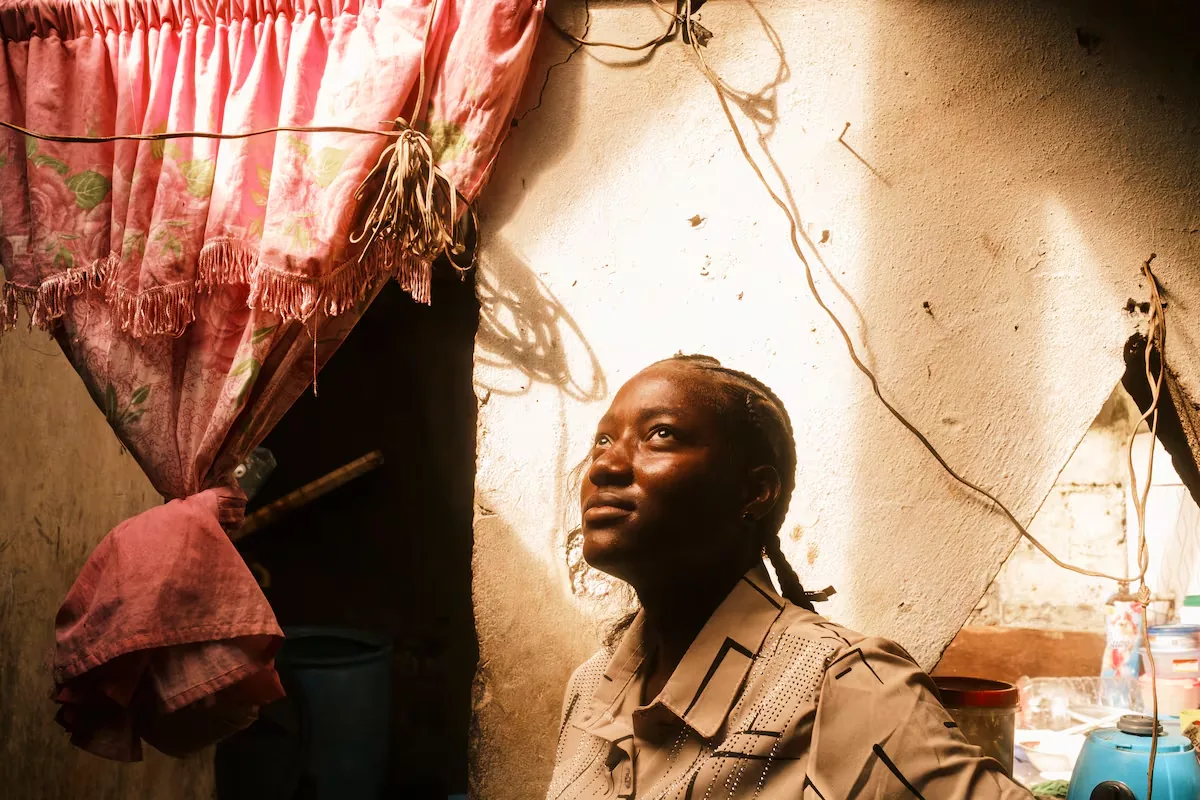
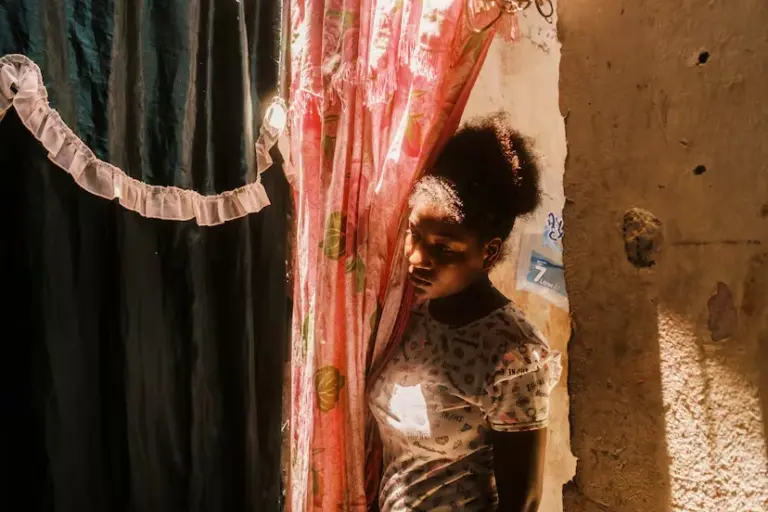
Heidy Rojas, 18 years old, is now the adult responsible for her family. Her mother died after the earthquake that struck western Colombia on August 10. The fear of aftershocks shook her, and according to what the doctors told her daughters, it caused a sugar spike that worsened her diabetes. Several days passed until the neighbors took her to a hospital: no one in the family thought it was serious and it didn’t seem necessary to spend the 8,000 pesos (2.5 dollars) for transportation, money they needed for food. At times, Heidy still can’t believe her mother has died. “I feel like she’s on a trip,” she says in her cement, wood, and zinc house in Quibdó, the capital of Chocó. At the same time, she worries about the impact her absence will have on her younger siblings. “I will be here, but it’s not the same.”
Read more Why dermatologists recommend introducing a retinol night cream into the routine at the end of summer
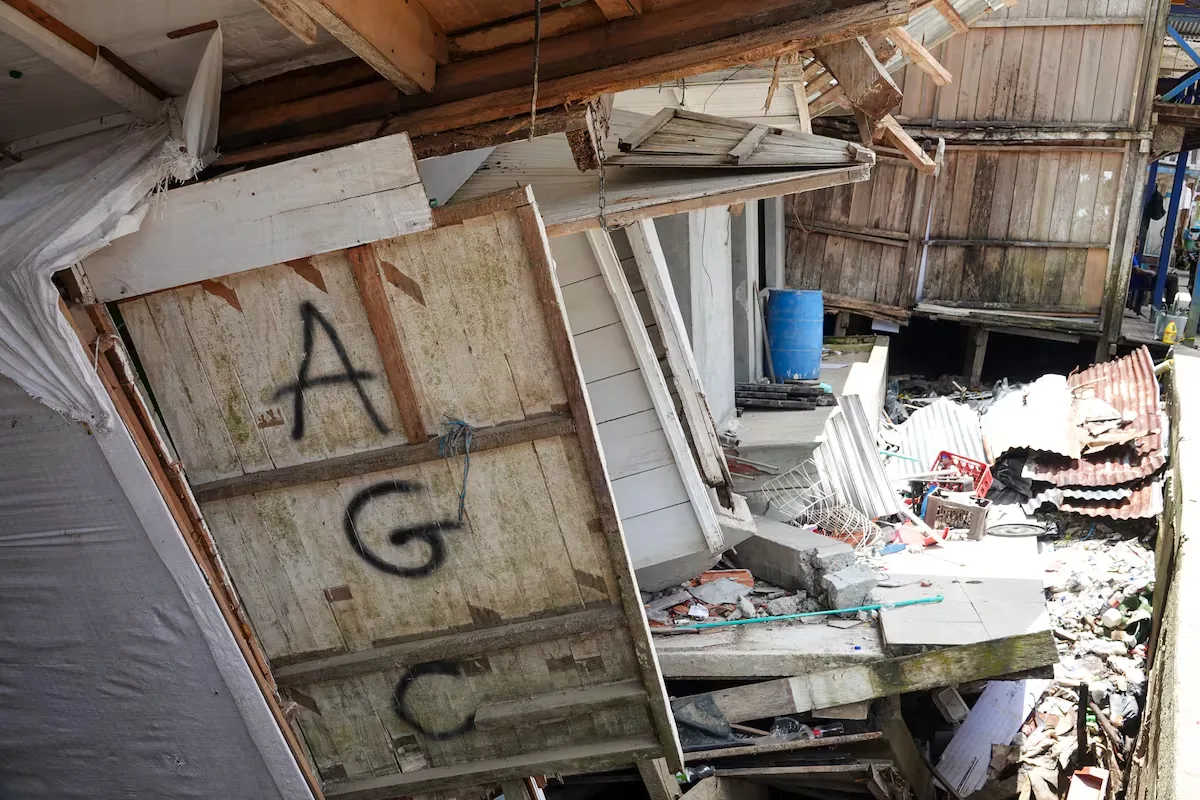
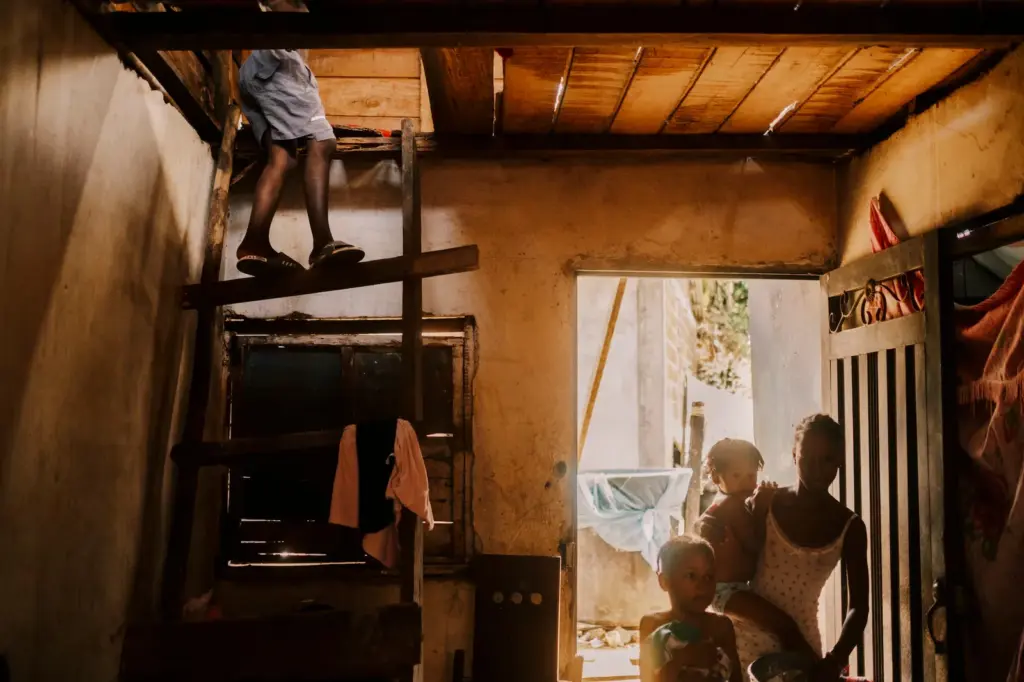
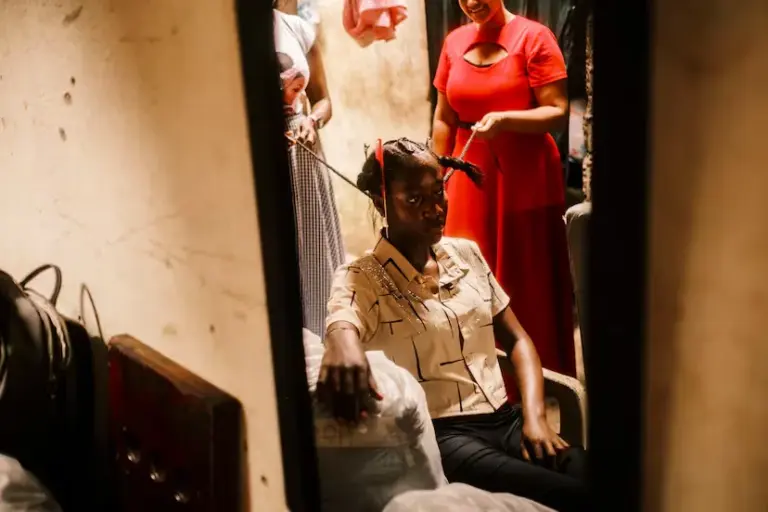
The noise in the house is deafening. Her boyfriend and two other men are rebuilding the second floor: the wood was rotten from the constant rains in this jungle region of Colombia and the earthquake finished damaging the roof. Hammering on the new boards, donated a few days ago, can be heard while a speaker in another house plays reggaeton, vallenato, and champeta at full volume. Heidy’s sisters make aguapanela to accompany a stew. She receives a visit from two evangelical women who tell her that God prepared her for this new stage. In exchange for some clothing donations, they ask her to record a video while they do her hair. The idea, they assure her, is to tell her story on social media and get financial support from the faithful.
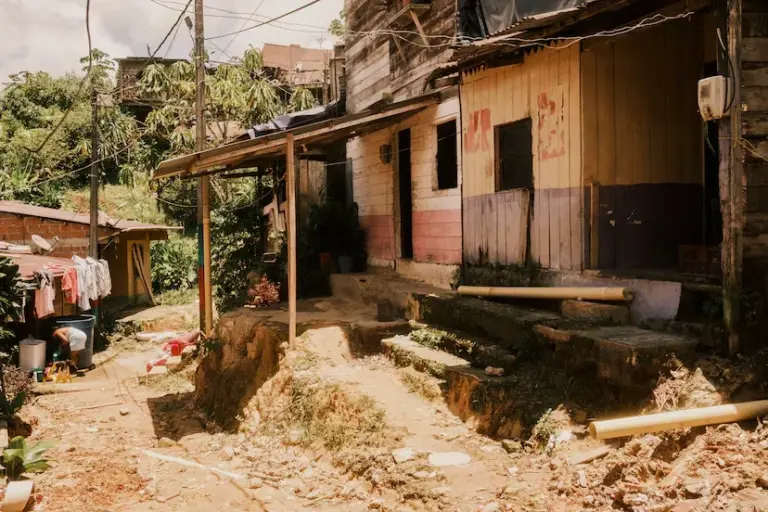
The neighborhood, Fuego Verde, has been filled with donations after the earthquake and the wave of solidarity that spread throughout Colombia. Dozens of tons of food, hygiene supplies, and clothing have arrived. The government has even offered subsidies that residents don’t know how to use: the support to rent temporary housing requires documents like an electricity bill, something that is not available in neighborhoods where criminal gangs do not allow energy company employees to enter to measure consumption. The neighbors know these supports are a temporary relief that will end in a few days when Colombians forget about the earthquake. Fuego Verde, where men are informal miners or builders and women are cleaning employees in family homes, will soon return to extreme hardship.
The reunion with Alexa
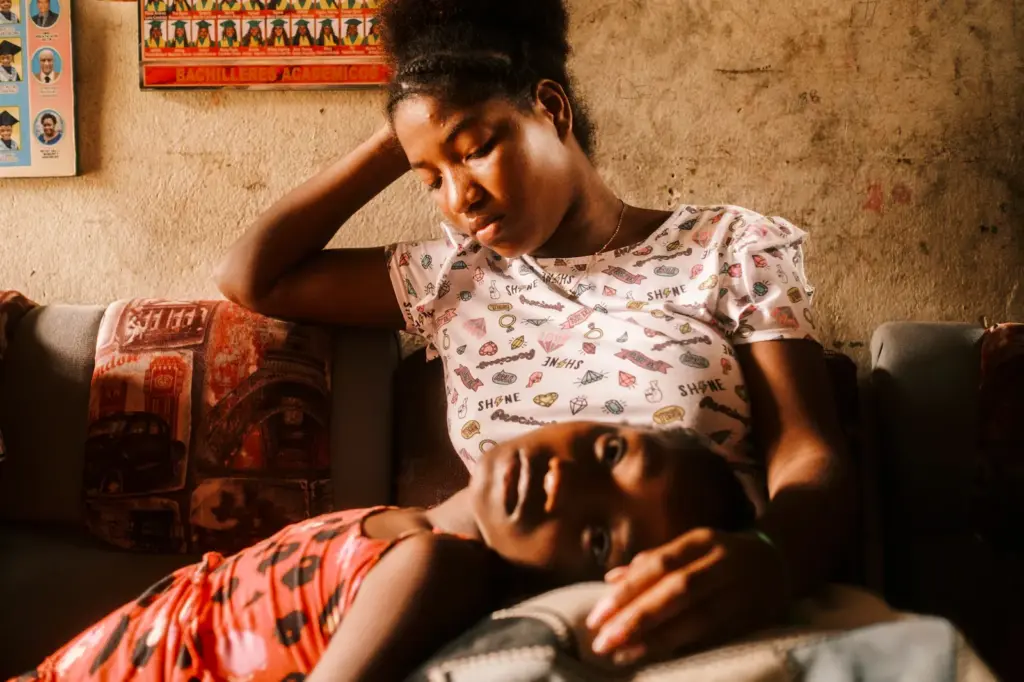
The death of her mother has led Heidy to reconnect with Alexa, an older sister who lives in Barrancabermeja, an oil city about 500 kilometers away. She came to visit for the funeral after years without seeing her siblings. The two seem like opposite faces of the same coin. One wears a white shirt, the other wears a black skeleton outfit. One is very reserved and speaks little, the other talks about her life easily. Alexa, 21 years old, emphasizes this duality. “Heidy hasn’t suffered even half as much as I have,” she says referring to her sister’s life, which includes nights of partying and card games with neighbors. She describes her own childhood in Quibdó as hell. “If my sisters weren’t here, I would never come back,” she assures. She shows scars on her arms, recounts episodes of violence, and asks not to reveal the details. Heidy looks at her silently and limits herself to asking about the threats she says she received in Quibdó.
Alexa wants her siblings to live with her in Barrancabermeja. “She’s a child, she still doesn’t think maturely. She hasn’t had the responsibility of a mother,” she says about Heidy, while mentioning that she has two children. She doesn’t believe her sister can maintain the life they had: when someone dies, she points out, “it’s not the same anymore.” Heidy refuses any move. “Here I have my mother,” she explains about the possibility of visiting her on Sundays at the cemetery. She also rejects that her siblings go with their father, who separated from their mother a few years ago and lives in the neighboring department of Antioquia with a new partner. “They don’t want to, and my mother wouldn’t have wanted that either,” she emphasizes. Alexa says that after several fights, she has convinced her partner to move to Quibdó. Heidy doubts this will happen.
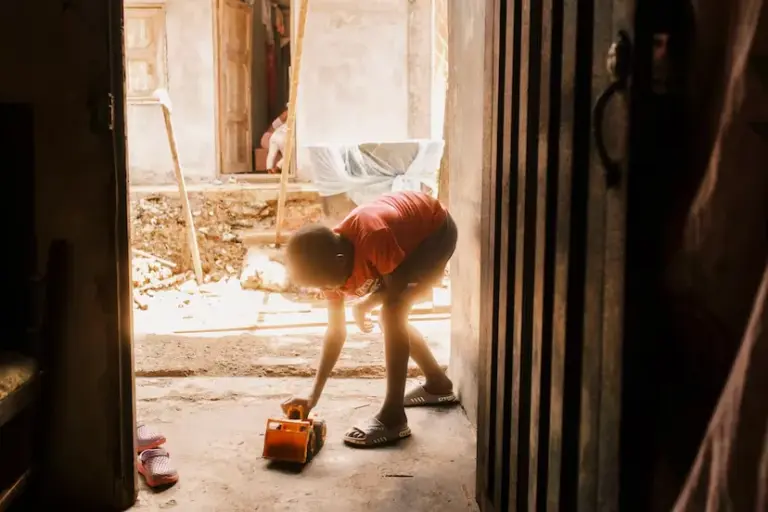
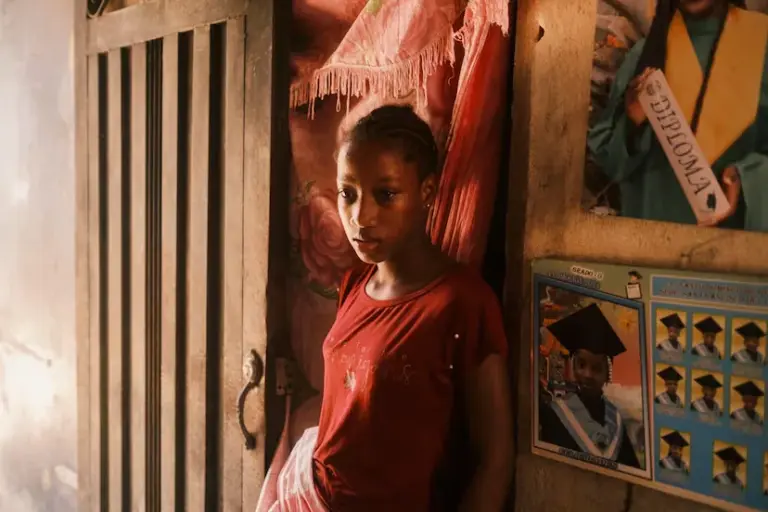
The two also show their differences in how to raise the little ones. “My sisters won’t have boyfriends, at least until they’re 20. They’re very young,” says Heidy. Alexa reacts with an exclamation, half surprised and half amused. “What? I got a boyfriend at 14 and left. If we couldn’t handle it, how will they?” she replies. Alexa left her home with a man from the neighborhood known to neighbors as “The Old Man.” She claims to have been happy with him and justifies that having a boyfriend from a young age is a defense mechanism for many girls who face violence in their environments and loneliness in their families. Although neither mentions it, it is a topic that touches them closely: the third sister, 15 years old, did not live in the family home until their mother’s death but with a man she describes as “the gentleman.”
Alexa misses her mother. “I was left with many things to tell her, but I love her very much,” she says. Like Heidy, she finds it hard to believe she is gone. “Sometimes I feel like she’s sitting in front of me or lying in her bed,” she comments. The two sisters cling to God. “The Bible says that the dead will rise first. There we will hug her again. Maybe she even has great-grandchildren,” says the older one.
Read more Bombing is not governing: state violence weakens democracy
The mother
Across the dirt street is Graciela Mosquera, who was Heidy’s mother’s best friend. She is lying on a sofa in the living room of a house that is more spacious, has two cement floors, and ceramic tiles. She entertains herself with a cartoon series on television. “When I was a child, I didn’t have time to watch them. So I take advantage now,” she says, while telling that her mother also died when she was a teenager and that her sisters brought her to Fuego Verde. “I had to take care of my nephews and no one was looking after me. But it will be different for Heidy. The neighbors will help her.”
Graciela recounts the life of her friend, Yirlaines Rentería, as an endless succession of difficulties. She grew up with about ten relatives in the same house where she died a few days ago. She didn’t get past second or third grade. In her adolescence, she had Alexa with a man who didn’t take responsibility. “That happens a lot here. Men leave us the work: they get women pregnant and leave,” she points out about a neighborhood full of single mothers. Her family marginalized her for being alone. Later she had a second husband, who also left her. “She took care of him when he got sick. But then she got sick with sugar and he left with another woman. Yirlaines was left alone, sick, with five children.”
The neighbor saw how Yirlaines faded after the earthquake. “I teased her. I asked why she didn’t go out, if she was pregnant, but she didn’t answer me. My goddaughter told me she was feeling sick,” she says about her friend, with whom she used to play Rummikub. Everyone thought she had “a little pain” that would pass, until a neighbor said it was urgent to take her to the hospital. Something similar is told by Maye Córdoba, another friend, who entered the house after several days without knowing anything about Yirlaines. “I brought her a Mylanta [a medication for acidity] and her daughter grated a potato for her. But she was still unwell and didn’t want to go to the doctor,” she says. In her case, she will keep the memory that they spent the days before the earthquake looking at clothes on Temu, an e-commerce app. “She was excited about what she was going to buy for the children for December,” she recounts.
Although the stories seem to repeat from generation to generation, both women are optimistic about Heidy’s future. “As a neighbor, I will be attentive to make sure the children do their homework, that they don’t go out on the street,” says Maye. Graciela agrees. “We are poor here, but we help each other a lot,” she assures. She is worried that the relatives will disappear after the first weeks but believes Heidy is prepared. “It’s not a role she’s going to take on now, but one she already had for a while,” she evaluates, while explaining that Yirlaines no longer worked because of her illness and that Heidy contributed money with what she earned cleaning houses a few days a week.
After the crisis
For Heidy, the question is how to continue when the earthquake donations run out. “I will work in whatever comes up,” she emphasizes, without giving details. The siblings will have, at least, the monthly contribution of 200,000 pesos (about 60 dollars) that their father has been giving them for a few years. A maternal uncle, who lives a few blocks away, will have legal custody and will be attentive. “With the support of God and many people, it won’t be difficult for me,” assures Heidy, who also says she wants to study nursing to “be someone in life.”
Meanwhile, one of her sisters is doing a new hairstyle on Alexa’s daughter. “She’s digging her nails in. Are you stupid or what?” she yells before giving her a kiss on the scalp as a gesture of apology. The younger brother asks for a phone to play the video game Grand Theft Auto. “No! No, I told you! Tell your dad to buy you one,” she replies. The youngest of the siblings doesn’t know what she’s talking about. “You’re my dad,” he answers. A few meters away, the evangelical women finish doing Heidy’s hair. The 18-year-old prepares to comfort the little ones when they ask about their mother. “I will tell them that God needed her, that she already served here. And that when God comes, she will resurrect.”
Read more Goodbye to numbness and stiffness: the air compression and heat hand massager to use on the sofa