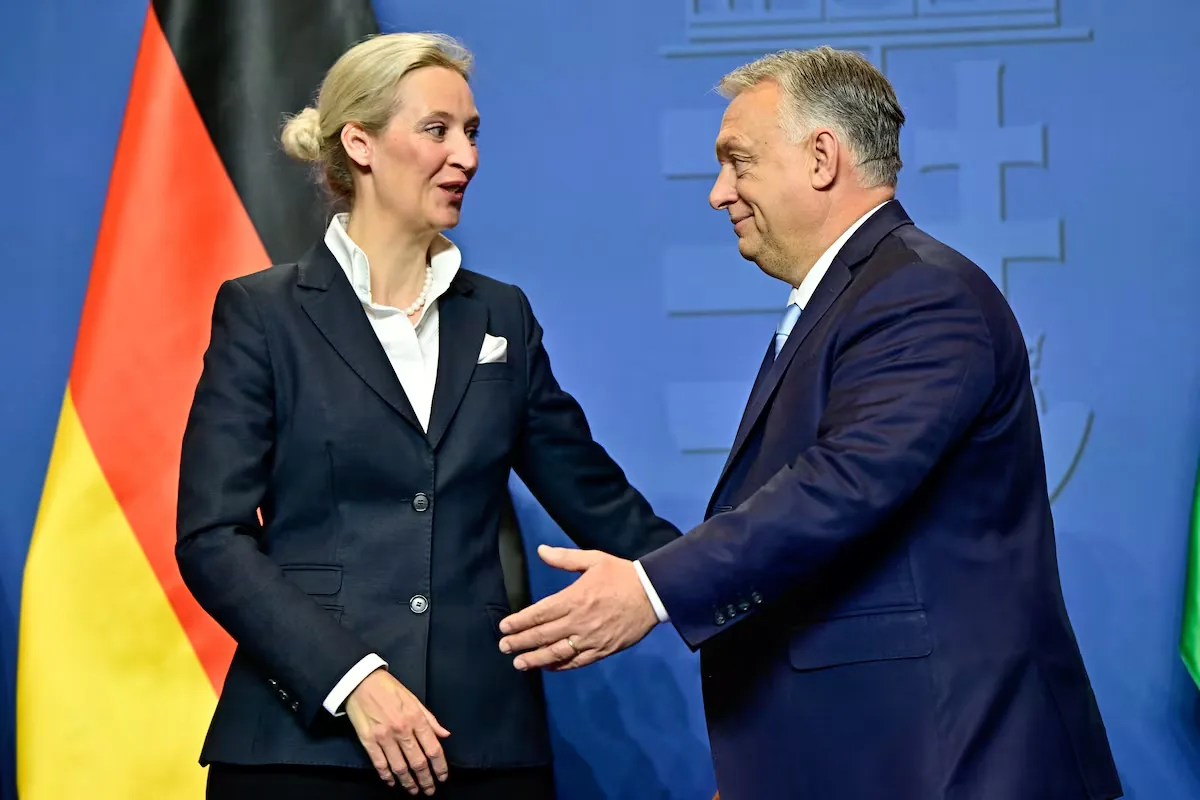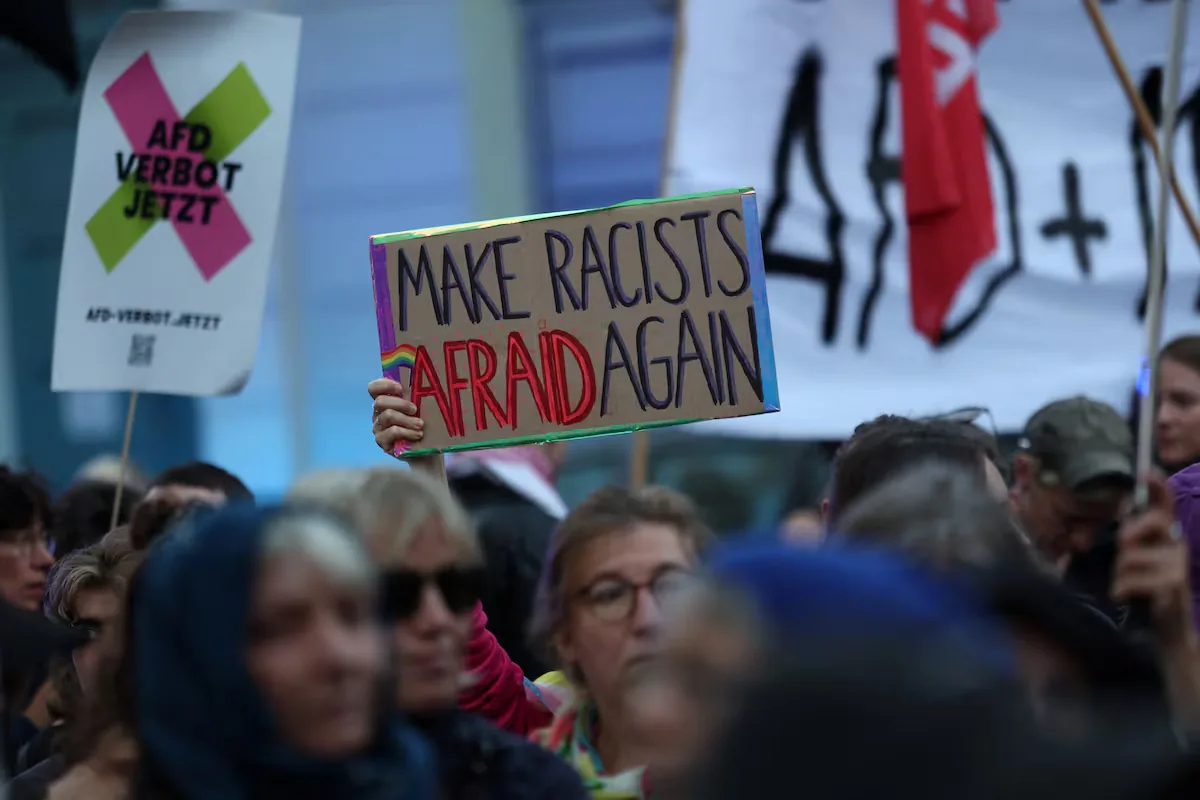
The overwhelming victory of the far right in the elections in the State of Saxony-Anhalt has turned German politics upside down. AfD obtained 43.8% of the votes and 39 deputies on Sunday, just three short of an absolute majority and with the possibility of governing for the first time in a German land. The CDU collapsed from the 40 seats it had to 15. The two main parties in the federal government, the Christian Democrats and the Social Democrats of the SPD, admit that the shockwave has shaken the foundations of the coalition.
Read more Indonesia closes seven airports due to ash from Anak Krakatau volcano
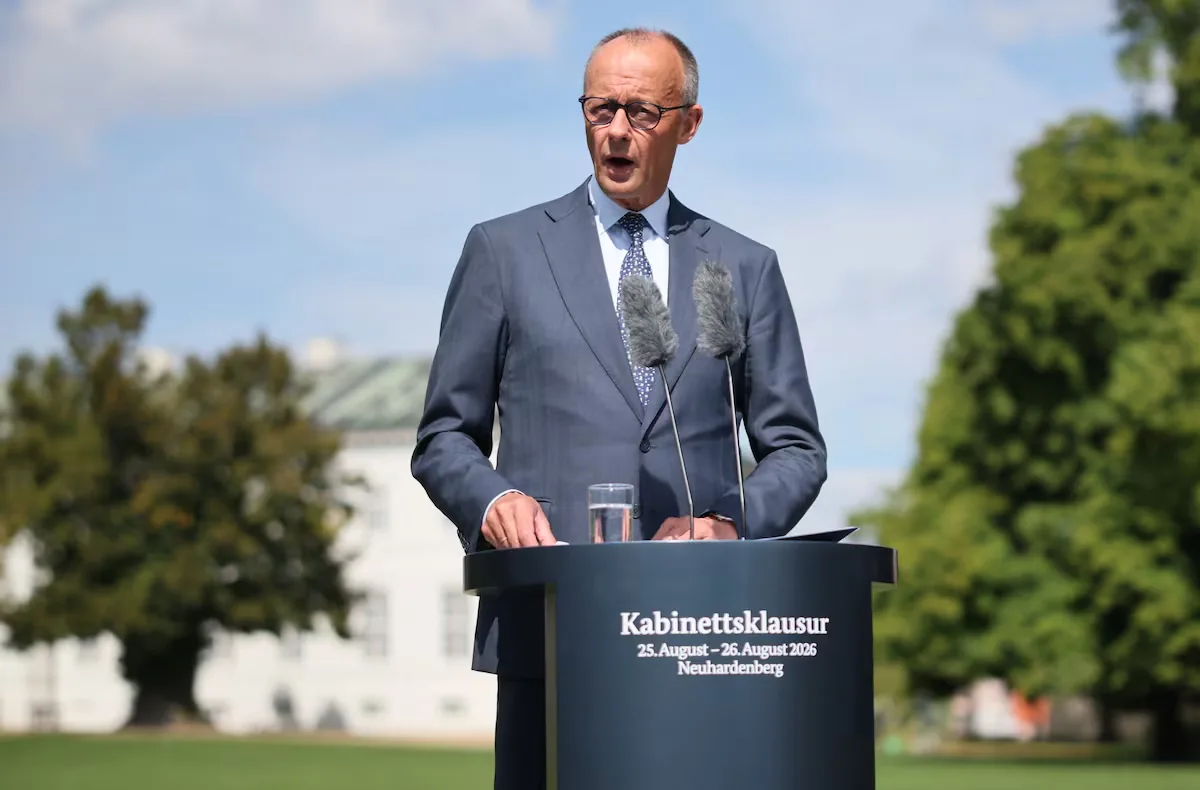
“We are all deeply dismayed,” said German Chancellor Friedrich Merz at a press conference held this Monday in Berlin: “This election result will have consequences. We cannot just return to normality.” Merz admitted that the coalition government — his party (the CDU), its sister party in Bavaria (the CSU), and the Social Democrats of the SPD — has “an extremely low rating across the country.”
The chancellor emphasized that the radical rise is a European trend, but also that in Germany mistakes must be acknowledged: “I have undoubtedly underestimated the fears of the population.” The Christian Democratic leader reiterated that the government must reconnect “with the empathy and emotions of the people.”
Merz also wanted to address the international community, assuring that institutions will guarantee that a hypothetical AfD regional government will not destabilize German democracy: “This message is also directed to our friends in Europe and around the world. We know that Germany has a special responsibility due to its history. We will always defend our political order and our firm role in Europe.”
Pressure from the SPD
The SPD vice president and vice chancellor, Lars Klingbeil, was the first to fire on Sunday night by questioning the reforms agreed with the CDU and CSU. The coalition between the three parties started in 2025 after the federal elections that year, in which AfD was already the second most voted force.
The government has agreed in recent months on profound changes in the pension system, taxes, and other unpopular issues for the public. “What has happened is a turning point,” Klingbeil said on ZDF television, “it is also a signal for Berlin, many people are unhappy with the reformist direction. The result invites reflection on the federal government’s policies. And rest assured that we will do so.”
“The federal government and the parties that form it obviously have responsibility for the election result,” said Tim Klüssendorf, SPD secretary general, on Phoenix television this Monday. Klüssendorf also emphasized the idea that the agreed reforms must be reconsidered.
The Social Democrats’ position anticipates a storm because Merz has assured that the CDU “is clear that the right path must be continued.” That is, the Bundestag must approve the reforms in the coming months, as agreed, and with the SPD votes. “We have to correct mistakes of the last 20 years, and this cannot be done in the short term.”
Catastrophic results
The SPD claimed victory in Saxony-Anhalt because it managed to hold its ground: it only lost one deputy, now having eight, with 9.3% of the votes. The crisis is greater in the CDU. Merz did not even participate in the electoral campaign due to his poor popularity.
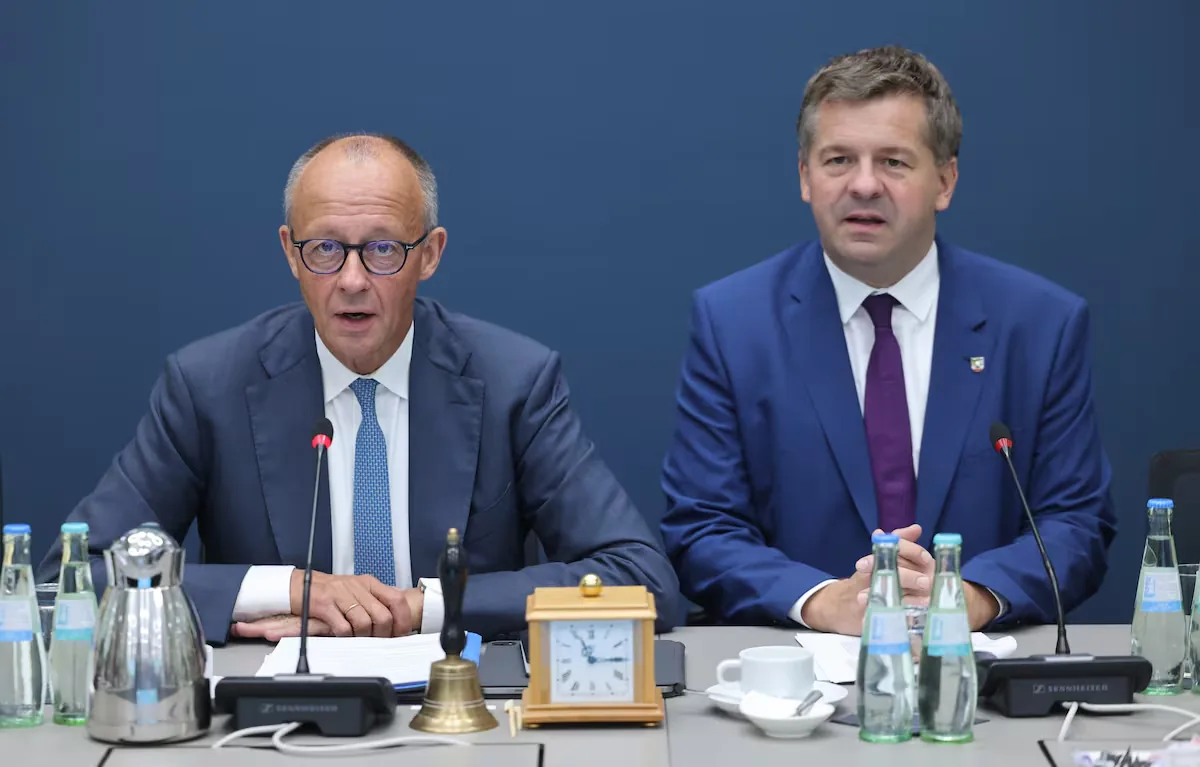
The chancellor held a tense meeting with the party executive, according to German media, to make internal decisions regarding what his parliamentary group leader, Thorsten Frei, defined as “a turning point for our country” on Sunday. “We have never before experienced a situation where a party classified as far-right by the State intelligence services has achieved this majority,” Frei warned on Sunday in an interview on public television.
The media have been speculating for weeks about a possible replacement of Merz as chancellor. “Merz is the wrong man for this position and these times,” writes the director of the weekly Der Spiegel, Dirk Kurbjuweit, “the government needs to start over, and this starts with Friedrich Merz.” The newspaper Bild reports this Monday that the chancellor is under “massive pressure” within his party. “The results are catastrophic, we have to analyze calmly how to respond,” Frei admitted to the media moments before the party meeting.
Manfred Güllner, director of Forsa, one of the main German polling firms, recommended in August that the Christian Democrats “seriously consider” the possibility of replacing the chancellor. With Merz, according to statistics, the CDU only loses votes to AfD. The head of government has said he has no intention of resigning: “Throwing in the towel is not an option. It is a matter of empathy, of emotions, and we have to find a way to better explain our decisions.”
Votes from the nationalist left
It is not the first time AfD wins elections in a land. The anti-immigration and pro-Russian party was already the most voted force in the Thuringia elections in 2024, but it neither obtained the huge support it has achieved in Saxony-Anhalt nor had the margin to break the cordon sanitaire imposed by the other parties. This time it was only three seats short of an absolute majority, and everything points to them receiving support from the five deputies of the nationalist left BSW so that their candidate, Ulrich Siegmund, is invested as president.
The BSW candidate in Saxony-Anhalt, Thomas Schulze, confirmed this Monday that they are willing to abstain in the third vote so that AfD assumes power with a simple majority. “We will not participate in the coalition of the cordon sanitaire,” Schulze added.
Siegmund modified his words from the past this Monday, in which he assured he would never make a pact with BSW. The possible future president of Saxony-Anhalt has even opened the door to allowing this party into a regional government if it does not mean AfD making “big” concessions. Siegmund warned that, if necessary, they have no problem repeating elections, “because then we would receive between 50% and 55% of the votes.” BSW, on the other hand, barely entered the regional parliament and in a repeat election risks being left out of the legislature.
BSW, a force that owes its initials to its leader, Sahra Wagenknecht, was part of the Thuringia government after blocking AfD in the 2024 elections. BSW has broken up in Thuringia and is sinking nationwide because its voters reject collaboration with the major parties.
For months it was taken for granted that September would be a life-or-death month for the coalition in the federal government. Two more regional elections will be held in the coming weeks, in the State of Mecklenburg-Western Pomerania and in Berlin. In the first, the SPD is expected to renew its governing coalition, although AfD is convinced that the success in Saxony-Anhalt can give it a boost. The scenario indicated by polls for Berlin is that the CDU will lose power in favor of a left-wing coalition. A Christian Democratic defeat in the capital will only add pressure on Merz as party and country leader.
Read more Marlaska insists that coordination with Morocco is «excellent» and reiterates his confidence