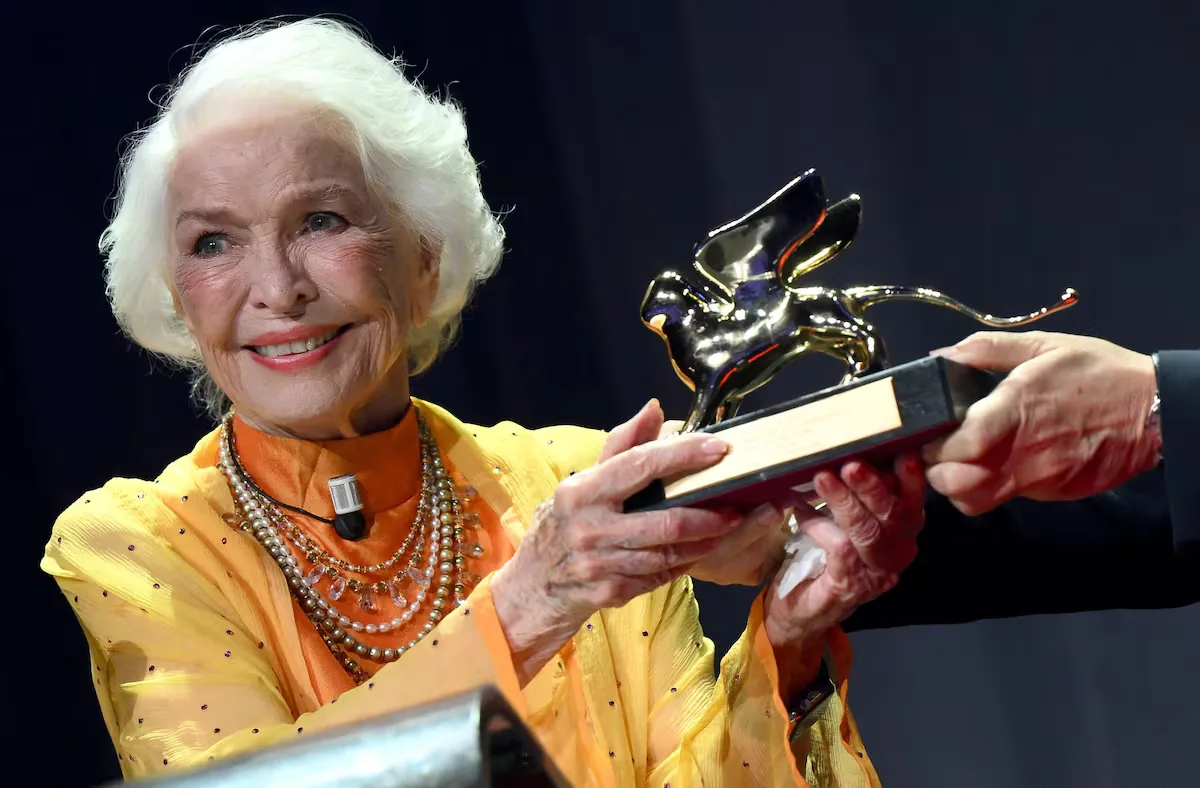
No one saw Ellen Burstyn enter the press room of the Grand Casino del Lido this Monday. When the journalists arrived, she was already there. At 93 years old, serene and smiling, with a hairdresser giving the final touches to her white hair, the star of New Hollywood, one of the main exponents of the Actors Studio method, actress of Alice Doesn’t Live Here Anymore or The Exorcist, appeared approachable, far from any diva attitude, but hinting at the elusive mystery of the art of acting. Burstyn spoke about the past, about readings, about the debt to the recently deceased Gloria Steinem, or about how her legs trembled the day she met Marlon Brando. Also, about the advice she received in her youth from Bette Davis or how the only time she worked with Barbara Stanwyck she realized that she was of another breed.
Read more BSW, the German party that claims to be left-wing but is willing to make a pact with AfD to survive
In Flesh Impact, the short film written and directed by Maggie Gyllenhaal to celebrate two great actresses, Ellen Burstyn performs the monologue of an elderly and forgotten Marilyn Monroe. When traveling to the past, it is Dakota Johnson who replaces her in the icon’s mask. The piece premiered in Venice to accompany the awarding of the Golden Lion for her entire career and to commemorate the centenary of an actress who created her own myth and who, along with other classic performers, forms one of the most influential female Olympuses in history.
In that Olympus are two of the actresses Burstyn also mentioned yesterday. She coincided with Stanwyck in the television western The Big Valley. “We had a sequence together. I don’t know if you know that horrible habit of putting an X on the camera for the retakes. I hate it and that’s why I stayed next to the camera so Stanwyck could see me, but she told me: ‘Get away.’ And she looked at the X. I have never been good with Xs, I need to connect with the actor I work with and for someone to prefer an X to a face is strange to me.”
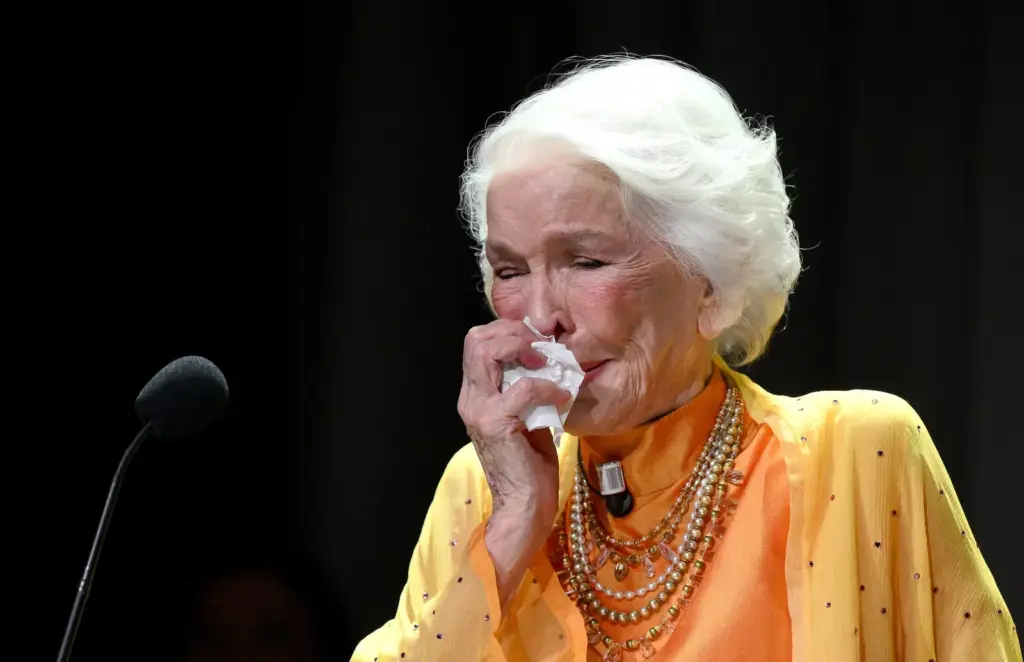
The other experience she does not forget was with Bette Davis, at the beginning of her career. Modulating her voice effortlessly, Burstyn imitated the voice of the actress from Now, Voyager: “[Bette Davis] told me: ‘Now that you are at the beginning of your career, let me give you some advice, darling. The only thing that matters is the work and anyone who interferes with that path is your enemy. And you have to tell them: ‘You are my enemy.’ Those were the lessons I received from my elders.”
Burstyn’s true training is directly linked to the Actors Studio and Lee Strasberg, the man who introduced the Stanislavski method to the United States thanks to the Russian emigrants from the Moscow Art Theatre and, above all, thanks to his time at the famous Group Theater. Burstyn, who is now president of the Actors Studio, recalled that it was Elia Kazan and Cheryl Crawford who founded the school in 1947. “Studying with a master like Strasberg changes your life, not just your craft. If a young actor needs advice, it is to find their master and never leave them. I always stayed with Lee, even after winning the Oscar [for Alice Doesn’t Live Here Anymore].”
In the short film about Marilyn Monroe, references to Strasberg are recurrent. They also recall that the major studios considered the actress from Some Like It Hot a “weirdo.” “We are a transaction, whores,” says the monologue. “When I arrived at the Actors Studio, Marilyn had already left,” Burstyn recalled at the Lido. “But we did meet once. She was dazzling, and what was special for me was that for a few seconds she looked at me and observed. That discovery will accompany me all my life. Marilyn was a construction; she could travel or go out on the street without being recognized, leaving Marilyn at home.”
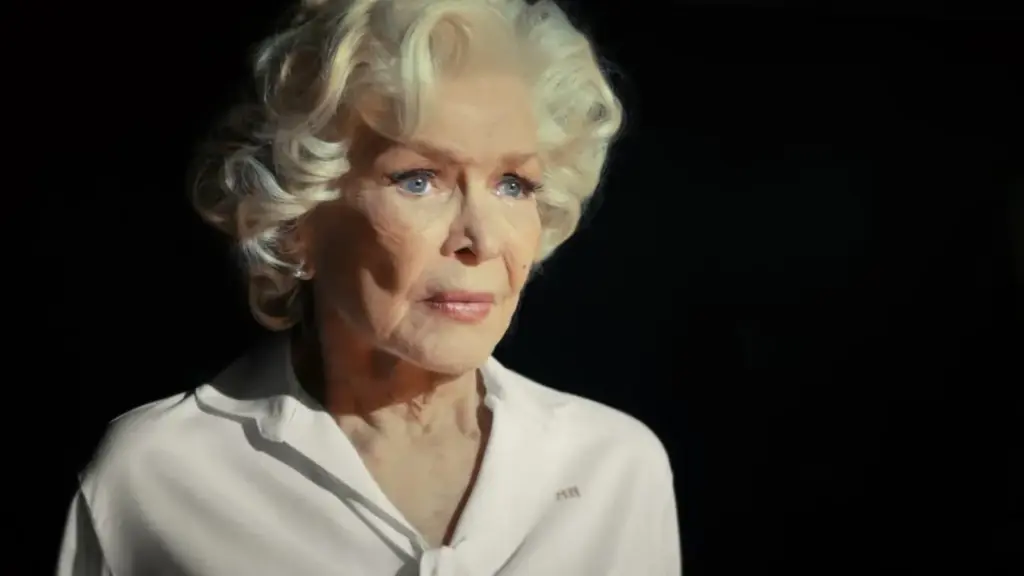
In the monologue written by Gyllenhaal, the idea is emphasized, that of a mask created by many hands, like the makeup artist Allan Whitey Snyder, or Billy Wilder himself — author of the phrase that gives the piece its title, Flesh Impact, for how its carnality broke the limits of the screen — but, above all, created by herself. An authorship that now, on her centenary, is beginning to be recognized. “This monologue is a meditation on what it means to be an actress and Maggie has written a text that delves into how Marilyn, who remains the myth among myths, invented that person, so sexual and innocent at the same time, with all her intelligence and depth.”
Read more How the Bayeux Tapestry, a jewel of medieval art, stitched up the post-Brexit wounds
Burstyn recalled the filming of Alice Doesn’t Live Here Anymore, with a young Martin Scorsese, who worked scenes thoroughly to then allow improvisation, or that of The Exorcist, William Friedkin’s horror film that revolutionized the genre and her career. “It was a very difficult shoot. Friedkin had a lot of talent, although he was also one of those directors capable of doing anything for a good take. Physically it was very painful and, yes, it completely changed my life. It’s a great film.”
Better with novice filmmakers
The actress also explained why she has always liked working with novice directors: “They are more fertile at the beginning of their career, before they have gone through Hollywood’s grinder. I like raw talent, the innocence of the amateur. The industry ends up hurting them.” Asked what her advice for an actor is, she replied: “The most important thing is not to give too much to directors until you know what they want, wait to see what they can give you. It’s good to know how to wait, it’s not worth getting ahead. Many only want obedient children, and that is very little stimulating for your creativity.”
At her age, Burstyn assures she still believes in cinema’s ability to speak to the present. “My country right now is offering a lot of material to tell good stories and someone will have to tell them. We are entering a completely unknown new era. Technology is scary, but I want to think it will bring better things, I don’t lose hope in humanity.”
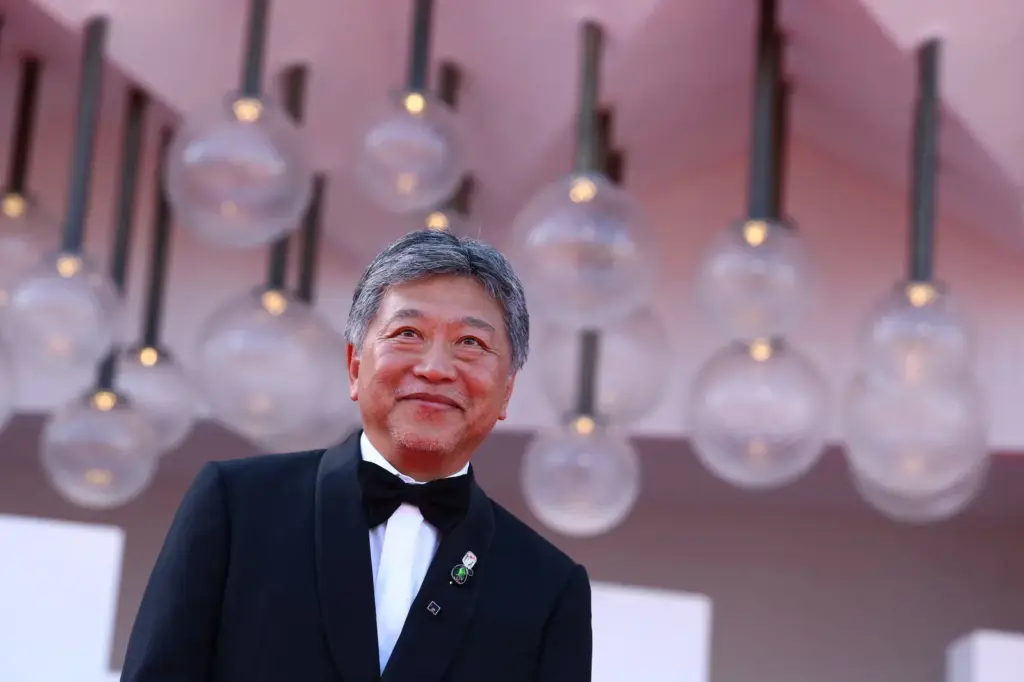
Besides the Golden Lion for the actress, two films were screened in competition, Look Back, by Japanese director Hirokazu Kore-eda, and the Italian L’estranea, by Paolo Stripolli, which wants to tell in a thriller key the need of a mother to control the fate of her children, but ends up as a kind of surreal portrait of that common place of the Italian mamma.
More interesting is the new film by the prolific Hirokazu Kore-eda who, after presenting his fable about a robot child in Sheep in the Box at Cannes, has filmed another tale, this time in manga key, based on the comics of Tatsuki Fujimoto. It is a very beautiful story of friendship, of two girls from rural Japan who want to be illustrators. The film conveys its passion for manga with thrilling drawing sessions. The use of sound, of the nibs with which they paint tirelessly, creates a very special rhythm. Look Back travels through time like a light fantasy about what unites and separates two friends who once found in drawing the common territory of their imagination.