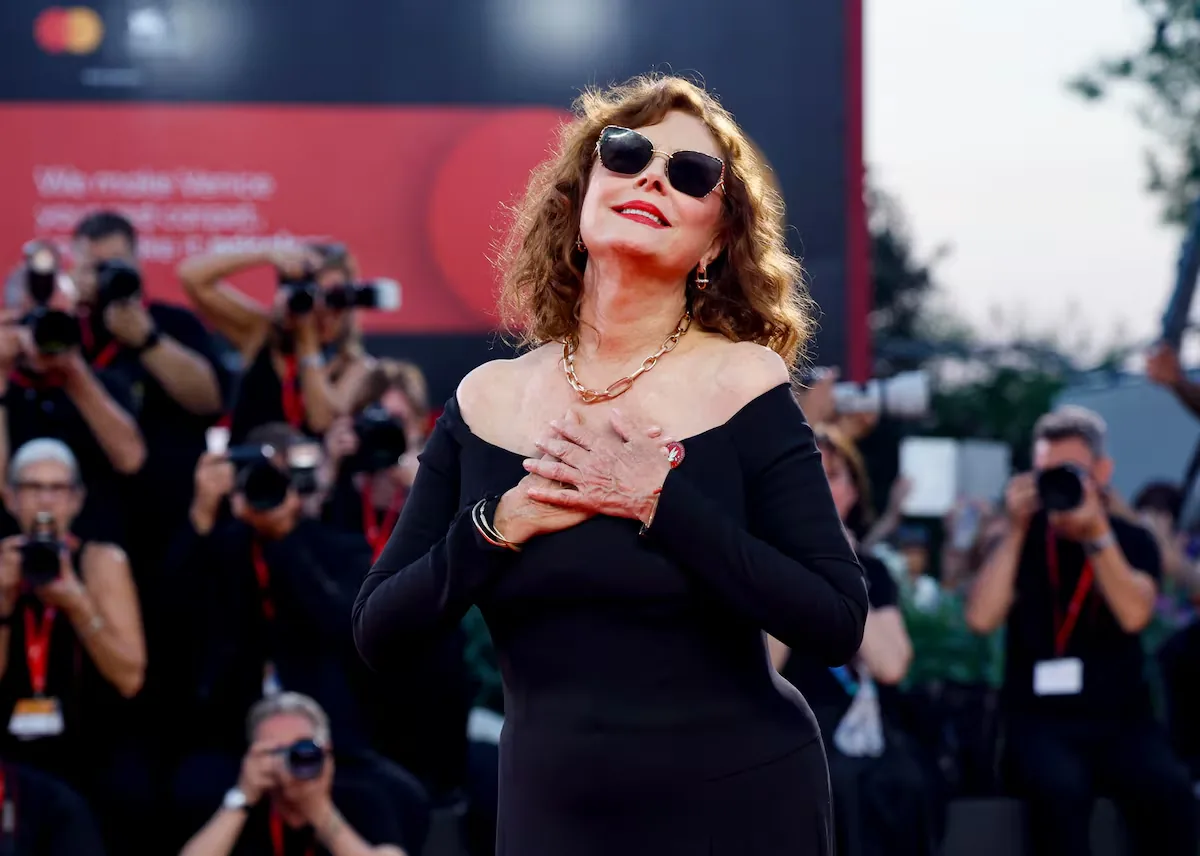
In a sequence of The Echo Chamber, the film that Italian Andrea Pallaoro presented in Venice with the last script by Bernardo Bertolucci and the performances of Susan Sarandon, Luca Marinelli, and Alicia Vikander, the hoarse voice of a twilight Marianne Faithfull singing Crazy Love plays in the background. It is a distant but important detail because, in some way, throughout the film (whose themes are interpreted by Sarandon herself) you feel that already worn and broken voice and what it conveyed: the possibility of turning suffering into a creative source. The Echo Chamber is a work about pain, love, and its dependence, which takes place entirely in a beautiful London apartment where an addicted and tortured music producer (Marinelli) lives a series of encounters with two women: a surviving rocker (Sarandon) and a nurse (Vikander) whose care opens the door to a crazy, ghostly, and somber love.
Read more Vozihna, distressed by the school bus accident in Cape Verde: “May God comfort the hearts”
Bertolucci began writing it in 2017, together with screenwriters Ilaria Bernardini and Ludovica Rampoldi. It was an “extremely personal” project, the testamentary work of the author of Novecento. The starting point was to tell the story of a couple who live in the same house but never meet. After months of work, with the first draft of the script already finished, Bertolucci’s death in November 2018 left the film orphaned. Until it found its director in Andrea Pallaoro, who had already demonstrated in his film Hannah, with Charlotte Rampling, his sense of ellipsis and off-screen. Now, he brings to his own terrain the dialogue that the film establishes with the legendary Italian filmmaker.
The Echo Chamber knows how to move subtly through the mysterious love triangle it proposes; on one side is that older and wise woman played by Sarandon; also, the two young lovers, lost and doomed not to meet, brought to life by Marinelli and Vikander. And then there is the house itself where everything happens, a wordless space that, through doors, mirrors, and glass, moves through the time and loneliness of its characters.
“I discovered Bertolucci with The Conformist, it left me completely stunned because at that time I had no political awareness and in the United States those films were not made,” the American actress recalled this Sunday at her press conference. “Later we became very good friends, I met him thanks to Louis Malle and discovered a charming, very funny man. When we shot this film, all stuck in that apartment, trusting so much in the viewer’s ability to understand what is not explained, I thought a lot about Bernardo’s films and for some reason I thought again about The Conformist.”
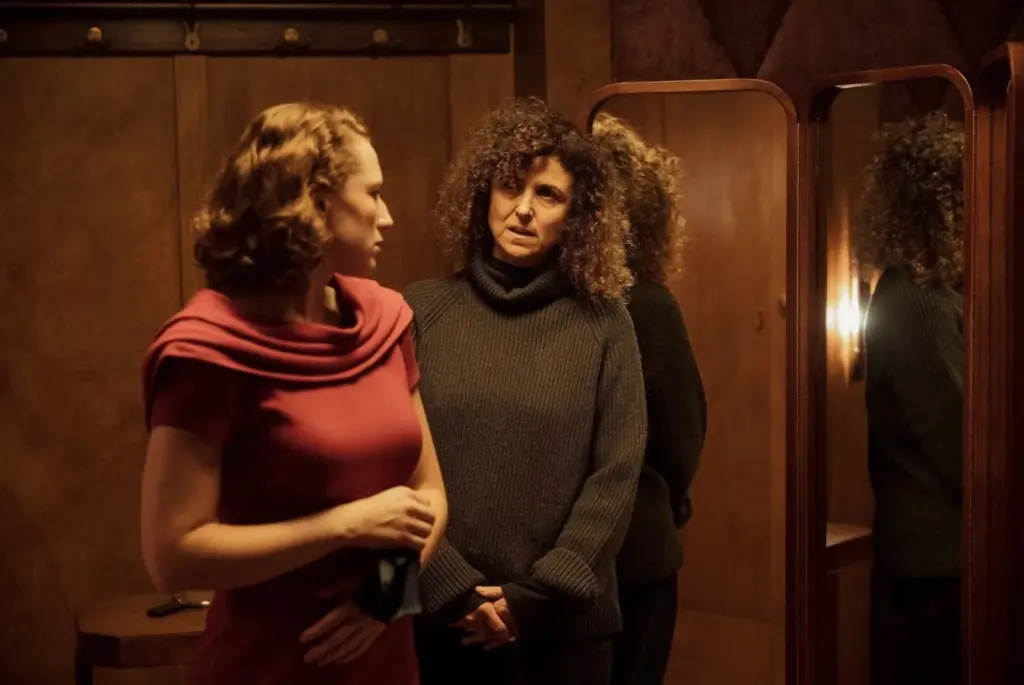
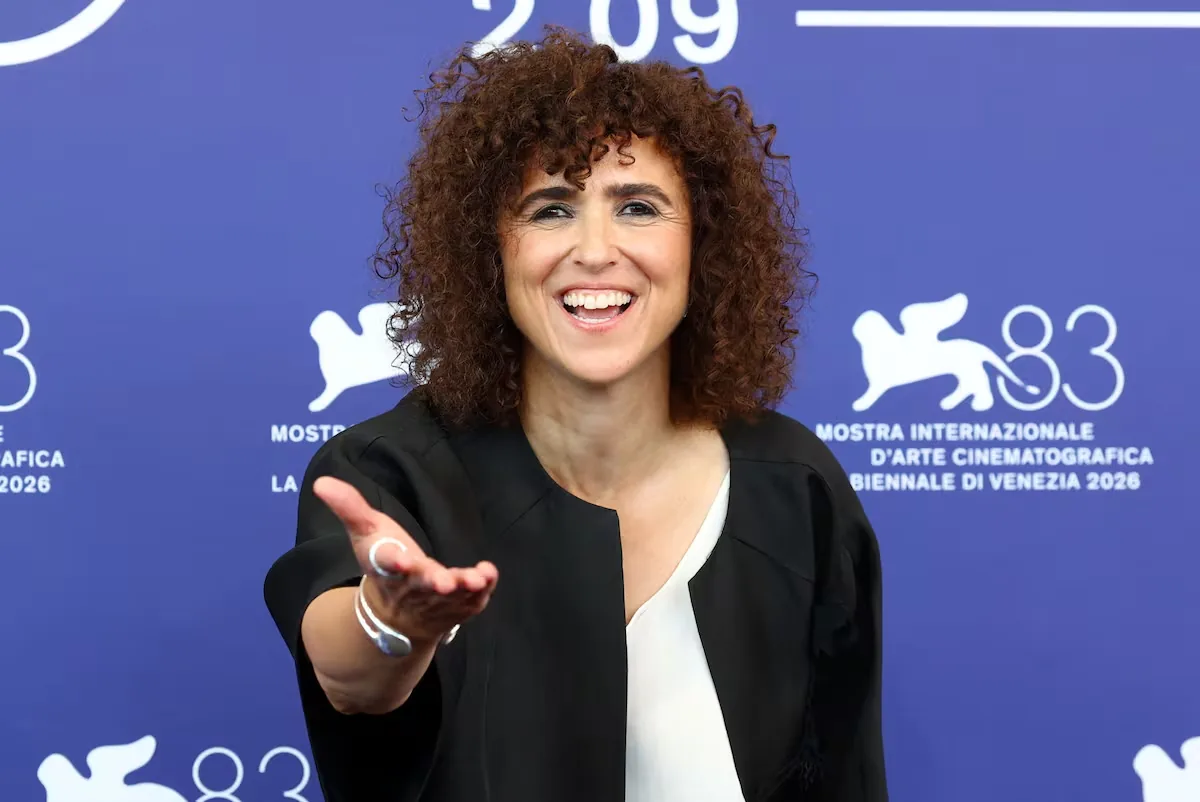
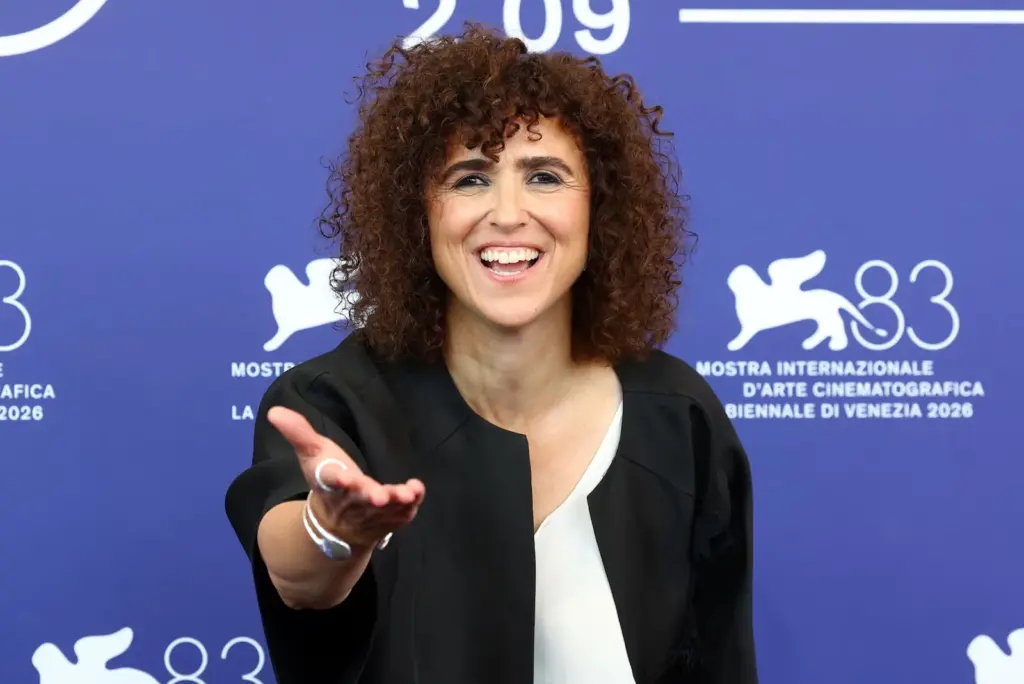
Sunday was one of the best days of this edition at the Lido. Also competing was Woman Unknown, one of the two films this year directed by a woman, in this case the Danish-Egyptian May el-Toukhy. It is a very sober, and harsh, drama about the hunt, fear, and guilt of collaborationist women after World War II, and the humiliating public punishments they were subjected to if they had any kind of sentimental relationship with the invading Germans. Its director explained that the story was born from a 1942 photograph in which she saw naked and shaved women in the street with a swastika painted on their backs. These shame parades took place all over Europe, and May el-Toukhy focuses on one story, that of a nanny who is about to get married hiding her recent past.
Dark and distressing, with great period setting work and her lead actress, Mathilde Arcel F., Woman Unknown raises complex issues about survival in a postwar period in which many collaborationist companies were forgiven but not the women who slept with Germans.
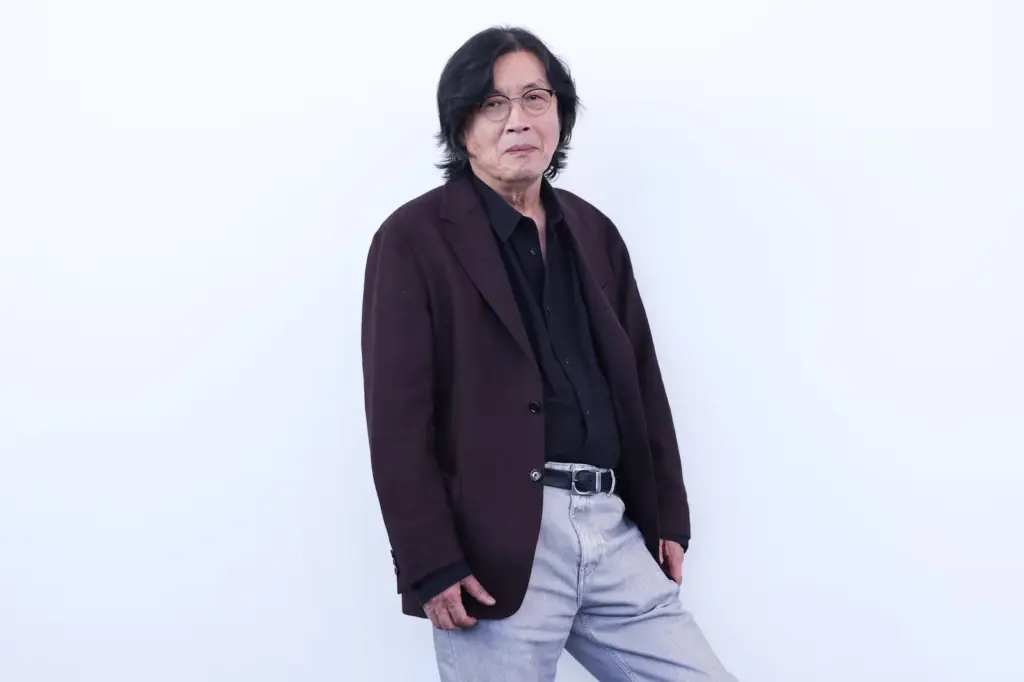
All in all, the film that convinced the most this Sunday at La Mostra was that of South Korean Lee Chang-Dong, who, after eight years absent, premieres Possible Love, in which the director of the excellent Burning considers through a labor drama the meaning of making films today. In his film, he confronts two women and two worlds: a wealthy documentarian and the subject of her documentary, a unionized worker who experiences the disintegration of her workplace due to cuts and new technologies. That reconversion also drags her depressed husband, a colleague at the factory. The two women like each other and form a friendship in which their lives and desires intersect. Also their partners. The South Korean raises questions about the present, the future of work, and the place of cinema.
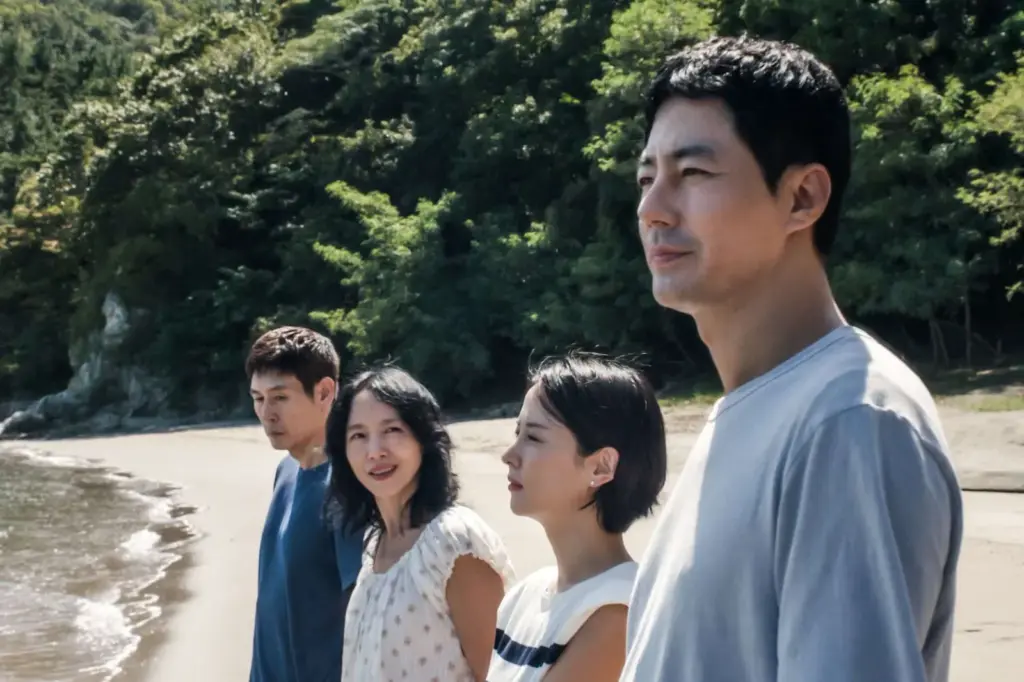
Possible Love reaches its climax in a surprising final stretch where dissatisfaction, desire, and family converge. “Over these years I have felt how our lives have transformed and changed drastically,” Lee Chang-dong said this Sunday at the Lido. “The covid crisis made me reflect on how the relationship between human beings was mutating profoundly and that led me to ask a question: Can cinema continue to connect people?”
Hours earlier, his Portuguese colleague Pedro Costa received the XXVII Bresson Award granted by the Holy See through the Fondazione Ente dello Spettacolo, and did so with a speech in which he recalled that his cinema is “for the poor and those who suffer and have no voice.” “I don’t understand the current world and I never will,” he added. “There are still good films, some magnificent, few, but the gap between spirit and matter keeps growing. Cesare Pavese said there are those on this side and those on the other. I am on this side and that will not change.” Costa reproached his colleagues for that moral atrophy: “Most of the directors present at this festival do not believe in the value of cinema; it is not simply about shooting a film, gathering a team, and taking it to festivals. Cinema is something else, it is the art of rebellion. When it stops confronting reality, or refuses to see it, it is no longer cinema.”
Read more An Amazon cargo plane skids off the runway at Miami airport and ends up in flames