



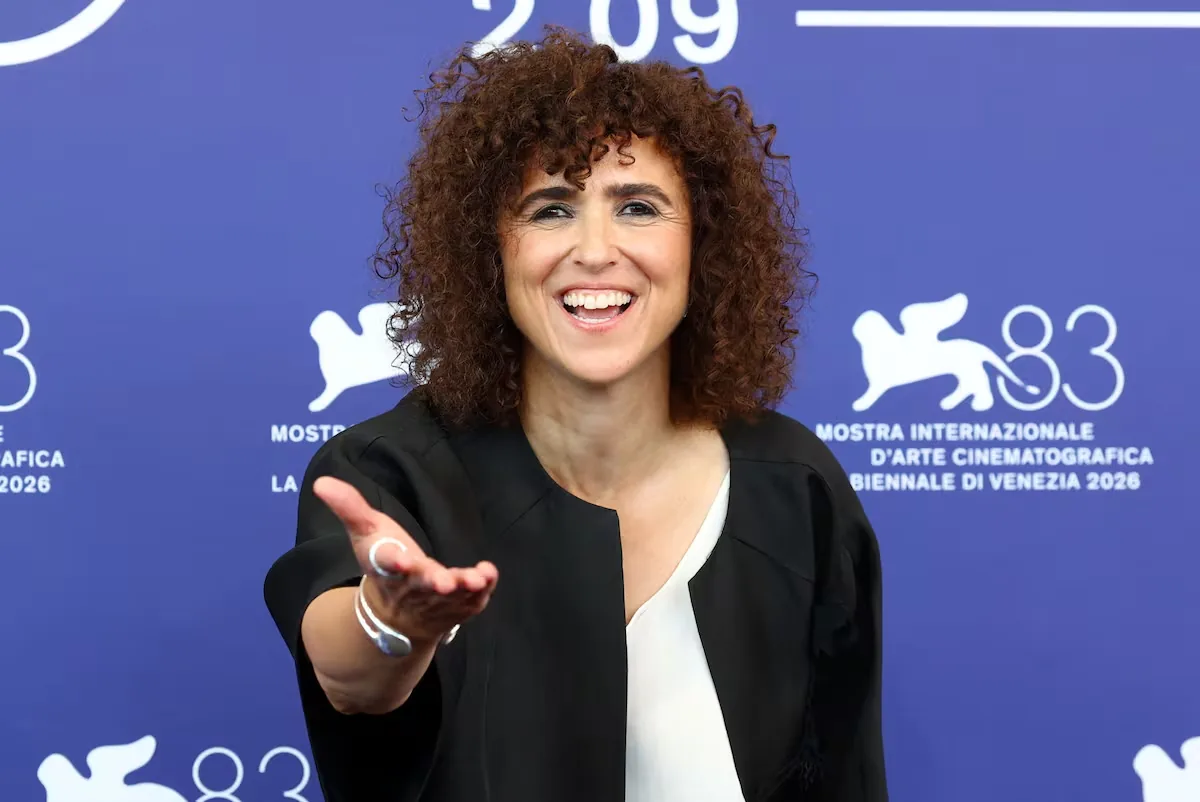
The Venice Festival kicked off with controversy over the scarce presence of women directors in its competition and the jury’s awards, chaired by American actress and director Maggie Gyllenhaal, who denounced the systemic problem of an industry uninterested in stories told by women or their perspective on the world, resolved it with a bang: the Golden Lion for Woman Unknown, directed by Danish May el-Toukhy, the Volpi Cup for its actress, Mathilde Arcel F., and the Jury Prize, fourth in importance, for NAZA, co-directed by Rachel Szor alongside Yuval Abraham. In other words, the only two female directors in the competition were on the 83rd edition of the Mostra’s awards list.
Read more El Elche scrapes a point against an Athletic team that lacked accuracy
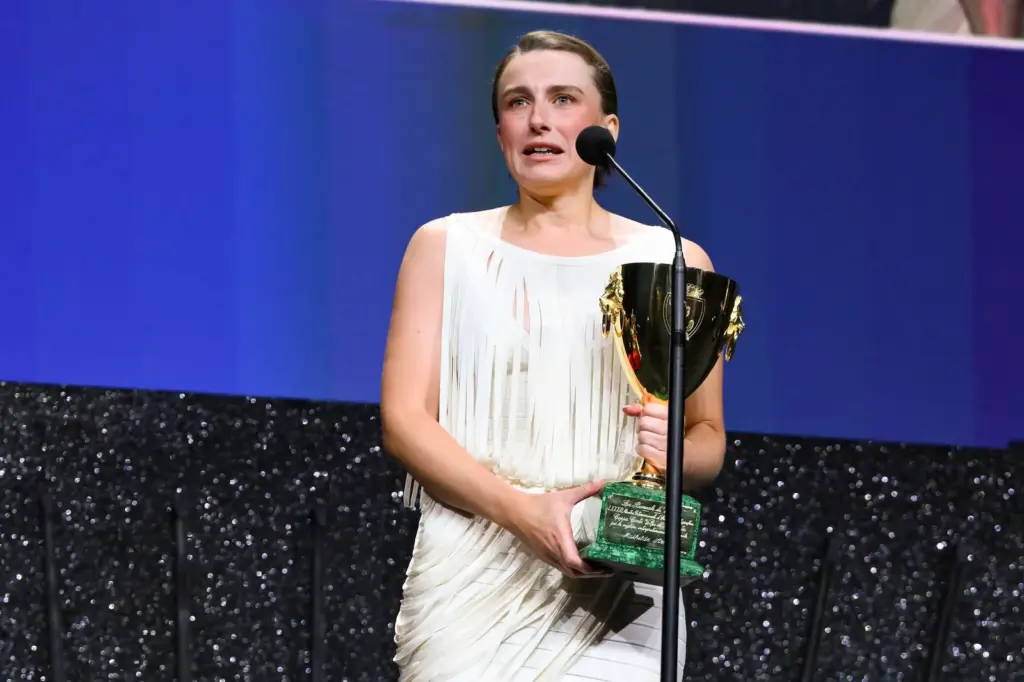
Woman Unknown is a very good film about one of the darkest episodes of postwar Europe, the humiliating shame walks to which women suspected of collaboration or having sentimental relationships with a German during the Nazi occupation were subjected. Degrading humiliations focused on their bodies by shaving their heads, stripping them, and marking them like animals in public. The Volpi Cup for Best Actress for Mathilde Arcel F. for this film is indisputable. At thirty years old, the Danish actress, who had never had a leading role, carries a very complex and dark character. The character she plays is that of a nanny who hides her past with a chilling coldness, control, and fear. You cannot empathize with her, but at the same time, we understand her terror. With a frightened look, always closed in on herself, addicted to opiates, engaged to an old businessman who she secretly despises, fleeing her poor past and other things we never learn, the character carries the pain of a body marked by a miserable postwar, and Mathilde Arcel F. conveys it with unforgettable strength.
DAU, by Russian Ilya Khrzhanovskiy, won the Best Director award for his dazzling and tragic historical fresco on Stalinist totalitarianism through the life of physics Nobel laureate Lev Landau, and Possible Love, by Lee Chang-dong, received the Grand Jury Prize for how it touches on so many complex themes (class, work, marriage, desire, envy) magnificently, acclimating the viewer until reaching a surprising final stretch. This story about two women — a wealthy documentarian and the subject of her documentary, a worker who sees her husband, fired after a strike, sink — marks the return eight years later of the South Korean filmmaker, who explained at the Lido that his film talks “about the invisible violence of capital.” Something also present with the Best Screenplay award for Un bon petit soldat, by Stéphane Brizé.
The Special Jury Prize, fourth in importance, went to NAZA, which did not achieve the same recognition as the much less solid The Voice of Hind did a year ago. The documentary by Yuval Abraham and Rachel Szor reveals systems of surveillance and attack programs generated by artificial intelligence to mass murder the population of Gaza. “It is not easy to be here when in our country they are denying what this film says without watching it,” said Yuval Abraham on the Lido stage.
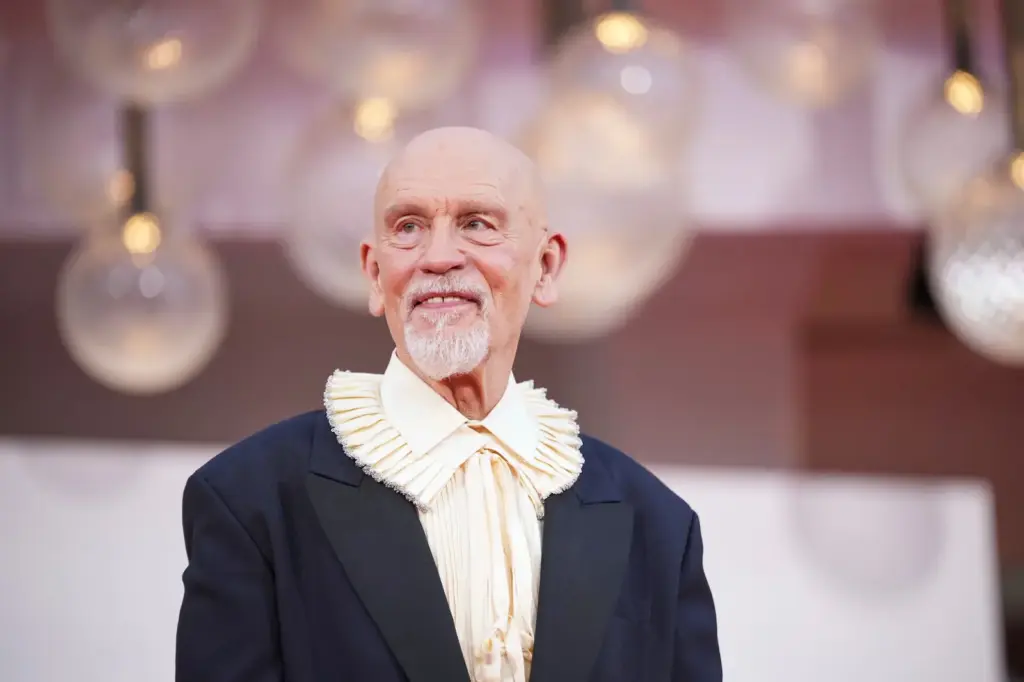
The Volpi Cup for Best Actor confirmed all predictions. Actor John Malkovich excels in his portrayal of a twilight spy-clown in Wild Horse Nine, by Martin McDonagh. From the day of the screening, his work and that of his colleague Sam Rockwell thrilled audiences for their ability to move and make laugh with clownish CIA agents who review half a century of American imperialism with a wonderful script while the coup against Salvador Allende is brewing.
Some of the awardees at the gala held at the Lido remembered the figure of producer Jeremy Thomas, who passed away yesterday at 77. Thomas was the producer, among many others, of The Last Emperor, by Bernardo Bertolucci. The legacy of the Italian filmmaker was very present in this 83rd edition through the film of his last script, The Echo Chamber, and the documentary of more than seven hours that Luca Guadagnino has dedicated to his work and his vision of cinema.
Read more A great Spain demands a great United States in the World Cup semifinals
Sometimes I feel sadness, other times rebellion, by Argentine María Aparicio, won the main prize at Giornate degli Autori, whose jury was chaired by Spanish director Carla Simón. According to the jury’s decision, it is a film that portrays the loneliness of the present, “in which the intimate dimension and the political charge intertwine, inviting us to reflect on work, immigration, and privilege, through a delicate staging built more on small gestures than on major events.”
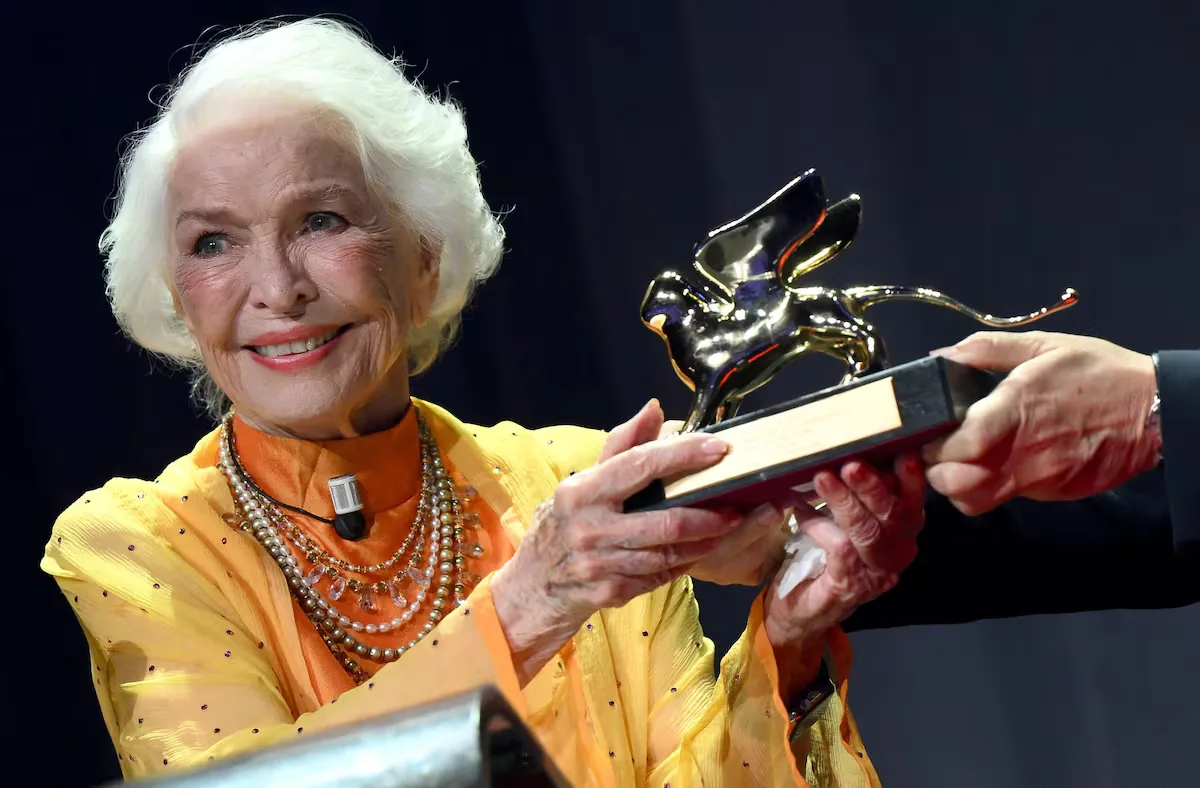
This edition of the Mostra will also leave a tribute to two Hollywood stars, George Clooney and Ellen Burstyn, in an edition marked by the absence of films from major studios. Burstyn, protagonist of New Hollywood milestones such as Alice Doesn’t Live Here Anymore or The Exorcist, embodied an elderly Marilyn Monroe in a short film by Gyllenhaal that claims the place of actresses who changed cinema in a canon that still sidelines them.
Awards of the 83rd edition
-Golden Lion: Woman Unknown, by May el-Toukhy.
-Grand Jury Prize: Possible Love, by Lee Chang-dong.
-Special Jury Prize: NAZA, by Yuval Abraham and Rachel Szor.
-Silver Lion for Best Director: Ilya Khrzhanovskiy for DAU
-Best Screenplay: Stéphane Brizé, Coralie Amédéo, and Olivier Gorce for Un bon petit soldat.
-Volpi Cup for Best Actor: John Malkovich, for Wild Horse Nine.
-Volpi Cup for Best Actress: Mathilde Arcel, for Woman Unknown.
-Marcello Mastroianni Award for Emerging Performer: Malou Khebizi, for A Place to heal.
Read more Barça’s striking power prevails over Atlético’s depth
[Breaking news, more details coming soon]