









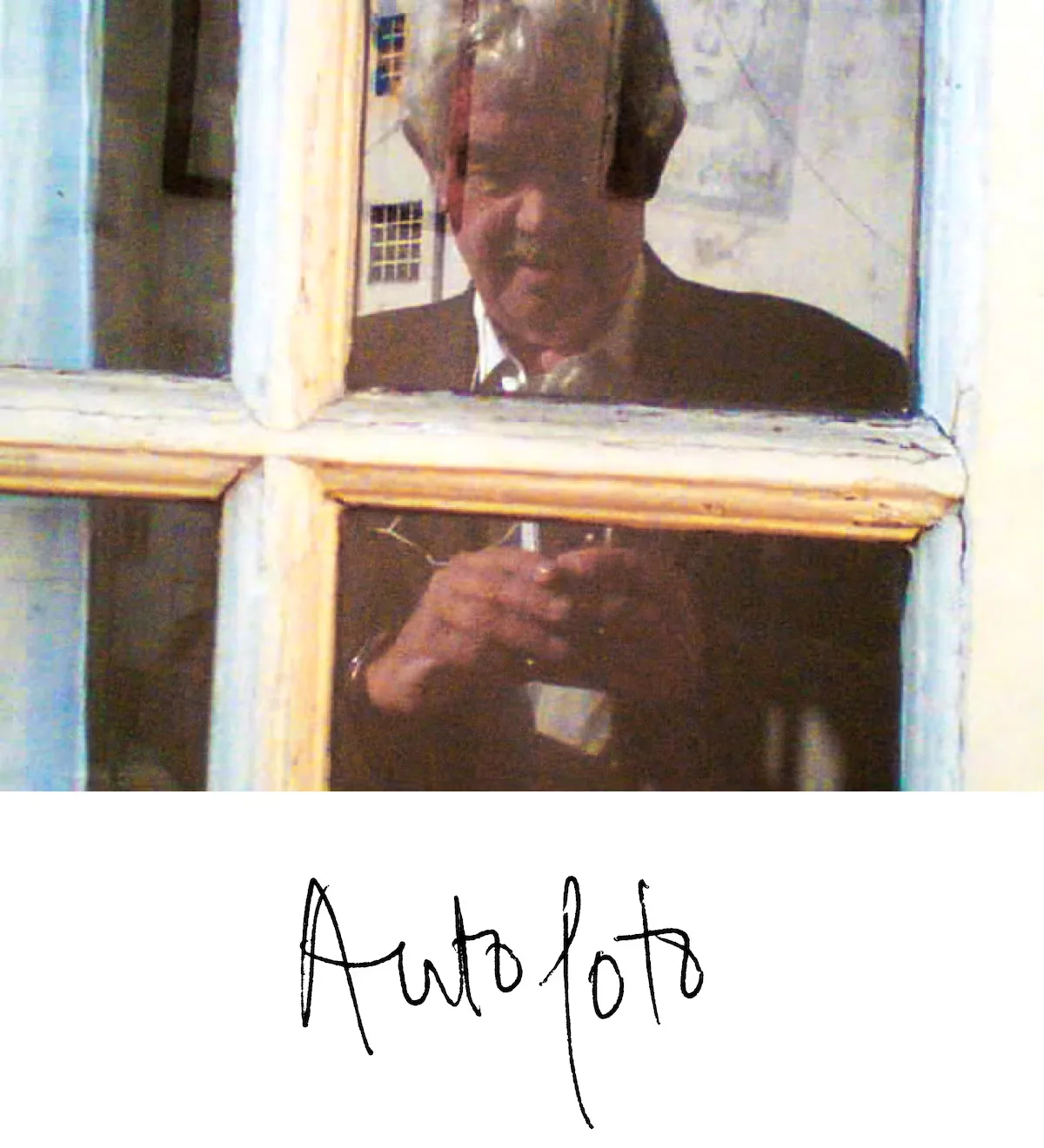
There are photographs that try to stop time. And there are others that, precisely because they know they cannot do so, become a way of looking at it. Around this idea revolves La captura del temps / La captura del tiempo, the exhibition that this Wednesday inaugurates the cultural season of the Delegation of the Government of the Generalitat of Catalonia in Madrid, and that puts face to face two ways of photographing: that of the former Catalan president Pasqual Maragall and that of the photographer Toni Catany.
Read more Penélope Cruz, after the 15-minute ovation in Venice: “I am the most surprised by what is happening”
More than a hundred images taken by Maragall with his mobile phone from 2007, when he was diagnosed with Alzheimer’s, until 2010 occupy the rooms alongside Catany’s snapshots, a personal friend of the former president and one of the great names in Spanish photography. It is not so much a dialogue between a professional and an amateur, but a meeting between two ways of observing and relating to memory. Maragall began to photograph spontaneously, without a large camera and without the intention of creating a work. “My father started taking them with his mobile. There was no artistic intention; he simply wanted to preserve moments he considered important,” explains his daughter Cristina Maragall, next to many of the images, pointing to them: “Those photographs ended up becoming something more. It was a way of doing therapy and, at the same time, a diary.”
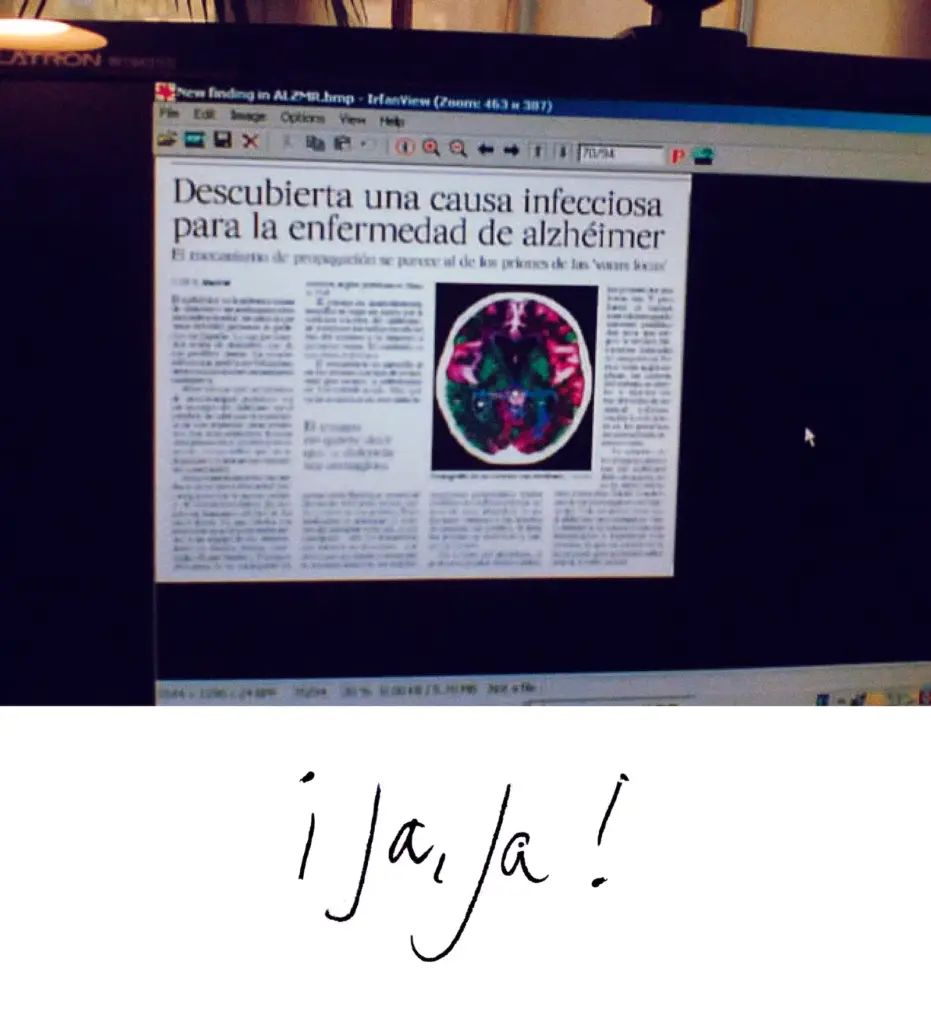
The context gives the images a particularly intimate dimension. Maragall had cataracts and, over time, those photographs also acquired the value of preserving his own gaze. “The memory that will remain of what he saw are these images,” his daughter points out. Some were rescued when Carles Bosch, director of the documentary about Maragall’s Alzheimer’s Bicicleta, cuchara, manzana, asked the former president to keep them because they had value.
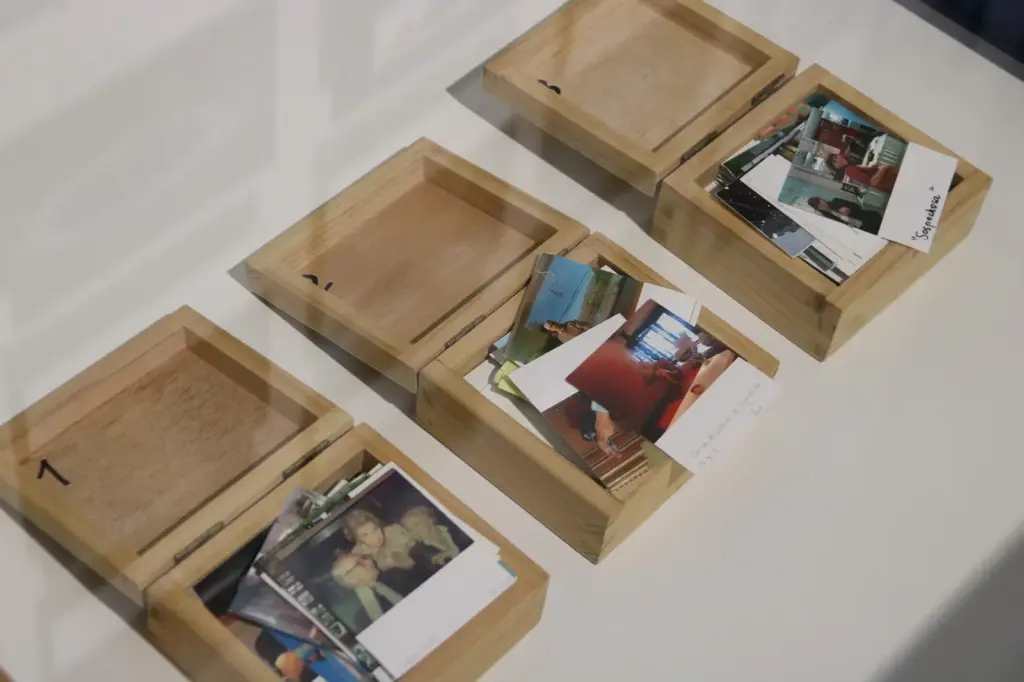
For Cristina Maragall, behind that practice there was also a will to permanence: “It was a way for him not to forget himself; there was a will to remain, to signify oneself.” In his photographs appears a “critical, political, ironic” gaze, moving between the street and family intimacy. There are images of his five grandchildren, his wife, everyday scenes, trash in the street, streets, objects, corners. “There are photos of my mother that are very moving,” his daughter confesses in the exhibition, which can be visited until November 28 at the Centre Cultural-Llibreria Blanquerna in Madrid. Maragall also commented on the photographs and left his own notes: the result is a personal archive composed of hundreds of images that, beyond their family value, function as the portrait of an era.
On the other side appears Toni Catany, whose photography introduces a more thoughtful look at the passage of time, memory, and the trace of things. The choice of the Mallorcan to share space with Maragall’s images is not accidental. His friendship with the politician was born precisely from Maragall’s curiosity to know the daily life of the neighborhoods: he even slept in neighbors’ houses and, in the 1980s Raval, stayed at Catany’s house. From that meeting arose a relationship that today allows this dialogue between their images. One of the curators, Toni Grau, points to the common link between them: “The origin of everything is memory. We work to tell, from the perspective of the art world, what this memory is.”
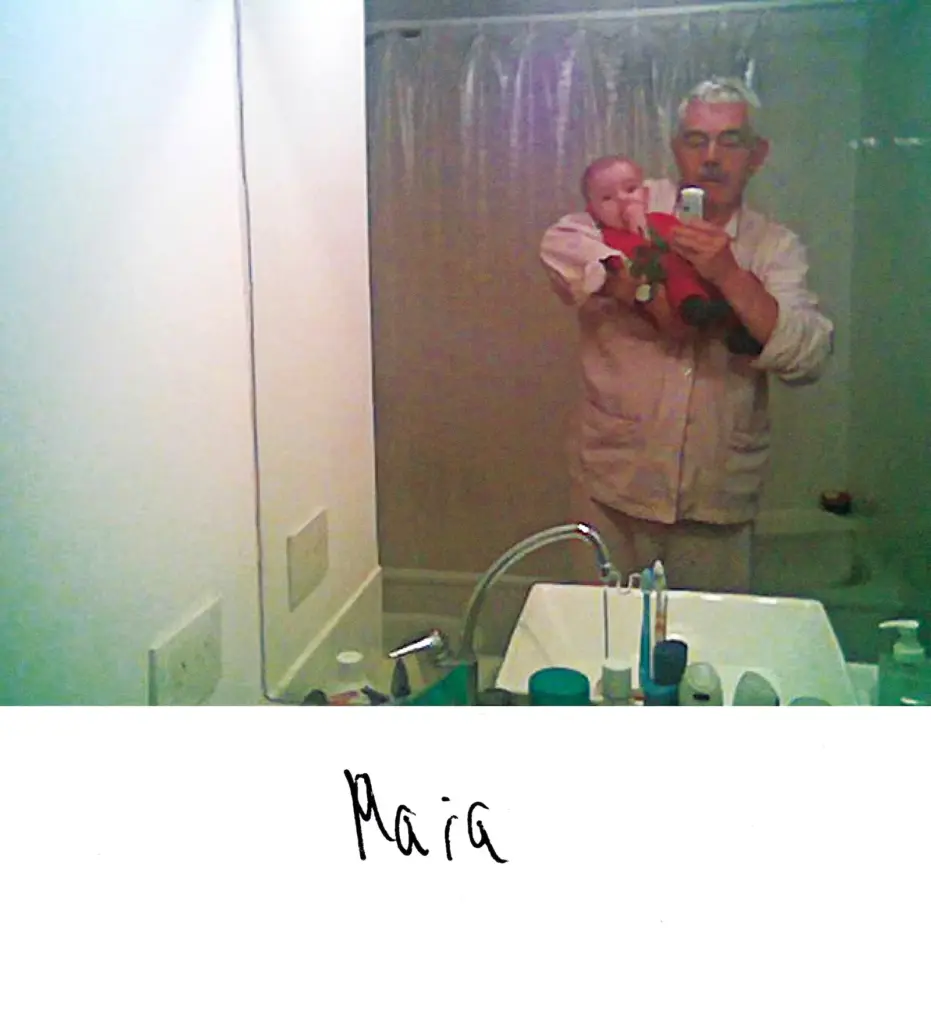
The exhibition, organized by the Fundació Pasqual Maragall and the Fundació Toni Catany, also incorporates personal objects of the former president and seeks to bring both universes closer. “We want to bring the world of Catany and Maragall closer through their friendship,” says the curator. Next to him, in a display case, he observes the old Nokia with the worn keyboard with which Maragall took his photographs.
Pioneers of the selfie
There is also an unexpected point of connection with contemporary visual culture. The curator considers that Maragall was a “pioneer of the selfi”, although he used another term: self-photos. There are all kinds of images that the politician took of his own face. Catany also practiced self-portraiture in front of mirrors, and the exhibition makes those two ways of looking at oneself dialogue. Catany called them self-portraits of I.
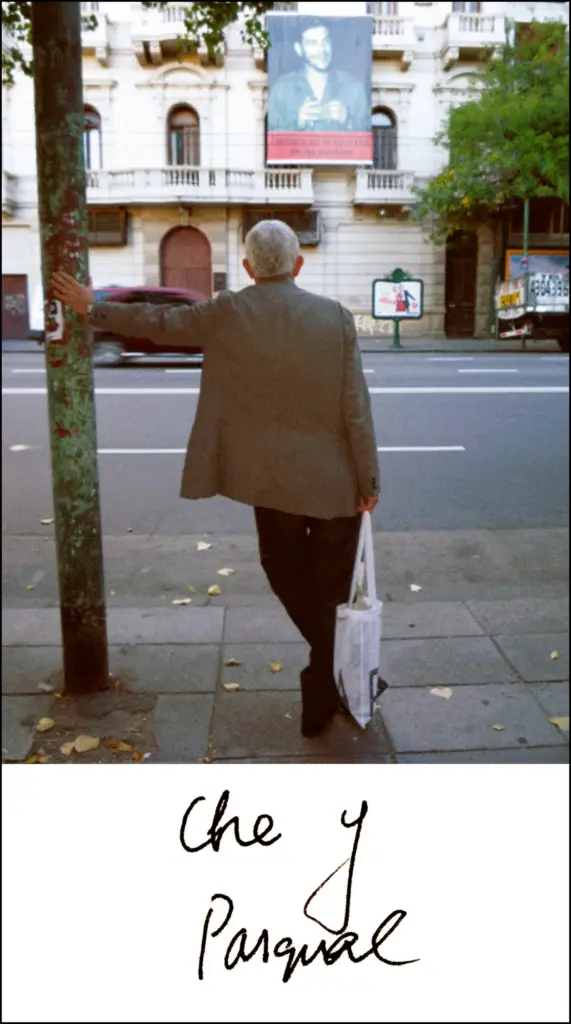
La captura del temps ends up being more than an exhibition about Maragall or a photographic show: it is a reflection on what we decide to keep when we photograph and on what happens when those images survive our own memory, even if it is damaged. “My father is fine,” Cristina Maragall concludes. “He has been diagnosed for 20 years now, he is 85, and naturally his age shows. Now he is very dependent, but he lives calmly: he listens to music, he keeps going,” she says, precisely next to a family photograph of the Maragalls. The politician photographed to keep his present. Today it is those photographs that allow us to recover a part of his memory.