





Nothing Phone 4a Pro
Honor Magic8 Lite 5G
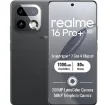
realme 16 Pro+
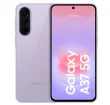
Samsung A37 5G
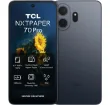
TCL NXTPAPER 70 Pro
The best mid-range phone of the moment
The mid-range continues to establish itself as a key category for smartphone manufacturers: this segment has become the ideal balance point for many users who, without needing a premium phone, are looking for phones with features clearly above the entry-level or basic range.
Read more High-speed train delays between Madrid and Andalusia due to an incident involving track machinery
Brands have successfully interpreted these needs, offering models that in many cases even exceed user expectations. This has made it possible for them to incorporate features previously reserved for higher ranges, such as more agile performance, longer-lasting batteries, and increasingly sharper and smoother screens with high refresh rates. The evolution of the photographic section, which has notably improved in recent years, also stands out.
How I chose and tested the products
I used these five mid-range phones for at least a week to evaluate them in a real environment. During that time, I subjected them to daily use including internet browsing, social media, email management, occasional image editing tasks, and multimedia content consumption. I also occasionally played titles like Genshin Impact to check their fluidity and graphic capability and evaluated the photographic section of all of them in different conditions —indoors, outdoors, low light, and portraits—.
In each analysis, I took into account aspects such as the following:
- Design: the quality of the finishes, ergonomics, and in-hand feel were valued, key aspects that directly influence daily use comfort.
- Screen: the panel of each device was analyzed, paying attention to sharpness, brightness, color reproduction, and fluidity both in navigation and in multimedia content playback or games.
- Performance: referring to the system’s agility of each smartphone and its responsiveness when executing different tasks simultaneously.
- Cameras: without forgetting that these phones are a step behind high-end models, I focused the tests mainly on the main sensor and the front camera, comparing the results in different light conditions.
- Other aspects: battery life and charging speed, sound quality, the user experience of the different customization layers, etc., were considered.
Why you can trust me?
I have been in technology journalism for two decades. Throughout this time, I have had the privilege of seeing how technology advances to make everyday life easier and I have been able to report on it in different media. Although I have lost count of how many products have passed through my hands, I confess that the enthusiasm and sensations remain the same. Laptops, tablets, phones, cameras, activity trackers, smartwatches… I set no limits when choosing a device and squeezing its possibilities to the maximum as a good technology consumer.
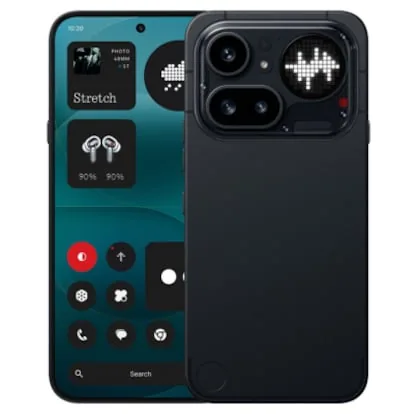
One-piece aluminum block: Nothing Phone 4a Pro
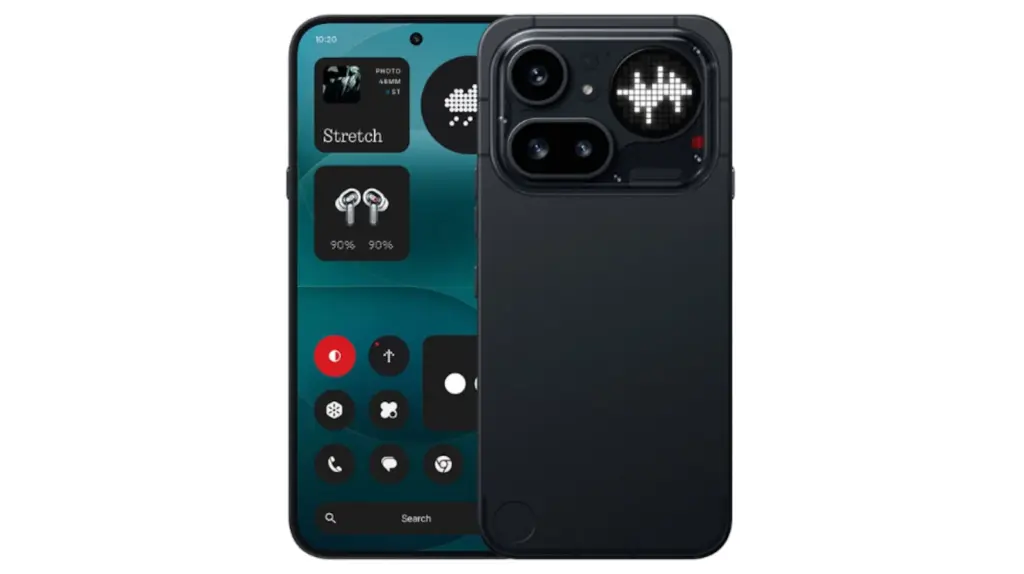
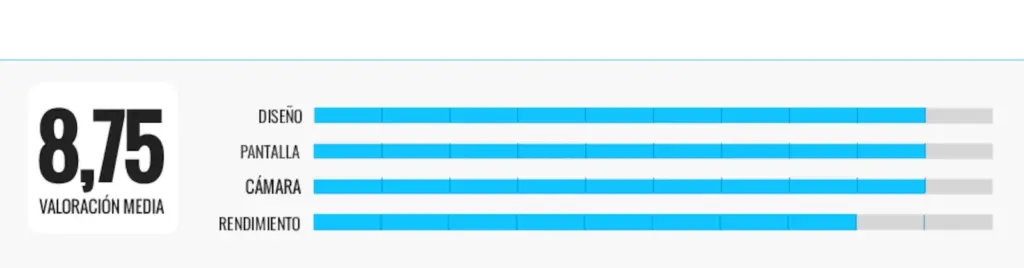
Who it’s for: ideal if you want a mobile phone with its own personality.
Why we chose it: as expected, this review begins with its design, specifically with its lighting system located on the back, which has been named Glyph Matrix. It has an unmistakable aesthetic: it is a circular panel that includes a kind of grid with 137 microLEDs that create light patterns. Beyond a striking effect, the interesting thing is that I have been able to assign these patterns to calls, contacts, notifications… so you don’t have to keep the phone screen face up all the time to know what’s happening. Since it doesn’t come by default, I activated it by going to the ‘Glyph Interface’ option in ‘Settings’.
Another feature I want to tell you about is related to AI. In this phone, it applies to the organization and management of personal information through ‘Essential Space’ and the ‘Essential Key’ button. By itself, it doesn’t have a function as such, but it serves to send content to an intelligent space where AI organizes and processes it automatically.
Taking photos on the street in broad daylight —facades, cars, people walking— it responds very well: images are perceived as sharp, with a good level of detail, without exaggerated colors, and quite faithful to what you see. But what surprised me most is the telephoto lens, as its optical zoom allows you to get closer without losing too much quality, which is not so common in this range.
Its weak points: compared to other models, it only offers three years of operating system updates.
IP69K Certification: Honor Magic8 Lite 5G
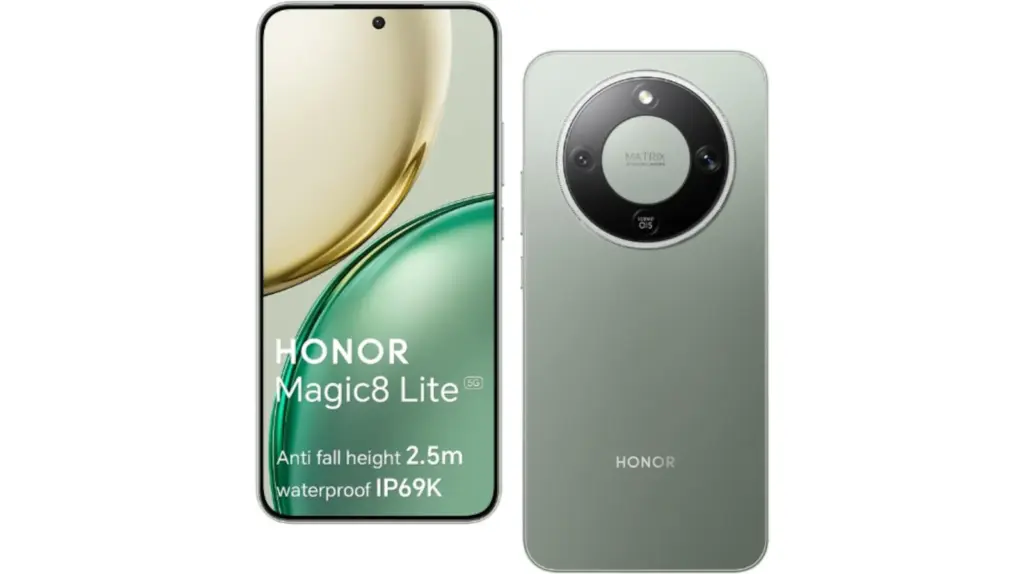
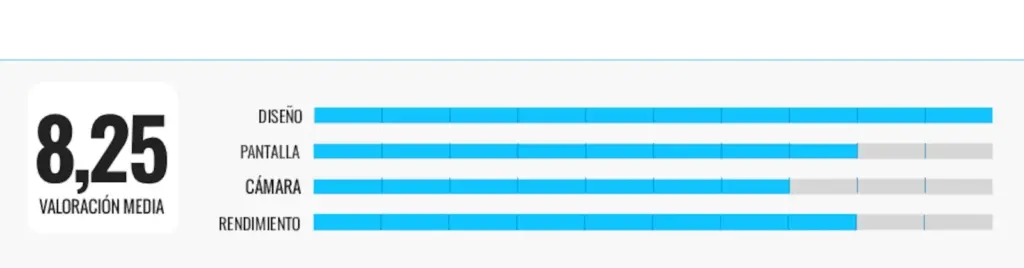
Who it’s for: if you want a phone that isn’t too heavy but also offers a design that stands out for its high daily resistance and an infinite battery.
Why we recommend it: the first thing that caught my attention is its incredibly thin design for what it hides inside: although it has a thickness of only 7.76 mm, this has not prevented it from integrating a 7,500 mAh battery, something unusual that we owe to its silicon-carbon technology. With real use, I have managed to perfectly extend its battery life for three days, alternating between social media, camera, GPS navigation, and multimedia consumption without constantly checking the remaining battery percentage. Its other strong point is its resistance, as it has received several certifications, including IP69K, which guarantees an extreme level of protection against dust and pressurized water, designed for more demanding situations than everyday use.
The screen has also met my expectations, and in this regard, I must highlight its pixel density, color reproduction, and brightness level, ideal for consuming multimedia content. Do you use your phone to read? In this case, I recommend ‘eBook’ mode, which reduces eye strain and makes the experience more comfortable.
On the other hand, its customization layer provides artificial intelligence functions such as writing tools that help us improve a text; the identification of interlocutors in a conversation you transcribe or the Magic Portal that allows moving content from one app to another.
Its weak points: unlike other models, it starts with Android 15 and not 16.
144 Hz refresh rate: realme 16 Pro+
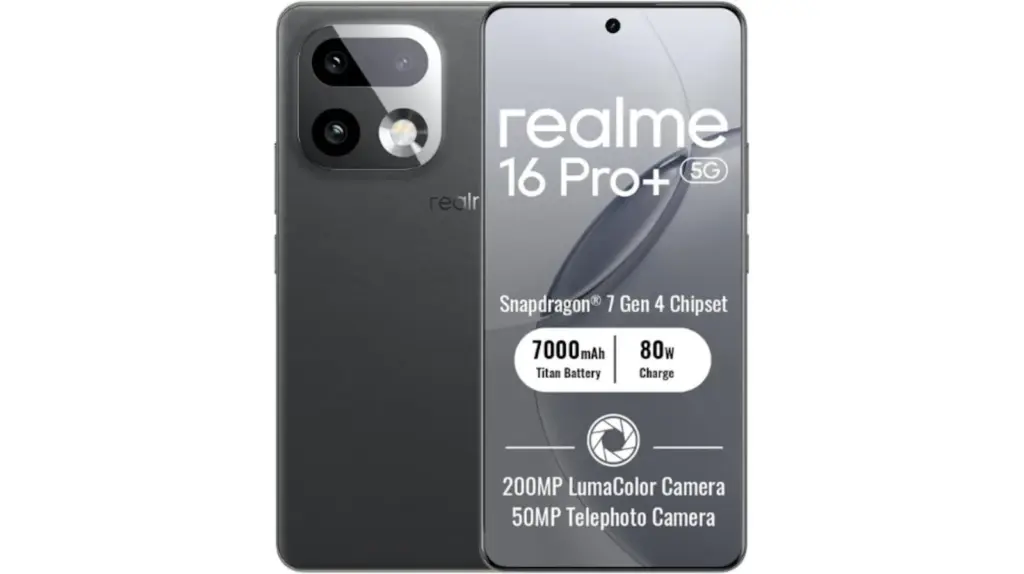
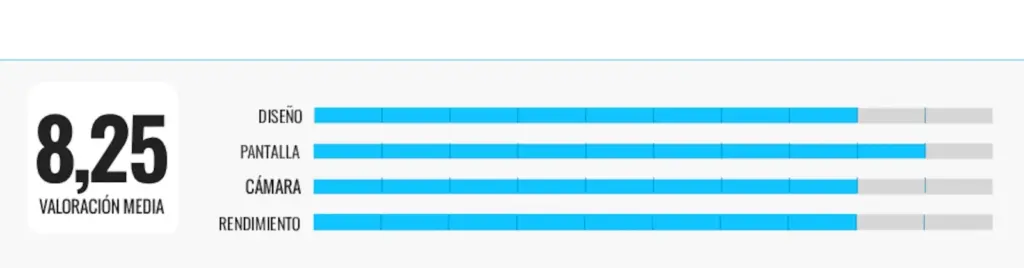
Who it’s for: if you prioritize battery life and a solid main camera for everyday use, keep reading.
Why we chose it: I would recommend this mobile phone for three reasons. The first is the battery. Its 7,000 mAh do an excellent job. Using it normally —email, social media, GPS, music, videos, and taking quite a few photos— I achieved almost two and a half days of battery life on a single charge, reaching about 10% before having to plug it in.
The second aspect is the photographic experience because I really enjoyed capturing different moments: the focus is fast, the colors are vivid, and the level of detail is more than achieved. For example, one day on a terrace at sunset, I took several photos at a gathering with several friends without touching any settings, and they came out with that pleasant warm tone that I like so much, without looking artificial. And on a recent trip to Palma de Mallorca, when photographing the cathedral, which was somewhat distant, I used the 3.5x zoom of the telephoto lens to bring it closer and capture its architectural details, without that watercolor effect that usually appears on other phones. At night, the result was also better than expected. The cropping of portraits looks natural.
Finally, the screen. Not only is it large, as expected, but it is also very sharp and has an automatic brightness adjustment that adapts seamlessly to any situation. If you are going to use it to consume multimedia content, it is a real delight, as it also has Netflix HDR certification, which improves the experience of watching series and movies thanks to greater contrast and better color reproduction.
Its weak points: it’s a shame that the ultra-wide-angle lens is clearly behind the rest of the photographic sensors.
Read more A fire involving two trucks closes the A-3 motorway near Honrubia (Cuenca)
With a glossy glass finish: Samsung A37 5G
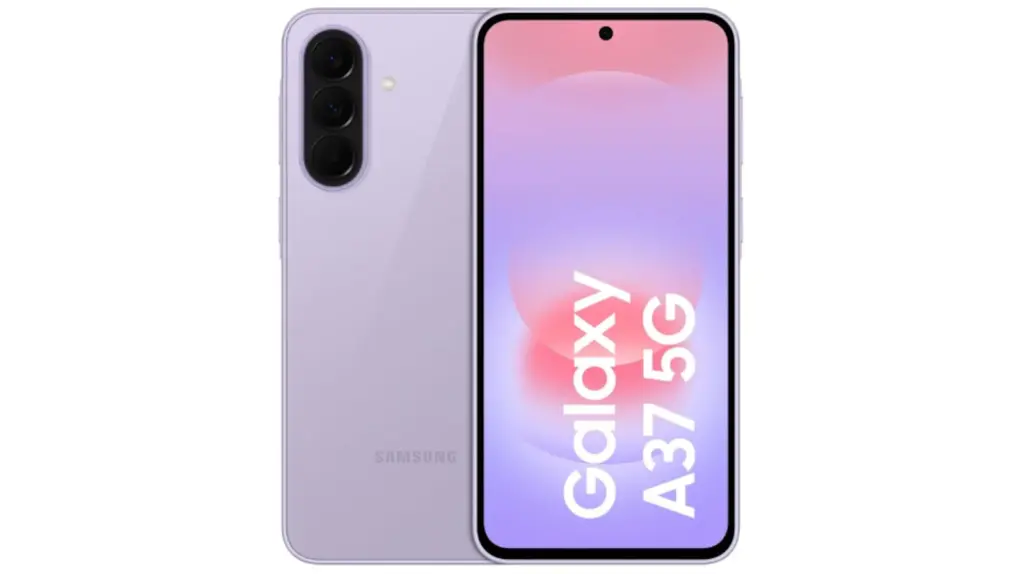
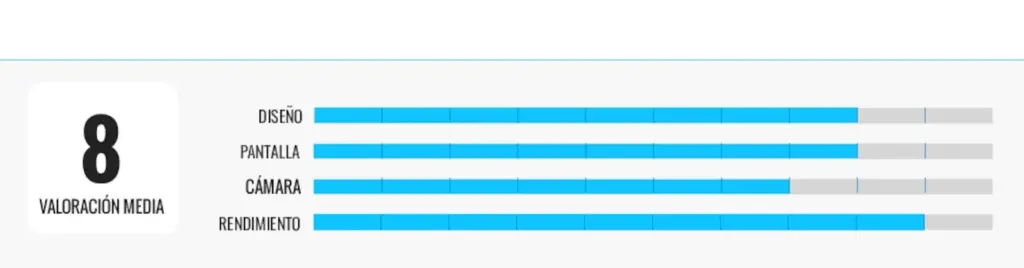
Who it’s for: users who want a reliable, durable, and balanced mid-range phone.
Why we recommend it: it’s not one of those mobile phones that try to impress you with super flashy features. Its philosophy is different: to offer stable and simple daily use. In this case, if there’s one element that defines it, it’s its One UI 8.5 customization layer, which makes everything flow smoother, reinforces security, and allows apps to open without ‘stuttering’… In addition, it adds some AI functions such as transcription and translation of voice recordings and calls, Gemini Live, an object eraser that works well, editing suggestions that improve the photos we take, etc. And speaking of photographs, I mainly took advantage of the main sensor (for its consistency) in urban scenes, plans with friends on a terrace, and outdoor spaces like mountain hikes. Also indoors, like a restaurant, and other spaces with light contrasts.
Another notable point is its long-term support. Samsung maintains an especially ambitious update policy within the mid-range, with six years of operating system updates and six years of security updates. The battery performs well, and the screen lives up to what one expects from a Samsung phone for its quality, good contrast, and colors.
Its weak points: there are phones with a more interesting quality-price ratio.
Optional T-Pen stylus: TCL NXTPAPER 70 Pro
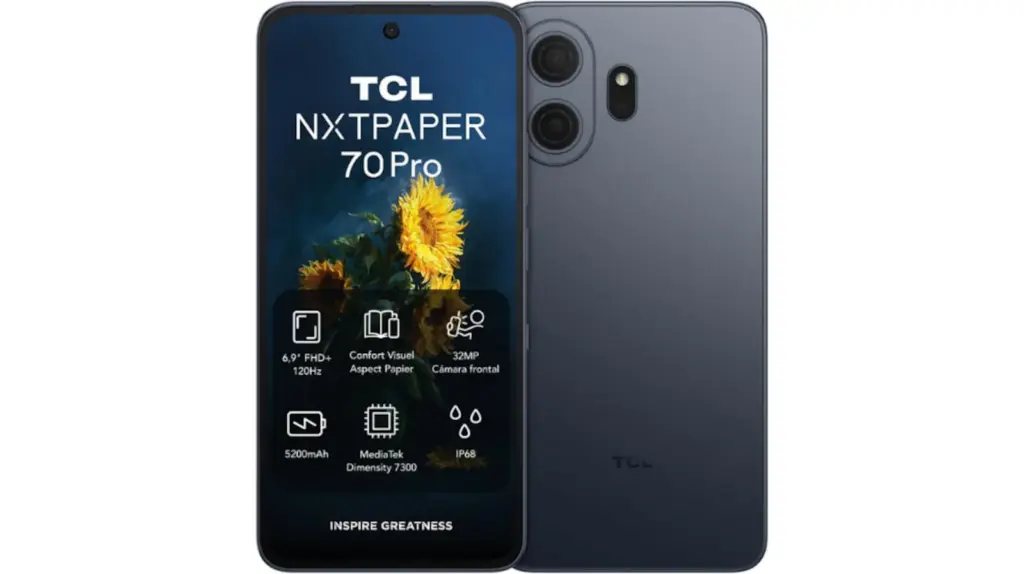
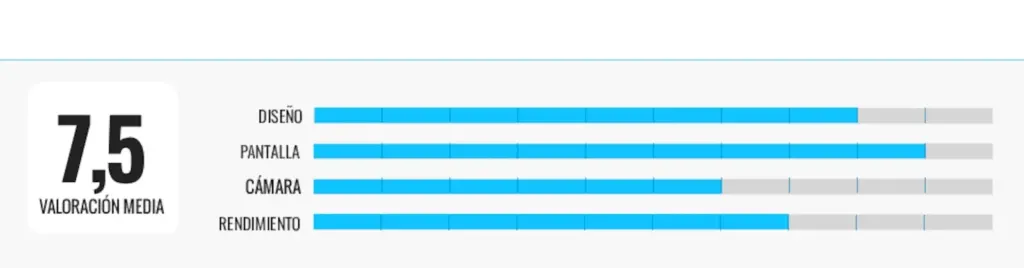
Who it’s for: users who want a device that combines mobile phone and e-reader functions.
Why we chose it: it doesn’t aim to be the most powerful or the one that takes the most spectacular photos. Its manufacturer proposes a smartphone that also serves as an e-reader, which would explain its integration of NXTPAPER 4.0 technology and various display modes that reduce eye strain.
After taking it out of its box, two details caught my attention. On one hand, the matte screen, and on the other, the NXTPAPER button located on the right side next to the power and volume buttons. Thanks to this, you decide whether you want to use it as a normal phone or transform it into an experience more similar to that of an e-reader. In the latter case, you have the option to choose between several modes, such as ink mode, which removes color and turns the screen black and white; for reading long texts or articles, this is the best.
After this mode, I tried the color mode, which maintains color but without the intensity characteristic of AMOLED panels: I did this by reading several cooking recipes with their respective images, and the experience is softer, more relaxed, and without that excessive brightness that sometimes becomes tiring. But perhaps the most curious one for me was the Max Ink mode, which minimizes distractions and notifications so that we can focus on reading, although the device still functions as a phone and you receive important alerts like calls. By the way, the version I tested comes with a digital stylus: I took notes by hand, and the matte surface helps the stroke not be so slippery.
Its weak points: its fast charging is limited to 33 W. And although it performs well in terms of performance and photographic experience, it is slightly behind other models in its range.
Other interesting mid-range phones:
If you are looking for a mid-range smartphone that supports Wi-Fi 7
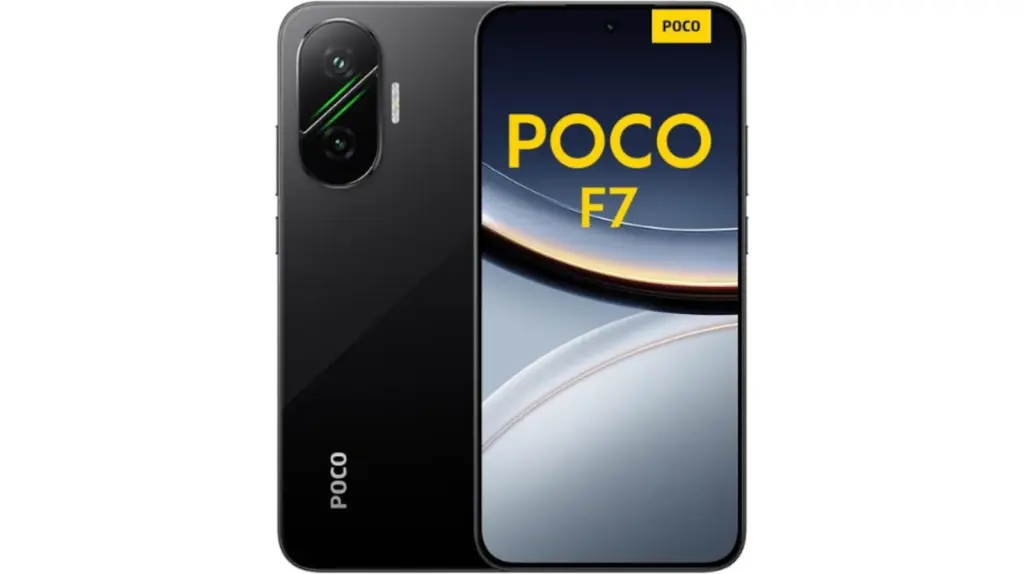
The Xiaomi Poco F7 model also offers an AMOLED screen of 6.83 inches, protected by Corning Gorilla Glass 7i, and 90W fast charging.
If you are looking for a smartphone that weighs less than 190 grams and focuses on energy efficiency
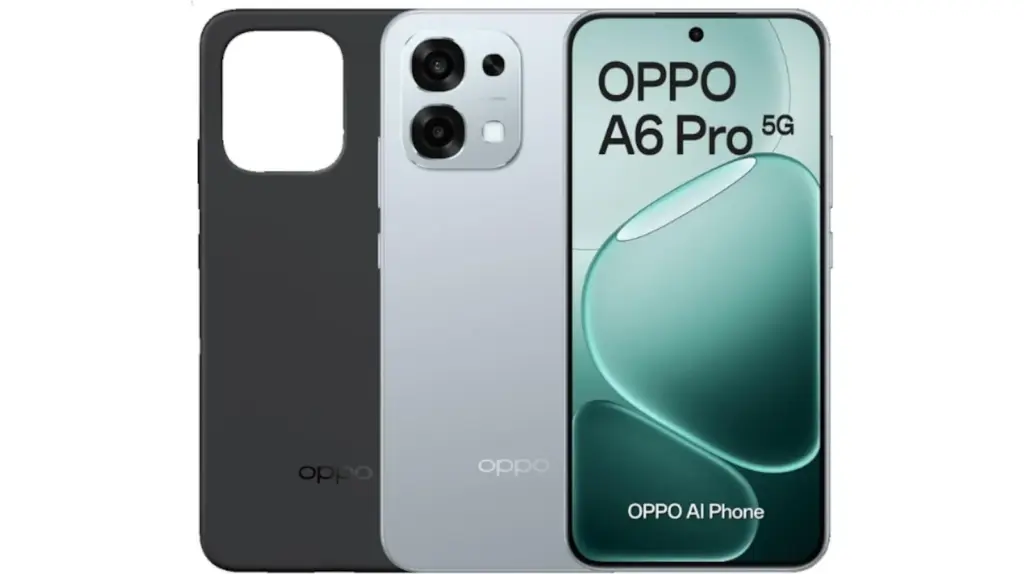
The OPPO A6 Pro 5G device meets both premises. Its features also include a 6.57-inch AMOLED screen, a microSD card slot, and IP69 resistance.
Frequently asked questions about mid-range phones
How long does the battery last in a mid-range phone? It depends on the model, but it is most common for them to offer between one and a half and two days of battery life with moderate use. In many cases, they already integrate batteries of 5,000 mAh or more, and also feature fast charging technologies ranging from 60W, 80W, and even up to 120W in some devices.
Are mid-range phone cameras good? Yes, although they do not reach the level of versatility or quality of high-end models. They usually perform well in good lighting conditions, with sharp photos and balanced colors, but in night scenes or when advanced zoom is used, they show more limitations. Even so, for most users looking for correct daily results and valid photos for social media, they perform perfectly.
What storage is recommended for a mid-range phone? Currently, it is advisable to opt for at least 256 GB, especially since many manufacturers have eliminated the microSD card slot. With 128 GB, one can still ‘get by’, but if the user records many 4K videos or stores large volumes of photos and applications, it might fall short.
Are they sufficient for playing demanding video games? Yes, most current mid-range smartphones incorporate processors capable of running demanding games like Genshin Impact or Call of Duty Mobile smoothly, though not always at the highest graphic settings. Furthermore, thanks to system optimizations and the use of artificial intelligence, performance adapts dynamically to prioritize stability and maintain a fluid gaming experience without sudden drops in performance, even during prolonged sessions.
*All purchase prices included in this article are updated as of 20 April 2026.
You can follow EL PAÍS ESCAPARATE on Instagram, or subscribe to our Newsletter.