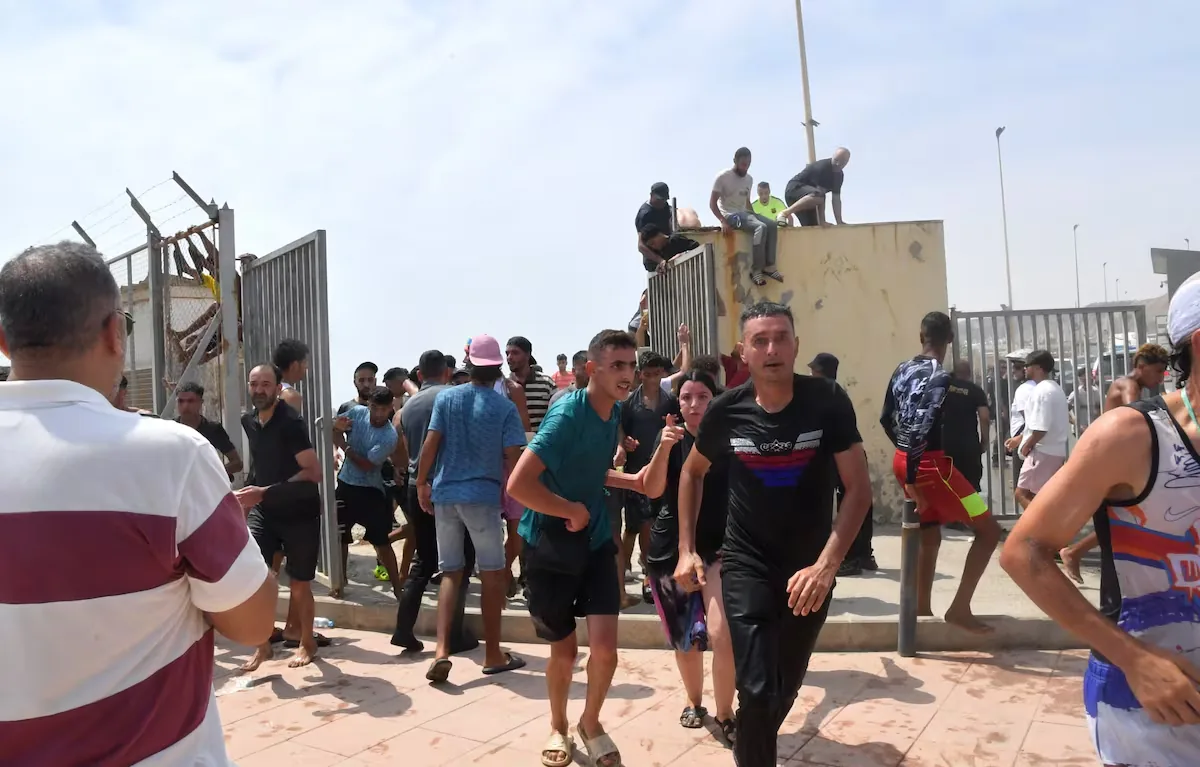



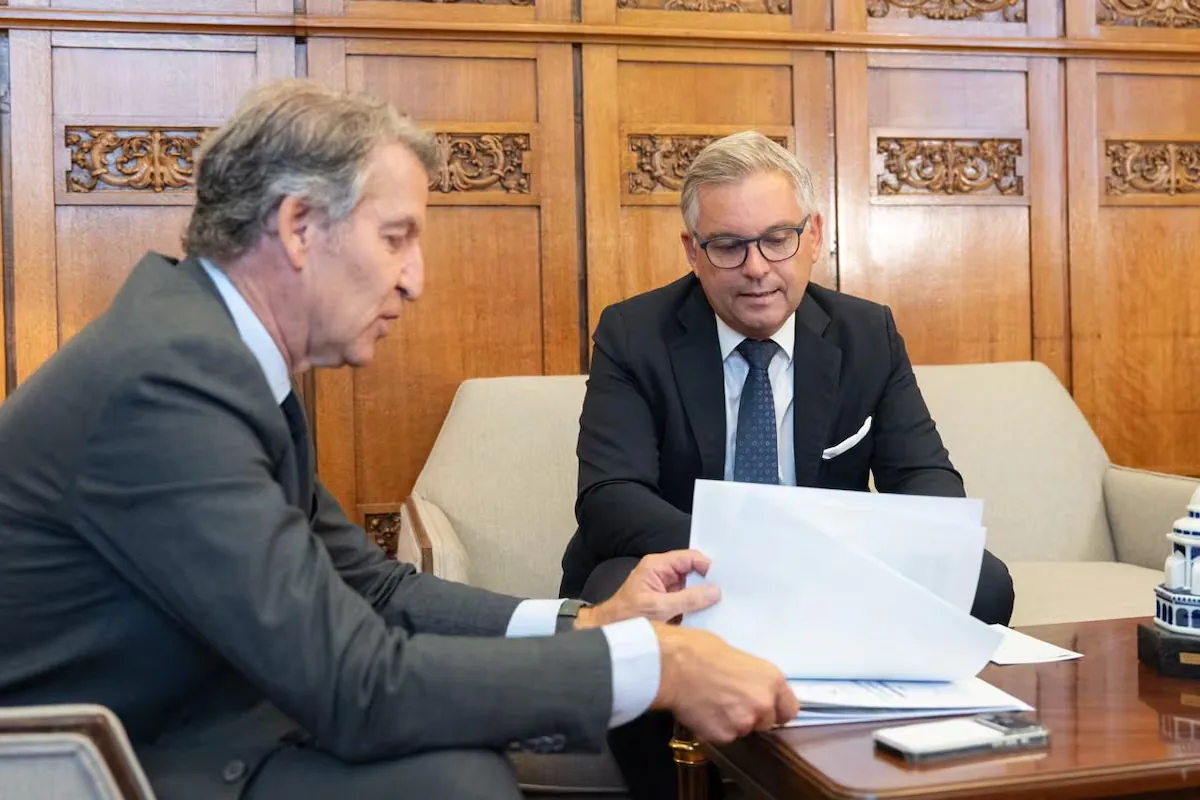
Alberto Núñez Feijóo has intensified his offensive to “Europeanize” the Ceuta crisis with a triple action. On one hand, the Spanish PP has promoted that the European Parliament approve this Thursday a resolution that holds Spain responsible for the entry of 70,000 to 80,000 migrants in Ceuta on July 30 and 31 and also issues a serious warning to Rabat, opening the door to suspending the association agreement between the EU and Morocco. On the other hand, the PP leader met this Thursday in Madrid with the Immigration Commissioner, Magnus Brunner, to whom he has asked the EU to mediate in the “immediate return” of all migrants remaining in Ceuta. And finally, the opposition leader has published an article in one of the most influential media in Brussels, Politico, in which he directly calls on the EU to take action and “solve the disaster caused by the Spanish Government in Ceuta.”
The PP increases pressure on Brussels to intervene in the Ceuta crisis in the face of the alleged “failure” of Pedro Sánchez’s Government, in a strategy that seeks to internationalize the conflict while simultaneously damaging the image of the Spanish Government in the EU. In the article published in Politico, Feijóo describes the progressive Executive’s reaction as “incapable of assuming the true diagnosis and applying the correct treatment” and argues that, after the time elapsed since the mass crossing and the “worsening of episodes of violence” in Ceuta, “all of Europe must recognize the failure of the Spanish Government and exert the appropriate pressure so that this crisis does not become entrenched, does not spread, and does not repeat.”
The PP is adamant about the temporary transfer to the Peninsula of migrant minors remaining in Ceuta and maintains that this decision is supported by the Immigration Commissioner, a politician close to the right-wing theses on migration issues. In the statement they released after Feijóo’s meeting with Brunner, the Populars attribute to the European official the “agreement” with the PP leader to “enable all State resources to proceed with the immediate return of all people who entered irregularly, in accordance with national and European legislation.” The reference to national and European laws, in any case, is not minor, since the EU migration and asylum pact does not allow suspending the right to asylum and the principle of non-refoulement even in crises derived from the instrumentalization of immigration, and maintains high protection when it comes to minors. Feijóo insisted before the Immigration Commissioner that Spain “is not facing a migratory crisis, but an attack on our territorial integrity,” and that is why he believes all migrants must be returned.
And that is where he asks for the support of the European Union. Feijóo believes Brussels must get involved and “must be interested in Spain applying, with the necessary intensity and agility, all the European instruments that would allow the return” of migrants, he writes in Politico. The PP leader insists on the return to Morocco of all migrants, without exception, including minors, which has sparked a clash with Sánchez’s Government, which proposes that at least minors be temporarily transferred to the peninsula while their files are processed. “Those who have entered irregularly must return. All of them. The obligation of the Spanish Government is not to find them accommodation, but to expedite their departure,” the Populars’ leader emphasizes instead.
Read more Defense companies seek to grow in size to transfer innovation to industrial production
The argument the PP leader puts forward to Europe to take action in the Ceuta crisis is that “when a European border is violated, all of Europe is weaker.” “When a border is not properly defended, all of Europe becomes unprotected. That is what is happening,” he writes.
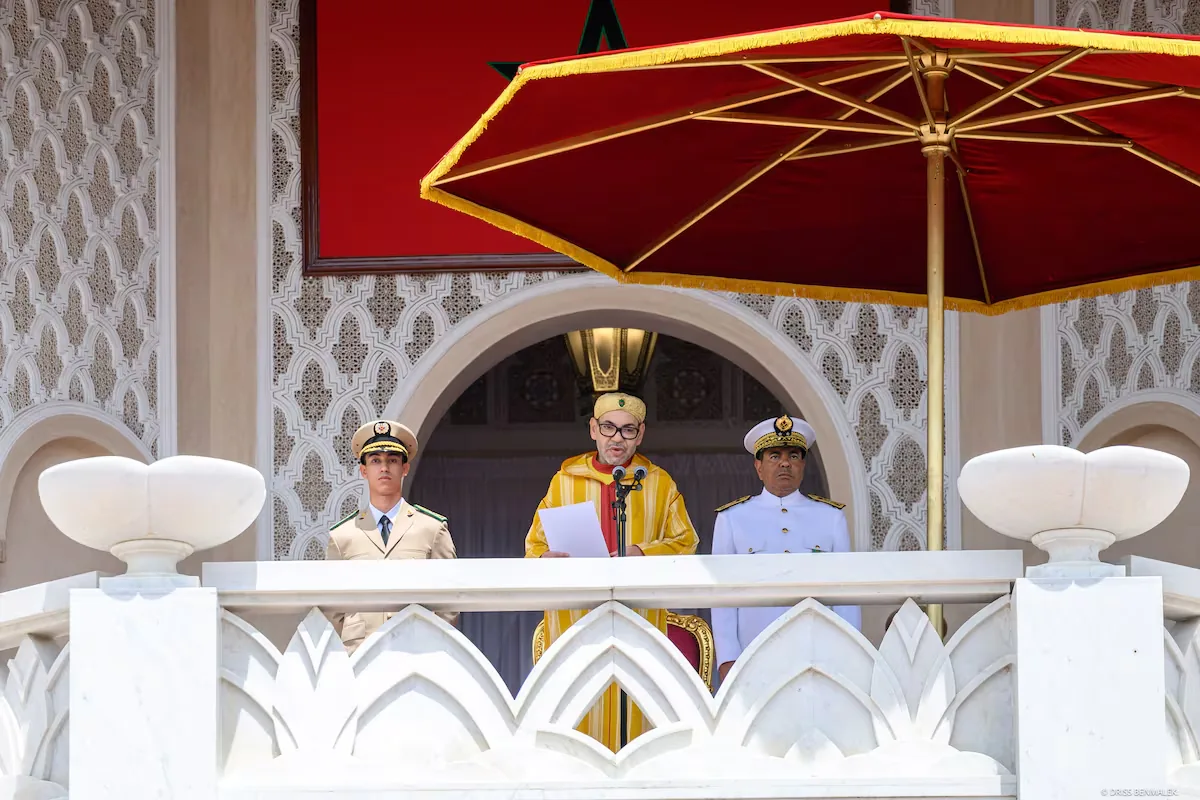
The Populars’ leader also asks the EU to use “all its diplomatic resources” to mediate with Rabat and “guarantee that the relationship with Morocco, a strategic partner for Spain and the rest of Europe, continues to develop based on transparency and mutual respect.” The resolution that the Spanish PP has managed to get approved in the European Parliament warns Morocco that if it does not cooperate in returns, it could see its agreement with the EU suspended, which involves multimillion-euro funds for Rabat in exchange for protecting the border. The PP continues to hold Morocco responsible for the massive entry at the end of July, despite the fact that no conclusive evidence has emerged so far and although Feijóo is aware that this position will not help him, if he comes to power, in relations with the neighboring country. Génova maintains that it is aware of the consequences of its clash with Rabat and has weighed its steps.
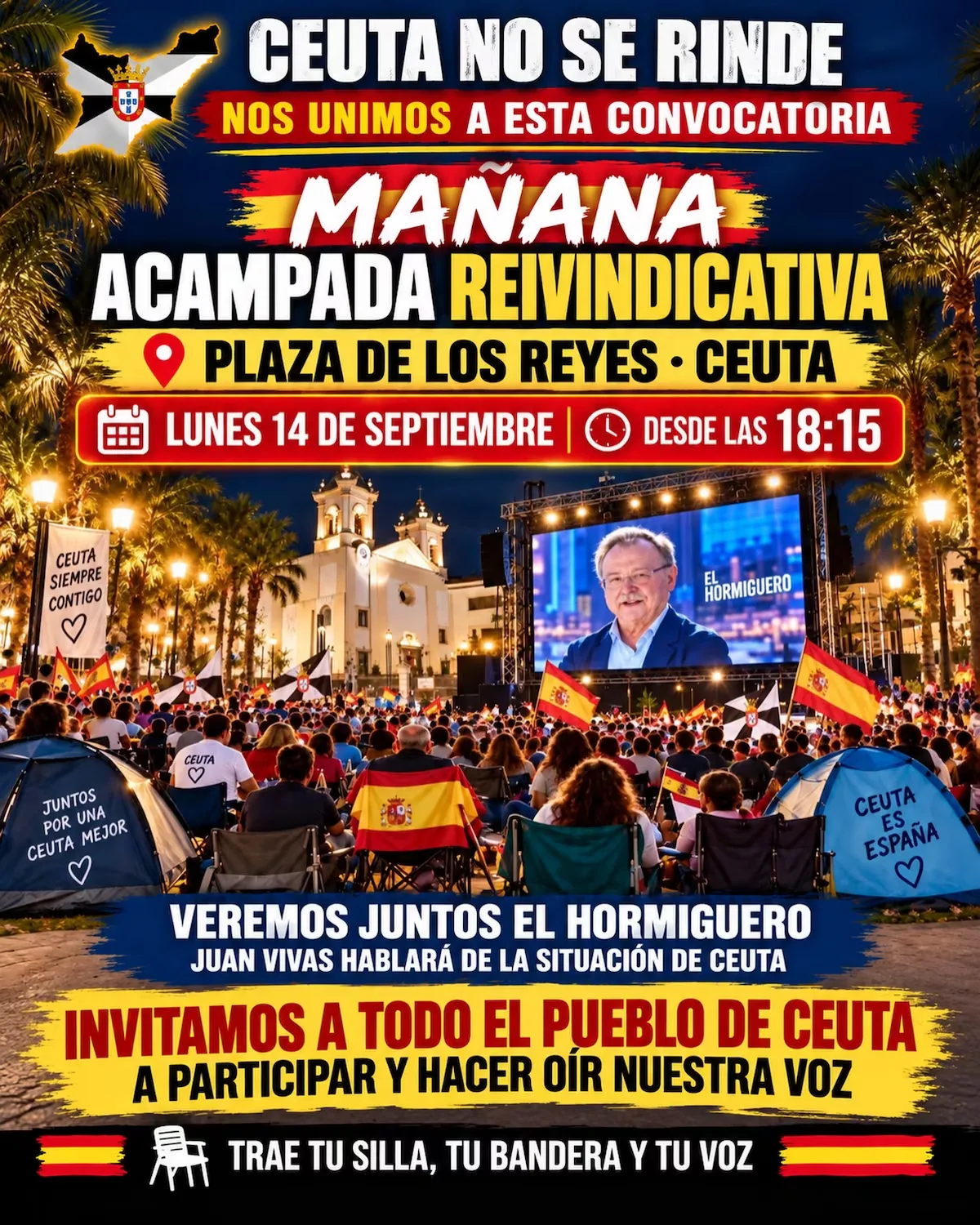
Feijóo has also asked the Immigration Commissioner that the EU mediate so that “Morocco fulfills its commitment to accept the return of all people who entered irregularly” and so that Spain “speeds up the procedures for returns.” The PP leader, who travels to Ceuta for the fourth time next Monday along with the head of the European PP, Manfred Webber, has also invited Commissioner Brunner to do so soon. Shortly after his meeting with the European official, this morning at the Congress, Feijóo departed for Melilla, where he will be today and tomorrow to continue defending the “Spanishness” of the two autonomous cities.
Read more Tarragona and Mérida join hands to collaborate and promote their heritage