








Fifteen years later, Wagner continues to sound thunderously in Brussels when public finances are debated. Germany sponsored the European “expansive austerity” during the Great Recession, has not made a single reform in two decades, and is in the midst of a model crisis. Germany underinvested, put a debt brake in the Constitution, and obsessed over the trade surplus for years with that mix of ordoliberalism and neomercantilism that explains much of its current problems. And Germany returns to form: the Christian Democratic chancellor Friedrich Merz, with his popularity at rock bottom, has today led the resounding response to the Spanish proposals for a more ambitious European budget. Merz has pronounced a loud and clear nein, similar to those of Angela Merkel during the Great Crisis, to the possibility of having a more ambitious 2028-2034 budget, with extra margin to spend on priorities (defense and competitiveness) if the proposal from Vice President Carlos Cuerpo to restructure the interest payments of the Next Generation Funds goes ahead: that kind of miracle of the loaves and fishes would provide a cushion of 70 billion euros to avoid asking for more contributions from partners and avoid impossible debates about own resources. “In a more dangerous and uncertain world, a strong Europe must be willing to make bold decisions,” begins Germany’s response to the Spanish proposal. For the Germans, the translation of the phrase bold decisions was and still is to cut the budget.
Read more Jonathan Andic traveled to Quito to promote a book by his therapist about the «seven chronologies»
Merz signs that article, published in the newspaper Politico, alongside the usual suspects: Rob Jetten, Prime Minister of the Netherlands; Christian Stocker, Chancellor of Austria; and Petteri Orpo, Prime Minister of Finland. The frugals also take a progressive bath with Danish Prime Minister Mette Frederiksen, a social democrat who advocates for very tough migration policies and who now also adheres to the fiscal instincts of the conservatives.
The European budget is barely 1% of GDP, compared to 25% in the United States. Two out of every three euros go to cohesion and the Common Agricultural Policy (CAP). Faced with the need to invest more in defense, the green pact, the technological revolution, and competitiveness policies to counter China’s industrial push, Brussels proposes a slightly expansive budget: a little more spending that pleases no one. Spain wants more ambition, with that proposal to reshape interest payments that would provide the aforementioned 70 billion. But there does not seem to be consensus to take that step forward. The decisions Europe must make to get on the train of modernity, according to the frugals, “require political courage.” “This does not mean abandoning traditional policies, but we cannot simply add every new priority to every old one and send the bill to taxpayers,” Merz and company point out.
Read more Flick surrenders to Szczesny’s curious charm: “Know our philosophy and how we want to play”
“We are not stingy. Nor do we hide behind the label of frugals,” say the prime ministers of Germany, Austria, Finland, the Netherlands, and Denmark. But their proposal is more or less the same as always: “There can be no increase” in the European budget, but quite the opposite. The frugals, although they do not want to be called that, demand “a balanced cut to the Commission’s proposal of several hundred billion euros.” German media talk about up to 400 billion, which would leave the EU budget skeletal.
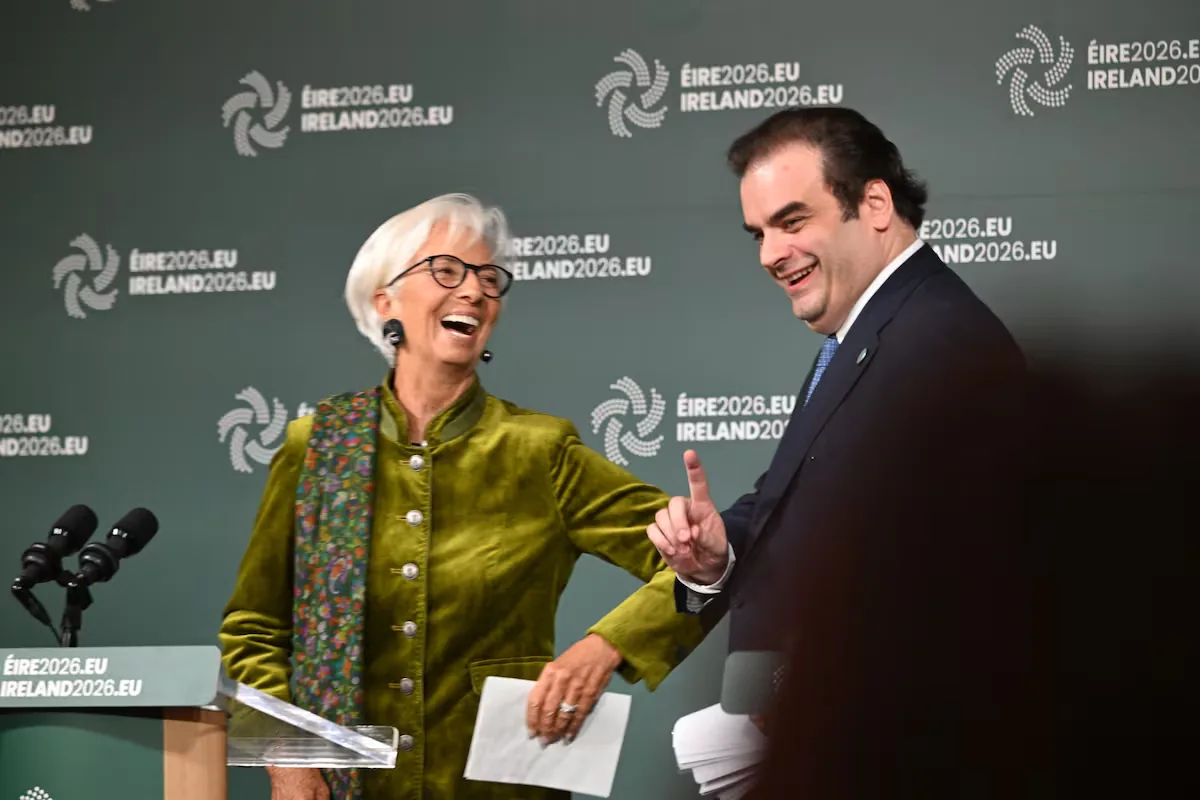
In short, there will be no more spending if it depends on those five countries. But there is also no room for eurobonds: Merz and company point out that common borrowing “cannot be the solution.” In that article, they praise Draghi’s plan, but the former ECB chief has been calling for eurobonds for years, a proposal that Spain has also presented. Nein to eurobonds, and nein to the possibility of restructuring the Next Generation interest payments, a proposal that El PAÍS revealed and that Cuerpo will present this weekend in Ireland: “Postponing repayment does little to solve the financing equation,” the frugals point out.
Read more A private gala at the foot of the Giralda with public money exalts the Sevillians