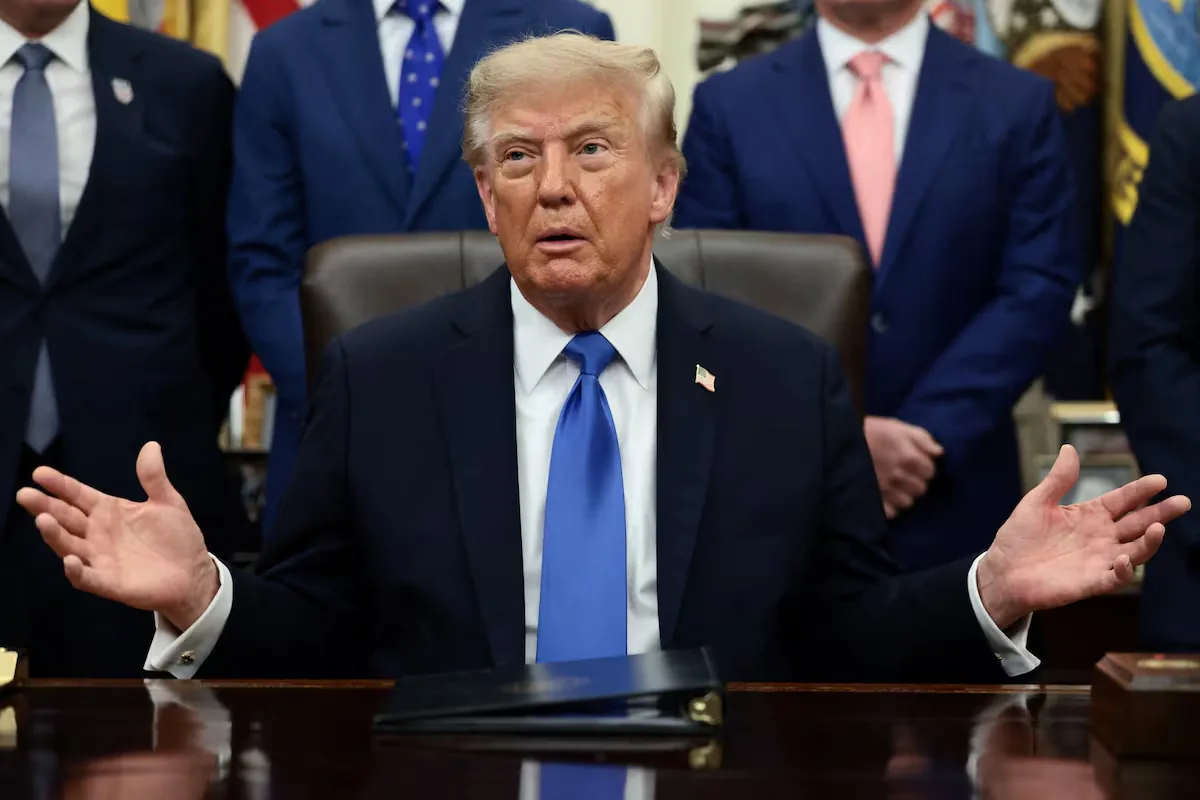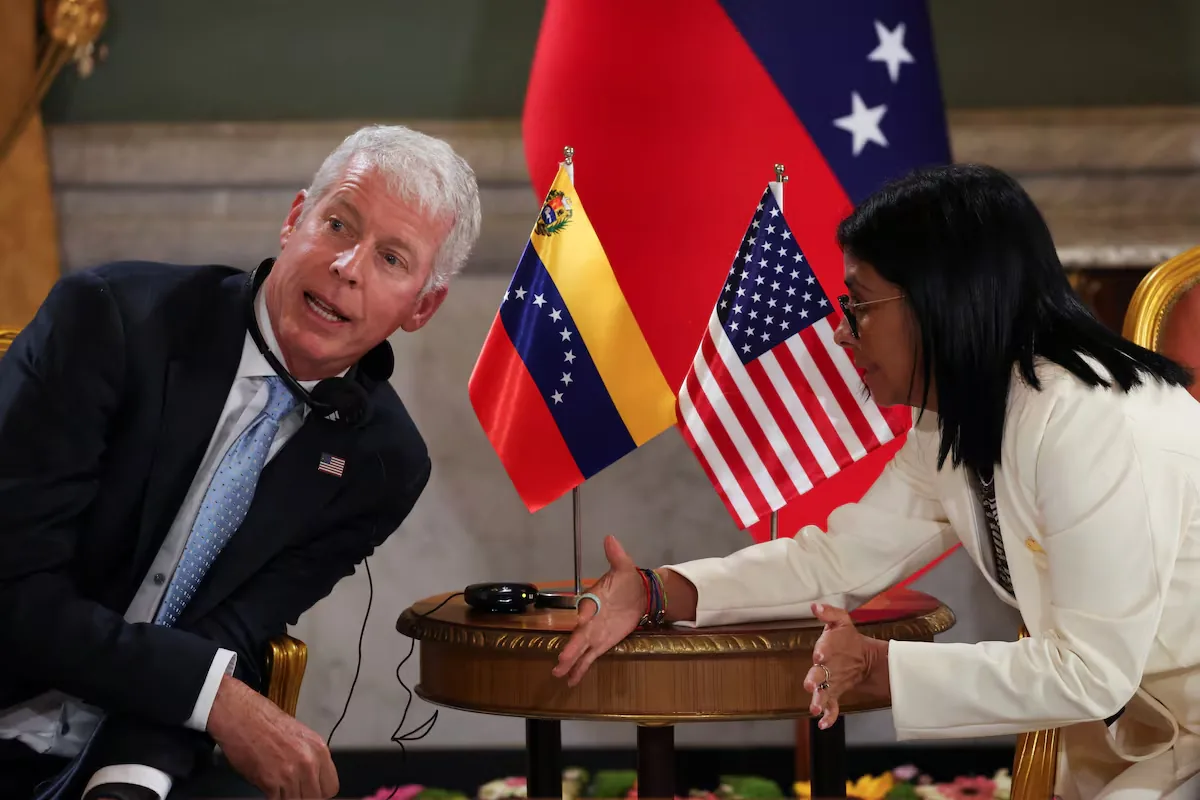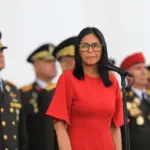





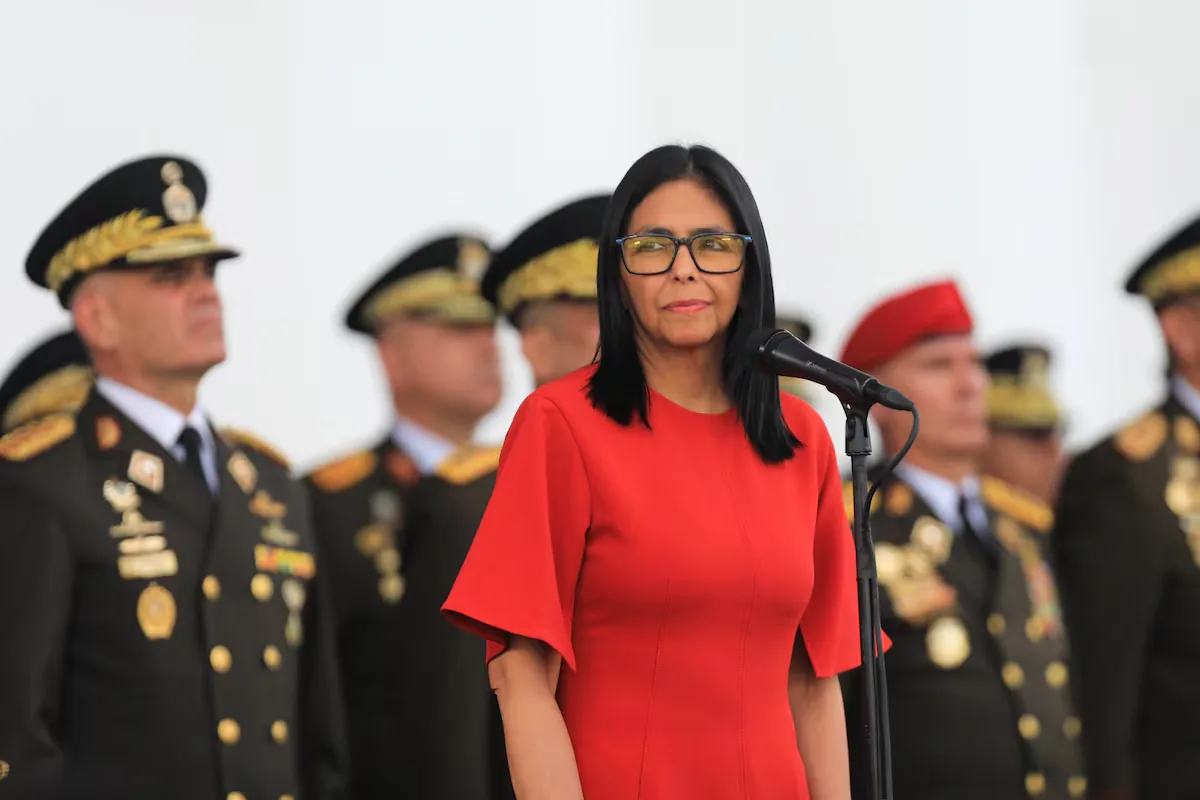
Delcy Rodríguez will travel to New York next week to participate in the UN General Assembly, according to confirmation this Friday by the United States ambassador to the organization, Mike Walsh. On Tuesday, President Donald Trump will briefly meet with the acting president of Venezuela, in what is diplomatically known as a “sidebar.” These reports had already been advanced by media such as Bloomberg and Axios, but until now had no official confirmation. The trip to the United States by the Chavista leader, a regime that until recently had defined itself by its opposition to Washington, is the clearest sign of the new alliance between the two countries since Trump ordered a military operation earlier this year that ended with the arrest of the then president, Nicolás Maduro, and with the Latin American country turned into a kind of US protectorate.
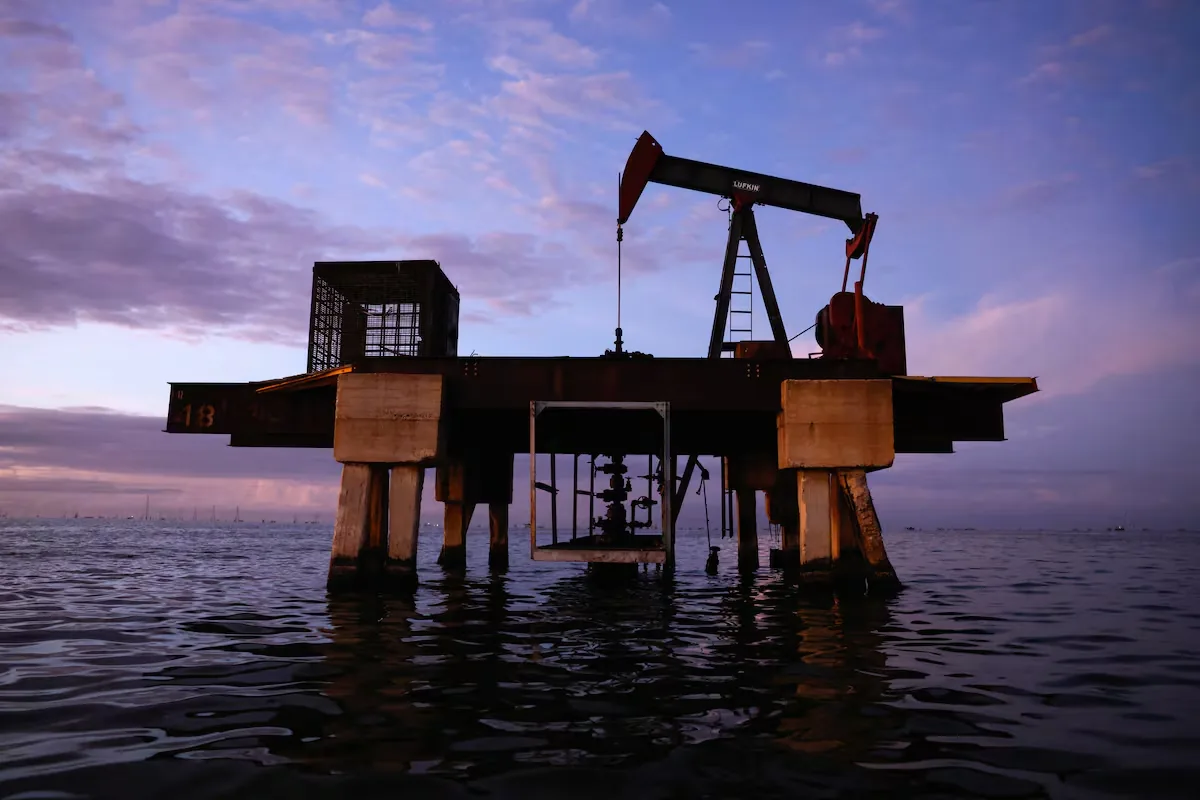
The visit of the acting president of Venezuela comes at a time when the governments of the two countries, fierce enemies until Maduro’s overthrow, show growing harmony. Trump announced on August 28 an agreement by which his country would have privileged access to more than 65 billion barrels of oil reserves in Venezuela, almost a quarter of the country’s total. In response to the unleashed criticism, the Republican leader defended the agreement a few days later: “It is a gift from Venezuela to the people of the United States.”
Trump insisted that the pact with Rodríguez’s government would not cost the North American giant a dollar and would only bring benefits. He also promised that the 65 billion barrels included in the agreement would serve, among other things, to replenish the United States’ strategic reserves, now at their lowest level in four decades.
In another gesture showing the excellent relations between the two leaders, Trump announced this Wednesday that he was removing Venezuela from the list of countries that fail to meet their commitments in the fight against drug trafficking after the “positive advances” achieved, he said. “Given the positive advances made under the management of acting president Delcy Rodríguez, I have decided that Venezuela should no longer be designated as having demonstrably failed to meet its drug control commitments,” the president said in a decree issued by the State Department.
He also applauded the “growing bilateral cooperation” to combat cartels, including the joint military operation that neutralized the leader of the Tren de Aragua, Niño Guerrero, since the change of government following the arrest and removal of, according to Washington, the “illegitimate ex-dictator and drug trafficker Nicolás Maduro.”
The last Venezuelan head of government to take the podium at the UN General Assembly was Nicolás Maduro, in September 2018, during Trump’s first term. Before — and after — that, Chavista diplomacy turned that platform into a showcase to denounce the US sanctions siege — which still remain — and to claim national sovereignty, always with a very combative tone towards Washington.
Read more Jan Martínez Ahrens: “Journalism can only thrive in democratic conditions”
Delcy Rodríguez knows that hall well. She was there in 2016 as foreign minister and returned in 2019, already as vice president. That year she described US sanctions as a form of “state terrorism” that no longer uses bombs, but banks and insurers. Six years later, with Chavismo governing hand in hand with Trump, some of those phrases contain a certain irony.
Rodríguez then accused Trump of having “stretched his imperial claws” against Cuba, said that peoples like the Venezuelan did not have access to a media machinery at the service of the global “hegemon” and its satellites, and asked Washington for less arrogance and more tolerance towards free nations.
That intervention, also remembered because several delegations left the room in protest, was her last formal appearance at the organization. Until what will be her first intervention at the UN as head of state next week.
In a conversation with journalists, the Trump administration representative indicated that on that same day the president will deliver a speech before the United Nations and hold other bilateral meetings with the UK prime minister, Andy Burnham, and the Japanese prime minister. He will also preside over a meeting with the leaders of the Gulf countries
Read more Crisis in Ceuta and current politics