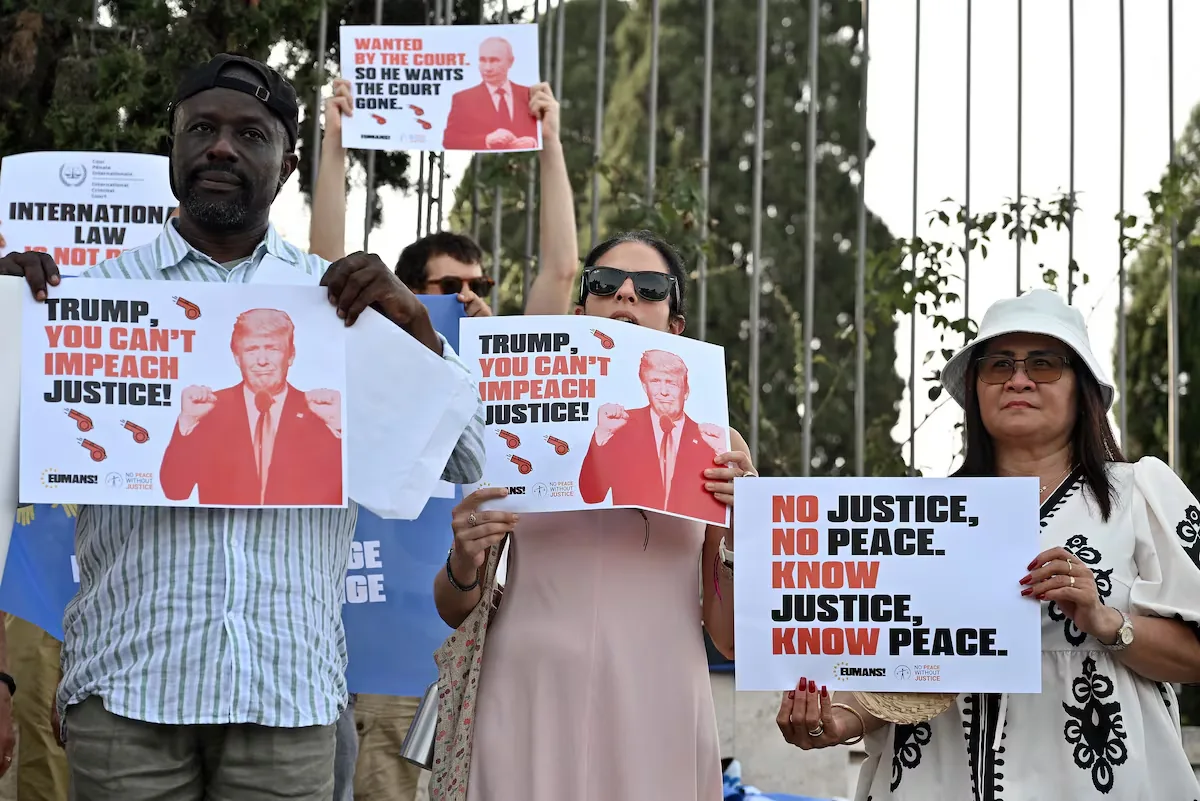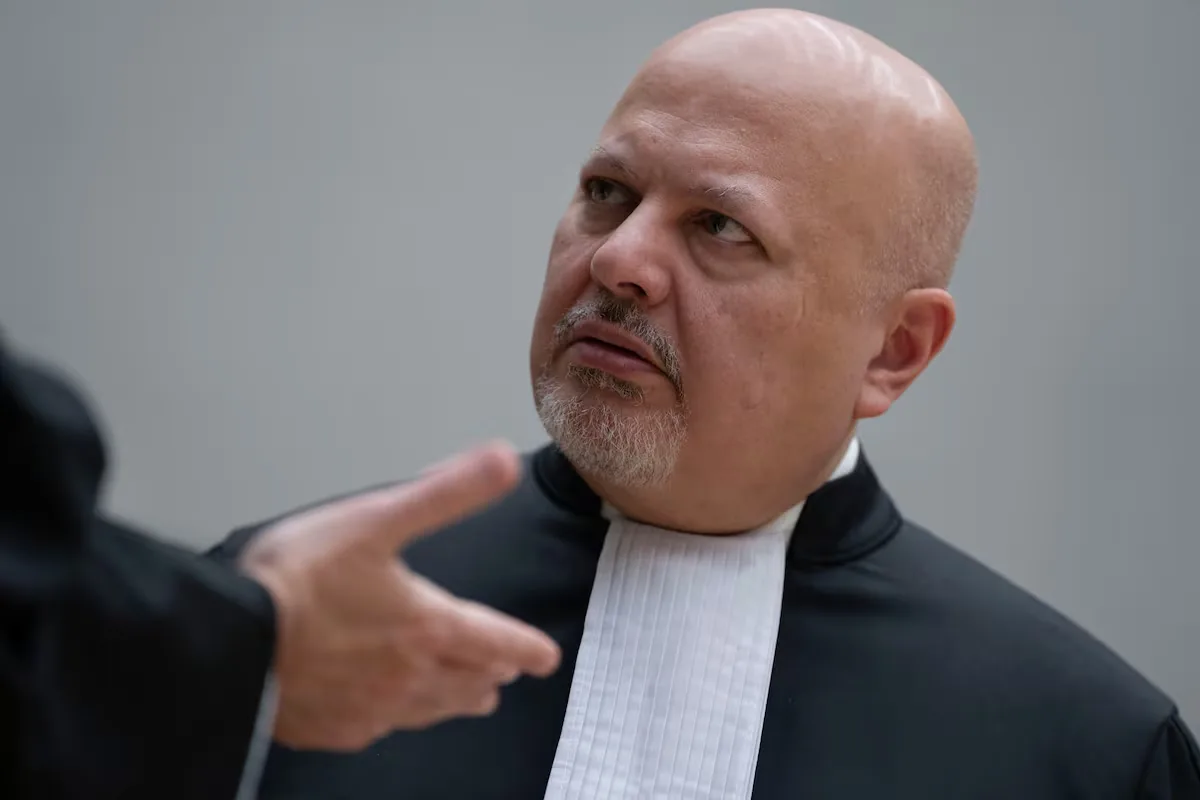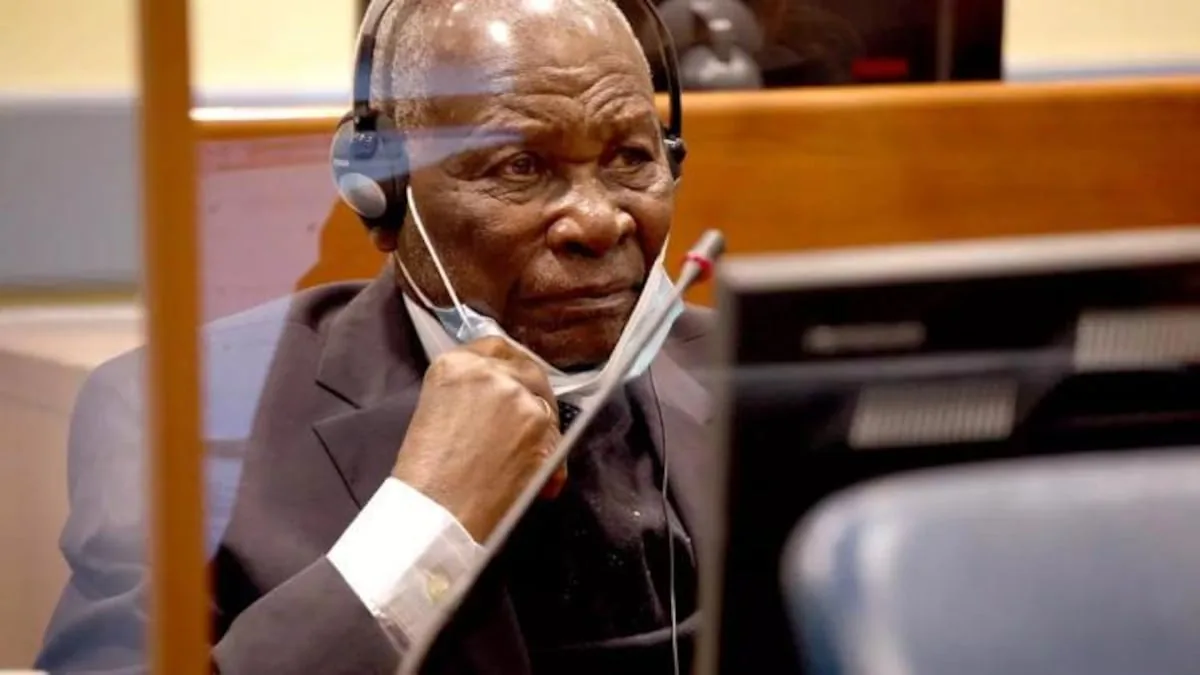









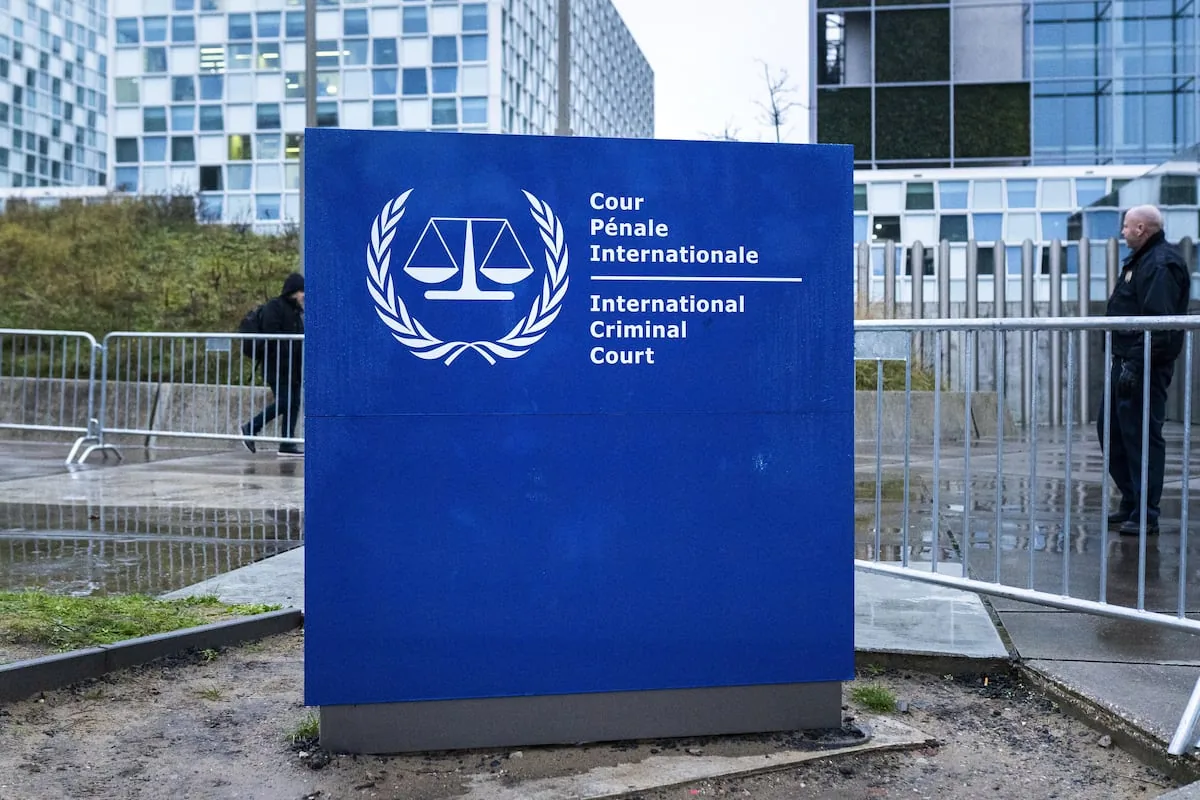
“The European Union must activate the blocking clause to protect the International Criminal Court (ICC) from US sanctions,” the Coalition for the ICC (CICC) published in a report this Thursday. This is a legal mechanism designed to protect EU companies and citizens from extraterritorial penalties imposed by third countries, and the CICC proposes applying it to avoid the effects of the punishment imposed by the White House on eight judges and three prosecutors of the ICC.
Read more A Roman military award found in Soria, given to a Celtiberian soldier
President Donald Trump considers the investigations they are carrying out into possible crimes by Israel in Palestine and by US troops in Afghanistan to be interference. The CICC —a network comprising 2,500 civil society organizations from more than 150 countries— describes Washington’s stance as “an attack on the entire system of international justice,” and calls for “a united response.”
Zoé Paris, author of the report and advocacy coordinator for the CICC, indicates that US sanctions are an attempt to undermine international justice. They also have “a deterrent effect” and “disrespect international law.” In a phone conversation, she says that “the United States has chosen to criminalize jurists and civil organizations working to address impunity for the most serious crimes.” It is not just, she assures, “an attack against a person or an organization.” The report emphasizes the search for a structural response from states “to the legal system represented by the ICC and which they themselves established.” Hence, Paris points out that, as the ICC is in Europe with its headquarters in the Netherlands, “the EU must take the initiative to find solutions that protect this court from the extraterritorial effects of the sanctions.”
Due to the global dependence on information technology and US banking sectors, ICC jurists, institutions, and members of civil organizations working with the court —and those who assist them— find their access to essential services hindered. From their bank account and the possibility of booking a hotel or a plane, to paying with a credit card.
In an interview with this newspaper, in December 2025, French judge Nicolás Guillou, one of those penalized by the United States, explained that he could no longer use the services of Amazon, PayPal, or Airbnb, nor his bank cards. “In Europe, most banks only market Visa or Mastercard,” he said, and advocated for “European sovereignty in banking matters and the digital euro.” Guillou presided over the chamber that, a year earlier, issued arrest warrants against Israeli Prime Minister Benjamin Netanyahu and his then-Defense Minister Yoav Gallant for their responsibility in the war in Gaza.
Read more FIFA and Italy reject Trump’s idea to replace Iran with the ‘azzurra’ team in the World Cup
The ICC not only judges the world’s most responsible individuals for the most serious crimes: genocide, war crimes, crimes against humanity, and aggression. In Israel’s case, it is a historical ally of Washington. In Afghanistan, investigations focus on alleged war crimes committed by US troops, as well as by other parties involved in the conflict. In both cases, the United States rejects the work of the ICC. Israel and the United States are not members of the court and refute any movement that could affect them.
Paris warns that Washington “has criminalized jurists and civil organizations working to address impunity for major crimes,” and acknowledges that there are countries that have helped the ICC or protected its judges. “Several Europeans, including Slovenia and Belgium, have asked the EU to activate the blocking clause, and France has strongly supported its judge. But there is no systemic response to this systemic attack,” she states. “With the report, we call on states to engage with their service providers to continue guaranteeing services to those who work with or collaborate with the ICC.”
The accountability represented by international justice is directed at victims of mass atrocities, and Paris finds it “unacceptable that the United States uses coercive actions with this impact, depriving them of the justice they deserve.” For the CICC, EU countries “are prioritizing diplomatic channels to see if the United States changes its mind.” However, “it is not a matter of time, but of political will,” she concludes.
Read more Chess analysis | Pearls of Menorca (II)