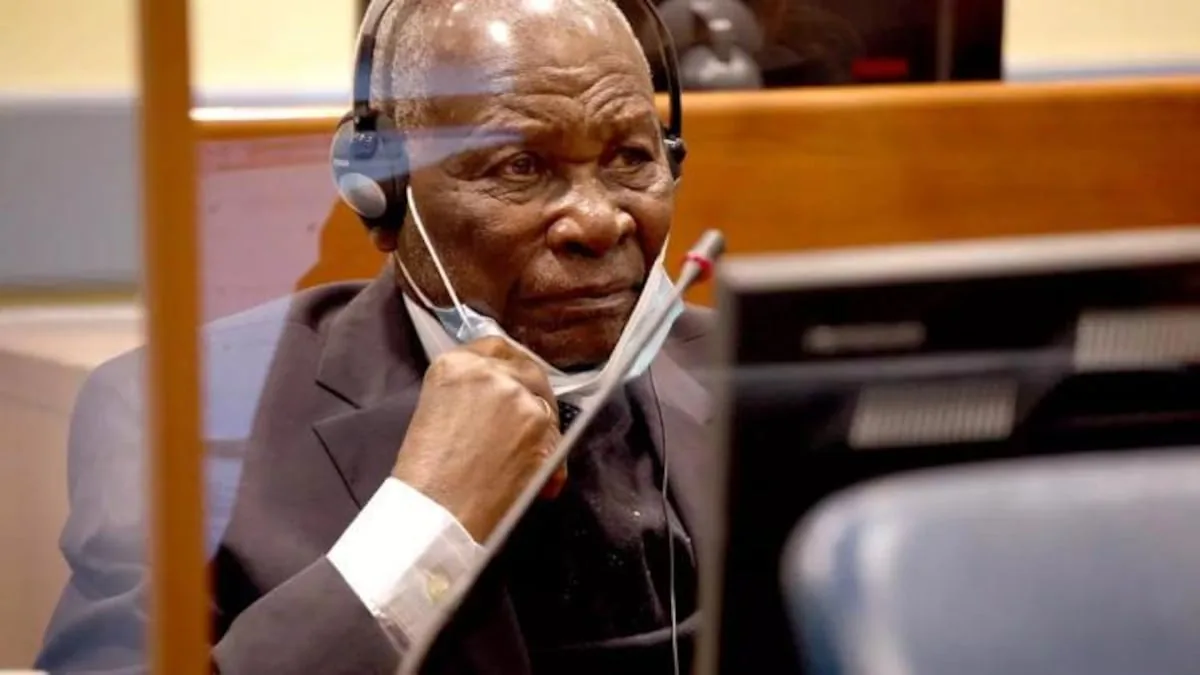
Félicien Kabuga, 93 years old, the Rwandan businessman accused of instigating and financing the genocide in his country in 1994 — which cost the lives of about 800,000 members of the Tutsi and moderate Hutu ethnic groups — died on Saturday in a hospital in The Hague (Netherlands). Although the International Criminal Tribunal for Rwanda (ICTR) formally charged him in 1997, Kabuga managed to evade justice for two decades until he was discovered in Paris in May 2020 and transferred to The Hague. By then, the ICTR had already closed its doors.
The genocide, however, is a crime that does not prescribe, and the tribunal has a mechanism to continue its work from the Netherlands. In any case, Kabuga was not finally tried due to dementia, and he had not been transferred to Rwanda because of his health condition and doubts about his security.
Between April and June 1994, nearly 800,000 Tutsis and Hutus considered moderate were killed, and about one million people had to seek refuge in neighboring countries to escape the massacre. The genocide was unleashed after the death of then Rwandan President Juvenal Habyarimana, who was Hutu, when his plane was shot down by a surface-to-air missile. His companion, Cyprien Ntaryamira, President of Burundi, also died. The killings began within hours by the Rwandan Armed Forces and the extremist Hutu militia interahamwe, which was the main execution arm of the genocide.
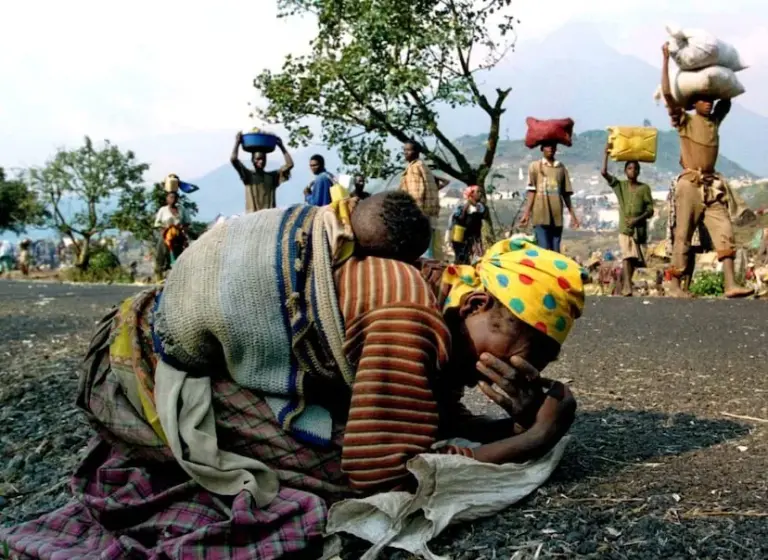
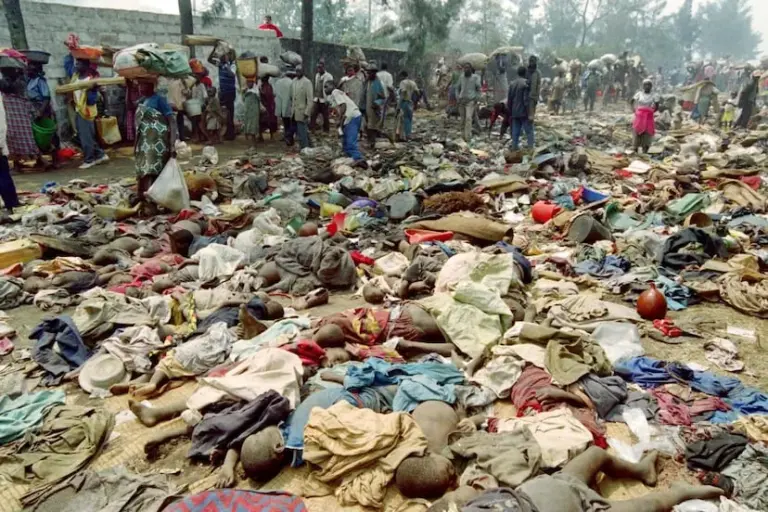
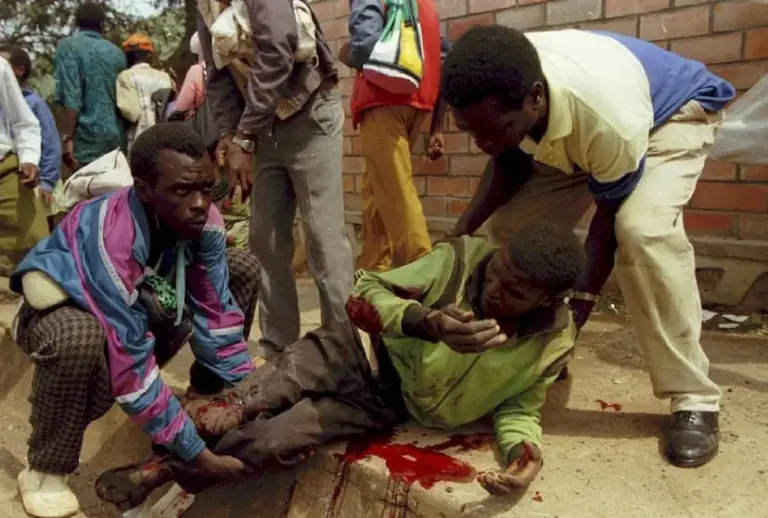
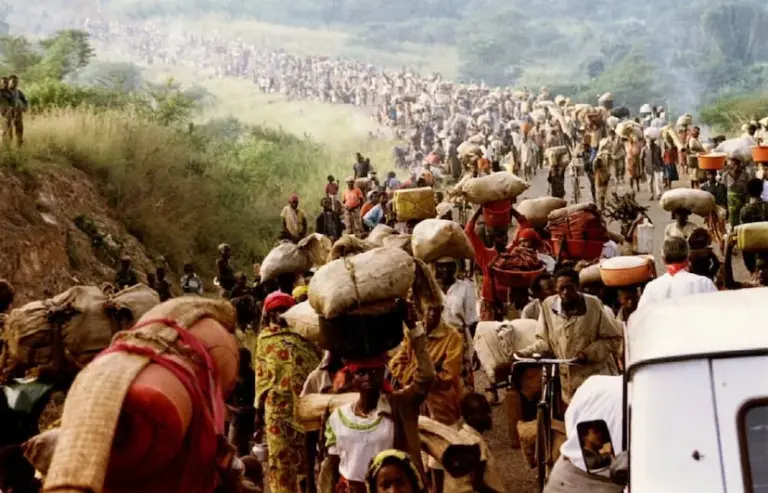
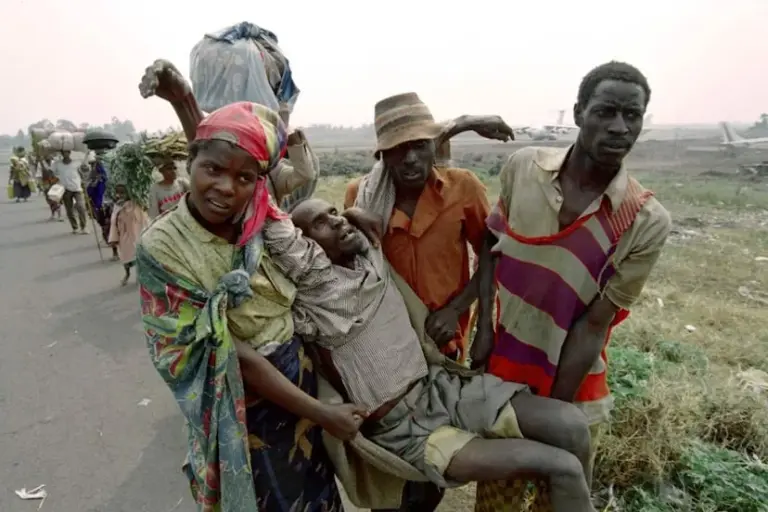
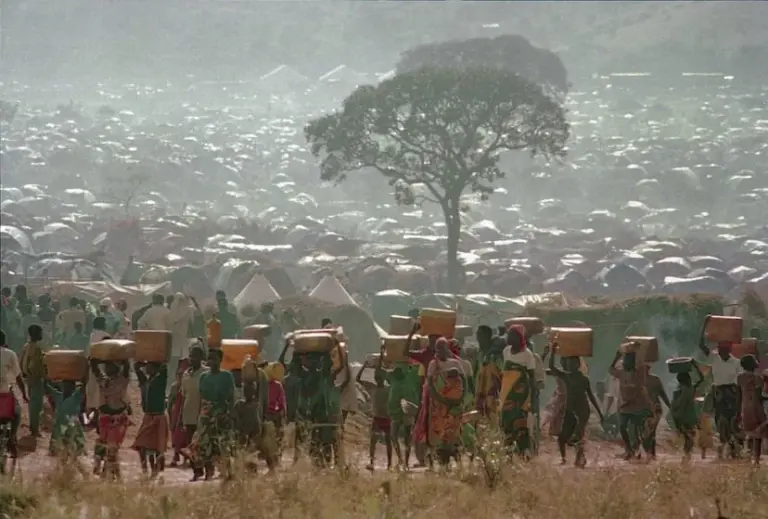
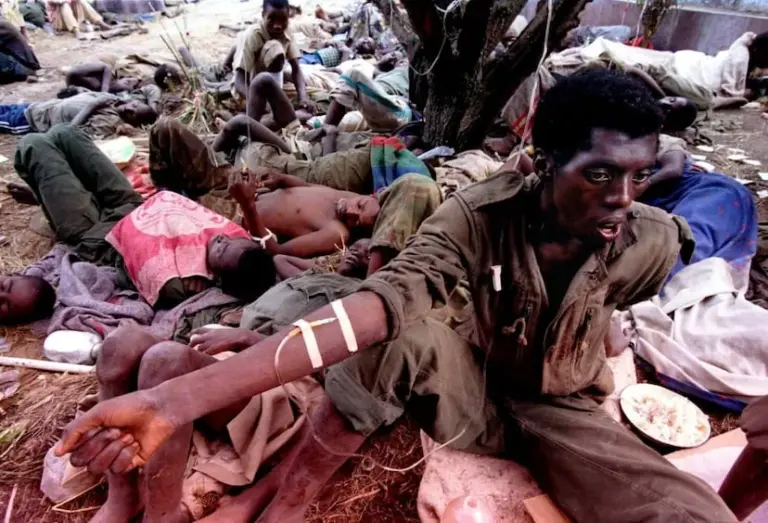
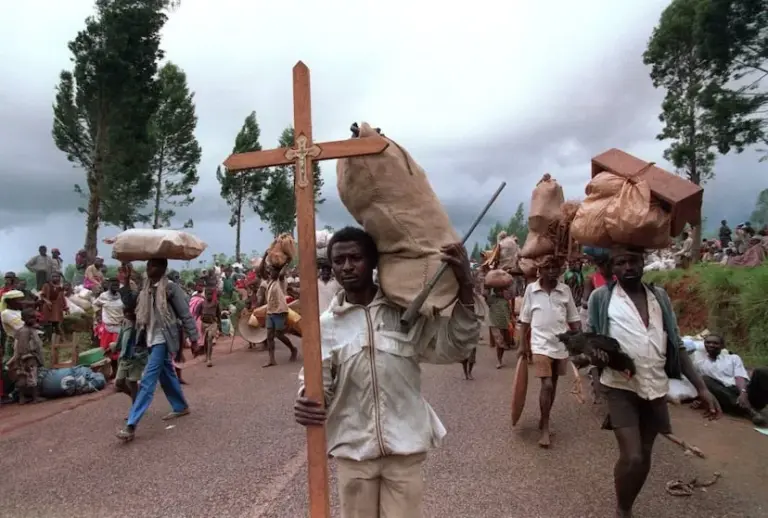
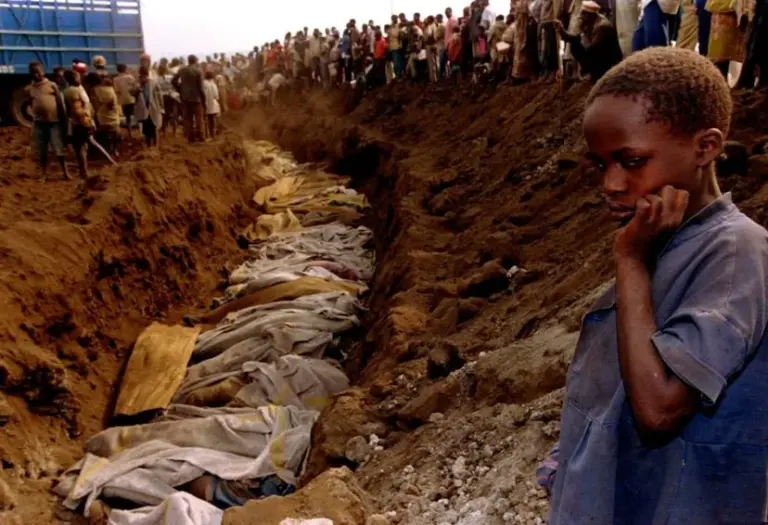
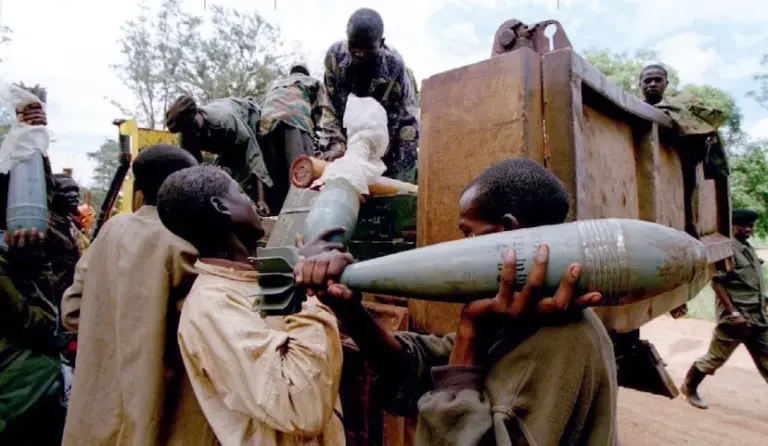
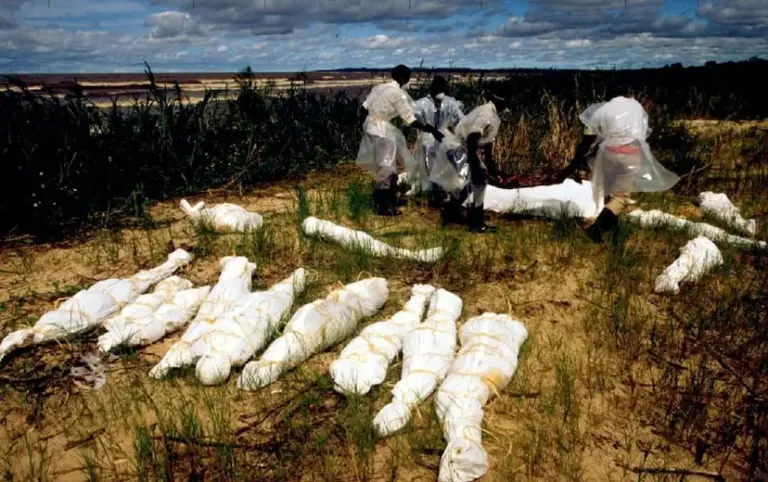
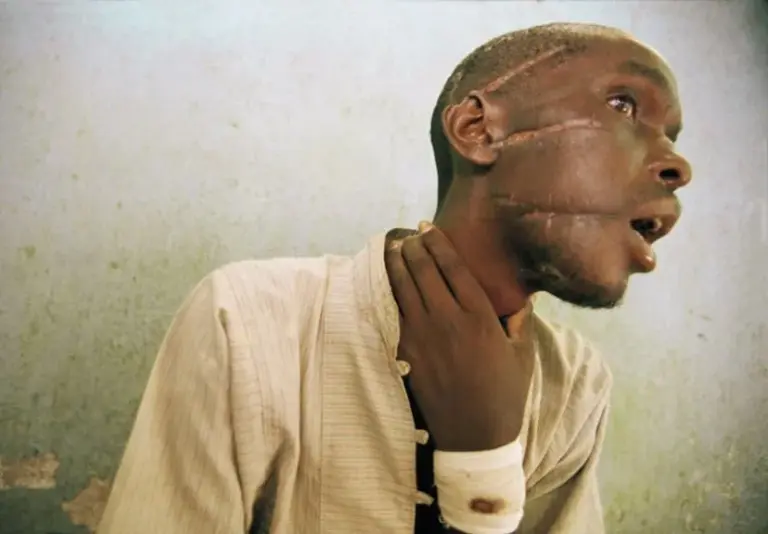
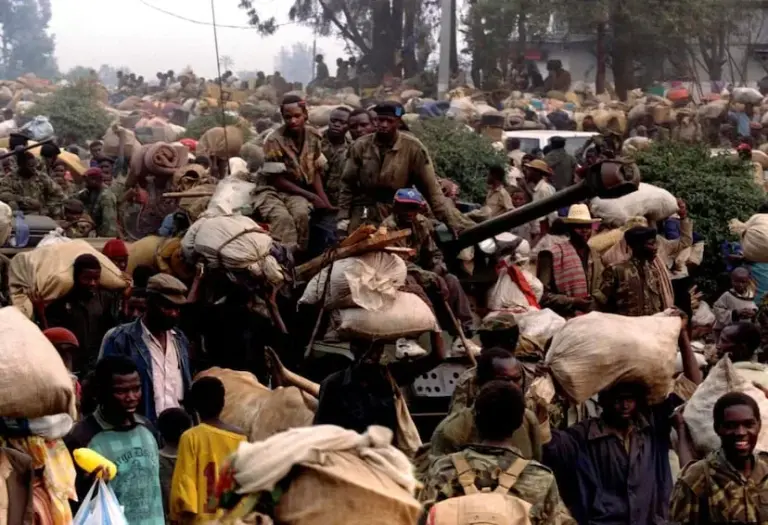
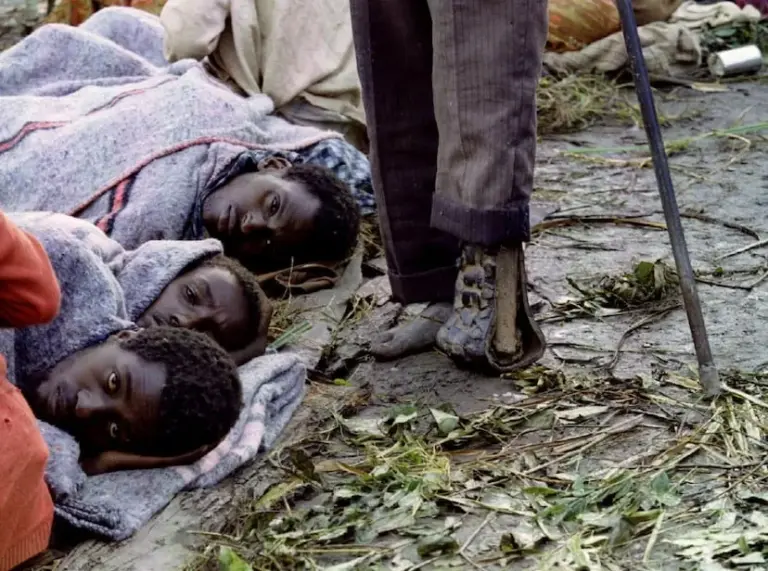
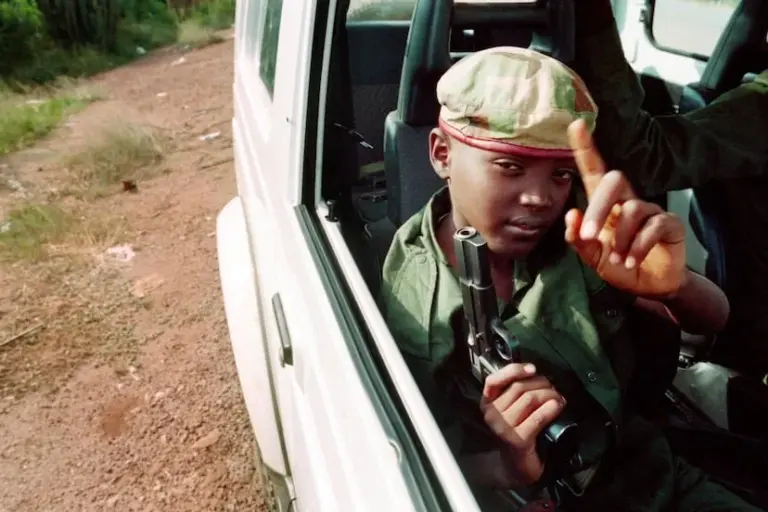
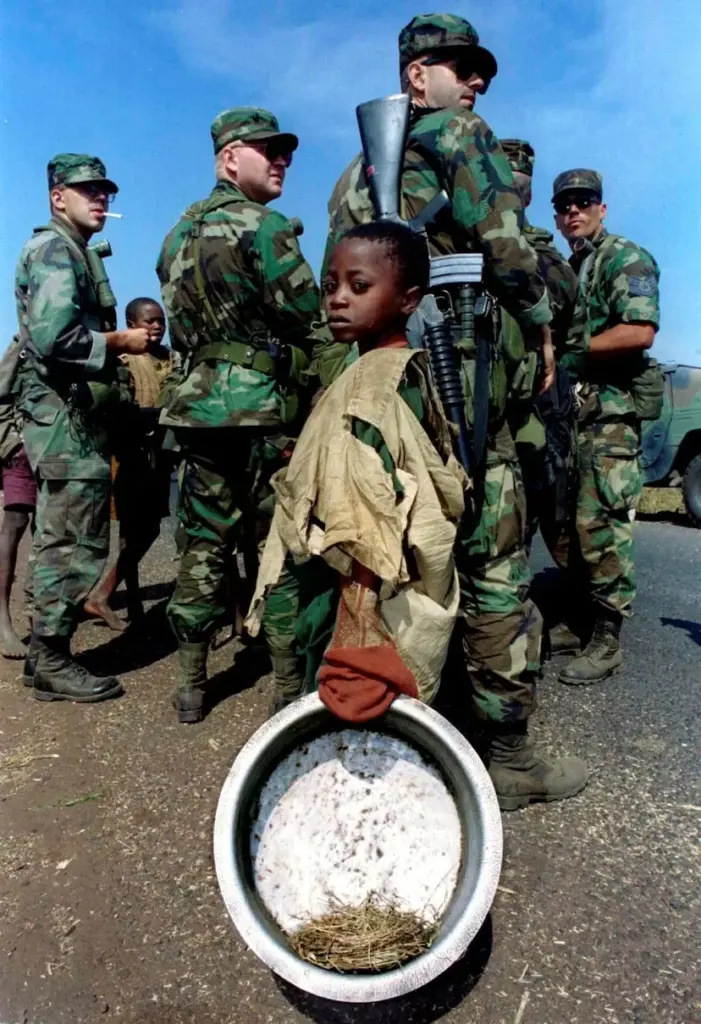
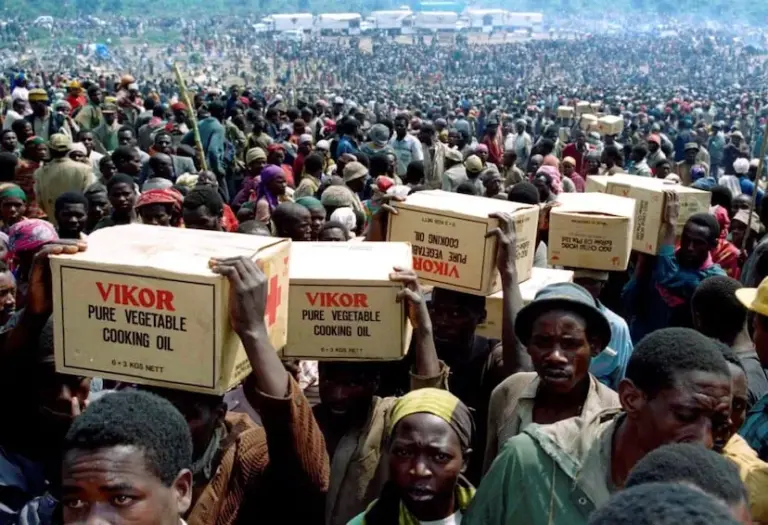
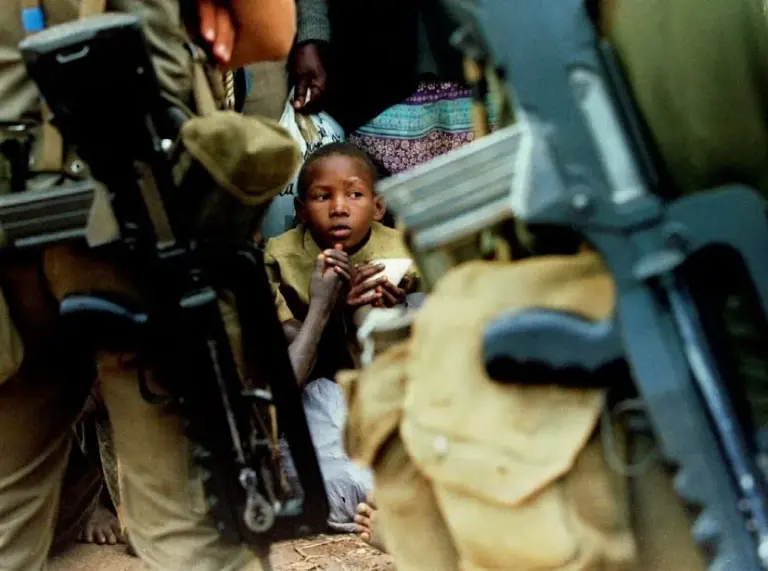
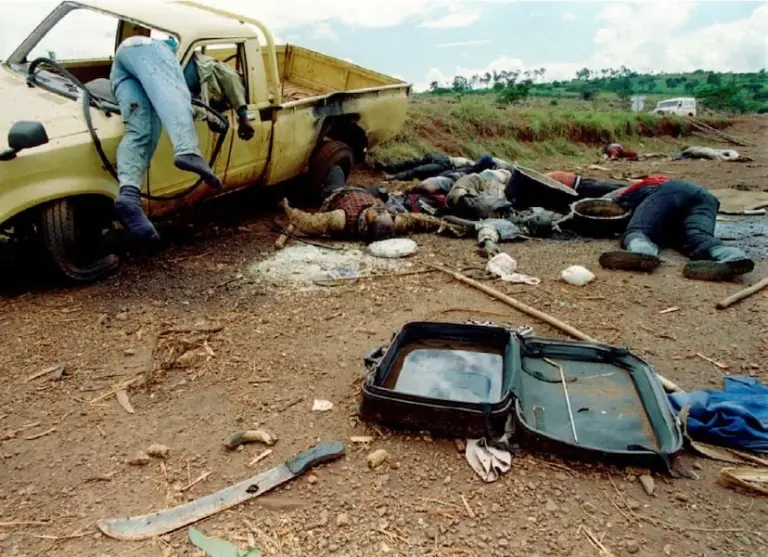
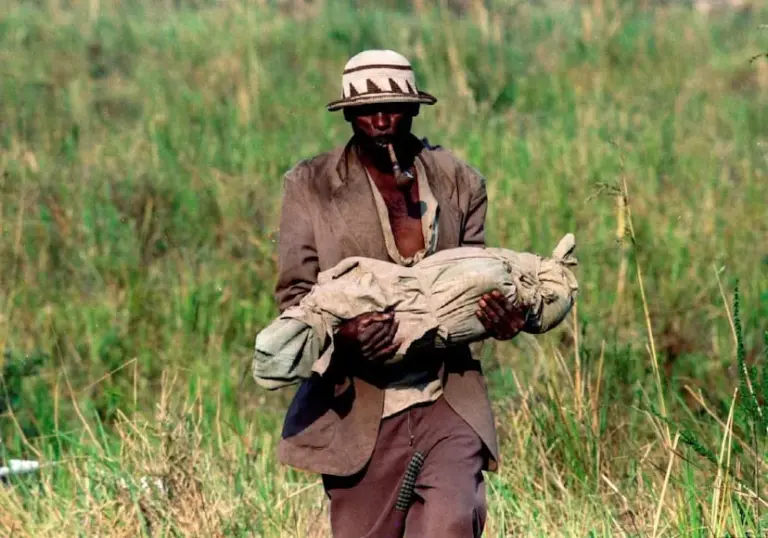
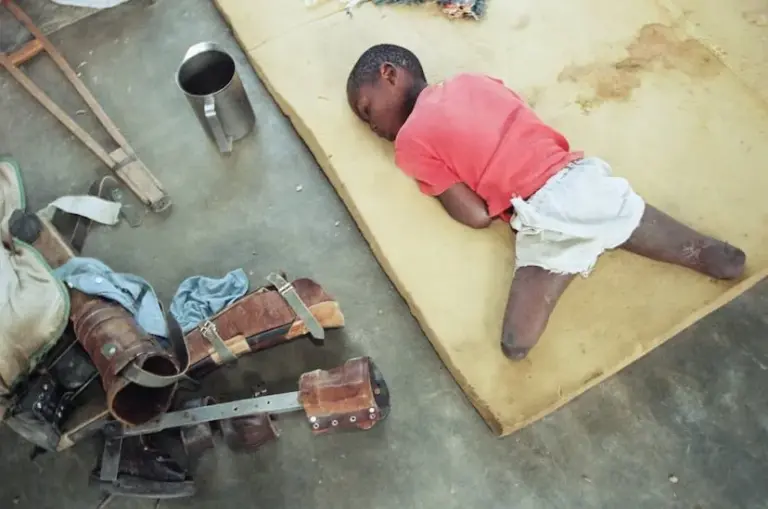
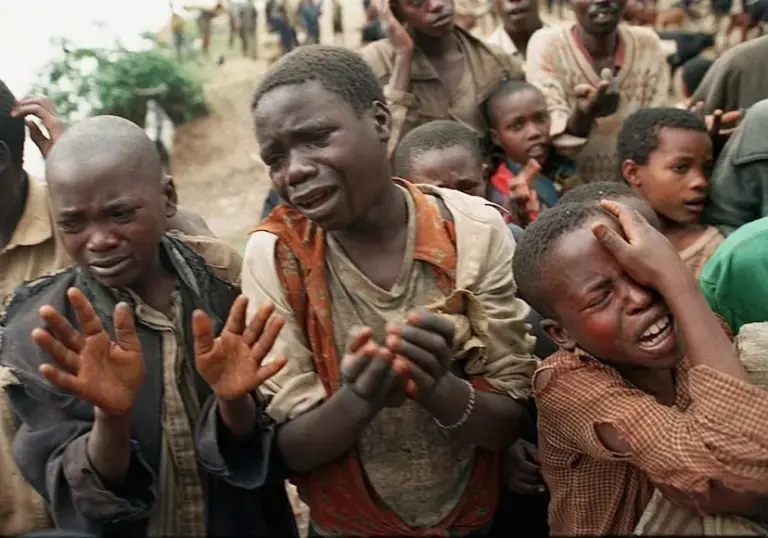
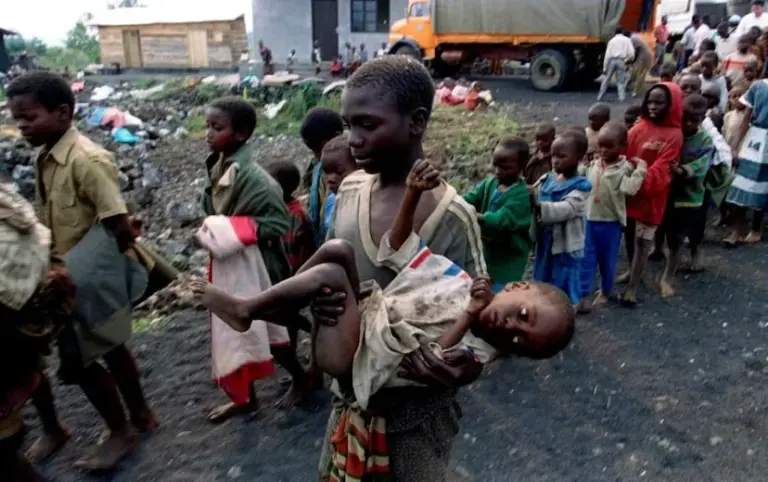
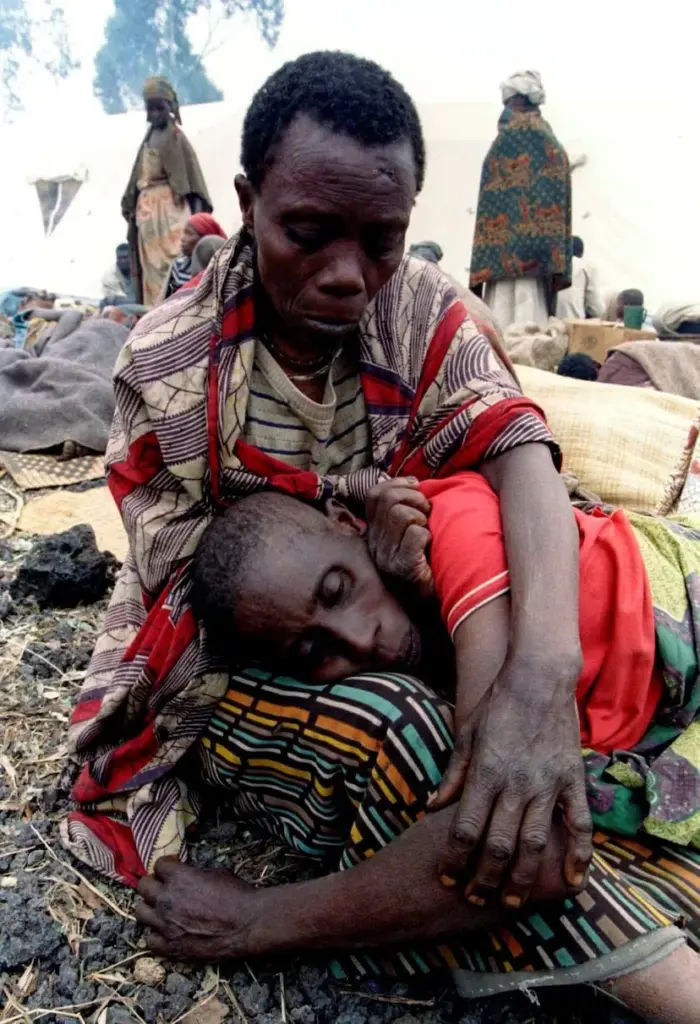
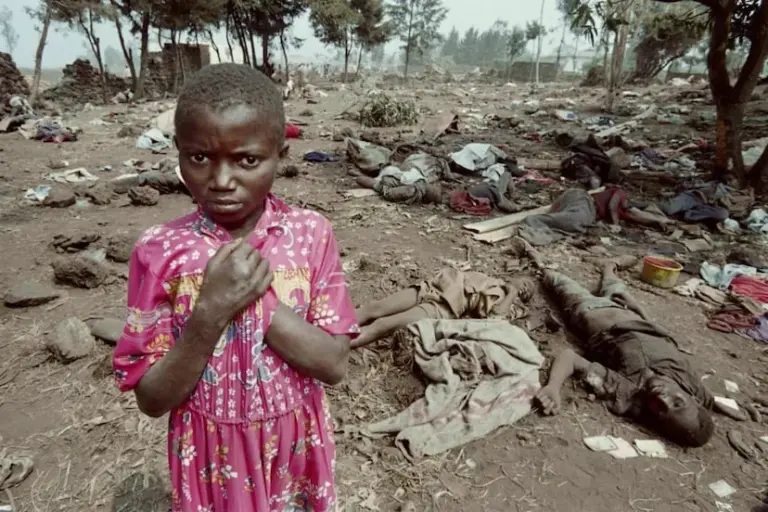
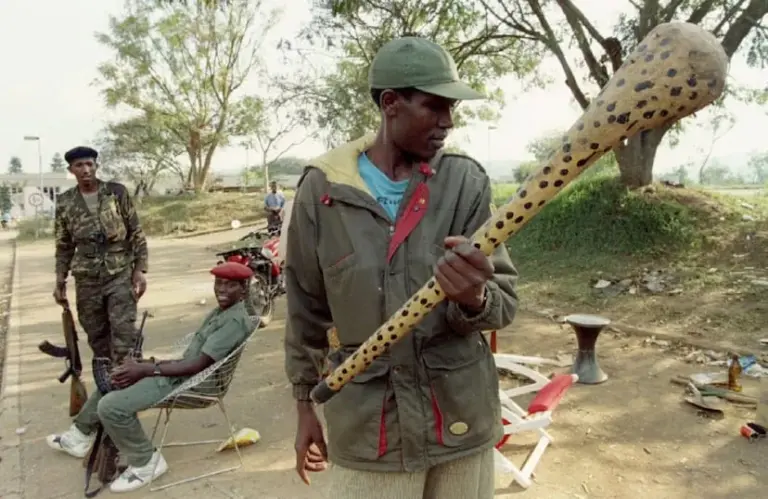
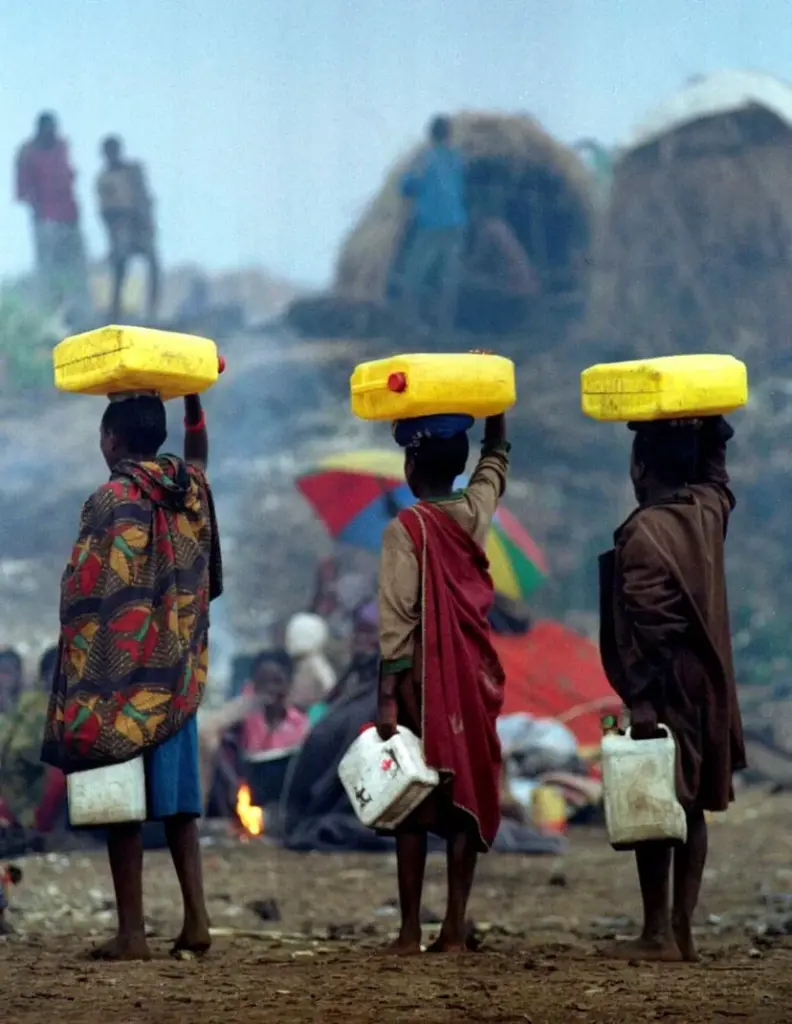
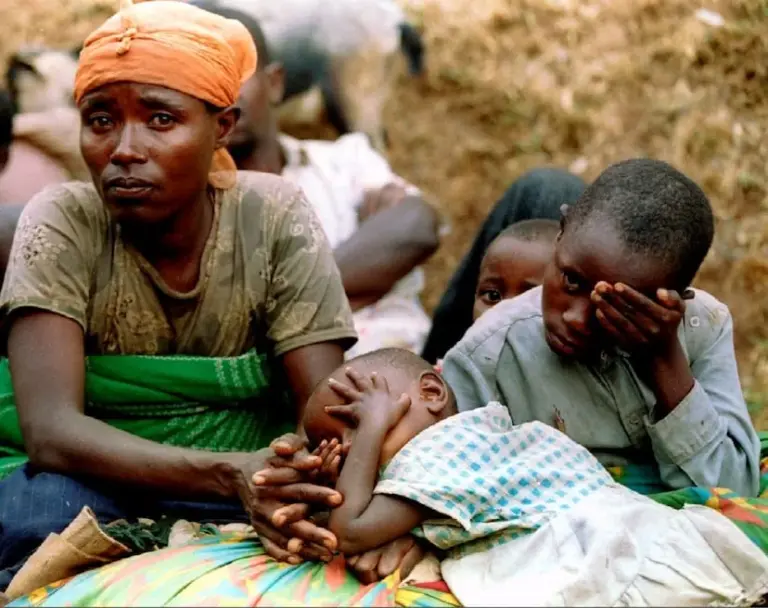
About 800,000 people were killed in the Rwandan genocide, one of the saddest pages in world history, between April and July 1994. In the image, a Rwandan woman, with her child on her back, collapses on the road on the way to the Kibumba and Goma refugee camp, on July 28, 1994.REUTERS FILE PHOTO (REUTERS)The majority of the victims were Tutsis, although Hutus were also exterminated, the ethnic group to which the perpetrators of the massacre belonged, soldiers of the Army and members of the extremist Interahamwe militia (those who kill together). In the image, Rwandan refugees pass by the corpses of about a hundred people, whose remains were trampled in the border city of Goma (then Zaire; today Democratic Republic of the Congo), while fleeing the last offensive of the Patriotic Front, on July 18, 1994.PASCAL GUYOT (AFP)The largest recorded genocide in the world, according to the UN, began on the night of April 6, 1994, hours after the country’s president, Juvenal Habyarimana, died after being hit by two missiles on the plane he was about to land at Kigali airport. In the image, several people help a person wounded by gunfire from members of the Rwandan Patriotic Front in a camp in Kigali, on July 1, 1994.CORINNE DUFKA (REUTERS)Juvenal Habyarimana, who came to power in 1973 through a coup d’état, belonged to the Hutu ethnic group, the majority in the country (representing 85% of the population before the conflict). In the image, Rwandan refugees cross the Rusumo border into Tanzania, on May 30, 1994.REUTERS FILE PHOTO (REUTERS)The Hutus attributed the assassination to the Tutsis of the Rwandan Patriotic Front (RPF), a guerrilla movement with which they had fought an intermittent civil war since 1990. In the image, an elderly Rwandan, exhausted and hungry, is carried by relatives to a refugee camp near Goma airport (Democratic Republic of the Congo), on April 7, 2019.PASCAL GUYOT (AFP)As soon as the news of President Juvenal Habyarimana’s death spread, the Hutus began killing Tutsis and moderate members of their own ethnic group: men, women, children, and the elderly were massacred by gunfire and machete blows. In the image, displaced Rwandans fleeing the bloodbath carry water containers to their huts in the Benaco refugee camp in Tanzania, near the border with Rwanda, on May 17, 1994.Karsten Thielker (AP)On April 7, Prime Minister Agathe Uwilingiyimana and the Belgian soldiers of the UN forces guarding her were brutally killed by government soldiers. In the image, a Rwandan soldier suffering from cholera in an improvised military hospital in Goma, on July 26, 1994.Corinne Dufka (REUTERS)After the massacre of its troops, Belgium withdrew the rest of its forces, followed by other countries, which led to UNAMIR (United Nations Assistance Mission for Rwanda) being forced to reduce its personnel on April 21. In the image, a Hutu Rwandan with a cross flees with dozens of people toward the Tanzanian border from the refugee camp in Magara, near the city of Ngozi (northern Burundi), on March 31, 1995.ALEXANDER JOE (AFP)Rwanda, with eight million inhabitants, became a huge mass grave due to the practical passivity of the international community. In the image, a Rwandan girl in front of a mass grave where dozens of bodies are to be buried, on July 20, 1994.CORINNE DUFKA (REUTERS)The killings continued until early July, when more than one and a half million Rwandans, mostly Hutus, fled to Zaire (now Democratic Republic of the Congo), Tanzania, and Burundi due to the advance of the RPF forces, which ended up occupying Kigali and almost the entire country. In the image, Rwandan Patriotic Front rebels carry mortars and other ammunition after seizing the Kanombe barracks from government troops, on May 23, 1994.CORINNE DUFKA (REUTERS)The absence of reconciliation among the different parties in Rwanda and the lack of response from the international community made the tragedy even more cruel. The UN’s ability to reduce human suffering in Rwanda was greatly constrained by member states’ refusal to send additional troops. In the image, Ugandan fishermen pile up bodies in the village of Kasensero, on May 20, 1994. The bodies were transported by the Akagera River from Rwanda to Lake Victoria.STRINGER (REUTERS)In just 48 hours, the border cities of Goma and Bukavu saw the arrival of 1.2 million Rwandan refugees. The inhumane living conditions caused outbreaks of cholera, dysentery, meningitis, and other diseases. In the image, 26-year-old Nyabimana shows machete wounds on his face to a Red Cross committee in Nyanza (Rwanda), on June 4, 1994.Jean-Marc Bouju (AP)On June 22, 1994, the UN Security Council authorized a humanitarian mission of French forces, called Operation Turquoise, which saved hundreds of civilians in southwestern Rwanda. In other areas, the killings continued until July 4, when the RPF took military control of the entire country. In the image, Rwandan government soldiers surrounded by civilians fleeing the advance of the Rwandan Patriotic Front, on July 17, 1994.CORINNE DUFKA (REUTERS)The victorious Tutsis of the RPF formed a government in Kigali and urged refugees to return to the country, but at the same time called on the international community to form a tribunal to try the Hutus for genocide. In the image, three Tutsi refugees huddle to protect themselves from the cold and damp while a man with an amputated leg passes by them in a camp south of Rwanda, on May 20, 1994.CORINNE DUFKA (REUTERS)A boy armed with a pistol patrols the streets of Kigali in a car alongside supporters of the Rwandan Patriotic Front, on June 9, 1994.ABDELHAK SENNA (AFP)A Rwandan boy waits to collect water in front of a group of United States soldiers at the Kibumba refugee camp (Tanzania), on August 2, 1994.STRINGER (REUTERS)Rwandan refugees carry food supplied by the Red Cross, on July 28, 1994.REUTERS FILE PHOTO (REUTERS)A Hutu girl, lost among a crowd of 10,000 refugees held back while trying to cross into Zaire (now Democratic Republic of the Congo), while French troops patrolled the border area, on August 21, 1994.CORINNE DUFKA (REUTERS)Bodies of refugees caught in the middle of their flight lie along a road about 70 kilometers north of the border between Rwanda and Tanzania, on May 8, 1994.CORINNE DUFKA (REUTERS)A refugee heads to a mass grave with the body of his son, a baby who died of cholera, on July 29, 1994.Corinne Dufka (REUTERS)An orphaned boy, with legs amputated below the knee, rests on a mat in an orphanage in Nyanza, southwest of Kigali (Rwanda), on June 9, 1994.Jean-Marc Bouju (AP)Rwandan children plead with Zaire soldiers to let them cross the border to reunite with their mothers, who had passed shortly before, on August 20, 1994.Jean-Marc Bouju (AP)A boy carries another faint child in his arms upon arrival at an orphanage near Goma, former Zaire, on July 19, 1994.Corinne Dufka (REUTERS)A man comforts his wife, suffering from cholera, in a refugee camp 10 kilometers north of Goma (Democratic Republic of the Congo), on July 21, 1994.Corinne Dufka (REUTERS)A girl looks at the photographer among the corpses of compatriots trampled on the eastern border of Goma, in former Zaire, on April 7, 2019.PASCAL GUYOT (AFP)A Rwandan Patriotic Front rebel contemplates a nail-studded bat near a militia checkpoint, on July 7, 1994.CORINNE DUFKA (REUTERS)Three young refugees carry water containers distributed by French soldiers in the Mugunga refugee camp, near Goma, on August 13, 1994.STRINGER (REUTERS)A Hutu woman and her children rest during their flight to Zaire (now Democratic Republic of the Congo), on August 16, 1994.PATRICK DE NOIRMONT (REUTERS)
Félicien Kabuga, of the Hutu ethnic group, was one of the richest men in Rwanda thanks to his businesses with coffee and tea plantations. He founded the Radio Télévision Libre des Mille Collines, which operated between 1993 and 1994, and from there incited hatred against the Tutsis, according to the indictment of the ICTR Prosecutor’s Office, based in Arusha (Tanzania).
He was also accused of having created the National Defense Fund to supply machetes to the interahamwe militia. The radio station served to provide the location of victims and to call for the elimination of the Tutsis, who were called “cockroaches.” The hate speech reached everyone: men, women, children, the elderly, or the sick were killed with machetes or burned alive.
Kabuga disappeared for two decades, with signs that he may have been in Kenya, Madagascar, and Burundi, according to the ICTR Prosecutor’s Office. He was even seen in Germany, where he went for surgery in 2007, and the United States offered a five million dollar reward for any lead that could lead to his arrest.
When he was already 84 years old and his name seemed to have been forgotten, on May 16, 2020, he opened the door of his house in a suburb of Paris. The ICTR had been tracking him all that time through Africa and Europe, and the elderly man met the police on the landing. Several countries and Interpol collaborated in the arrest, and investigators monitored Kabuga’s children until they located him under a false identity and in possession of a passport from an unidentified African country. The pandemic and coronavirus lockdown allowed agents to focus on following his trail.
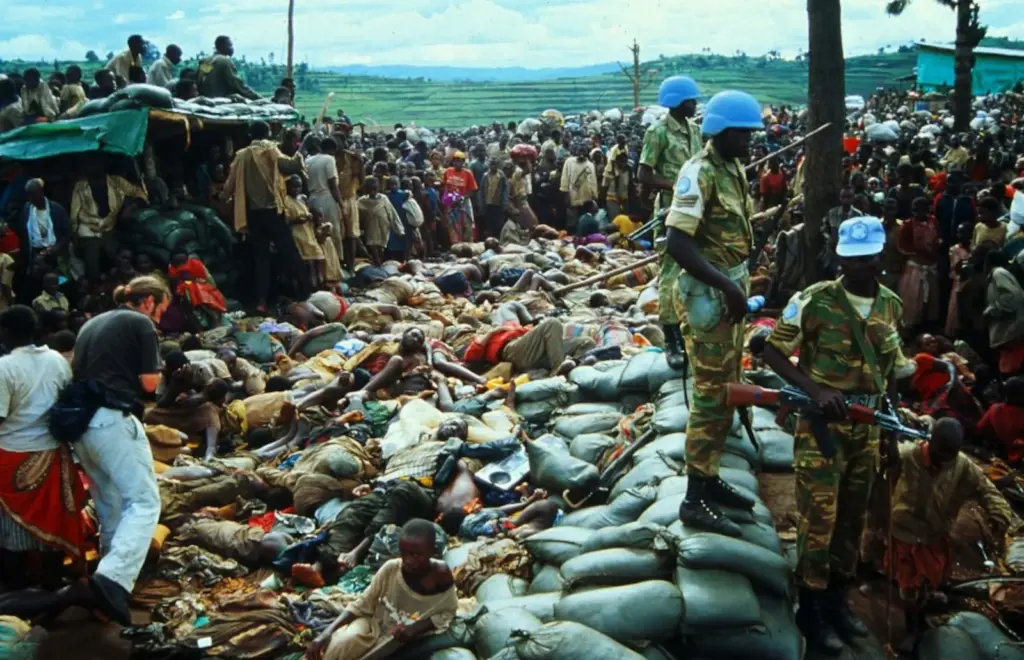
Bodies piled up in the internally displaced persons camp of Kibeho, in southern Rwanda, where between 80,000 and 100,000 Hutus lived in overcrowded conditions.MDB (MSF)
More than a thousand genocidaires wanted
The surprise of his Parisian neighbors was immense, as Kabuga was a discreet man who often went out for walks. First confined in La Santé prison in Paris, he was later transferred to The Hague. At the time of his arrest, there were six other fugitives considered main suspects of the Rwandan genocide wanted by the authorities. The death of two of the last fugitives was confirmed by the ICTR in May 2024. The tribunal’s prosecutor, Belgian Serge Brammertz, recalled at that time that “there are still more than a thousand genocidaires wanted by national authorities.”
The ICTR closed its doors in 2015. It had been established in 1994 by the United Nations Security Council, as it also did with the International Criminal Tribunal for the former Yugoslavia (ICTY), which focused on the Balkan war (1991-2001).
The Rwanda tribunal prosecuted a total of 93 people, including businessmen, politicians, military personnel, and officials. Media executives and religious leaders were also tried. There were 61 convictions and 14 acquittals, and more than 3,000 testimonies, according to ICTR documentation. The tribunal operated outside Rwanda to avoid pressure and conflicts and worked in three languages: English, French, and Kinyarwanda, the main Rwandan language.
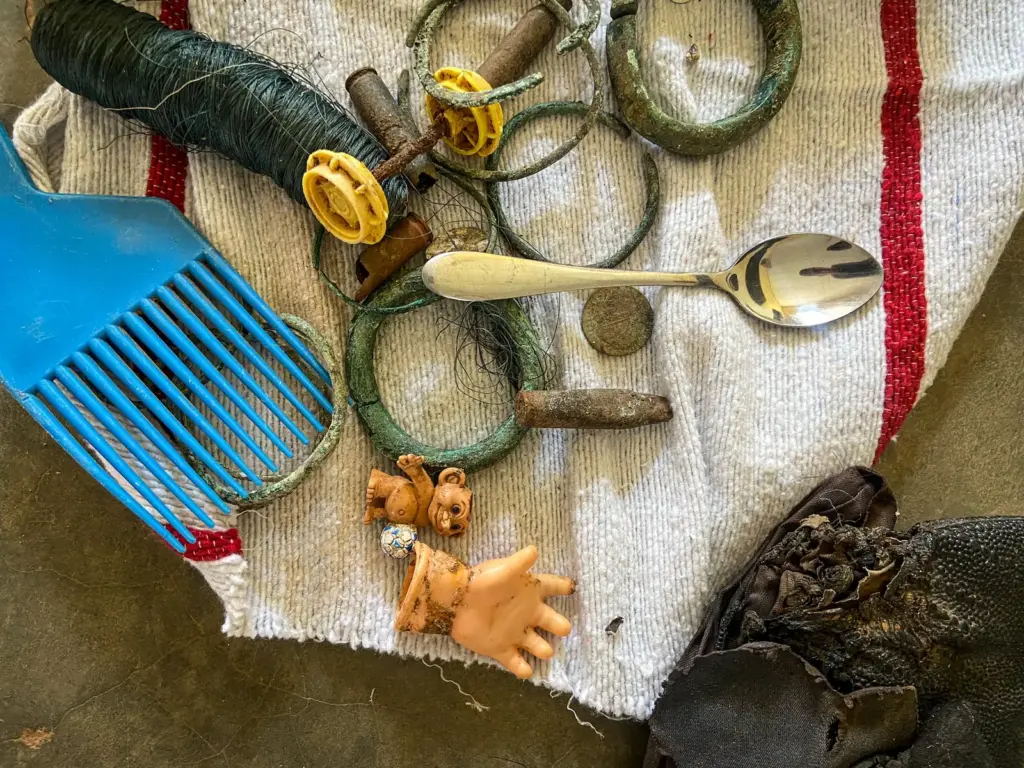
Possessions of victims of the Rwandan genocide found in the last mass grave discovered in Ngoma.Joost Bastmeijer
France’s role in the genocide is a dark chapter of its foreign policy. In 2021, President Emmanuel Macron admitted “responsibility, though not complicity” in the tragedy. France wanted to keep Rwanda in its sphere of influence and supported the government. Hence Macron added that “there is an overwhelming responsibility in the machinery that led to the worst.”
In 1998, then U.S. President Bill Clinton also apologized on behalf of his country, and Belgium did the same later. In 2014, the United Nations acknowledged its failure during the genocide, and Pope Francis apologized in 2017. He said he did so “for the sins of the Church and for its members who gave in to hatred,” betraying its evangelical mission.