








Inflation moderated in April to 3.2% year-on-year, two tenths below the March figure, in a context marked by energy tensions derived from the war in Iran. The preliminary data released this Wednesday by the National Institute of Statistics (INE) reflects, according to the Ministry of Economy, the combined effect of the so-called “renewable shield” and the fiscal measures deployed by the Government to contain the impact of the conflict on prices.
Read more Rafa Jódar — Jannik Sinner: schedule and where to watch the Madrid Masters match
The slowdown is largely explained by the cheaper electricity, which has acted as the main containment factor in the price basket. In parallel, core inflation—which excludes energy and unprocessed food—also moderated slightly, to 2.8%, pointing to a certain stability in internal pressures.
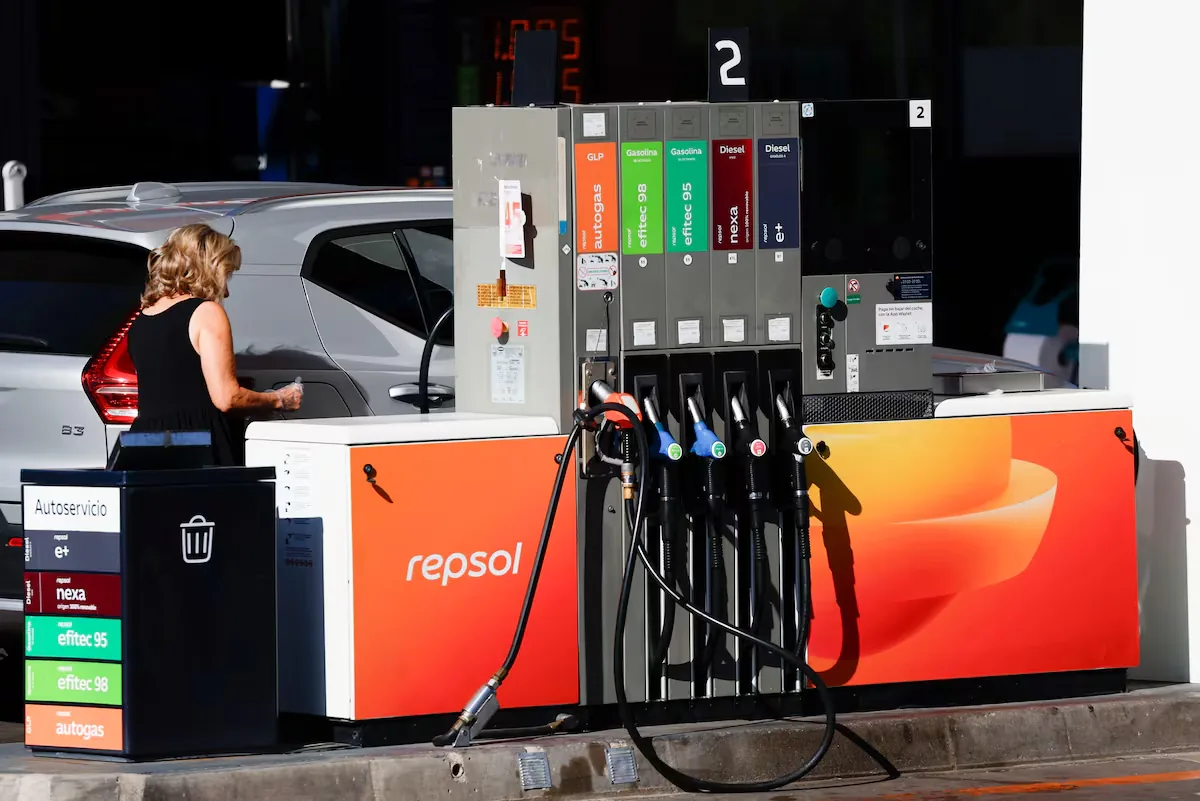
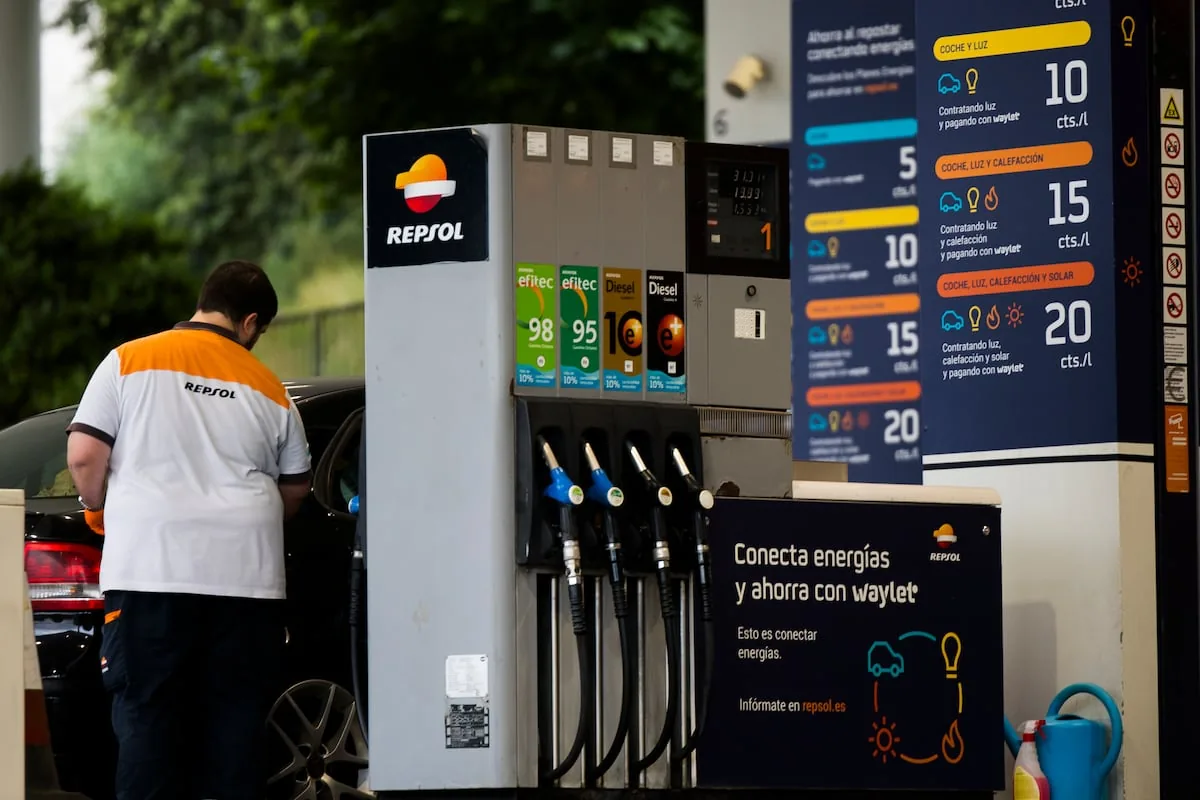
Despite this, fuels continue to be the main source of tension. The rising cost of oil, linked to the persistence of the conflict in the Middle East, continues to push prices up, although its impact has been partially offset by the behavior of the electricity market and by the fiscal measures in force since the end of March. The Executive defends that the plan approved then is fulfilling its objective of preventing the energy shock from permanently transferring to prices and household purchasing power.
This behavior breaks, at least partially, with the narrative of most analysts. Inflation had rebounded in March to 3.4%, and many experts anticipated a similar or even higher new rise for April, in line with the escalation of crude oil after the outbreak of the conflict. The brent barrel, above 110 dollars, has accumulated an increase of more than 50% since the beginning of the conflict in Iran, an increase that has already begun to filter into the price chain through fuels and transport costs.
It’s not just about energy. The increase in basic input costs threatens to gradually spread to all goods and services, in a scenario that has rapidly altered macroeconomic forecasts since the end of February, when the military escalation strained global supply. In this context, the Government and international organizations assume that the impact will not be transitory. In its latest report sent to Brussels this week, the Executive has raised the forecast for average annual inflation to 3.1%, moving away again from the 2% target set by the European Central Bank. The central hypothesis involves high energy prices for longer than expected and with possible second-round effects yet to be calibrated.
This is where uncertainty begins. If the inflationary crisis of 2022 demonstrated anything, it’s that when energy sets the pace, forecasts become fragile. Entities like BBVA Research and Funcas had projected an increase in the general index of up to 3.7%. In contrast, the Complutense Institute of Economic Analysis (ICAE) was one of the few institutions that correctly anticipated the 3.2% figure. Its explanation points less to a structural trend change and more to the coincidence of several factors with a concentrated impact in April.
On the one hand, the effect of the fiscal measures applied by the Executive on energy—such as the reduction of VAT on gasoline, diesel, electricity, and gas to 10%, or the temporary suspension of the Tax on the Value of Electricity Production (IVPEE)—which have had a full impact this month. On the other hand, factors in the electricity market itself have played in favor. Rafael Salas, a researcher at the institute, assures that “the internal dynamics of energy prices has been the main driver of this moderation, with electricity registering a decrease of 16.3% and gasoline a drop of 6.5%.”
In addition, the greater entry of renewable energies has drastically reduced system adjustment costs, while the new mechanism for calculating the regulated tariff, which now gives a 60% weight to forward markets, has partially shielded consumers from daily volatility. To this complex technical framework, according to Salas, a favorable base effect due to Easter, which was partially celebrated in March, reduced pressure on tourist service prices that usually strain the April data.