


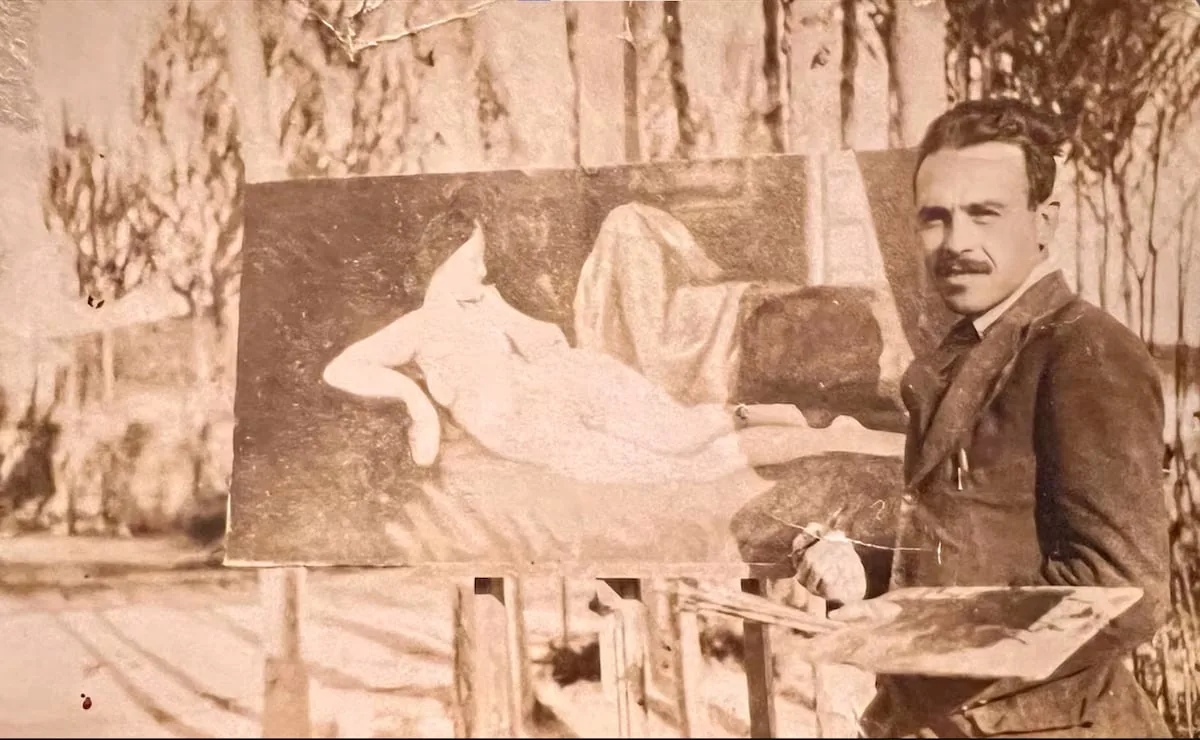
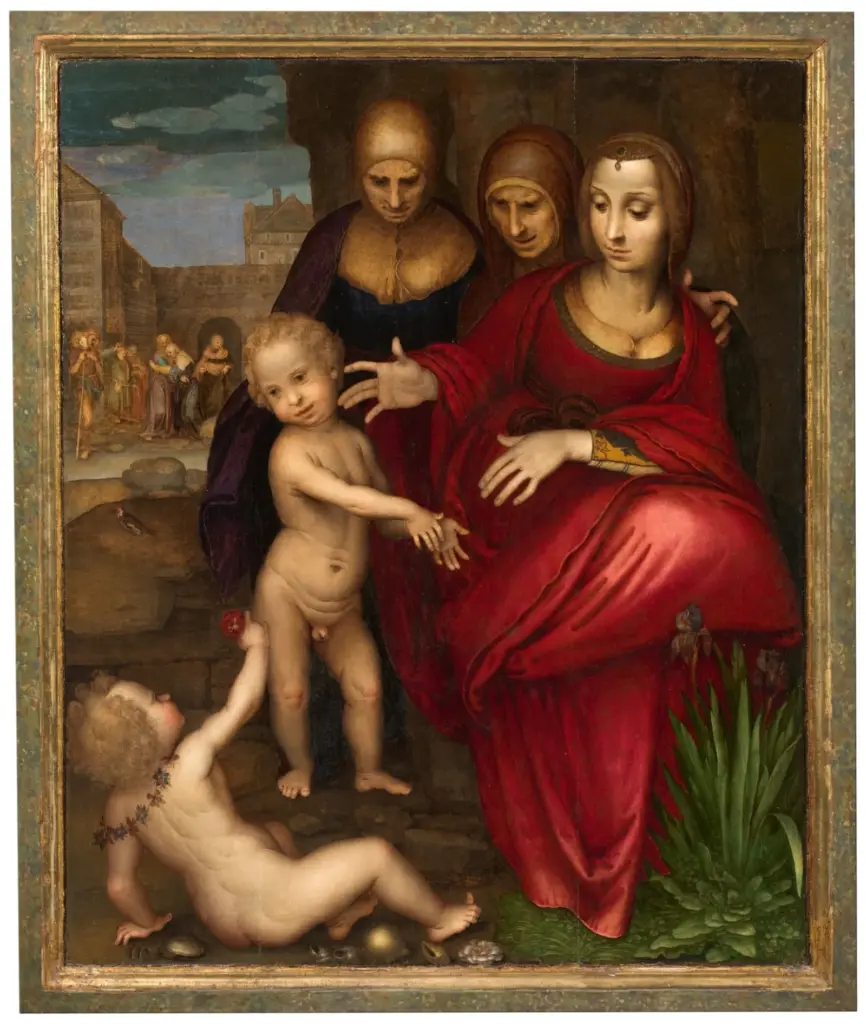
An initiative by Sumar seeks to put an end to the injustice committed against Domingo Cipriano Salvador Gijón, a republican teacher and writer whom Franco’s dictatorship accused of stealing La Santa Generación, a valuable 16th-century panel by Yáñez de la Almedina, a Spanish disciple of Leonardo da Vinci, during the Civil War. Cipriano Salvador, who years earlier had inventoried the historical-artistic heritage of the province of Ciudad Real, was commissioned by the Republic to protect all relevant works from the Montiel region from looting. The teacher took down Yáñez’s panel from the altarpiece of the Almedina church and kept it in his house until it was collected and sent by the Caja de Reparaciones to the Pedralbes Monastery (Barcelona) in 1938. After the war, the work traveled to Villanueva de los Infantes, claimed as its own by its parish priest, knowing that its original location was in Almedina. The cleric took advantage of an error in the measurement of its dimensions to make it appear that it was a different work from the one seized and later sold it off to the Prado Museum.
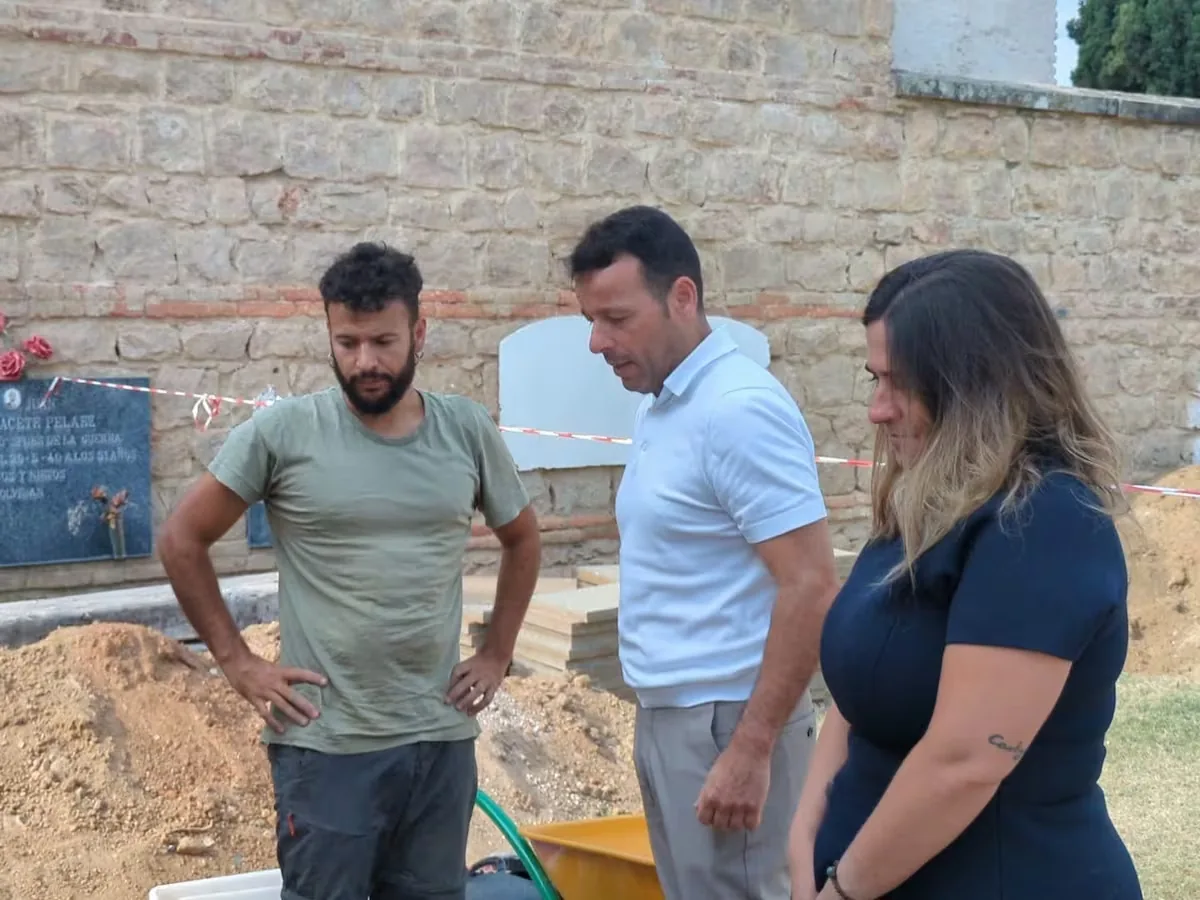
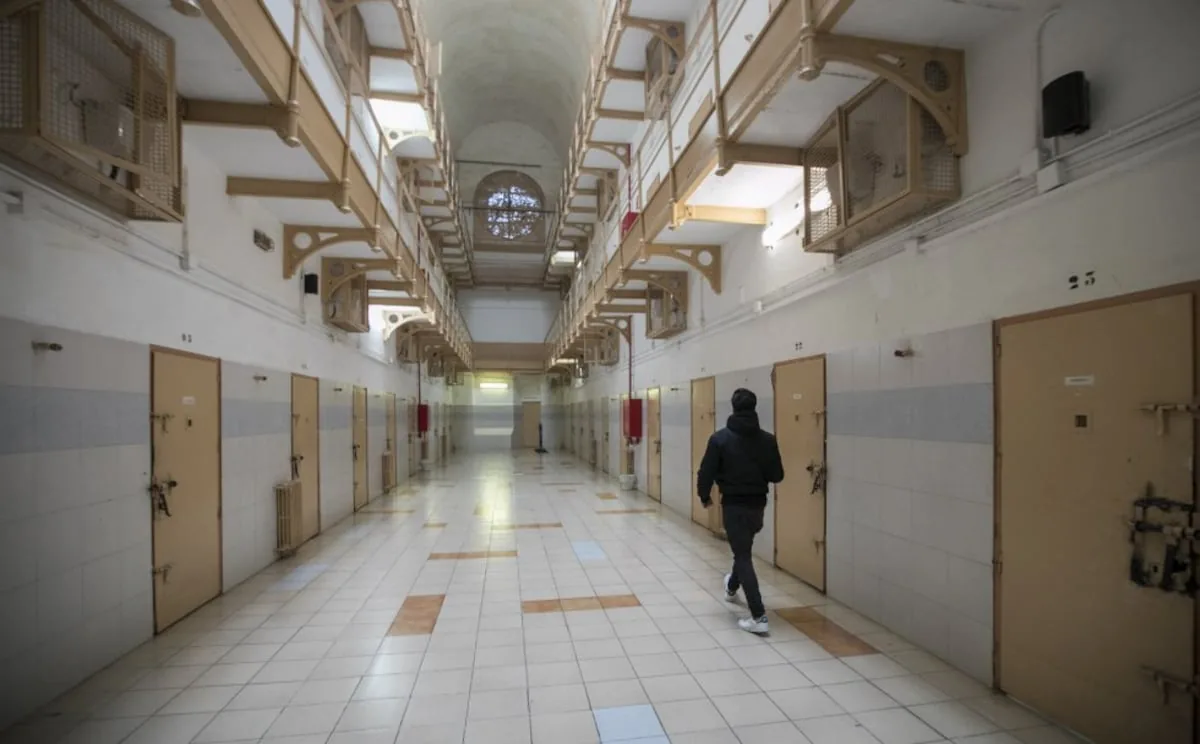
With the work exhibited in the Madrid art gallery since 1941, a group of Falangists arrested Cipriano Salvador at his home in Villanueva de las Infantes, accusing him of destroying the painting. He was sentenced to death, although his sentence was commuted to 30 years in prison and forced labor. In 1946, he was amnestied by the Francoist authorities who never acknowledged their error and banished Cipriano far from his beloved Mancha. He died in 1975 in Toro (Zamora) without his figure being publicly restored. All this, explains historian José López Camarillas, with the “complicit silence” of the parish priest of Infantes, “aware of this injustice.” It was this Valencian professor who in 2020, during an investigation into Francoist repression in Almedina, stumbled upon the bizarre journey of Yáñez de la Almedina’s work and of who truly saved it from falling into the hands of the most exalted anti-clericals. “Francoism did not know that Domingo Cipriano had saved a religious work. It believed he had destroyed it, but it didn’t care much either,” says López Camarillas.
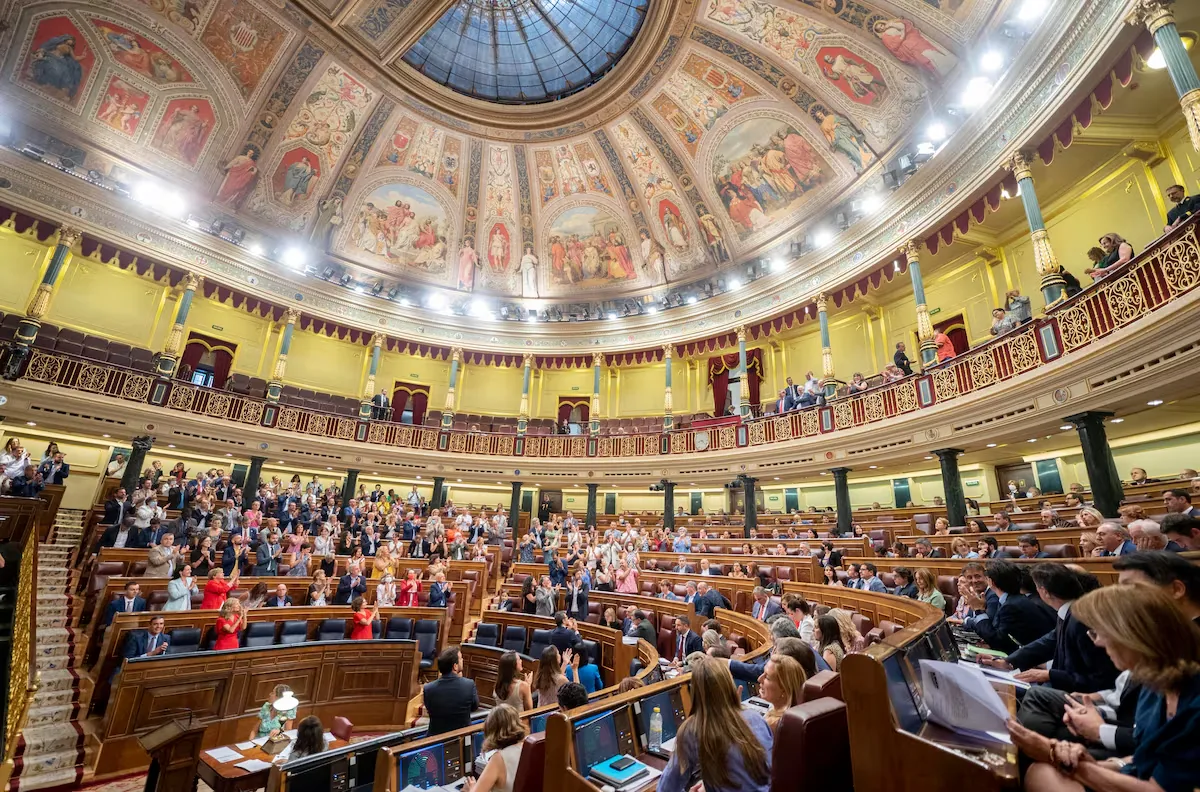
Sumar is bringing a non-legislative proposal (PNL) to the Culture Commission of the Congress of Deputies this Wednesday to compensate Cipriano Salvador. The text, which has favorable reports from the Ministry of Culture and the Prado Museum, urges the Government of Spain to carry out “an act of homage to the painter from La Mancha and the town of Almedina” that includes the delivery of a replica of the work and the placement of a plaque that repairs his name “with honors.” It asks the Prado Museum to incorporate “all information regarding its origin and history” and the role Cipriano Salvador played in its protection into its guides and informative materials about the work. “We still don’t know if it will have enough votes, but its rejection would be a huge injustice to him and his family, but also to the people of Almedina who deserve that, at least, a copy returns to the place where this wonderful work of art always belonged,” Engracia Rivera, a United Left deputy and native, like López Camarillas, of the La Mancha town of Almedina, tells EL PAÍS.
For Rivera, the approval of this PNL would be “an exercise in truth, justice, and reparation to the memory of a person always dedicated to culture and the progress of his land, Castilla-La Mancha,” as well as “a very important milestone in the democratic memory of the province of Ciudad Real.” “It is not the same to go down in history as a looter of artistic heritage as it is as a hero who risked his life to protect it and was almost murdered at the hands of the regime,” defends López Camarillas.
Read more Trump to include his portrait on US passports
The feat of that republican teacher, buried like many others by the epic evacuation of the Prado’s treasures, seeks to make a place for itself among the few remaining examples of democratic memory applied to art. “It is one of the first to put names and surnames to a republican repressed for saving national heritage, but also to the executioners who enriched themselves with his pain. And we do it with evidence, scientifically, to break the Francoist narrative of the ‘red looting’ that for decades has worked for them to distribute responsibilities.”
Although Sumar’s initiative does not seek for the Prado Museum to return the original work to Almedina, as it has recently done with other pieces seized during the Civil War, it does at least ask for symbolic reparation through an identical copy to the one exhibited in room 052B of the art gallery. Almedina already has an open-air museum dedicated to its most illustrious son and painter, with 26 replicas of his paintings made in tiles and embedded in the facades of its houses and municipal buildings. However, La Santa Generación is not among those reproduced, as if a special place were reserved for it. “It is important that the Ministry of Culture, the Prado Museum, and the Congress of Deputies try to repair this damage with a replica of the painting and with the recognition that this heritage belonged to the people,” remarks López Camarillas. Doing so, he assures, would help close a wound and give a boost to this municipality of barely 500 inhabitants. “As Cipriano Salvador used to say, he was deprived of an opportunity to develop and prosper.”
Read more Through the pipes with Super Mario: an interactive journey