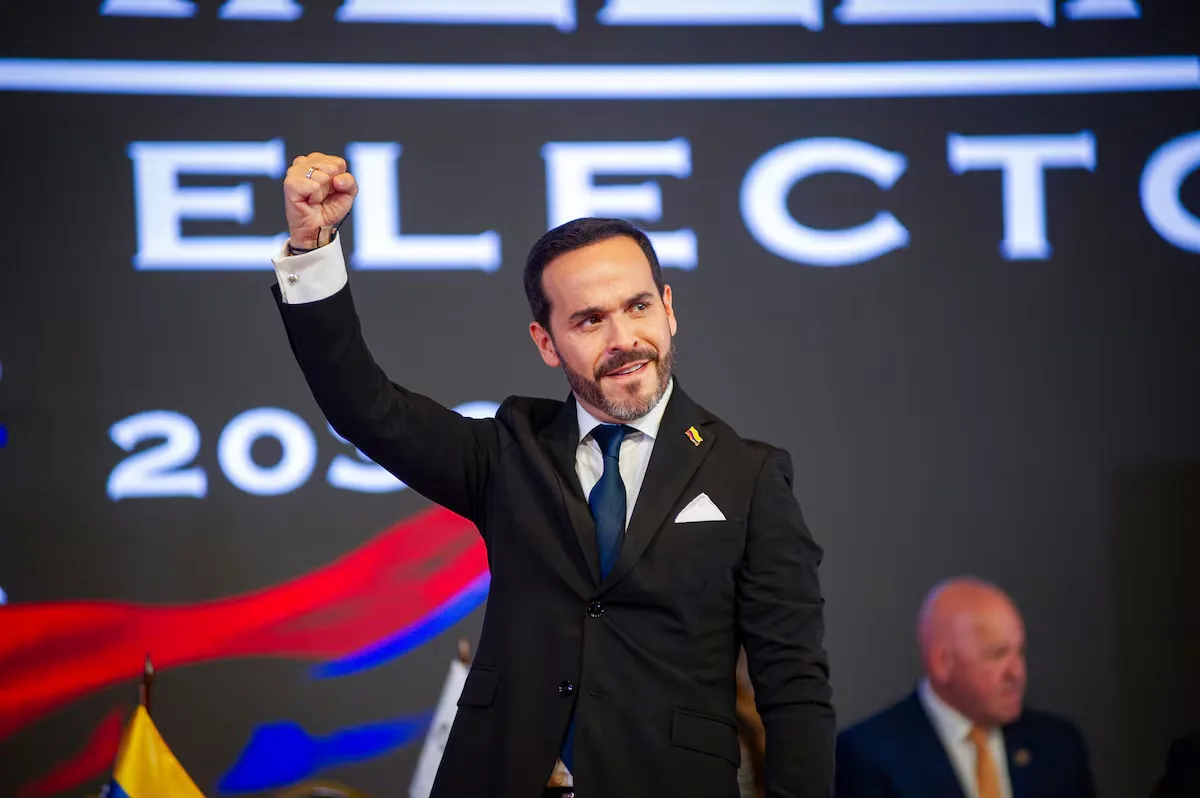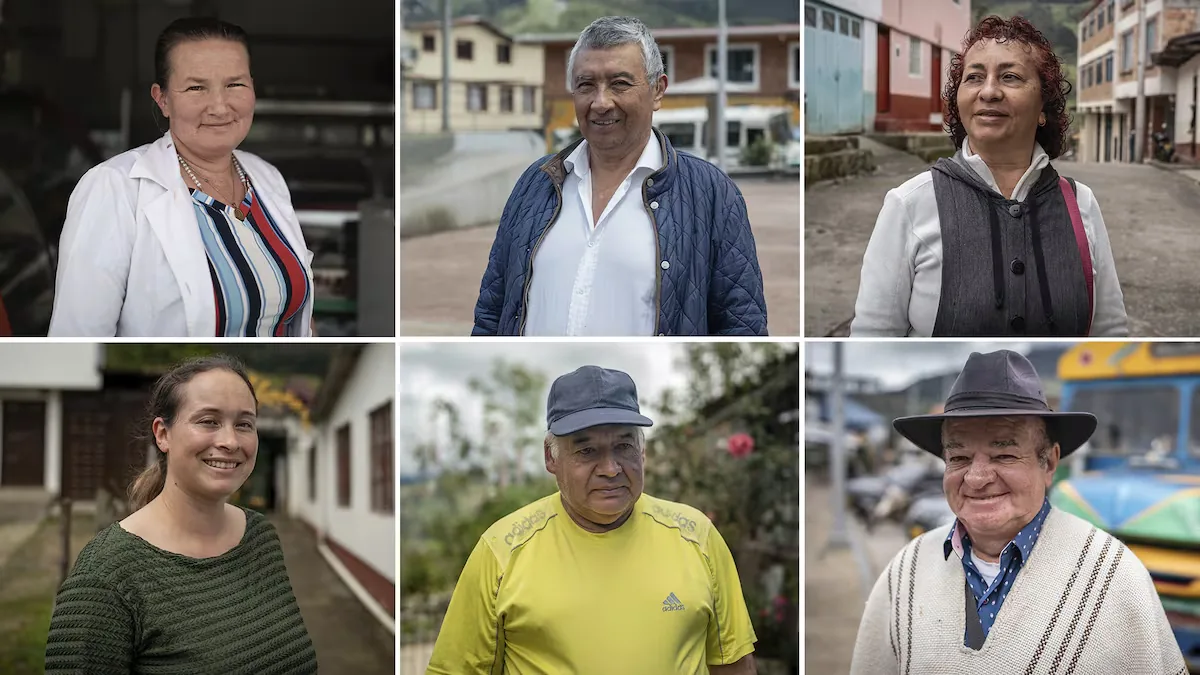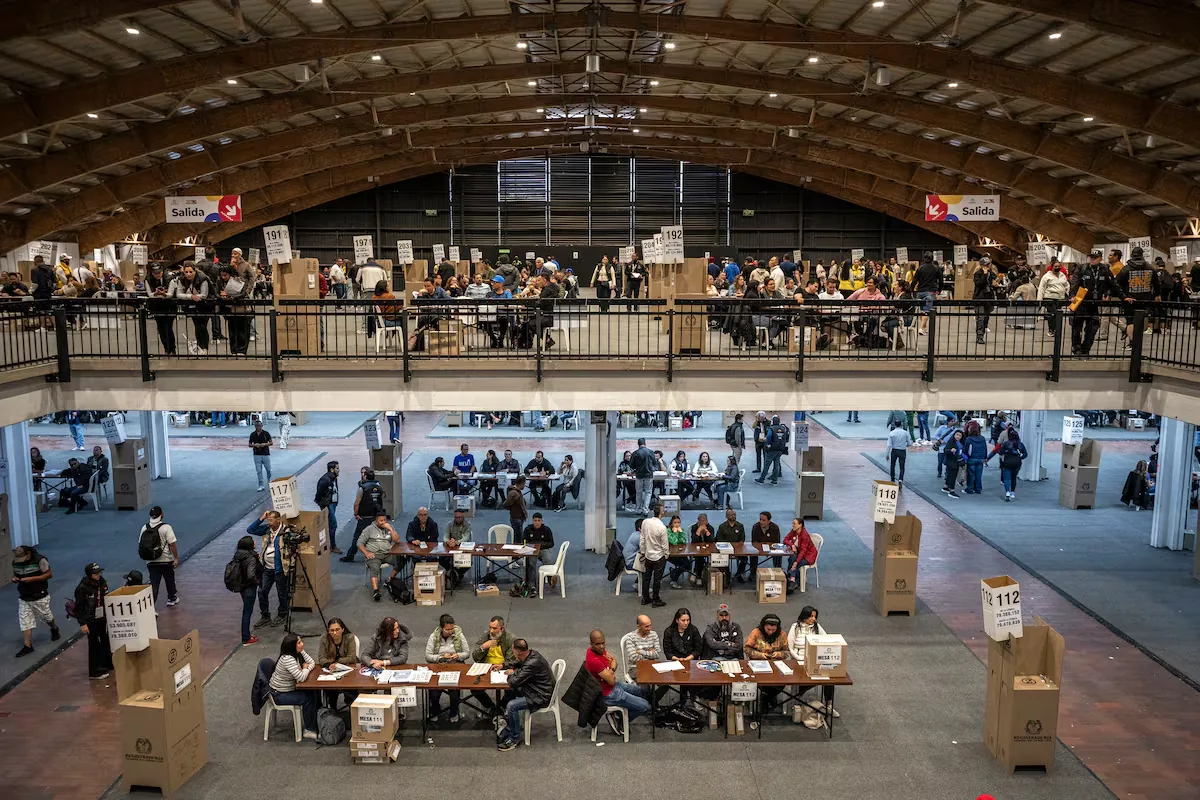





Polls show that Iván Cepeda, the candidate of President Gustavo Petro, continues to grow and is seven points away from winning the presidency in the first round. That possibility, although remote, has caused a real political earthquake on the right, which is not engaged in a cat-and-dog fight, but one of tigers and doves, with Álvaro Uribe, the powerful owner of Ubérrimo, trying to put out the fire to prevent it from being impossible to mend broken ties in the second round and for the left to win.
Opinion studies also reveal that if Cepeda does not win in the first round, he could lose in the second, against any right-wing candidate who confronts him. This is a red flag for a bid that has led the campaign and whose supporters have had to get off the bus of triumphalism.
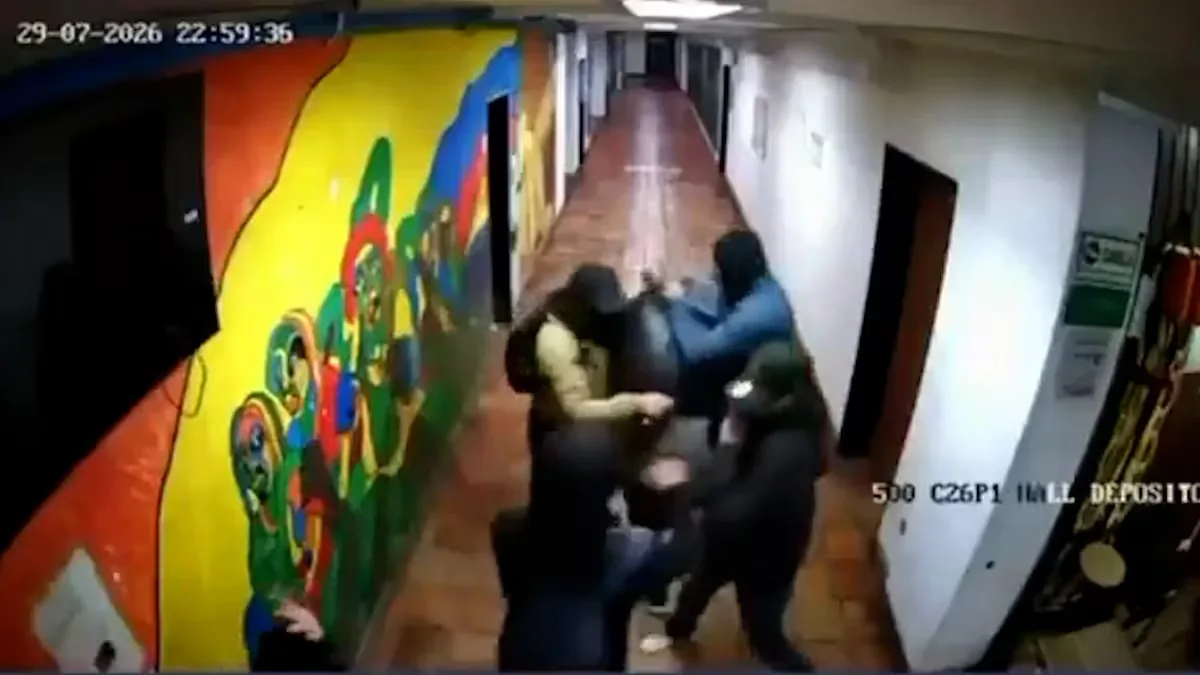
Less than a month before Colombians go to the polls, the terrorist attacks in recent days in Cajibío (Cauca) and other places have shocked public opinion, giving wings to the right to promote its strategy of selling fear and making the government’s achievements invisible. The head of the FARC dissidents, Iván Mordisco, helps the right position the narrative that Colombia needs a second dose of democratic security.
After the Havana peace process, the Truth Commission demonstrated the humanitarian tragedy that this policy represented, which was above all a propaganda strategy to eternalize Uribe in power, but it failed because it did not defeat the FARC or the ELN, and degenerated into the phenomenon of false positives.
In recent days, precisely, the Special Jurisdiction for Peace (JEP) has resumed the issue, demonstrating the magnitude of the phenomenon. In a historic statement, it increased the number of victims, which rose from 6,402 to 7,837. A number that summarizes the pain of a country that saw young peasants and workers die at the hands of corrupt military in alliance with paramilitarism.
Dozens of officers and non-commissioned officers have appeared before the JEP revealing the horrors of that policy and have apologized to the victims. Offering democratic security as an antidote to Colombia’s ills is to ignore the impact of the peace process, transitional justice, and its restorative approach, and to rub salt in the wound of a society that has not overcome the ravages of the peace referendum, nor healed so many years of paramilitary horror and systematic human rights violations by the State.
Paloma, who proclaims that Uribe is her “dad,” promises him as Minister of Defense, so that he applies a new dose of democratic security to the country. More than an electoral blow, it is an affront to the victims of the false positives and an incentive to the left’s narrative that Paloma would be a huge setback. The proposal also served for Juan Daniel Oviedo to expose the ideological implosion of that formula subjected to Uribe’s corrective media blitz.
As days go by, the drop in the polls has pushed Paloma to abandon an apparent center-right stance and push the boundaries to emphasize that she is an anti-peace and anti-Petro hawk, and an enemy of all social policies of the government, such as the increase of the vital minimum wage and labor and agrarian reforms, among many issues. The serious thing for her is that the facts show she is currently experiencing an evident setback, placing her third in the polls.
Perhaps because of those indicators, the Tiger, her enemy on the right, grows in the polls kicking Uribism. The rise of the political therian is partly due to playing bloody poker, without asking permission from the owner of Ubérrimo, attacking Paloma as if wanting to pluck her, and not needing her in the second round. In the spectacle of a right wing that is tearing itself apart, Uribe’s children draw their spurs and attack the Tiger as the worst enemy. It is difficult to predict how many purebred Uribistas would support the Tiger in the second round and, vice versa, how many Abelardistas would support Paloma.
At the same time, the right insists on gutting Petro by asking for help from their international allies. First, they did so with the most radical wing of the US right, begging for military intervention in Colombia to remove the constitutional president from power. Having failed and Petro going from enemy to admired by Trump, they are turning to the president of Ecuador, Daniel Noboa, to interfere in the Colombian elections. Noboa follows the script dictated from Miami.
Noboa has been sabotaging relations with Colombia for years, denying any possibility of diplomacy, closing border crossings, increasing tariffs on Colombian products to one hundred percent, militarizing and bombing the border to show force, and inventing that Petro leads a supposed guerrilla aggression against his country. Uribe, just as he did with Marco Rubio, has turned to the Ecuadorian far-right to attack Colombia to gain votes amid chaos. Noboa seeks, in turn, to create a war scenario that justifies US military intervention in Colombia.
The right intends for the international factor to help generate rejection of Petro and Cepeda. With Ecuador, they also seek to strengthen the narrative that Petro is the head of the guerrilla and a regional threat that needs Trump’s firm hand. But it is precisely on the border with Ecuador where the total peace process with the dissidents seems to be working. This right-wing strategy also explains why Uribe has now involved, through an alleged anonymous tip, the governor of Nariño, Luis Alfonso Escobar, elected by the democratic left, in the plot to assassinate Miguel Uribe. Cepeda is the favorite in the south of the country. Miguel Uribe’s father denied the truthfulness of the anonymous tip.
The governor has denounced that Uribe has put a tombstone on his head. A phrase that recalls Diego Montaña Cuéllar, former UP leader, who said it in 1990 after a statement by former Barco government minister Carlos Lemos, who pointed to the UP as the political arm of the FARC. Days later, Bernardo Jaramillo, the UP presidential candidate, was assassinated.
The right seeks chaos to defeat Cepeda, who has not lost his composure and has agreed to go to the presidential debates to face his opponents with clear rules and address the big issues. At the same time, President Petro has accelerated his accountability strategy to show his 100 government achievements. He wants the electorate to vote informed and establish the dimension of his mandate, leaving the opposition’s narrative that nothing has been done without foundation.
Petro will not sit idly by while Uribe, the right, and Noboa attack him. He will not be passive in this debate. He has not been so at any moment of his mandate. He has the initiative and is playing hard. Now, he is pushing his idea of a National Constituent Assembly. He wants the people in the streets collecting signatures and mobilized, thinking about major reforms, challenging the right, in an all-or-nothing bet.
In conclusion, the campaign is burning, the right is tearing itself apart, the dove is collapsing, the tiger shows its fangs to Uribe, Cepeda challenges debates, Petro shakes the board and calls his base to take to the streets to move the Constituent Assembly. In this final phase, the 2026 elections take the form of a reality show.