





Afra experiences a feeling of relief and appreciation for life every morning when she wakes up in Tehran and sees that the ceasefire between the United States and Iran, in effect since April 8, is still holding. “Thank God, the war has not restarted,” is the first thought of this 31-year-old woman.
When the airstrikes by the United States and Israel began on February 28, Afra was still traumatized by the repression and deaths from the January protests, originally motivated by the difficult economic situation. Those financial difficulties remain today, further aggravated by the war. What this woman most longs for now is to stop suffering every day from the ravages of galloping inflation.
The people interviewed for this report share that feeling of economic suffocation and show their reservations when expressing their political opinions. Finally, some either choose not to answer this journalist’s questions or ask that neither their full name nor their photograph be published.
Afra explains that she had planned to buy a car that cost 7 billion rials in January, about 4,500 euros. Now, it sells for more than double. “It was a challenge for me to buy that car in installments. Today it is an impossible mission,” she explains.
While talks between the United States and Iran go through many ups and downs and the threat of resuming military operations looms, the Iranian currency dances to the tune of the negotiating swings and the population takes the hit. The annual inflation rate stood at 53.7% at the end of the first month of the Iranian calendar, which ended on April 20. But in just those first four weeks, prices rose by 73.5%, according to official figures.
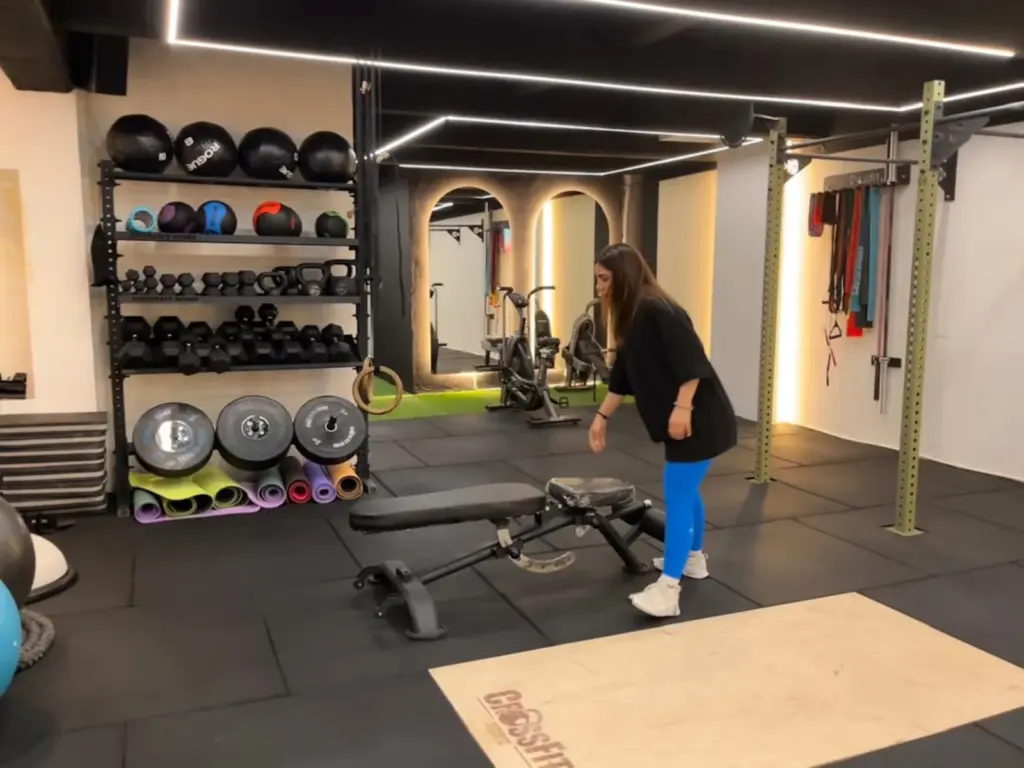
The war also forced Afra to close her gym, her source of income, from March 10 to 23. When she reopened, many clients did not return, as American and Israeli fighter jets continued to fly over the capital’s sky.
Now we don’t go out or invite anyone home. We get together with friends after dinner so that no one feels the economic pressure of having to spend on foodAfra, resident of Tehran
Since the start of the war and citing security reasons, the authorities left the country [of about 90 million inhabitants] without internet. People who illegally provide a VPN connection charge “exorbitant fees,” explains Afra, who cannot afford that cost, like most young Iranians or entrepreneurs with modest businesses. In her case, her gym’s Instagram page was her main tool to get known.
In recent weeks, this woman has gone through very difficult moments amid bombings targeting the main leaders of the Islamic Republic, as well as high military commanders and military, nuclear, industrial, and energy facilities. “When they bombed near our neighborhood, I closed the gym immediately. The clients ran out as they were, half-naked, scared, and screaming,” Afra recalls.
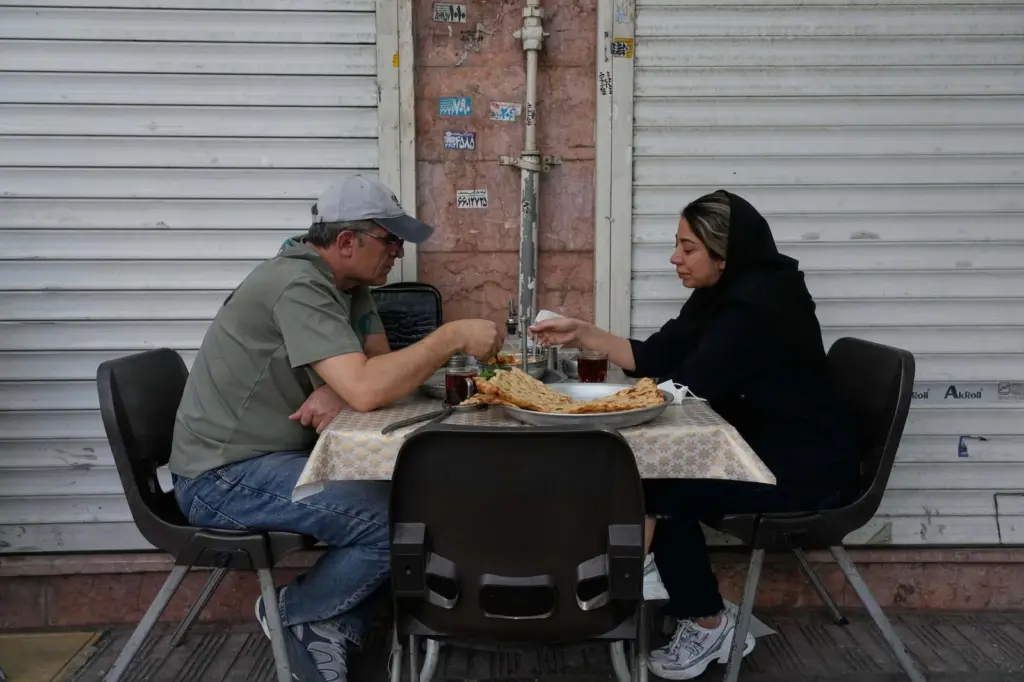
At that moment, she was certain that the war was going to change her life. “Now we don’t go out or invite anyone home. We get together with friends after dinner so that no one feels the economic pressure of having to spend on food,” she explains. Because before, ordering two pizzas and two servings of fries cost 15 million rials, just under 10 euros, and now it would take 12 million to buy only one pizza and one serving of fries.
The economic problems grip the population. On the occasion of May 1, Alireza Mahjoub, secretary of the Workers’ Chamber, stated on state television that salaries should increase monthly given the level of inflation. “We cannot wait a year. Salaries are not enough to cover living expenses,” he said.
On the other hand, there has been an increase in layoffs in recent weeks, citing growing difficulties linked to the war, although worker representatives recall that the economic situation was already complicated before the war.
“There are authorities who speak as if people did not have serious economic problems or go hungry. Our workers and retirees do not have houses or luxury cars and endure extreme pressure with a lump in their throat,” said the deputy secretary of the Workers’ Chamber, Hassan Sadeghi, in statements published by the official agency ILNA.
Trapped between political interests
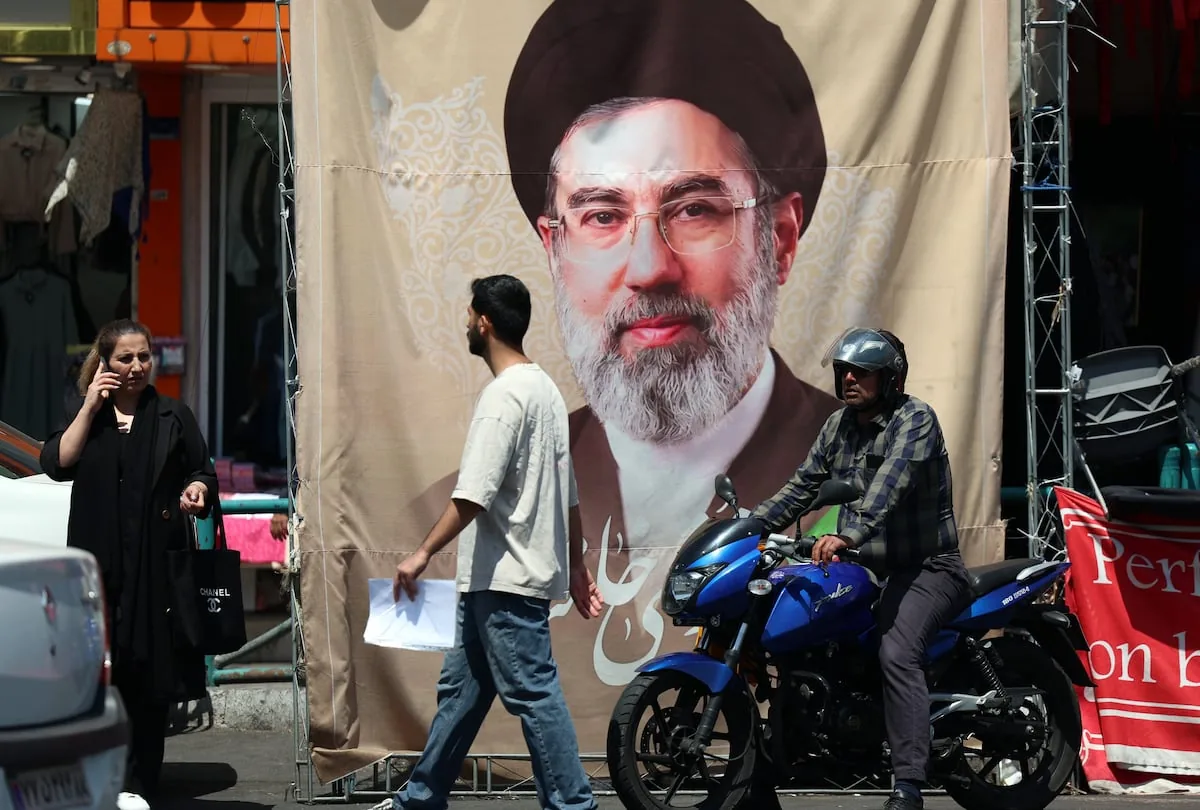
In the streets of Tehran, shops and cafes are open and receive abundant customers. Beyond the demonstrations that are organized practically every afternoon and gather some hundreds of people in support of the leaders of the Islamic Republic, an apparent normality reigns in the capital, although the mark of the bombings of recent weeks is present in the buildings riddled with projectiles, some of them in ruins.
“I’m fed up with Trump. He didn’t think it would cost him so much and he gambled. Politicians look after their own interests and ordinary people get caught in the middle,” says Arefeh, a 30-year-old jewelry designer, who says she takes life’s difficulties with humor.
Since the war began, the woman has tried to tame fear and explains that at night, with her husband, they bet on the type of ammunition they heard and the places targeted to try to calm down. “A B2 [the American bomber]? No, I think it was a missile… I bet it was in Tajrish square… Is that the noise of a drone or a delivery motorbike?”
Arefeh admits she was surprised to find out “the large number of missiles Iran had.” “We had no idea!” she exclaims. “We just want a normal and peaceful life. I remember the story of a girl who survived a bombing that threw her parents and brother out of the house. None of their bodies were found,” says Arefeh, outraged.
Politicians look after their own interests and ordinary people get caught in the middleArefeh, resident of Tehran
The increase in the price of raw materials for her business makes continuing her work very difficult. “My jewelry workshop has closed. My husband’s studio has closed. My work depends largely on the internet. And so does my husband’s,” she laments.
Fortunately, she had bought silver months ago, as the price per gram has soared from 2.5 million rials before the war to the current 10 million and she can still fulfill some orders.
“The night the United States announced it was going to bomb the power plants, we cleaned and vacuumed, washed all the clothes, and then took a good bath,” she recalls. Also, the couple charged all portable batteries and phones before going to bed, to be prepared for a massive blackout.
Basic food
Iran continues to block the Strait of Hormuz in response to the U.S. naval blockade of its oil exports, Tehran’s main economic support. The consequences are felt in the daily life of citizens like Hamidreza, who has an online business and lives in Tehran: “The war was terrifying, but what worries me today is surviving amid this inflation,” he says, explaining how the price of basic food rises overnight. A bottle of cooking oil costs 17 million rials (11 euros) one day and the next day, when he went to buy it, it was already selling for 18 million.
Hamidreza has a business with a partner in Belgium. Despite the respite the truce has provided, he has not been able to get back in touch with him because he has no internet connection. “Our relatives abroad couldn’t even know if we were alive because the phone lines were cut and international calls didn’t work,” he recalls. Just a few months ago, Hamidreza saved his money in dollars or euros to preserve its value. “Now, nothing,” he resigns.
“I am angry with those who started the war. At the same time, I have mixed feelings. I wonder if something unexpected will ever happen that benefits everyone, but I don’t see it likely either,” he concludes, not wanting to go further in his view on the war and the Tehran authorities.