







One of the primary tasks of a newspaper is to organize chaos, to make the torrent of news, events, reports, and opinions resemble a house you want to live in rather than a construction site with scattered materials. EL PAÍS has been doing this since day one and even months before hitting the streets, with tests and zero issues. This ongoing construction work has a daily translation: the front page of the print edition and the homepage of the website, which, although it changes throughout the day, always offers a snapshot at the start of each day, at six in the morning.
Read more The best version of Nico Williams drives Athletic and leaves Alavés shaken
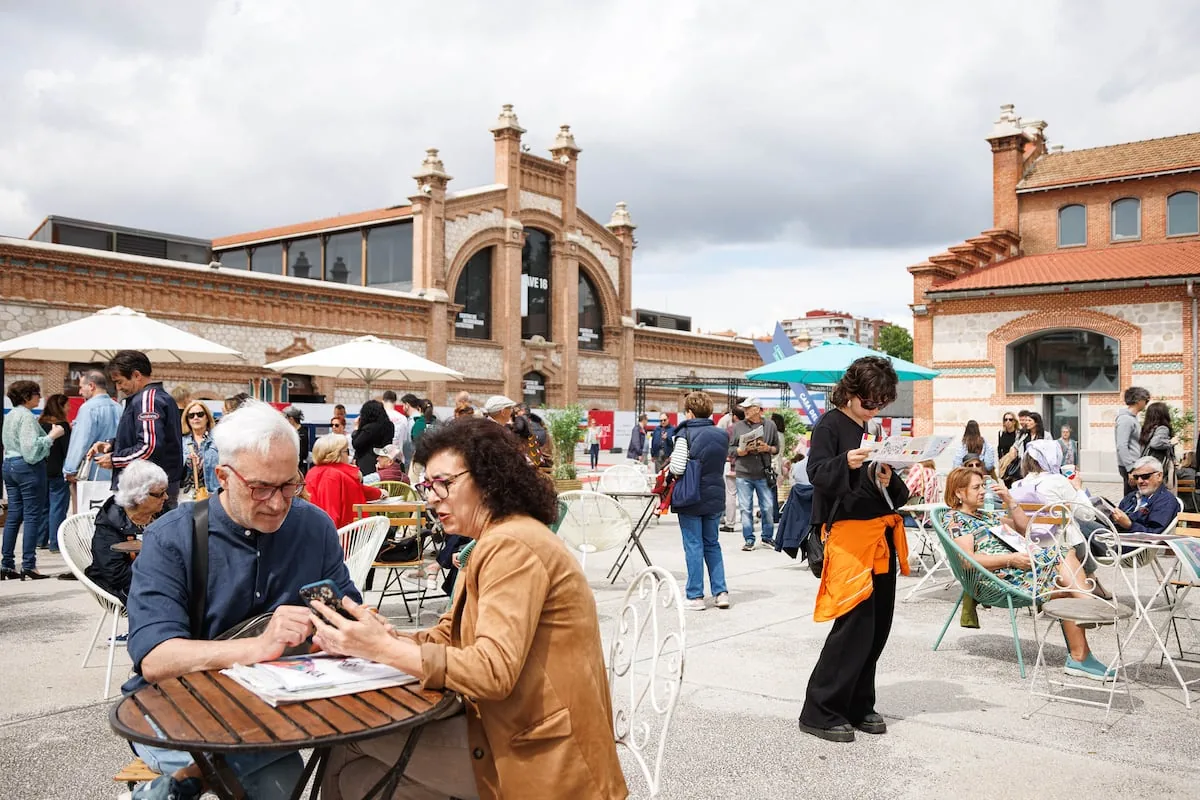
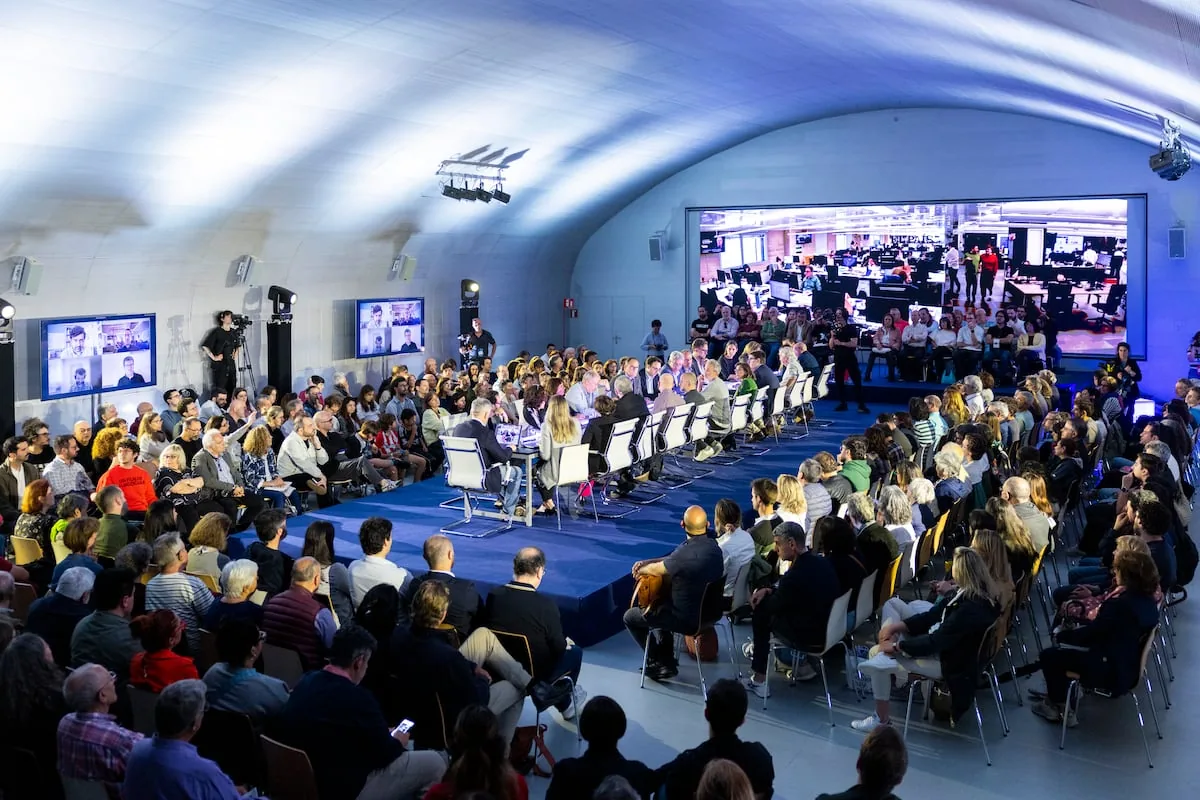
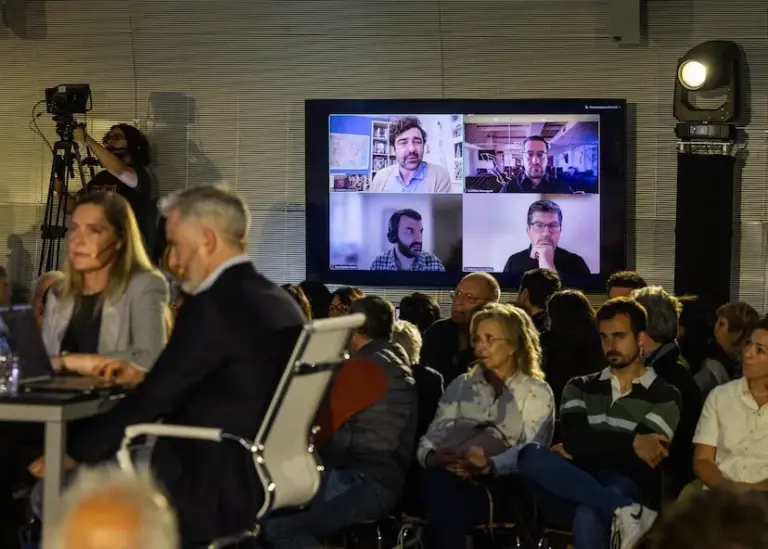
All decisions and corresponding debates take place at five in the afternoon in the first meeting, which this Saturday was held for the first time with an audience at the Matadero Auditorium in Madrid. “It is a very executive meeting where editors-in-chief and section heads sit at the same table with management,” explained the director, Jan Martínez Ahrens, at its start, marked like every afternoon by a bell that summons those responsible to a room on the second floor of the newspaper on Miguel Yuste street in Madrid.
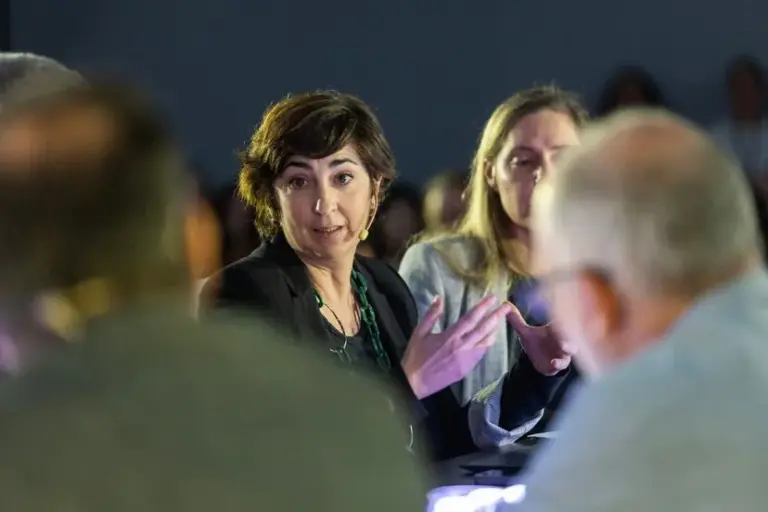
There, “each section presents the hottest topics and also has to explain the lead story,” Martínez Ahrens detailed. “In the first part, the editors-in-chief announce the topics.” And in the second, what readers will see a few hours later is built. Normally, one arrives at a meeting of this nature with chaos already organized, or at least that is the aim, and the function of this dialogue is to give it order, hierarchy, and meaning. Guillermo Altares, chief editor of International, and Inma Carretero, chief editor of Spain, are responsible for defending the bets of the hardest sections, those that especially on weekends merge in-depth chronicles, reports, and interviews, and that daily have to face a constant flow of breaking news.
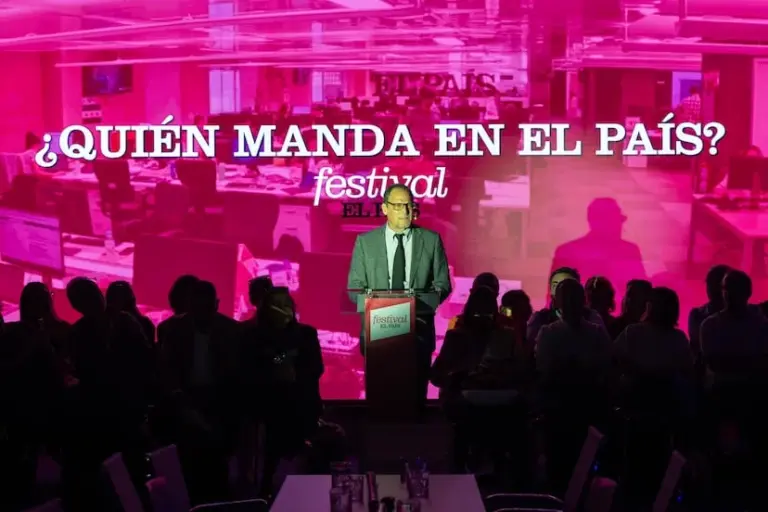
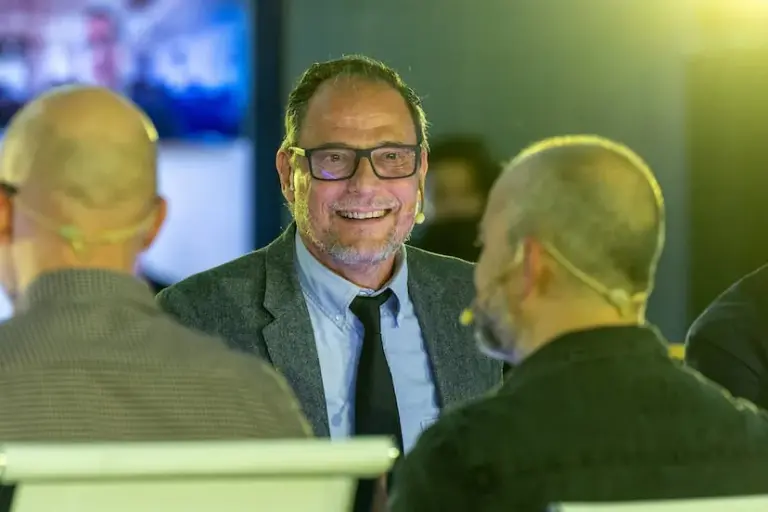
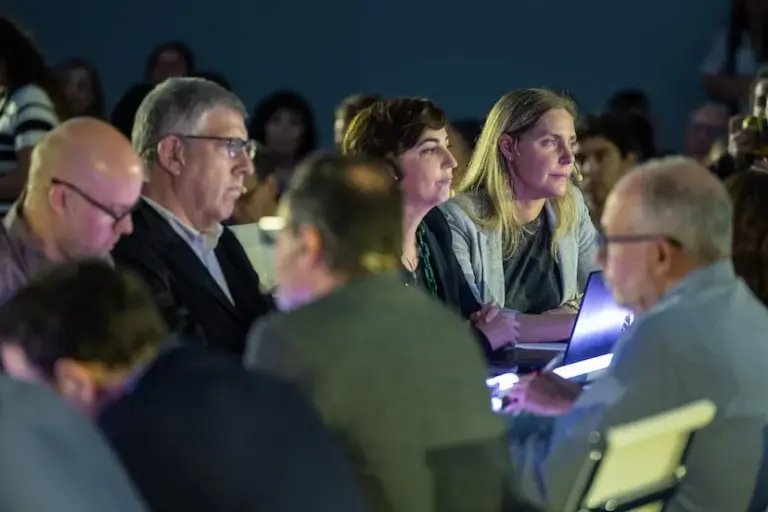
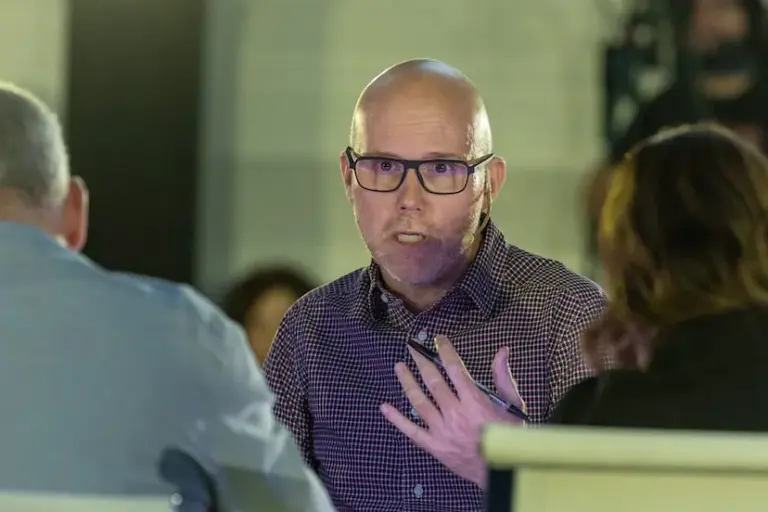
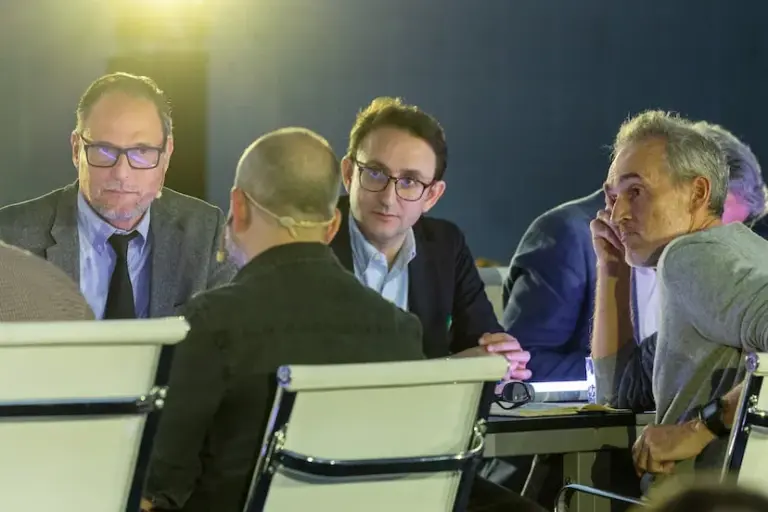
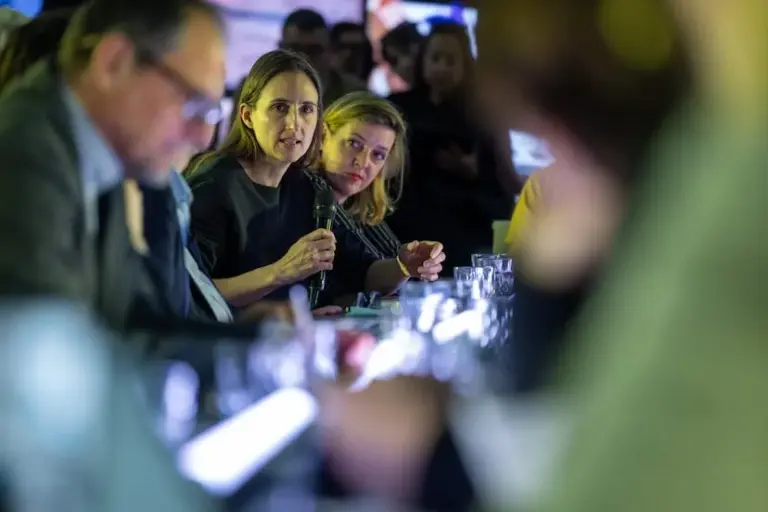
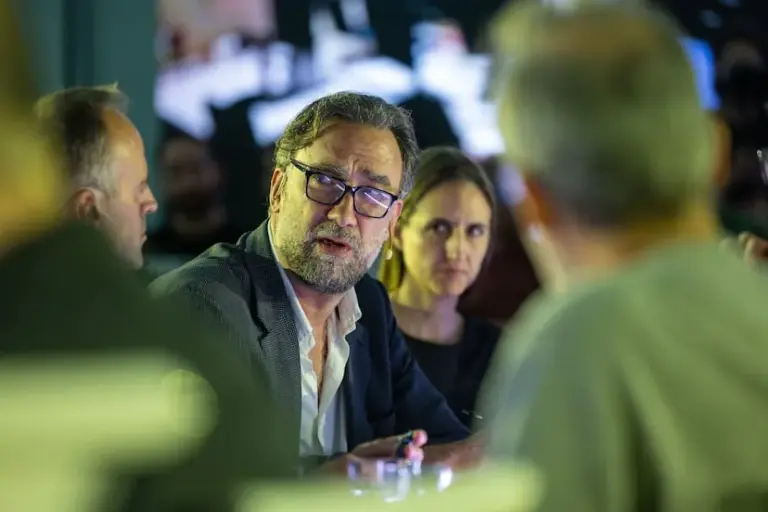
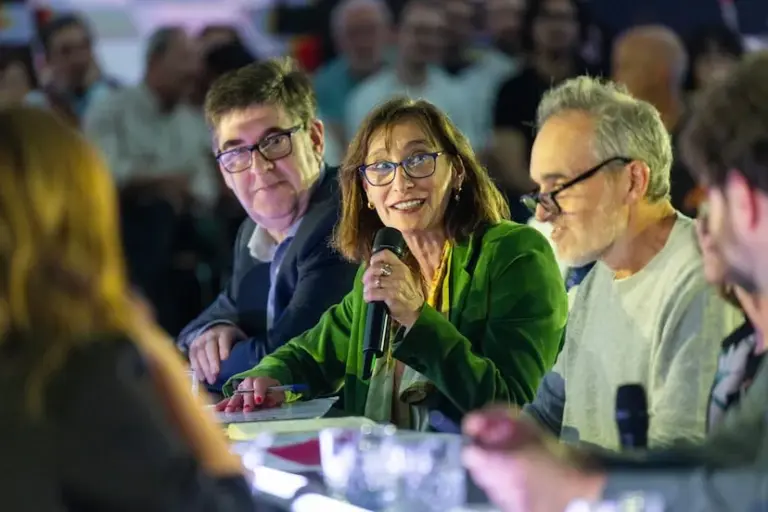
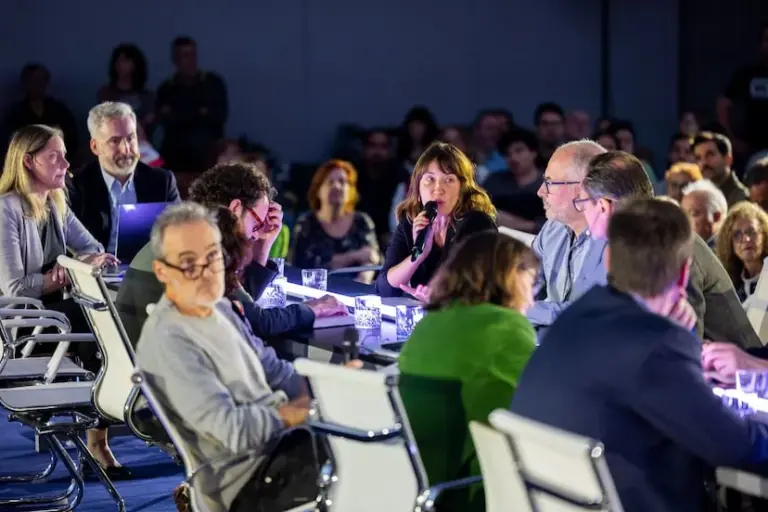
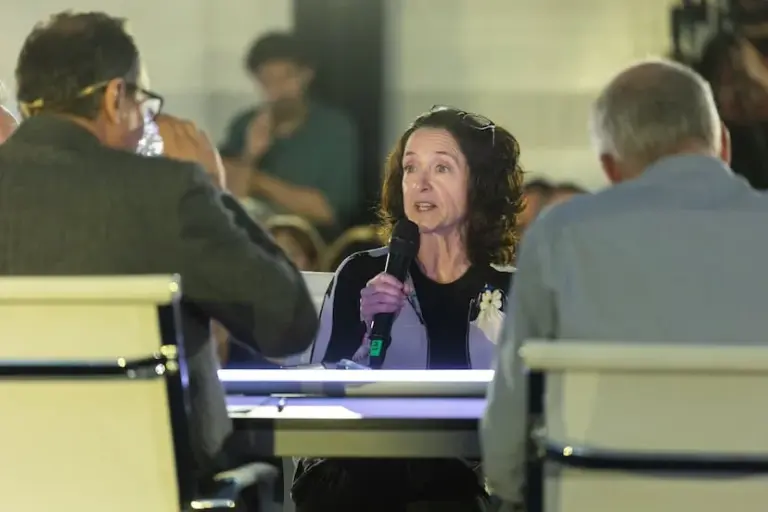
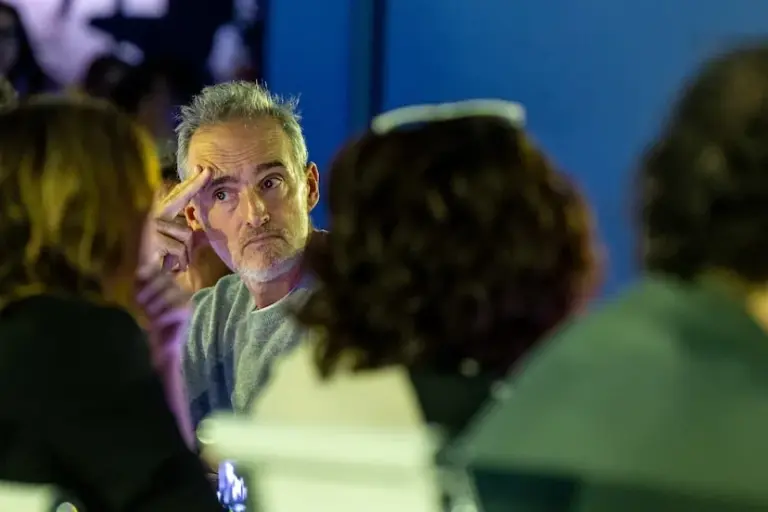
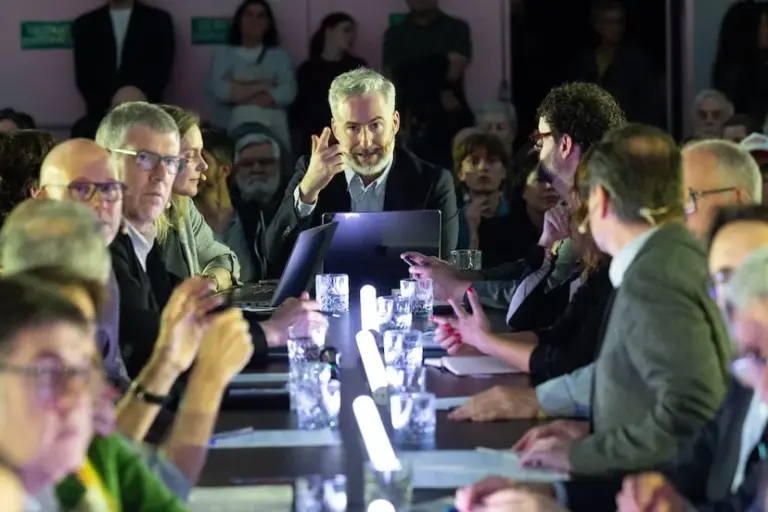
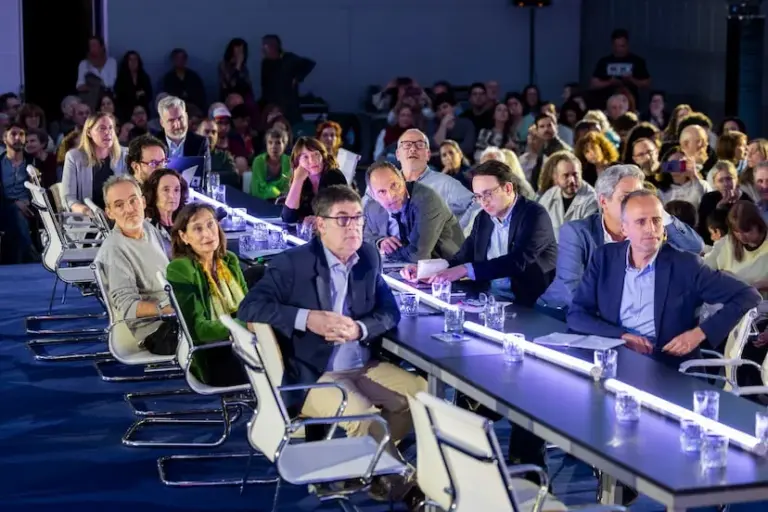
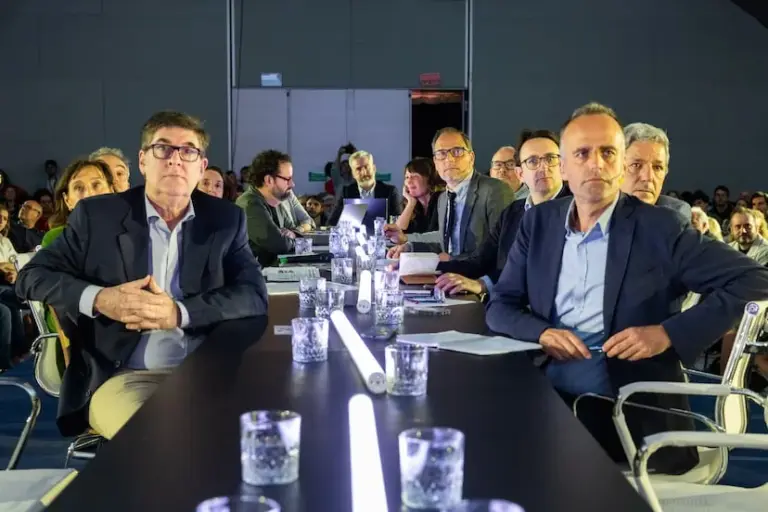
This Saturday, at least for the moment, there has not been a frantic succession of news. Inés Santaeulalia, chief editor of the web, reviews the most prominent of the day and recalls that it is still early in the United States, so there is still room for Donald Trump, who has worsened his rift with NATO and has again threatened Cuba, to derail the planned news script.
After the interventions of Miquel Noguer, deputy director of Catalonia, Luis Gómez, chief editor of Communities and Madrid, and José Luis Aranda, head of the Economy section, the meeting continues with some questions from the director and moving from strictly national current affairs topics such as migrant regularization or the campaign in Andalusia to forecasts from America, where EL PAÍS has more than 80 journalists. The connections from Iker Seisdedos in Washington, Federico Rivas Molina in Buenos Aires, Luis Pablo Beauregard in Mexico City, and Juan Esteban Lewin in Bogotá show the enormous variety of viewpoints and the thematic kaleidoscope that each edition of the newspaper collects.
Read more Madrid Community Fair at Las Ventas: experience, sometimes, is not a degree
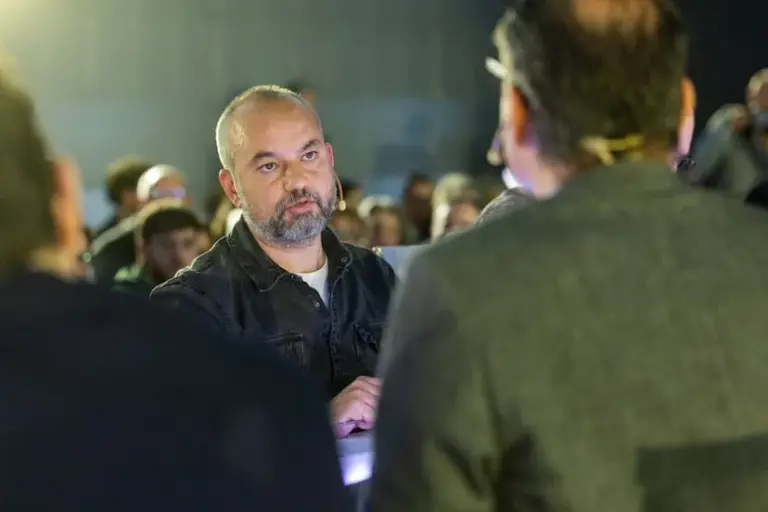
In this liturgy, which has been as real as every day, the section heads bring their satchel, show what it contains, and leave. What happens afterward usually stays among deputy directors behind closed doors. “We sell our fish and leave,” noted Javier Salas, chief editor of Society and Science. After him, who defended one of the newspaper’s central bets this weekend, continued the chief editor of Culture, Pablo Guimón, Sports, Nadia Tronchoni, and El País Semanal, Belinda Saile, who presented a special issue dedicated to the 50th anniversary. “The purpose was to tell how we have lived it and how we have told it,” she said.
The first part of the meeting ends with the forecasts of the heads of audio, Ana Alonso; video, Daniel Castresana; and social networks, Álvaro Romero. And Moeh Atitar, chief editor of Photography, gives way to the second part by showing the most outstanding images of the day. The choice is between a photo from a report that will be key, the portrait of the protagonist of an overwhelming personal story worthy of a survival genre film, and a series of images from the EL PAÍS festival held until this Sunday.
Final decisions
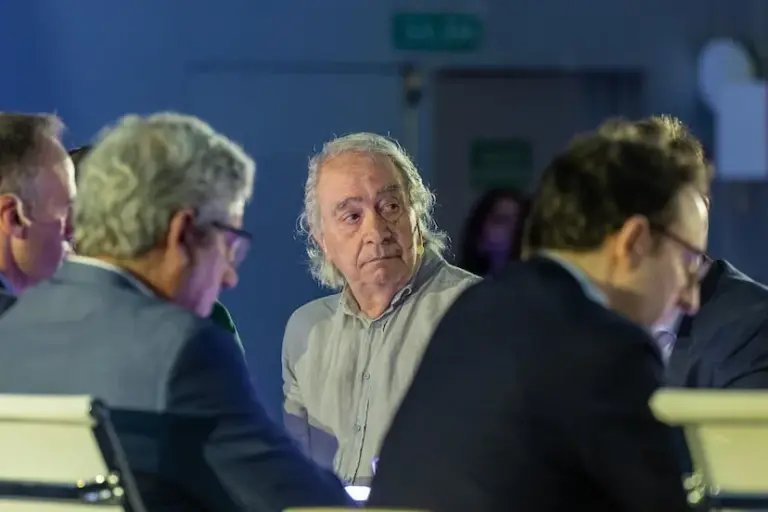
Martínez Ahrens, flanked by Miguel Jiménez, deputy director, makes the final decisions with his team. Maribel Marín, deputy director of the Sunday edition, makes her proposal for the front page; Mónica Ceberio, deputy director of the Spain section, emphasizes the gestation of the rocambolesque survival story; Borja Echevarría, deputy director of El País Semanal and the magazines, details the central themes of the special. Meanwhile, Teresa Fuentes, chief editor of Layout, paints the first paper page. They are accompanied by Noguer, Luis Barbero, deputy director of the print edition, Javier Lafuente, deputy director of America, Marc Bassets, deputy director of Opinion, and Ricardo de Querol, director of Cinco Días. Cristina Delgado, deputy director of the web, who is on maternity leave, usually also participates in the meeting.
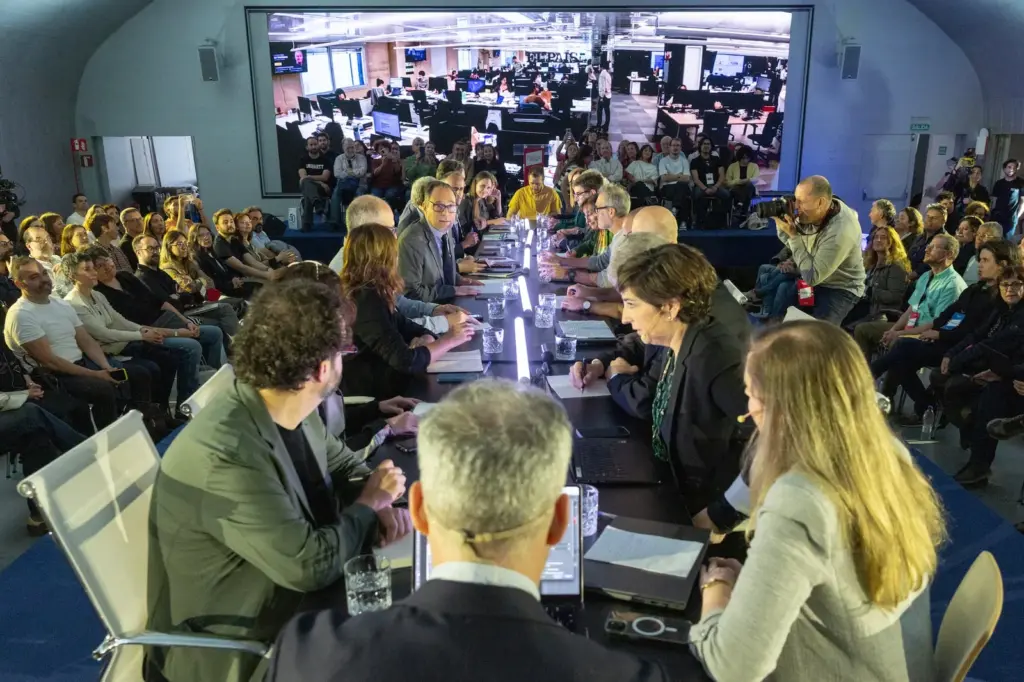
The front page takes shape, both the one readers will read this Sunday in print and the one they will see on the web from six o’clock. A mirror of hundreds of decisions made by a chain of command that ends at the newsstand or in the newspaper’s app. Because… who is in charge at EL PAÍS? “You, the readers,” Martínez Ahrens reminded. So every corner of the newspaper is conceived thinking of them.