






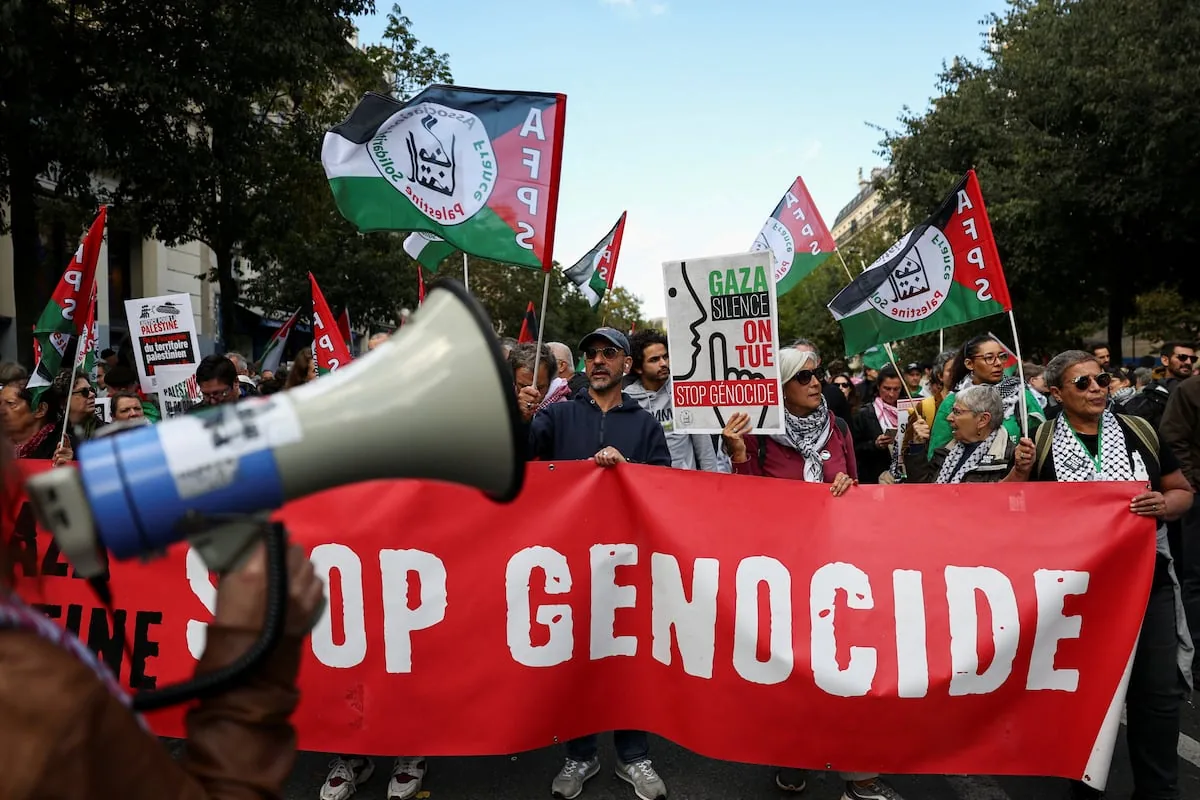
More than one million Europeans have supported a citizens’ initiative seeking for the European Commission to propose the “complete suspension” of the Association Agreement with Israel due to the “human rights violations” caused during the conflict in Gaza. The pressure for Brussels to take action once and for all continues — and grows — also from the political community, with increasing criticism of Benjamin Netanyahu’s government, and diplomatic pressure. More than 350 former senior European officials, ambassadors, and even former ministers also signed a new open letter this Wednesday — already more than half a dozen — also urging the suspension of the trade agreement with Israel.
Read more A Chevron partner claims he was not notified of the expansion of oil operations in Venezuela
“The EU must immediately use all available legal, diplomatic, and economic means, including the suspension of the EU-Israel Association Agreement, to force the Israeli government to cease its human rights violations, respect international law, and alleviate the suffering of the Palestinians,” demands the European Citizens’ Initiative (ECI). This instrument allows that if one million European citizens from at least a quarter of the EU member states sign an initiative asking the Commission to propose legislation in areas within its competence, the European Executive must respond to this request and, if it does not, must justify why.
The ECI to suspend the Association Agreement was launched in mid-January by the European Left Alliance for Peoples and the Planet (ELA), which includes among others Podemos, Bildu, La France Insoumise, or the Portuguese Bloco. The organizers argue, however, that the signatures come from multiple countries, different social sectors, and diverse political affinities. They point out that the speed with which the set goal has been reached — barely three months, the fastest in this type of initiative — is a sign of the growing “frustration” of citizens with the EU’s lack of action.
“The ECI was born from the demand of millions of European citizens, organizations, and collectives across Europe who believe that justice can no longer wait,” said Tamam Abusalama, campaign organizer. “It is a broad movement that has united unions, teachers, health workers, artists, and grassroots groups with one goal: to show that Europeans refuse to be passive observers and will use all available democratic instruments to transform their anger and frustration into concrete action,” she added at a press conference in the European Parliament surrounded by MEPs from the Left group, including the French Manon Aubry and Rima Hassan (La France Insoumise) or the Spaniards Isa Serra (Podemos) and Pernando Barrena (EH-Bildu).
The organizers, who have invited other political forces to support the citizens’ initiative, have indicated that their current goal is to gather at least 1.5 million signatures to “increase pressure on the Commission” and ensure that at least one million are valid, to avoid the risk of the initiative being rejected.
The EU is Israel’s main trading partner and, therefore, this agreement is a strong pressure element. Brussels has moved cautiously since the brutal Israeli military offensive against the Gaza Strip began following the Hamas attacks in October 2023. Countries like Spain or Ireland called for the suspension of the Association Agreement shortly after the start of the brutal offensive, but it was not until after the famine caused by Israel’s closure of Gaza to humanitarian aid a year ago that the President of the European Commission, Ursula von der Leyen, proposed last September the partial — although highly symbolic — suspension of the agreement. However, the reluctance of countries like Germany, Austria, Italy, or Hungary has blocked any step forward.
The political landscape, however, is changing, especially since the start of the Israeli and US offensive against Iran that has triggered a new regional conflict. More and more European capitals are showing greater impatience with the Israeli government.
This week, Italian Prime Minister Giorgia Meloni announced that her country will not renew its defense agreement with Israel “in view of the current situation.” Last week, Italy summoned the Israeli ambassador in Rome after Israeli soldiers fired warning shots at an Italian convoy that is part of the United Nations mission (UNIFIL) in southern Lebanon. On Monday, Israel in turn summoned the Italian ambassador in protest over statements by Foreign Minister Antonio Tajani, who condemned Israel’s “unacceptable attacks” against civilians in Lebanon, recalls the BBC.
And on Tuesday, French Foreign Minister Jean-Noël Barrot said before the National Assembly that “the Israeli government must change its policy, respect international law, and abandon endless wars,” referring to the Palestinian conflict but also to renewed attacks in Lebanon.
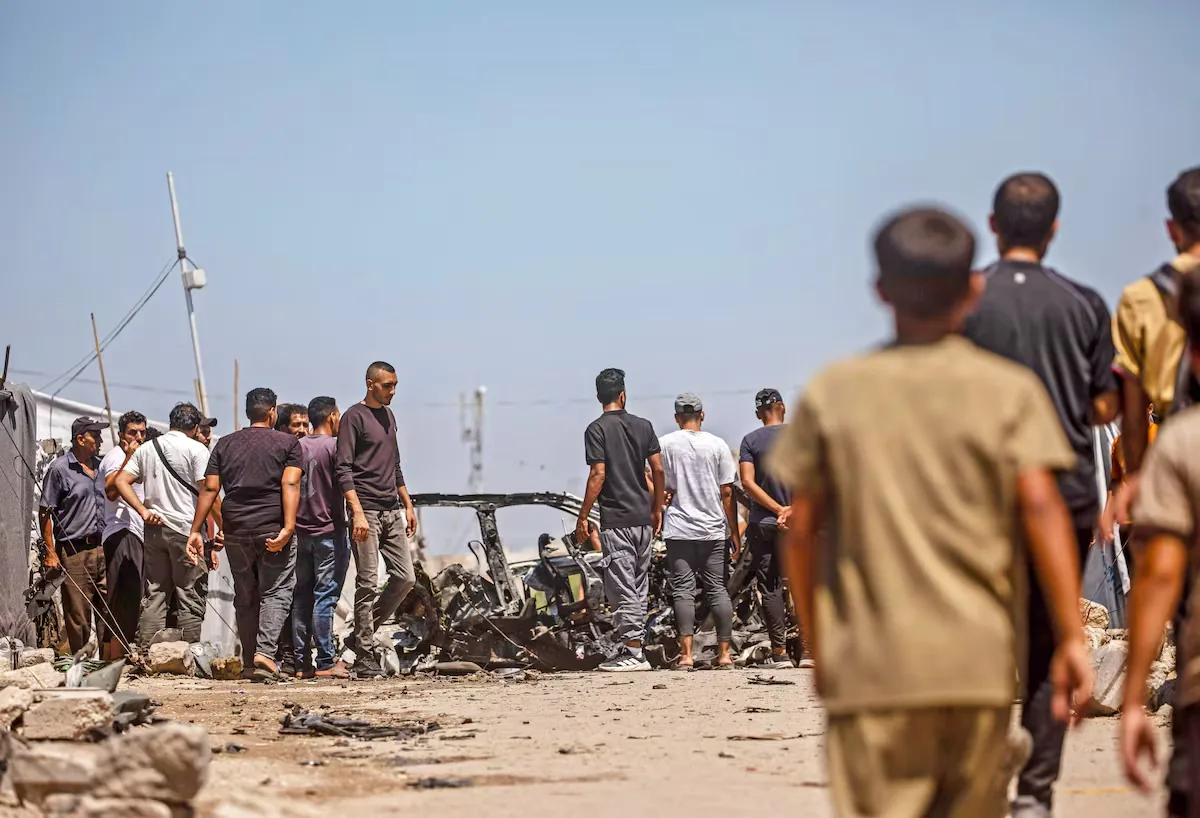
The situation in Gaza has deteriorated again. Of the 4,200 trucks with humanitarian aid that had been entering the Strip weekly since October, the number has dropped to about 1,700 and has been even lower, according to EU sources. In addition, Israel only allows the entry of food and some medicines but prevents the entry of key materials to repair the power plant or the desalination plant, demining equipment, waste treatment, or even tents, alleging they have potential dual use (civil and military).
The prohibition during Holy Week of the entry to the Holy Sepulchre of the highest Catholic authority in the Holy Land, the Latin Patriarch Pierbattista Pizzaballa, also provoked strong protests from European leaders, including Spain, France, or Portugal, but also Italy or even Hungary, which has so far blocked even the approval of new sanctions against violent Jewish settlers. Similarly, criticism of Netanyahu’s government intensified, even from one of the most cautious countries, Germany, after the Israeli Parliament approved a law that will allow default death sentences for Palestinians from the West Bank who kill Israelis.
The European Commission recalls — as Frenchman Barrot also did on Tuesday — that “all options remain on the table,” referring to sanctions under the Association Agreement. European foreign ministers meet next Tuesday in Luxembourg and the Middle East issue is on the agenda, community sources point out.
This is also what more than 350 former senior officials, ex-ambassadors, and even some former ministers such as Swedes Lena Hjel Wallén and Matts Hellström, Dane Mogens Lykketoft, or Irishman Eamon Gilmore demand in a new public letter.
“In particularly turbulent times in the Middle East and amid widespread violations of international law by Israel, it is imperative that the EU act and hold Israel accountable,” write the senior officials. The group calls for a total or partial suspension of the Association Agreement, banning trade with illegal settlements, stopping the trade of military material with Israel, suspending its participation in EU programs, or expanding sanctions against people involved in the repression of Palestinians or violations of international law.
Read more Spar Girona continues to surpass itself and reaches its first EuroLeague semifinals