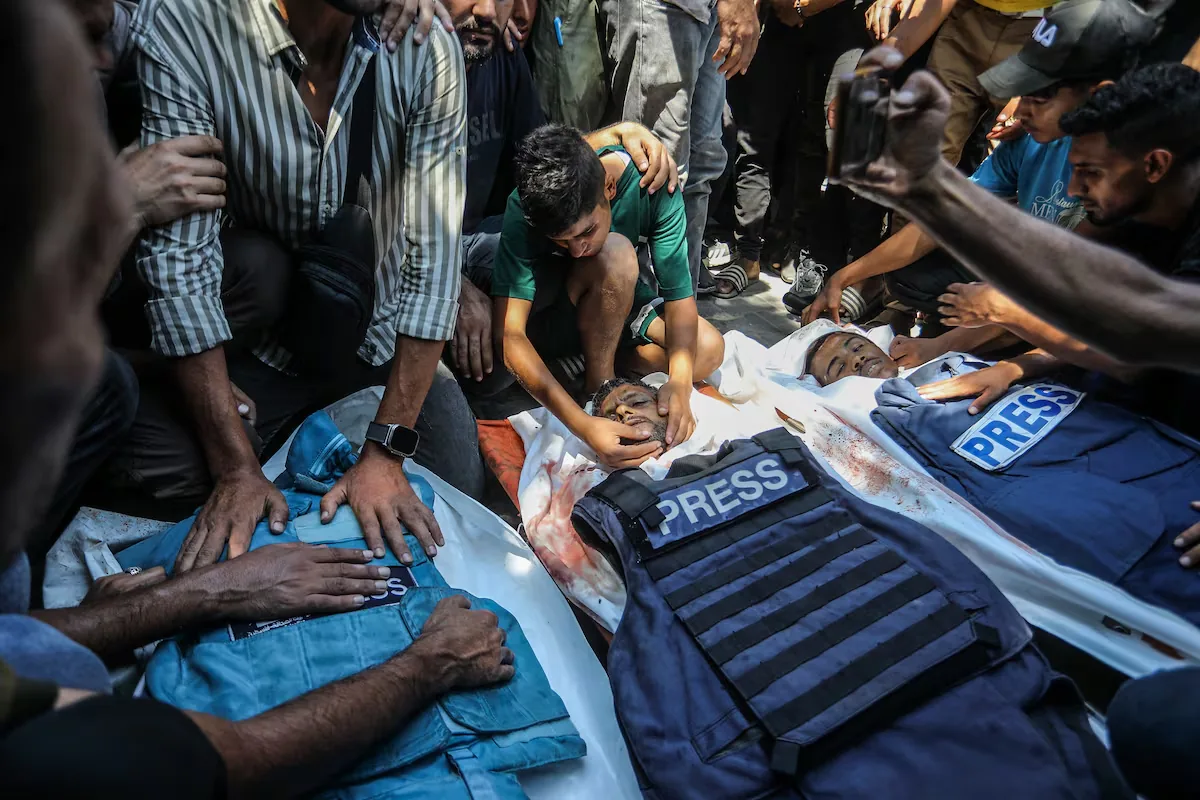
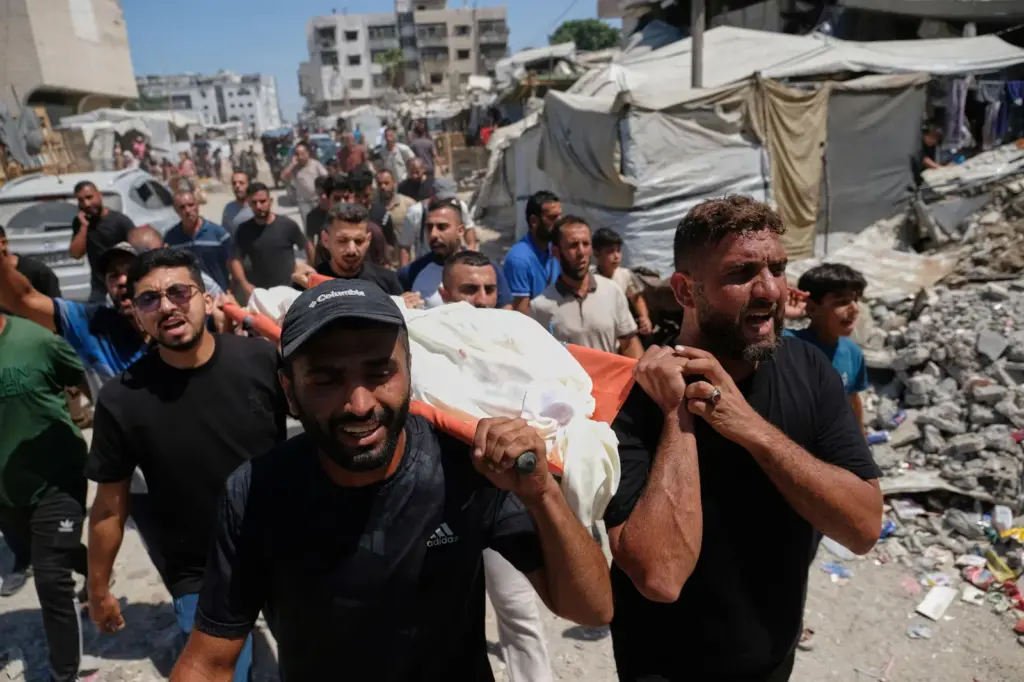
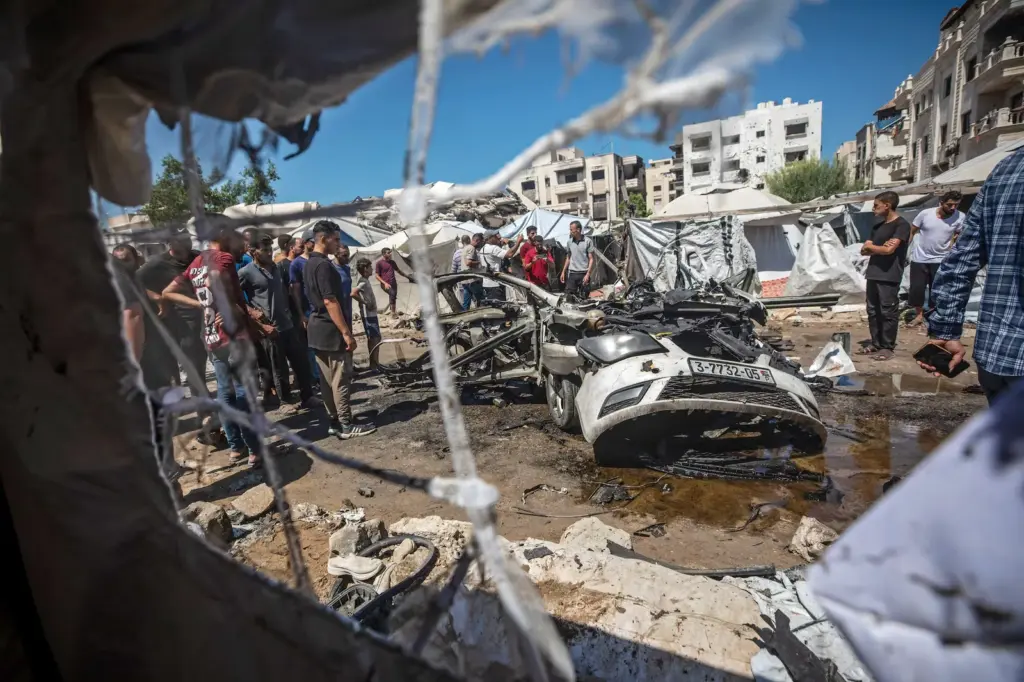
A covert military operation to arrest a Hamas commander — organized by Israel and apparently carried out by one of the militias it arms and protects in Gaza — resulted this Tuesday in four deaths (including a three-year-old child, a 13-year-old teenager, and a woman) due to intense fire from the Israeli military aviation to facilitate the escape of the group that carried out the capture. Confusion still reigns over what happened. The Defense Minister, Israel Katz, announced the capture of a Hamas commander, without giving further details, and Israeli media identify him as a big fish: the head of internal security of the Islamist movement’s government, Muin al Arabid. Hamas, on the other hand, claims the mission failed, having been discovered, and that they took a minor official after killing his wife.
Read more Captured 10 years later the alleged transfeminicide of Paola Buenrostro
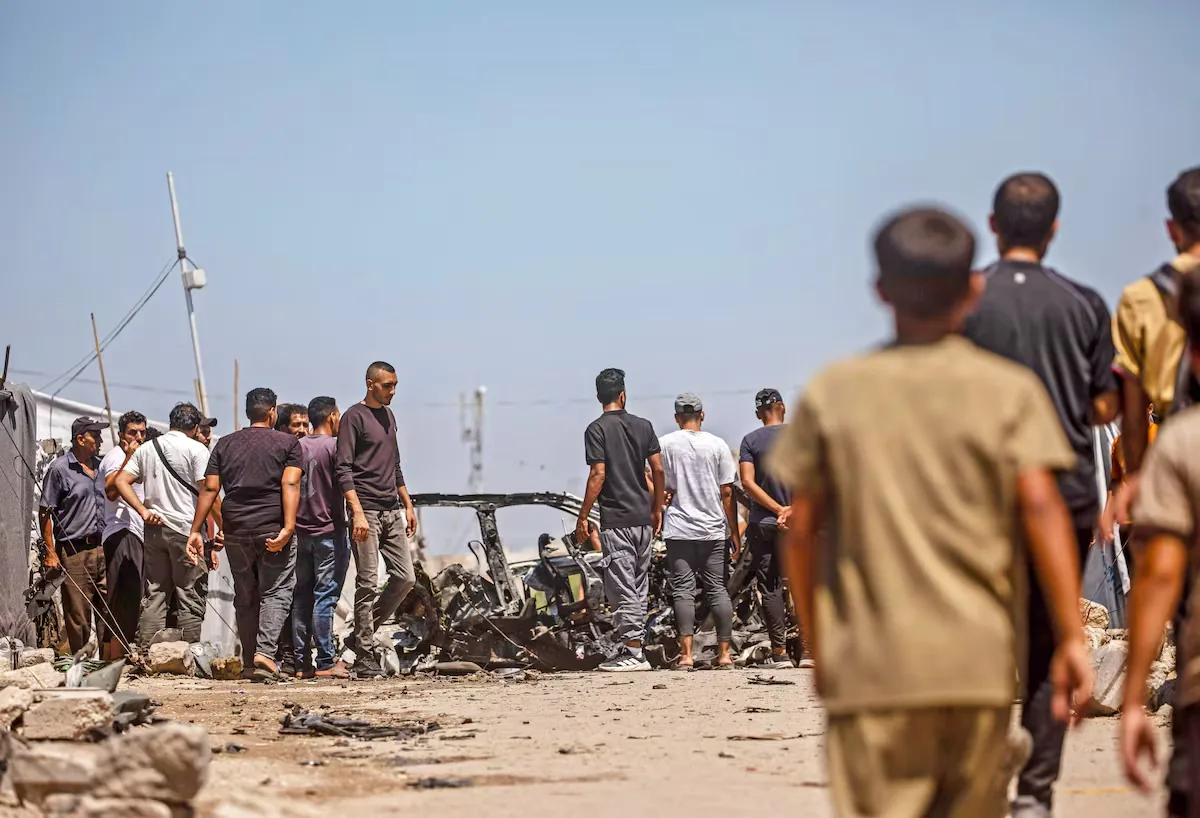
The sudden bombings forced many previously displaced families to flee. In total, about ten missiles fell in a densely populated neighborhood of the capital. The images show two burned cars. The Israeli army limited itself to stating that it opened fire to “eliminate several threats to the security forces,” without clarifying whether special forces, loyal militiamen, or both participated in the operation.
“This is our policy: we do not wait for threats to arrive, but we pursue Hamas terrorists, neutralize them, and destroy their terrorist infrastructure,” the minister declared during a visit to Netiv Haasara, near the border with the Strip.
The operation reveals the role that the armed Gazan groups promoted, financed, and protected (they are in about 60% of the enclave controlled by the army) by Israel have acquired to weaken or overthrow the Hamas government. These are rather family clans with a past of criminal activities or confrontations with the Islamist movement. Israel has also favored their enrichment, in the worst days of the famine, by raiding humanitarian aid trucks, according to local sources.
Tuesday’s deaths also show how Benjamin Netanyahu’s government not only continues to violate the ceasefire agreed in October (during which it has already killed 1,326 Palestinians, more than 300 of them minors) but also the minimum standards demanded by the Peace Board. This is the body responsible for overseeing the ceasefire and has just reinterpreted the disarmament pact it had reached with Hamas to adapt it to Netanyahu’s demands.
Read more Tronchon takes advantage of Visma’s slip and wins the stage of the Vuelta in the ‘sprint’
Its top representative, Nikolay Mladenov, wants Israel to limit fire to what it identifies as real threats against its troops inside Gaza, a category in which the army already includes dozens of dead who have turned out to be civilians.
Mladenov admitted last week before the United Nations Security Council the impact of these attacks on the credibility of the process. “A ceasefire in which civilians continue to be buried is not one that the population of Gaza can fully feel. Every use of force that does not respond to an immediate threat […] costs this process something that is very difficult to recover,” he assured.
In reality, the issue of Gazan militias and the credibility of the ceasefire are interconnected, since Hamas insists that it will only hand over its defensive weapons (unlike those it can use against Israel, such as rockets or grenade launchers) once these groups sponsored by Israel are dismantled. Otherwise, it argues, it would be defenseless against them. Despite its weakness, the Islamist government has managed to force surrenders in these small groups and a particularly symbolic victory last December, by killing one of their main representatives, Yasir Abu Shabab.
Read more The most wanted drug trafficker in Germany falls in Málaga: «He was like a ghost»