









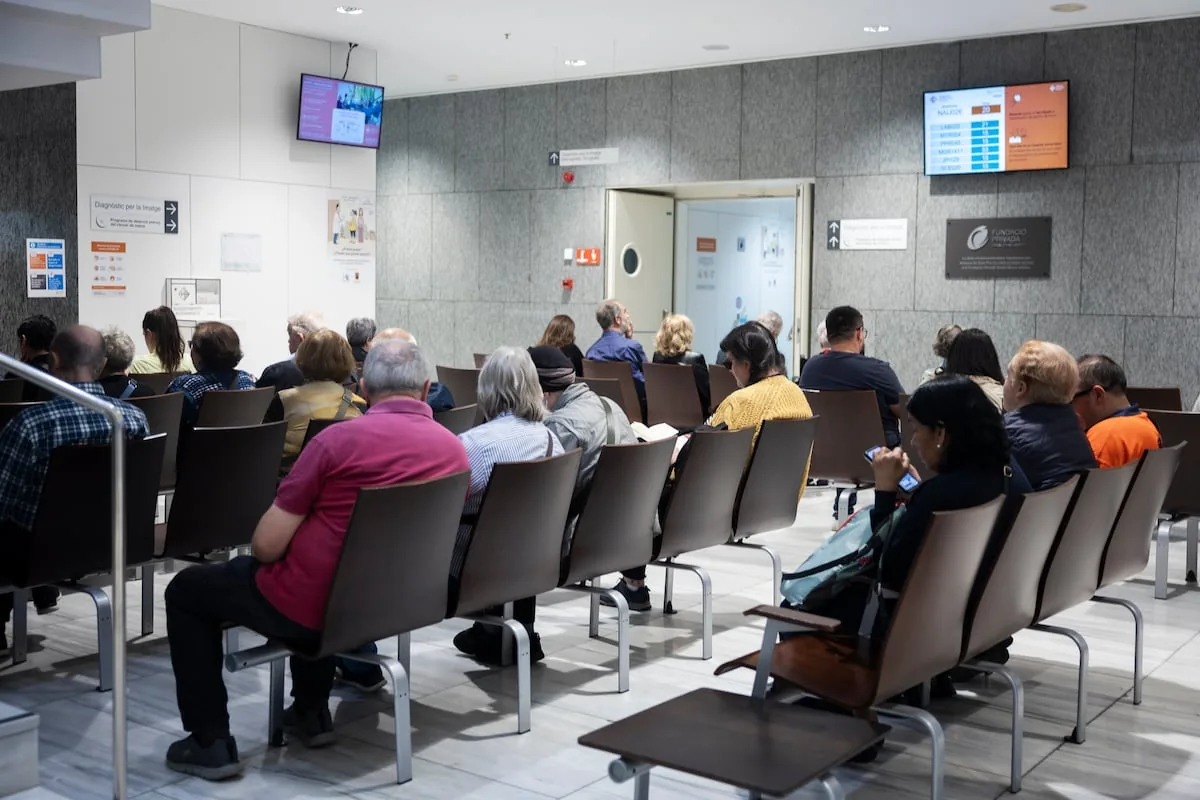
More people than ever are waiting for surgery in Spain: 853,509 people, according to the statistics from December of the autonomous communities. This is almost 21,000 more than last June and 7,000 more than exactly one year ago.
Read more A Vox councilor in Montserrat (Valencia) resigns after being reported for abuse

What really worries public health experts, however, is not so much how many people are waiting, but how long each one waits. These figures remain relatively stable: an average of 121 days for an operation and 102 for a consultation with a specialist.
These are figures that were contained since the pandemic, when the wait for an operation reached 170 days. But they have not returned to the levels seen previously: in 2018, the best year, it was 93.

Something similar happens with the wait for a consultation with specialists, which during the pandemic reached 115 days, but eight years ago was 57, less than half. It is a clear sign of how the health system has stabilized at much worse figures than before COVID.
Another figure that remains stable—and much worse than then—is the percentage of people who have to wait more than six months for an operation: 21.6%, which is 1.3 points less than a year ago, but almost 10 points more than in 2018.
61.5% of patients have to wait more than 60 days to see their specialist, 0.8 points less than in December 2024, but much more than eight years ago, when it was 37.4%.

The perception that citizens show in each CIS health barometer that the system has deteriorated corresponds, therefore, to reality, at least regarding waiting lists.
The latest data show that the communities with the longest surgical delays are Andalusia (173 days), Catalonia (142), and Extremadura (137). The shortest are Madrid (50), Basque Country (64), and Galicia (73).
Read more When artificial intelligence does the homework, education changes the rules

For specialist appointments, the longest average time is in the Canary Islands (162 days), followed by Navarra (152) and Aragón (138). The best positioned are La Rioja (32 days), Basque Country (49), and Cantabria (61).

The specialties with the longest wait to enter the operating room (among those measured) are plastic surgery (269 days), neurosurgery (172), and otorhinolaryngology (141). For consultations, the worst affected are traumatology (132 days), dermatology (127), and neurology (109).
Questioned data
These times, and the waiting list statistics themselves, are, however, highly questioned, both by patient associations and by the Ministry of Health itself, which wants to change the system, which does not even include specialties such as mental health.
There are many ways in which the communities can manipulate their data. This newspaper, for example, published in October how in health centers in the Community of Madrid ultrasounds were blocked due to lack of professionals. These were patients who had been waiting months for the test, but they did not become part of the official waiting lists.
Also not counted in the statistics is what patients have to wait to see their Primary Care doctor, a service also very deteriorated, which can have delays of weeks.
What the Ministry of Health wants to do is a system that evaluates from when a patient arrives with the first symptoms at their health center until they are discharged: which would include diagnosis and tests, also not accounted for in the current system.
Read more Ayuso to Vox: “They are treating immigrants like scum. What I defend is law and order”