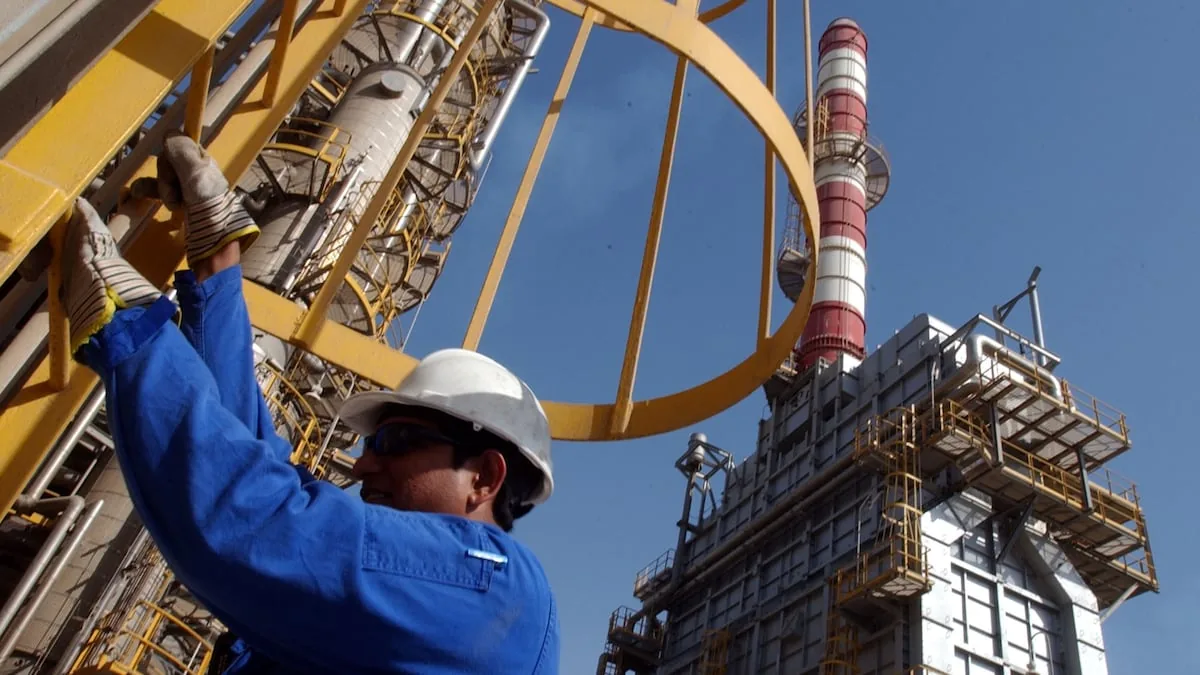









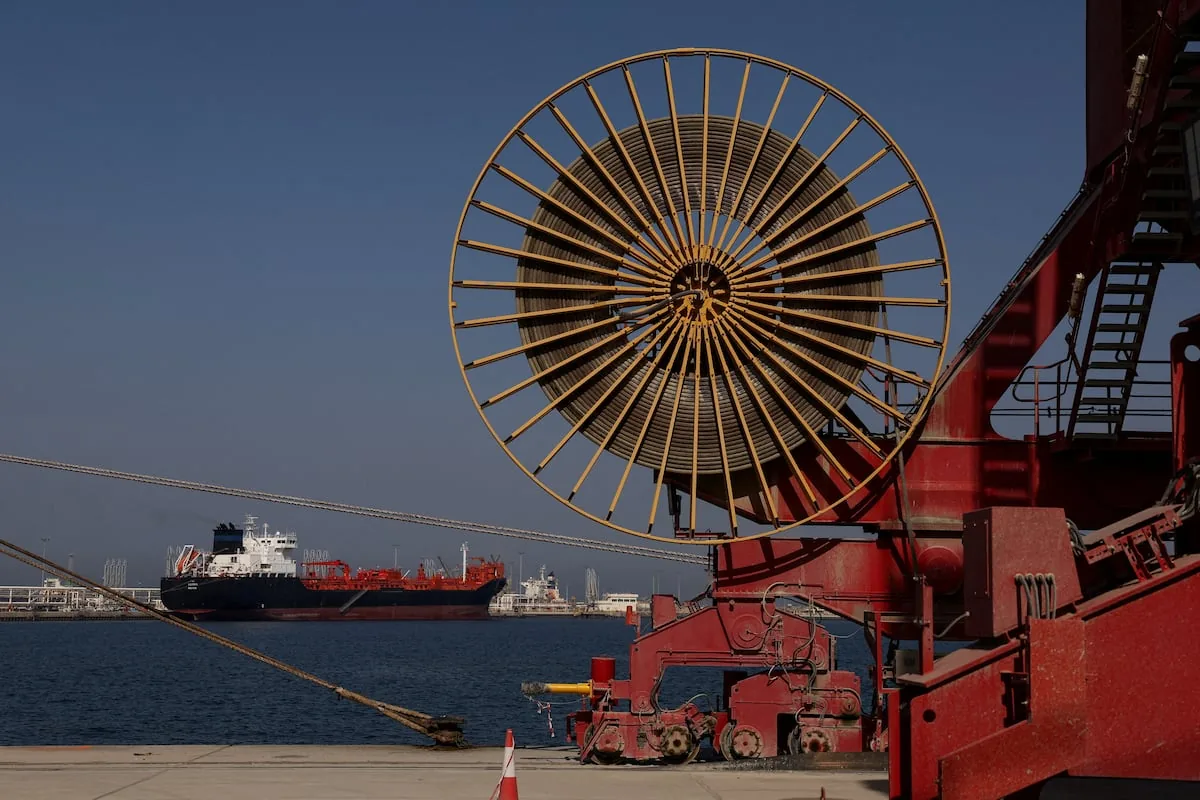
United Arab Emirates makes a move in response to the sine die closure of Hormuz. The Persian Gulf country announced this Friday that it will accelerate its plans to double the export capacity through the pipeline that ends at the port of Fujairah (Gulf of Oman), avoiding the strait. It is their only alternative to the usual maritime route, which has already been closed for ten weeks due to the war between the United States and Iran and has put both exporting and importing countries in a difficult position.
Read more Trump clashes with Florentino in the other White House
The current capacity of the pipeline, just under 1.8 million barrels per day, will thus increase to around three million. A significant relief for its economy and also for the two continents most dependent on the Gulf: Asia and Europe.
The Habshan-Fujairah pipeline has allowed the Emirates to continue selling crude ―although only part of all it pumps: its total production capacity already approaches five million barrels per day―, mitigating the severe blow to oil revenues caused by the double blockade of Hormuz. Emirati authorities had already planned its expansion, but for the longer term: now, according to the plan unveiled this Monday, the works should be completed over the course of next year.
This acceleration of the initial schedule also coincides with the recent and unexpected decision of the Emirates to leave the Organization of the Petroleum Exporting Countries (OPEC). Freed from the limits imposed by the cartel, the country will be able to burn its bridges before fossil fuels become obsolete. Additionally, the greater capacity of the pipeline to Fujairah will offer Emirati authorities options to export even more when Hormuz reopens to maritime traffic.
Although this pipeline has not suffered direct attacks during the war, some infrastructures linked to both ends of the route have been bombed.
Regional exception
United Arab Emirates and Saudi Arabia are, along with Oman ―which has direct access to the Indian Ocean― the only major Gulf producers able to export significant quantities since early March, when intermittent closures of Hormuz began. The first, through the mentioned Fujairah pipeline, just over 400 kilometers; the second, through the East-West pipeline, 1,200 kilometers long, which ends in the Red Sea and which the state oil company Aramco has called a “critical lifeline.”
Kuwait, Iraq, Qatar, and Bahrain, on the other hand, depend almost entirely on the strait to export oil and gas, and their economic situation is beginning to be worrying. This Thursday, Iraqi authorities acknowledged contacts with the International Monetary Fund (IMF) and the World Bank seeking financial aid to cope with the already prolonged closure of Hormuz.