





Madrid politics is an enigma. In general, major global cities, as well as their surrounding regions, tend to be bastions of progressivism. In the Community of Madrid, however, the Popular Party has governed uninterruptedly since 1995. In the last general elections, in 2023, the right-wing parties as a whole obtained 55% of the vote, and support for Vox was a couple of points above the national average. The capital region of Spain has been the protagonist of some of the worst corruption cases of the darkest period of the PP. In 2003, when the PP lost the absolute majority and PSOE and IU reached an investiture agreement, Esperanza Aguirre and her group managed to stay in power thanks to a plot of allied businessmen who bribed two PSOE deputies who refused to vote for their party’s candidate (the famous tamayazo). In the following elections, held a few months later, the PP increased its vote percentage and again achieved an absolute majority, and so it has been until today. This right-wing hegemony is supported by some compelling data: being the region with the highest per capita income in Spain, it ranks at the bottom in spending per inhabitant on education and health. As a result, it is one of the regions with the greatest inequality in Spain.
Read more The Mossos arrest Jonathan Andic for the death of his father, Isak Andic, owner of Mango
The magic formula for the PP’s permanence consists of several ingredients: good transport infrastructure, urban expansion, chartered education (with a clear predominance of centers managed by the Church), strong economic growth (taking advantage of the capital effect), and tax cuts. The model is inspired by classic neoliberal values: low taxes, deficient public services, and middle classes with enough purchasing power to afford private healthcare and, in households with greater resources, also private education at all levels (from primary to university).
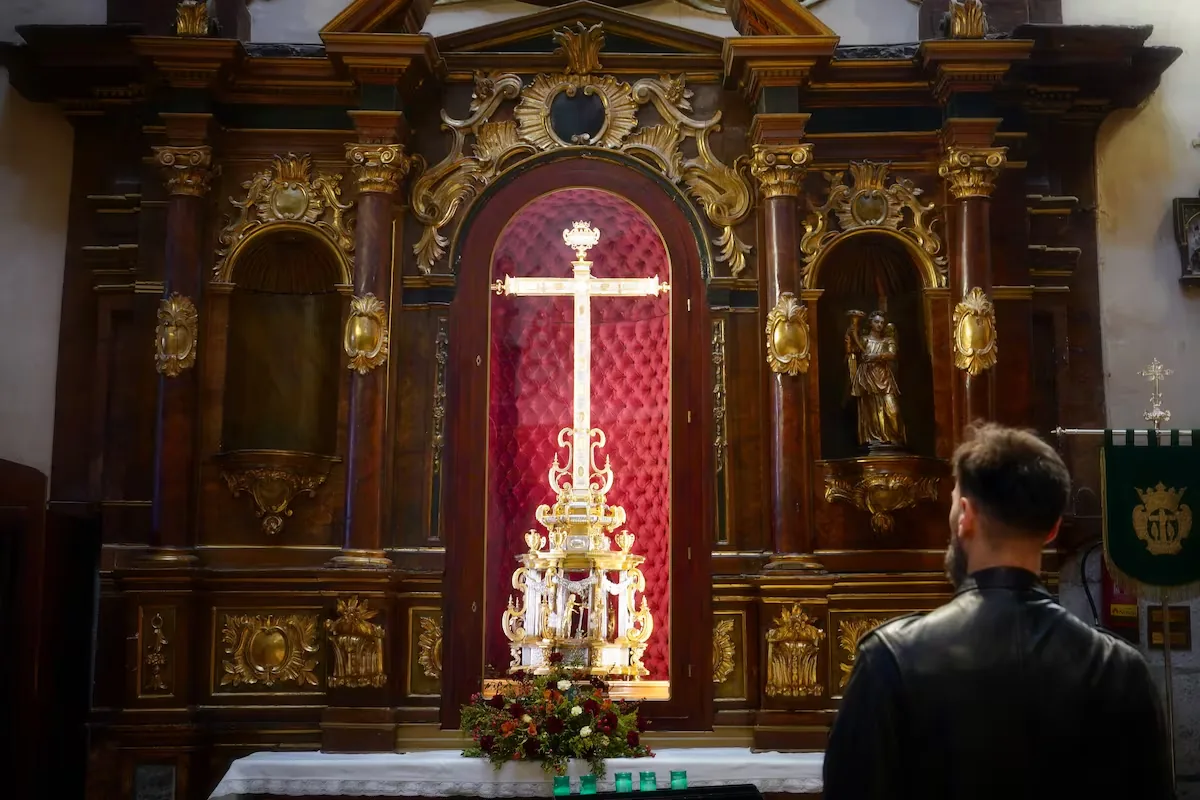
However, I believe this formula does not fully explain some characteristics of the rightward shift in the Madrid region. Specifically, I think it is necessary to also introduce some ideological and cultural components. Although it goes back further, it is especially after the 2017 Catalan crisis that Madrid consolidates as a proudly Spanishist center that considers sub-state nationalisms a political anomaly that hinders the country’s development. In the rebirth of exclusive Spanish nationalism, Madrid has had an undeniable protagonism. A certain casticismo is back and, above all, a clear anti-intellectualism. Just recall the regional government’s battle to end the Madrid public university. It is not only the autonomous community that spends the least per university student, there is also clear ideological hostility. Madrid meets all the conditions to become a top-level European university hub, but its rulers have decided to let the opportunity pass. Not even the advantage of Catalan universities over Madrid’s serves as a stimulus against what is “ours,” that is, the “cañitas,” the Ibex, and third-rate private religious universities.
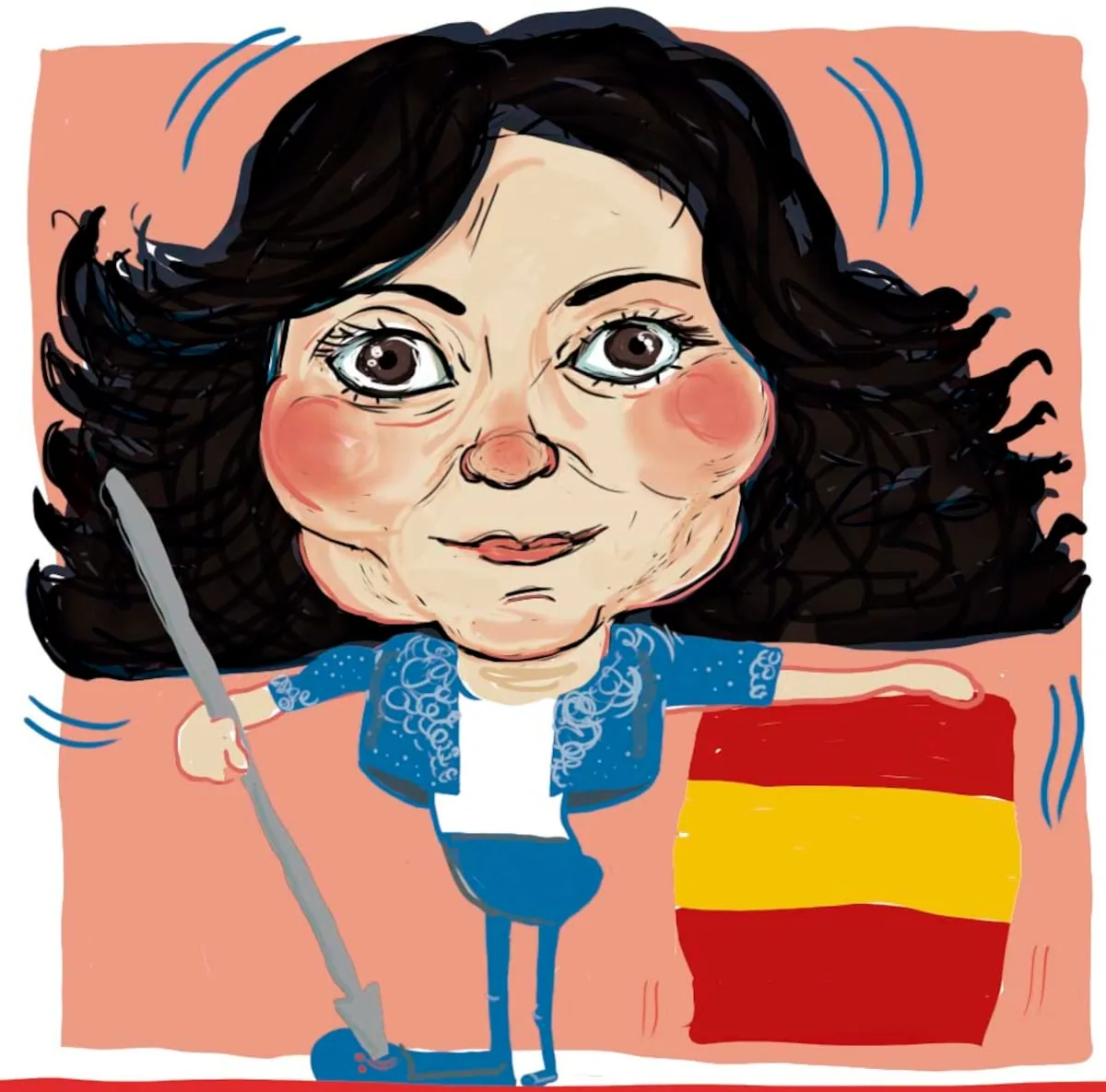
Who perfectly embodies this kind of cultural narrow-mindedness is the current president of the Community, Isabel Díaz Ayuso. The success of her figure may be even more mysterious than that of the Madrid PP itself. Her popularity is directly proportional to the extent of that proud narrow-mindedness that dominates the region. She is a terrible speaker, incapable of improvising a couple of consecutive sentences that make sense. She is not well-prepared; it is evident that most of the times she talks about any topic, she barely knows anything about it. There are plenty of comical examples on social media (my favorite remains the labyrinth she got into when talking about inflation). And, as if that were not enough, she combines extreme aggressiveness towards rivals with ridiculous victimhood over the criticism she receives. In her ideological crusade, she waters the most reactionary media with institutional advertising and has turned Telemadrid into an unparalleled sectarian company, presumably with the purpose of confirming that all public things are always rotten.
To the delight of her followers, she has learned to provoke those who do not think like her. She does not care about resorting to the most stale narrative about the conquest of America (what would she know) or about Spanish identity. In this field, she has an undisputed talent: she manages to turn her cultural and intellectual gaps into a very powerful political weapon. She achieves this by revolting against anyone who presumes to know more than she does. Against the “smart” and “know-it-alls,” she represents like no one else the contempt for education and culture. Hence that authenticity of hers against which all politicians who try to compete for the presidency of the Community crash. As a consummate alchemist, she turns ignorance into an instrument to ridicule anyone who boasts of having any idea or proposal, and there is no better fuel for her discourse than the contempt she receives from the enlightened elites. An article like this one I am writing is ammunition against the “left that lives off hatred,” those of “moral superiority,” etc., etc., etc.
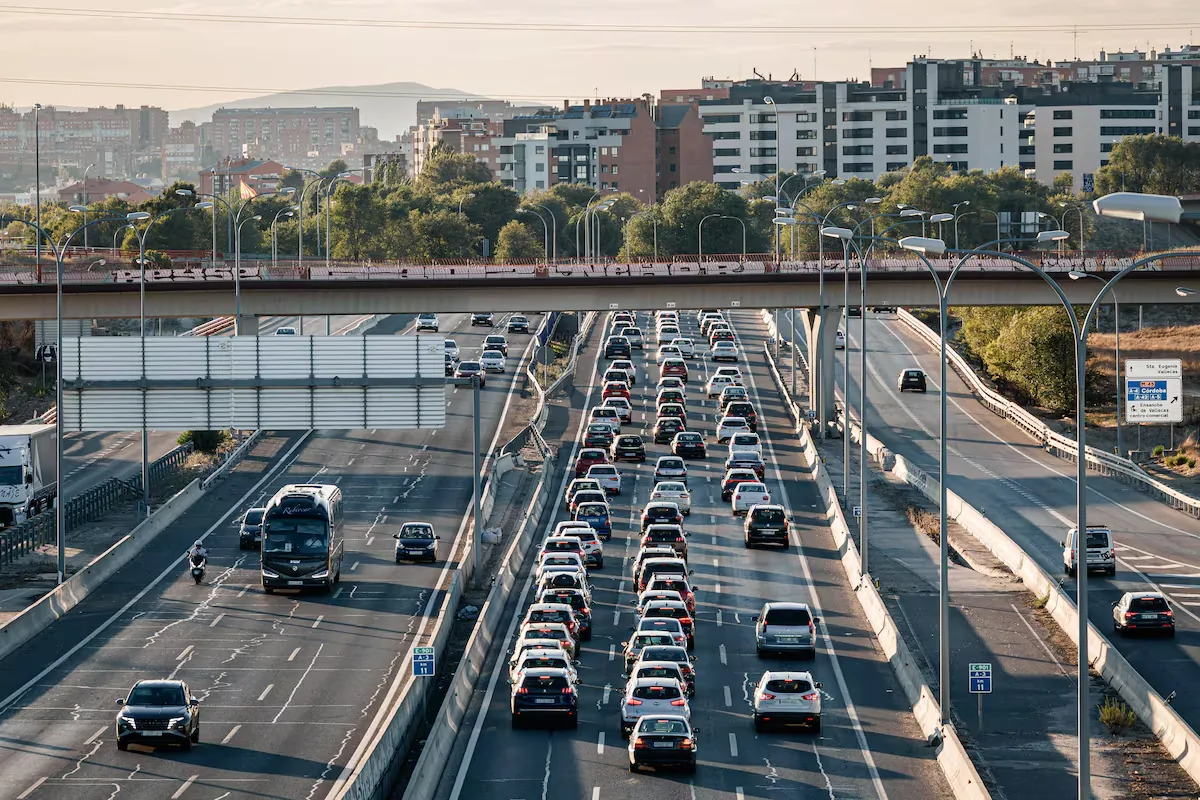
There is something transversal in her narrow-minded strategy: it unites all those, rich and poor, posh and chav, who feel vindicated against what they perceive as “the progressive dictatorship.” They are the ones who say “you can’t say anything anymore” and “there used to be more freedom of expression.” Thus, a circle is formed from which it is very difficult to escape, because the more narrow-mindedness is displayed, the deeper the gap with progressivism becomes. Díaz Ayuso’s followers are not ashamed of her outbursts; on the contrary, they celebrate them and feel liberated from the values that dominate in other major European capitals. Díaz Ayuso comforts them if they like bullfighting, if they believe the conquest of America was the greatest feat in human history, if they see it as normal to receive commissions from companies contracting with the community (like the president’s brother and also her current partner), and if they think recycling, restricting traffic, and promoting bicycles when there are so many traffic jams in the city is nonsense. Years ago I wrote, when it was still not so common, that there is an undeniable affinity between Díaz Ayuso and Donald Trump. Inspired by him or discovering the Trump secret in her own way, the fact is they represent a very similar way of doing politics.
Madrid supporters of ayusismo operate in a kind of cultural and social bubble with a rather narrow radius. The acid test is crossing borders and trying to say there the simplicities that circulate here as natural things. The recent trip of the Madrid president to Mexico is the best demonstration. Outside her natural environment, Díaz Ayuso’s ignorance and puerile discourse provoke disbelief (and also hilarity). Consider that one of her reference figures on Hernán Cortés is an essayist, Juan Miguel Zunzunegui, who wrote years ago a conspiracy book defending the thesis that the 9/11 attacks were planned by US authorities to have a pretext to go to war in the Middle East. That is the level.
Read more I have tried several automatic irrigation systems and this is the one I am going to use this summer