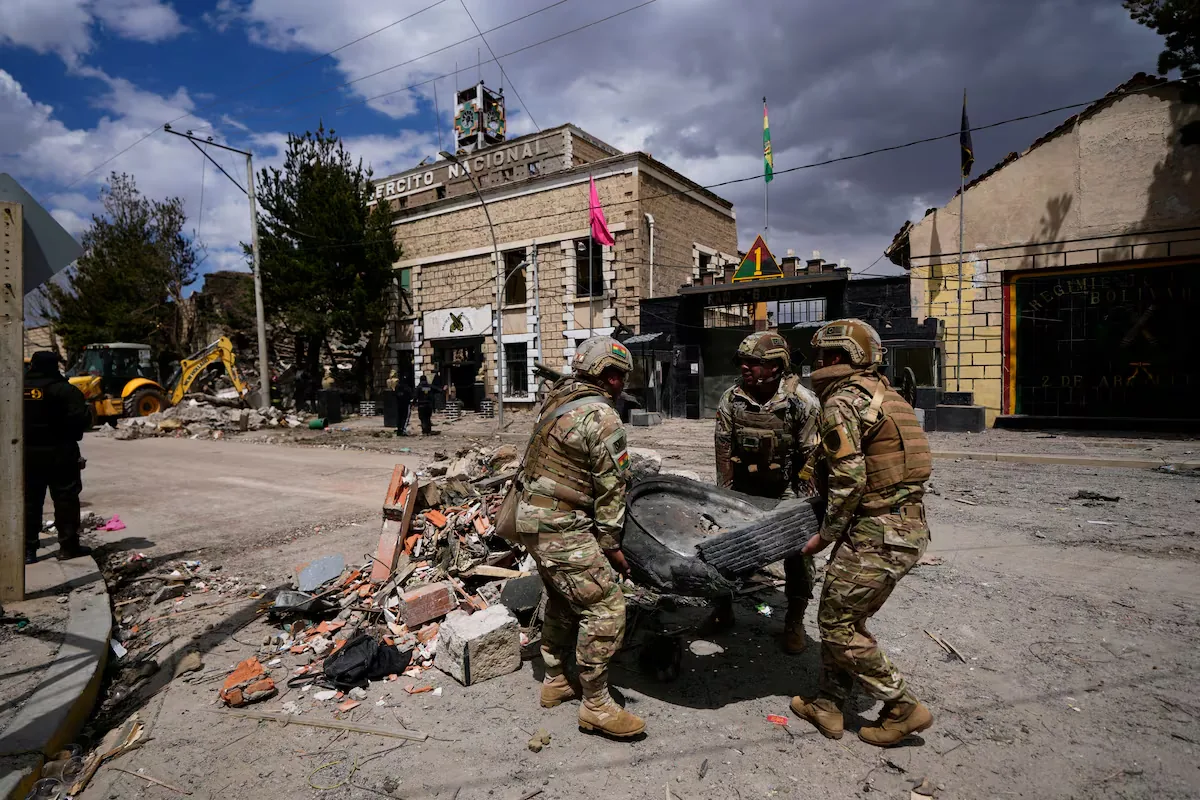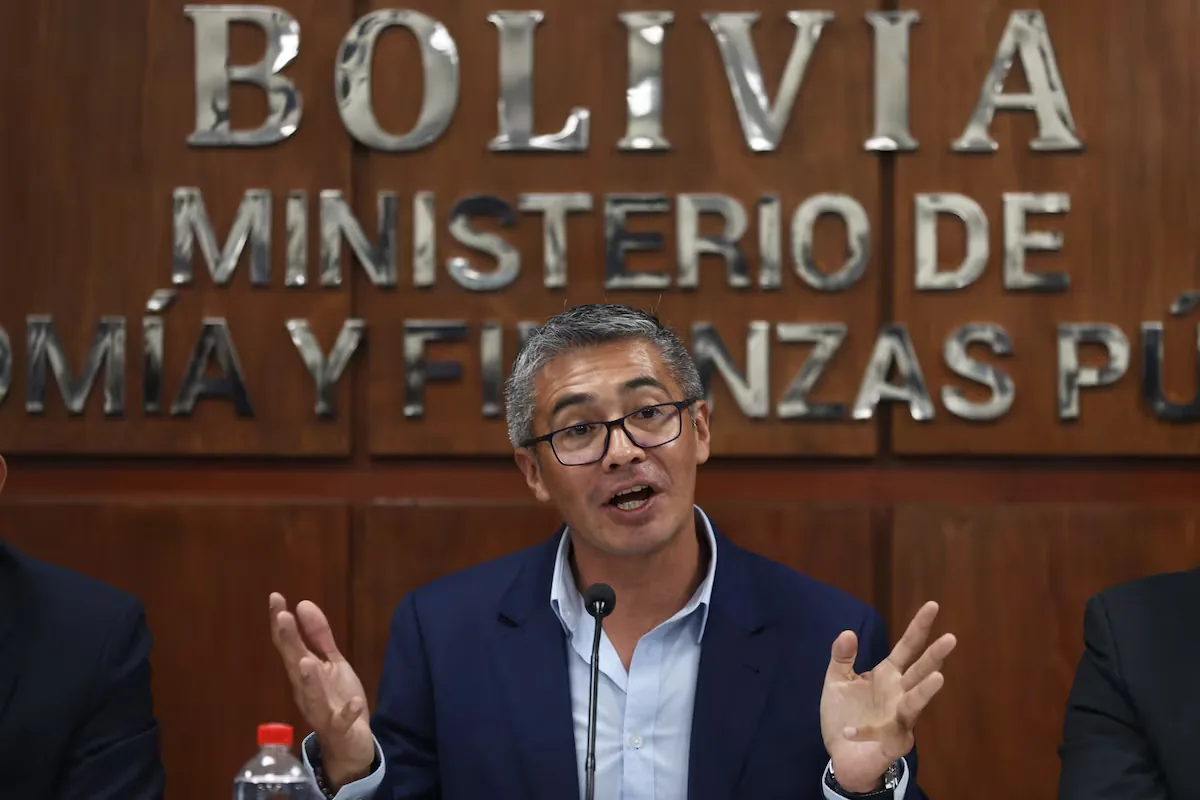







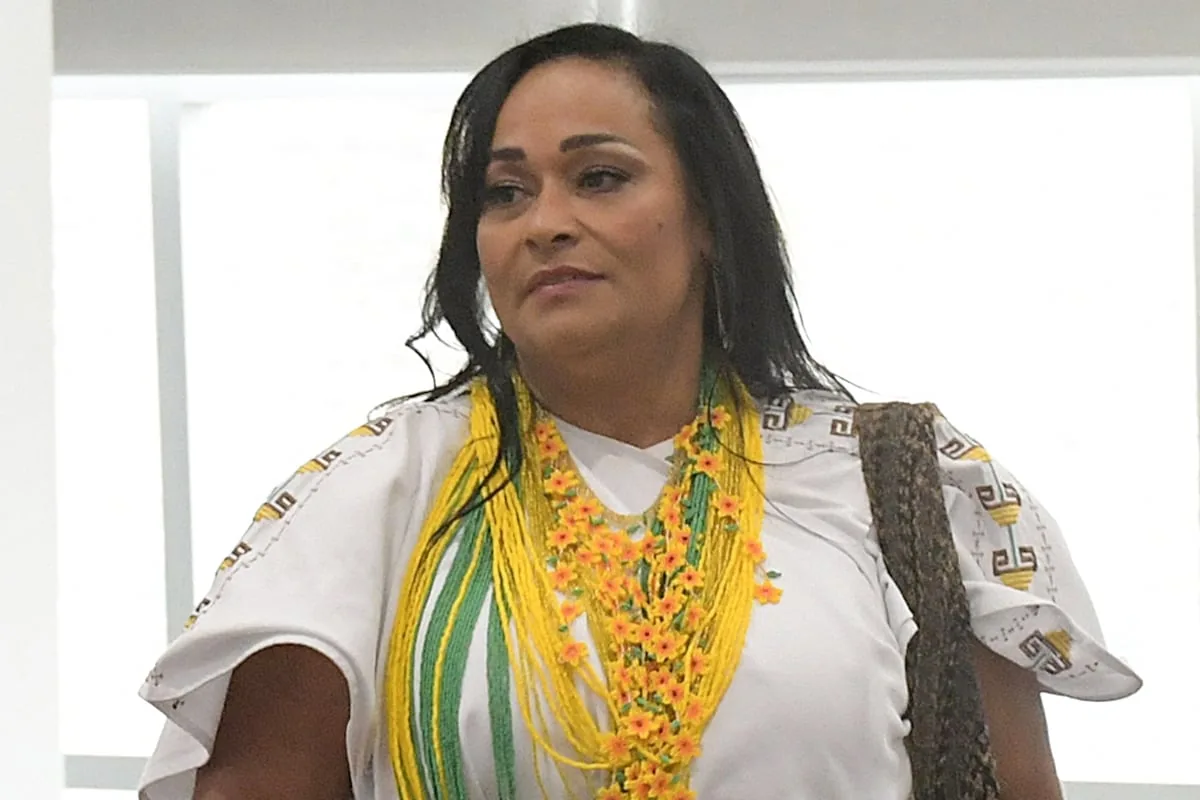
The Bolivian Foreign Ministry “has decided to request the Ambassador of the Republic of Colombia accredited in the country to conclude her diplomatic functions on Bolivian territory.” The expulsion of Elizabeth García Carrillo is the main reaction of Rodrigo Paz’s government to recent statements by the Colombian president, the leftist Gustavo Petro, about the situation in Bolivia. The president stated in the document that the South American country “is experiencing a popular insurrection” as “a response to geopolitical arrogance.” Although the same message indicates an interest in mediating the crisis, he also spoke of “political prisoners.”
Read more The mistreatment of detainees by an ultra minister of Israel causes an international crisis
Bolivia is experiencing a popular insurrection.
It is the response to geopolitical arrogance.
Latin America is a diverse and different civilization, it cannot be homogenized from anywhere on the planet.
Latin America and the Caribbean must be heard by the world looking straight ahead in…
— Gustavo Petro (@petrogustavo) May 17, 2026
Petro also spoke out in favor of former Bolivian president Evo Morales, leader of the opposition and the most visible face behind the mobilizations that have besieged La Paz, the country’s capital, with a city without fuel and increasingly widespread protests. “I ask the US government not to attack former president Evo Morales,” wrote the Colombian president on his X account. The concern relates to the Paz government’s intention to go to the United States to request information about possible involvement of Morales in drug trafficking.
The indigenous leader is in the sights of justice after a judge ordered his arrest for failing to appear to testify in a case against him for alleged trafficking and child abuse. The situation, according to US Deputy Secretary of State Christopher Landau on Tuesday after speaking with the conservative Bolivian president, is “a coup d’état.” The so-called Freedom and Democracy Group, made up of 16 former heads of state from Ibero-America, has expressed a similar view in a public letter sent this Wednesday. “We categorically reject the attempt to break institutional order in Bolivia,” reads the document signed by Spaniards Mariano Rajoy and José María Aznar, Mexican Felipe Calderón, Colombian Iván Duque, and Chilean Eduardo Frei.
The statement from the Bolivian Foreign Ministry on Wednesday morning clarifies that the “decision does not constitute a break in diplomatic relations with the Republic of Colombia nor does it affect the historic ties of friendship, cooperation, and respect between both peoples and states.”
Petro, engaged in a trade war with neighboring Ecuador, has sought to project regional leadership and build alliances with leftist forces throughout Latin America. In the case of Bolivia, since coming to power in 2022, he appointed García as ambassador. It was a powerful symbolic signal: she is an indigenous woman from the Arhuaco people, who also lived in exile in Canada, a profile very different from usual Colombian diplomacy. One that especially speaks to a nation with a high indigenous component, like Bolivia, where one of the protagonists of the current crisis is Evo Morales, also a leader of native peoples.
The Colombian president has managed to improve bilateral relations with the United States after a growing crisis throughout 2025 that included the withdrawal of his visa. However, Landau’s words regarding Bolivia raise questions about the good situation: “I would love to see, for example, Brazil support the institutional process in Bolivia. I say the same about Colombia. I don’t like to see countries boasting about their democratic values, but when a government is established that perhaps does not align with their political positions, they suddenly remain silent,” he said.