




Europe tries to mitigate the effect on the electricity, gas, and fuel bills of the war launched by the United States and Israel against Iran and the closure of the crucial Strait of Hormuz, through which until recently 20% of the oil and liquefied gas for world trade passed. The conflict unleashed by Donald Trump and Benjamin Netanyahu has cost Europeans more than 22 billion euros in additional fossil imports, according to data from the European Commission. To tackle the impact of the conflict on citizens, the Community Executive proposes that Member States implement immediate support measures for vulnerable households, sectors, and industries. Brussels proposes urgent formulas, such as imposing at least one mandatory telework day per week in companies, closing public buildings whenever possible, and reducing public transport prices or even making it free for certain groups, according to the draft package of measures that the Commission is finalizing and to which EL PAÍS has had access.
Read more The PP counts deaths against the Government: Adamuz, the blackout, gender-based violence…
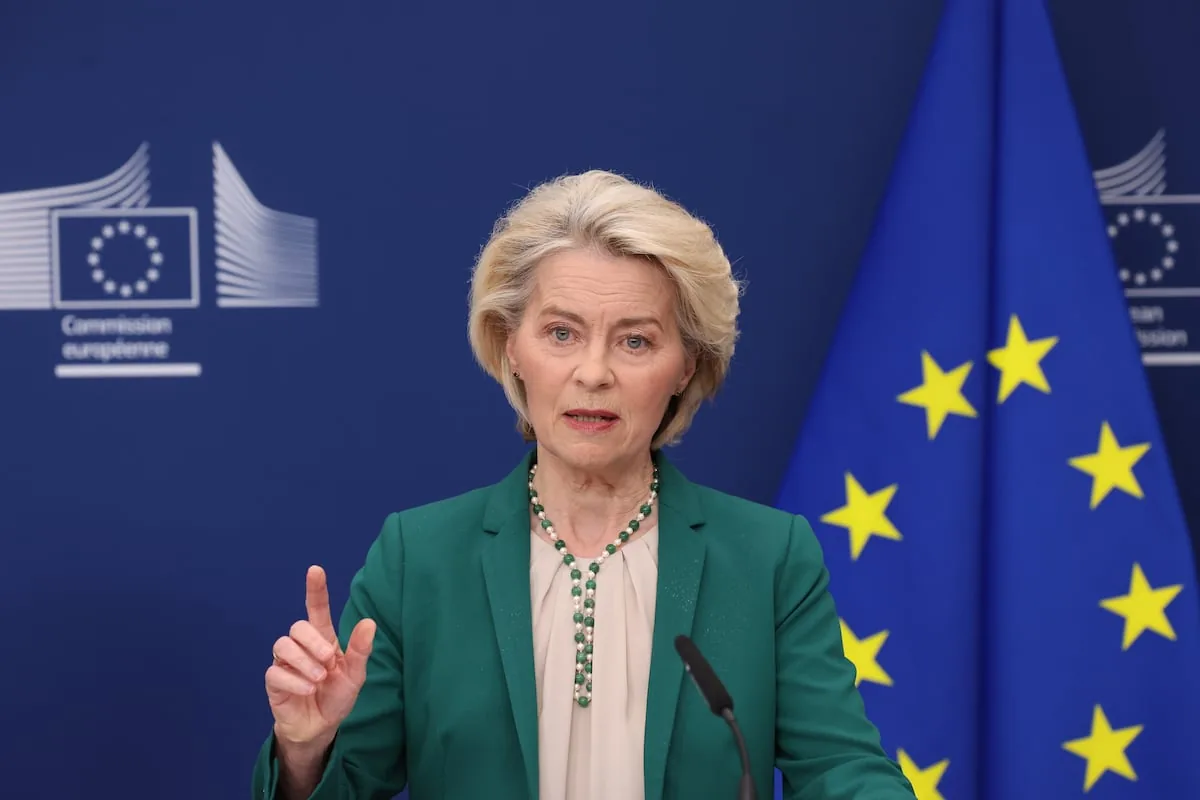
Although the price increase is the direct consequence of the conflict, there is no immediate threat to supply security, although the situation is tense for some fuels, notes the Community Executive. The President of the European Commission, Ursula von der Leyen, will present her set of measures next week to the leaders of the 27 Member States. Among the ones closest to citizens are two: urging companies to, when possible, establish “at least one mandatory telework day per week” and close public buildings also “when possible,” according to that document.
Some of these measures can begin to be implemented almost immediately in homes and buildings, in industry, and in the transport sector. Others are more medium-term, such as the flexibilization of State aid.
Here, Brussels opens the door to compensate the agricultural and distribution sectors with public aid, with support of up to 50% of the additional price of fuel and fertilizers until the end of the year, according to the Community draft, still subject to changes.
Brussels draws attention to the fact that gas and oil continue to dominate heating, industry, and transport, which leaves European households and companies — particularly SMEs and high energy-consuming industries — exposed to strong price fluctuations worldwide. Hence, energy prices in the EU have increased as a result of the war, while trade disruptions are slowing supply chains, warn the technicians of the Community Executive.
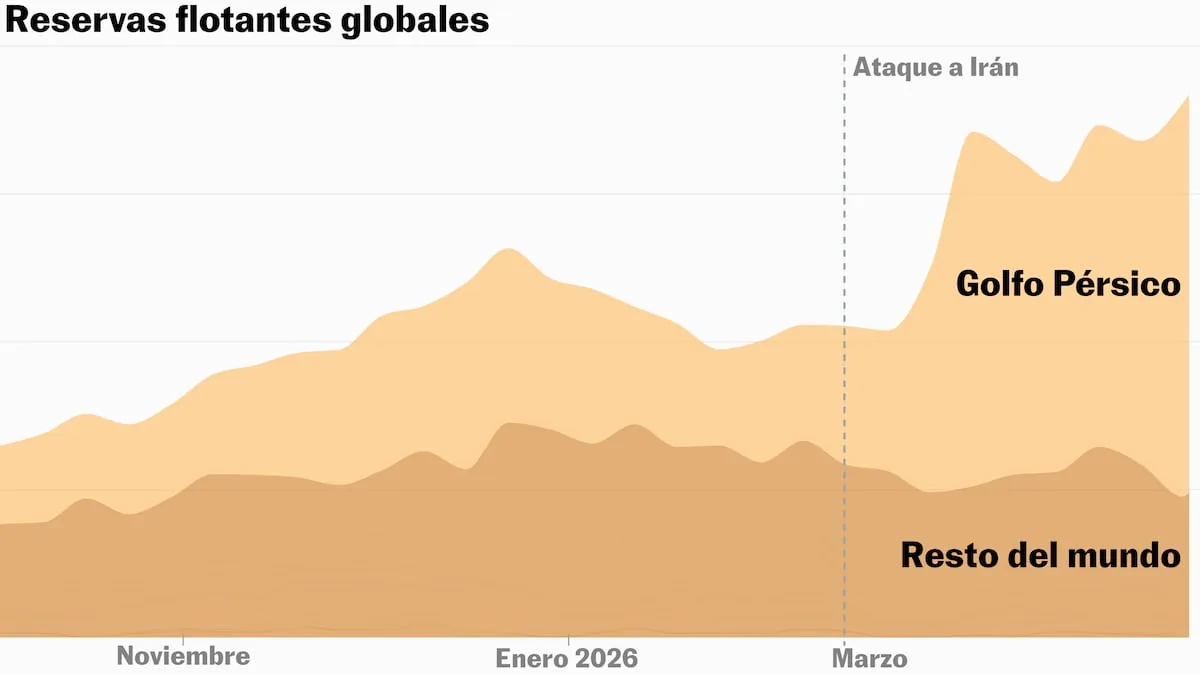
Between February 27, 2026 — just one day before Trump and Netanyahu attacked Iran — and March 20, 2026, crude oil prices rose by 51% and natural gas prices by 85%. Markets have been heavily affected by the closure of the Strait of Hormuz. The loss of flow from Qatar’s Ras Laffan facility (the largest liquefied natural gas terminal in the world), damaged by an Iranian attack, has also been felt.
Regulated prices
Regarding more tangible measures quickly for the consumer, Brussels proposes a series of recipes to Member States, such as issuing specific energy vouchers for vulnerable households. Or introducing (or extending) temporary regulated prices for households with low energy income or vulnerable. Also, applying total or partial reductions of special taxes on electricity for vulnerable households and those with low energy resources, according to the draft.
There is more, such as implementing a temporary ban on electricity supply cuts to prevent consumer disconnection (Spain has done this in its anti-crisis decree approved in March). Also, that national or local authorities ensure that energy providers offer their customers advice on the “best tariff” and “early warnings” when consumption peaks or payment risks occur. Or that consumers can easily switch to cheaper contracts and have access to “neutral and transparent” comparison tools, and barriers are removed for companies that reward customers for shifting their electricity consumption from peak hours to off-peak hours.
Renewable energies
After months with the green agenda shelved due to pressures from the right and part of the industry, which claim it can hamper competitiveness, the European Commission refocuses on renewables as a solution to the crisis and to transition towards energy security. “The transition to a clean, abundant, nationally produced, safe, and affordable energy system is not only an environmental necessity but an economic, competitiveness, and security imperative. Short-term relief measures must reinforce the long-term strategy, and not deviate from it, towards a decarbonized and resilient EU energy system,” says the Commission.
Thus, several of its urgent measures go in that direction. Brussels proposes that Member States introduce tax incentives and financial support — including social leasing for vulnerable households — for the rapid implementation of heat pumps, rechargeable batteries, photovoltaic panels, and high-performance windows. Also, that social tariffs and additional subsidies be launched to quickly replace boilers running on fossil fuels.
“Member States that have achieved a high proportion of renewable and nuclear energies usually have electricity prices below the EU average,” highlight the technicians of the European Commission. “The decisions made today will determine whether the next crisis is faced with fragility or strength,” they warn.
Read more Georgieva calls on countries to take measures to reduce energy demand